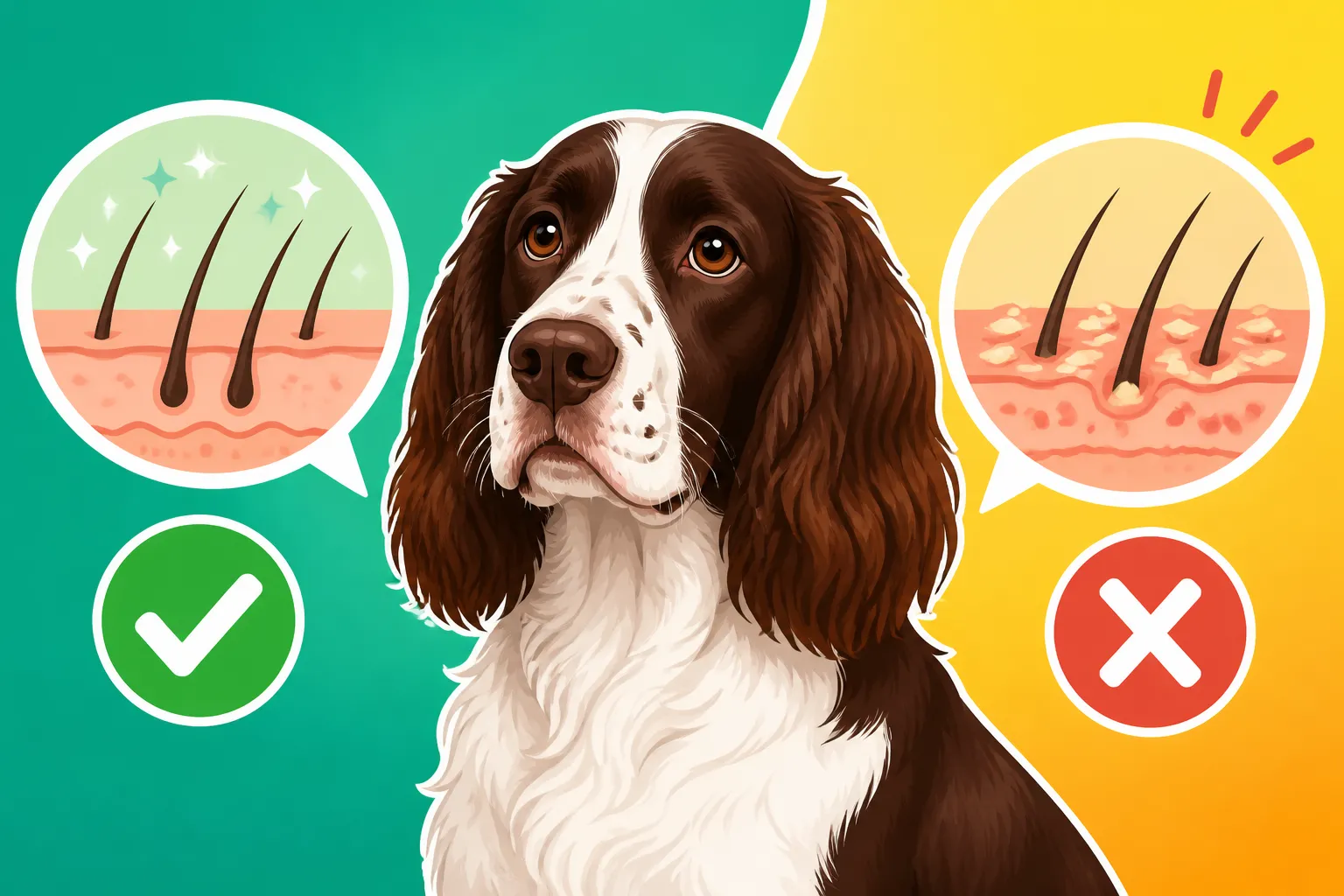
Whether a Springer Spaniel Gets Seborrhea
It's incredibly frustrating when you notice your sweet Springer Spaniel's skin becoming flaky, greasy, or just plain off. That distinct, sometimes yeasty odor, the constant scratching, or those persistent dry patches can leave you feeling helpless and worried about their comfort. This comprehensive guide will walk you through everything you need to know about seborrhea in English Springer Spaniels, helping you understand what it is, how to spot it, and most importantly, how to manage it so your furry friend can live a happier, itch-free life.
Understanding Seborrhea in Your Springer Spaniel: More Than Just "Bad Skin"
When we talk about seborrhea, it's easy to dismiss it as just "dry skin" or "oily skin," but it's actually a complex dermatological condition that can cause a lot of discomfort for your Springer Spaniel. It’s essentially a disorder of the skin's keratinization and sebaceous glands, leading to abnormal shedding of skin cells and/or excessive oil production. This isn't just a cosmetic issue; it can be incredibly irritating and, if left unchecked, can pave the way for secondary infections that make things even worse. As a Springer owner, you know their beautiful coats and sensitive skin need extra attention, and seborrhea is one of those conditions that truly puts that to the test.
What Seborrhea Actually Is and Why It Happens
Seborrhea isn't a disease itself, but rather a syndrome or a collection of clinical signs that indicate an underlying skin problem. Think of it less like a distinct illness and more like a symptom that something is amiss with your dog's skin barrier and oil production system. The skin's job is to protect the body, and it does this by continuously shedding old cells and producing natural oils (sebum) to keep itself supple and healthy. With seborrhea, this process goes haywire. Either the cells shed too rapidly, or too much oil is produced, or sometimes both. The result is skin that's either excessively dry and flaky, or oily and greasy, often accompanied by an unpleasant smell and chronic itching.
In many cases, seborrhea is secondary to another condition. This means your Springer isn't just randomly developing seborrhea; there's something else triggering it. Common culprits include allergies – whether environmental like pollen, or food-related – hormonal imbalances such as hypothyroidism, parasites like mites, or even autoimmune diseases. For instance, if your Springer is constantly suffering from How Often Allergies Drive a Springer Spaniel's Ear Disease, it's not uncommon to find seborrhea manifesting on their skin as well, indicating an overarching allergic response. Less commonly, seborrhea can be primary, meaning it's an inherited condition where the skin cells themselves are inherently faulty. This is rarer but does occur in certain breeds, though less definitively studied in Springer Spaniels compared to some other breeds known for primary seborrhea.
The Two Faces of Seborrhea: Oily vs. Dry Skin
Seborrhea manifests in two primary forms, and sometimes a combination of both. Understanding these distinctions is crucial for effective treatment.
Firstly, there's seborrhea sicca, which literally means "dry seborrhea." This is when your Springer's skin is abnormally dry, flaky, and sometimes quite itchy. You'll notice a lot of dandruff-like flakes, particularly along their back, flanks, and in their luxurious feathering. The skin itself might feel tight and brittle. It’s akin to chronic dry scalp in humans, but far more widespread and uncomfortable for your dog. Your Springer might constantly scratch, leading to further irritation and potentially even Why a Springer Spaniel Licks Its Paws Raw or developing bald patches from incessant chewing and rubbing.
Secondly, we have seborrhea oleosa, which translates to "oily seborrhea." This form is characterized by excessively greasy or oily skin and coat. The skin may feel waxy or slick to the touch, and you'll often detect a distinct, rancid odor, sometimes described as yeasty or moldy. The oiliness is particularly noticeable in skin folds, around the ears, armpits, and groin. Over time, the skin can thicken and darken (hyperpigmentation), and hair loss is common. This constant moisture and oil create a perfect breeding ground for secondary bacterial or yeast infections, which then compound the discomfort and odor. It's truly a miserable cycle for any dog, and particularly for an active Springer Spaniel. It’s also important to note that a Springer Spaniel's Whether a Springer Spaniel's Skin Gets Oily is often connected to this form of seborrhea, requiring careful management.
Sometimes, a Springer Spaniel might exhibit characteristics of both forms, with oily patches in some areas and dry flaking in others. This mixed presentation requires a comprehensive approach to address both aspects of the condition.
Why Springer Spaniels Are Particularly Prone to Seborrhea
English Springer Spaniels, unfortunately, can be more susceptible to skin issues like seborrhea compared to some other breeds. Their dense double coats, especially the longer feathering, can trap moisture and debris, creating a warm, humid environment perfect for skin problems to fester. While primary seborrhea isn't as commonly linked to Springers as it is to breeds like American Cocker Spaniels or Basset Hounds, they are very prone to the secondary forms, largely due to their propensity for allergies.
Many Springer Spaniels suffer from environmental allergies (atopy) or food allergies, which frequently manifest as skin irritation and subsequent seborrhea. The chronic inflammation from allergies disrupts the skin barrier, making it easier for bacteria and yeast to overgrow. Moreover, their long, pendulous ears are notorious for trapping moisture and prone to infections, which can sometimes spread to the surrounding skin or be a part of a more generalized allergic response that includes seborrhea on the body. Understanding The Skin Under a Springer Spaniel's Coat is essential here, as their thick fur can hide early signs and make treatment more challenging without diligent care.
| Type of Seborrhea | Primary Characteristic | Common Signs | Affected Areas | Odor | Secondary Infections |
|---|---|---|---|---|---|
| Seborrhea Sicca | Dry, flaky skin | Dandruff, dull coat, itching, scaling | Back, flanks, ears, feathering | Mild to none | Less common, but possible from scratching |
| Seborrhea Oleosa | Oily, greasy skin | Greasy coat, waxy buildup, itching | Skin folds, armpits, groin, ears | Strong, rancid, yeasty | Very common (bacteria, yeast) |
Spotting the Signs: Is It Seborrhea or Something Else?
Identifying seborrhea early is key to successful management. However, many skin conditions share similar symptoms, making it tricky for owners to pinpoint the exact problem. It’s like trying to find a specific needle in a haystack of itchiness and irritation. Observing your Springer Spaniel closely and being proactive with veterinary care is paramount.
Common Symptoms and What to Look For
The signs of seborrhea can vary depending on whether it's the dry or oily type, but there are some overarching indicators to watch for. Firstly, itching is almost always present. Your Springer might be scratching more than usual, rubbing against furniture, or chewing at their paws and flanks. This incessant itching can lead to other issues like Hot Spots Under a Springer Spaniel's Feathering, where they create raw, weeping sores by licking and chewing.
Next, pay close attention to their coat and skin texture. With seborrhea sicca, you'll see visible flakes of dandruff that might be white or grayish, clinging to their fur or falling off when they move. Their coat might appear dull and dry. For seborrhea oleosa, the coat will look greasy or dirty even shortly after a bath, and the fur might feel oily or waxy. The skin underneath might be red, inflamed, or even hyperpigmented (darkened) and thickened, especially in areas with skin folds.
Perhaps the most unmistakable sign is the smell. A dog with seborrhea oleosa often develops a distinctive, strong odor that many describe as stale, rancid, or yeasty. This smell can be pervasive and cling to furniture and bedding, and it’s a strong indicator of bacterial or yeast overgrowth on the skin. You might also notice hair loss in affected areas, either patchy or generalized, and redness or inflammation of the skin. Don't forget to check their ears, as chronic ear infections are frequently linked to generalized skin issues.
Differentiating Seborrhea from Other Skin Conditions
This is where it gets tricky, and why a veterinary diagnosis is so important. Many other skin conditions can mimic seborrhea, at least superficially. For example, a simple flea allergy can cause intense itching and redness, leading to secondary skin changes. Mange, caused by mites, also results in severe itching, hair loss, and crusting. Ringworm, a fungal infection, can cause patchy hair loss and flaky lesions.
Even internal issues like hypothyroidism can lead to dry, flaky skin and a dull coat, mimicking seborrhea sicca. Autoimmune conditions, though rarer, can also cause severe skin lesions. The key difference often lies in the underlying cause and the specific pattern of skin changes. While seborrhea is characterized by abnormal keratinization and sebum production, other conditions have different primary pathologies. A veterinarian will perform diagnostic tests to differentiate these conditions, ensuring your Springer Spaniel gets the correct treatment.
When to Consult Your Veterinarian
If you notice any of the symptoms described above, it's time to call your vet. Don't wait until the condition is severe or your dog is miserable. Early intervention can prevent secondary infections, reduce discomfort, and make treatment simpler and more effective. If your Springer is scratching excessively, losing hair, has red or inflamed skin, or that tell-tale "doggy smell" is becoming overwhelming, these are all strong signals that professional help is needed.
Your vet will take a detailed history, perform a thorough physical examination, and likely recommend a series of diagnostic tests. This initial consultation is crucial because, as discussed, seborrhea is often secondary to another problem. Ignoring these signs can lead to chronic skin disease, persistent infections, and a significant reduction in your Springer's quality of life. Even if you suspect it's "just allergies," a vet can help confirm this and put together a comprehensive plan, including potentially referring you to a veterinary dermatologist for more complex cases.
Managing Seborrhea in Your Beloved Springer Spaniel
Managing seborrhea is often a long-term commitment, not a quick fix. It requires patience, consistency, and a close partnership with your veterinarian. The goal isn't just to alleviate symptoms but to identify and address the underlying cause wherever possible.
Diagnostic Steps Your Vet Will Take
When you bring your Springer Spaniel to the vet with suspected seborrhea, they'll embark on a diagnostic journey. This typically starts with a thorough physical exam, paying close attention to the skin, coat, and ears. Your vet will look for specific patterns of inflammation, hair loss, and the nature of the scaling or greasiness.
Common diagnostic tests include:
- Skin Scrapings: To check for mites (like demodex or sarcoptes), which can cause intense itching and skin irritation.
- Cytology: This involves taking a sample from the skin (using tape or a swab) and examining it under a microscope to identify yeast (e.g., Malassezia) or bacterial overgrowth. These secondary infections are incredibly common with seborrhea.
- Fungal Culture: If ringworm is suspected, a hair sample might be sent to a lab to grow and identify fungal organisms.
- Blood Tests: These can help rule out systemic conditions like hypothyroidism or other hormonal imbalances that affect skin health.
- Allergy Testing: If allergies are suspected to be the underlying cause, your vet might recommend blood tests or intradermal skin testing to identify specific environmental allergens. For food allergies, an Running an Elimination Diet on a Springer Spaniel is often the gold standard. This can be a significant investment, and it's worth noting that pet insurance providers like Healthy Paws can be a lifesaver in covering the costs of extensive diagnostics and ongoing treatment.
Treatment Approaches: From Shampoos to Systemic Medications
Treatment for seborrhea is multi-faceted and tailored to the individual dog and the underlying cause. It often involves a combination of topical therapies and systemic medications.
Topical Therapy is the cornerstone of seborrhea management. This primarily involves specialized medicated shampoos, conditioners, and wipes.
- For oily seborrhea (oleosa), ingredients like selenium sulfide, salicylic acid, coal tar, and benzoyl peroxide are often used to degrease the skin, break up scales, and have antibacterial properties.
- For dry seborrhea (sicca), moisturizing shampoos with colloidal oatmeal, sulfur, or ceramides, often followed by a hydrating conditioner, are more appropriate.
- Antifungal or Antibacterial Shampoos: If secondary yeast or bacterial infections are present, shampoos containing ingredients like chlorhexidine or miconazole will be prescribed.
The frequency of bathing can vary from daily to weekly, depending on the severity. It's not a one-size-fits-all, and finding Which Shampoo Suits a Springer Spaniel's Oily Coat often takes trial and error, guided by your vet.
Systemic Medications are often necessary, especially when topical treatments alone aren't enough or if the seborrhea is severe or associated with strong secondary infections or allergies.
- Antibiotics/Antifungals: Oral medications are prescribed to clear up widespread bacterial or yeast infections.
- Steroids: For severe inflammation and itching, corticosteroids (oral or injectable) might be used for a short period to provide rapid relief. However, long-term steroid use has side effects, so it’s usually a temporary measure.
- Allergy Medications: If allergies are the root cause, medications like antihistamines, cyclosporine, or Apoquel (oclacitinib) may be used to manage the allergic response. What Apoquel Costs a Springer Spaniel Owner Monthly can be a concern for many owners, again highlighting the benefit of a good pet insurance plan. Cytopoint injections are another option for managing allergic itch.
- Hormonal Therapies: If an underlying hormonal issue like hypothyroidism is diagnosed, daily thyroid supplementation will be necessary, which can significantly improve skin health over time.
Lifestyle Adjustments and Ongoing Home Care
Managing seborrhea extends beyond medications and baths. Your daily routine and environment play a huge role. Regular, diligent grooming is essential. Even with a field-bred Springer Spaniel that might have a slightly shorter coat than a show Springer, brushing helps distribute natural oils, remove loose hair and dander, and allows you to inspect their skin closely. For show Springers with their abundant feathering, keeping them clean and free of mats is crucial, as mats can trap moisture and exacerbate skin issues.
Consider the role of their environment. If environmental allergies are a trigger, minimize exposure to allergens where possible. This might mean frequent vacuuming, air purifiers, or wiping down your dog's paws after walks. Ensure your home isn't overly dry, especially in winter, which can worsen seborrhea sicca.
Patience is key. Skin healing takes time, often weeks or even months for chronic conditions. Stick to your vet's prescribed bathing schedule and medication regimen, even if you don't see immediate results. Consistent follow-up appointments are vital to monitor progress and adjust treatment as needed.
The Role of Nutrition and Supplements
What you feed your Springer Spaniel can absolutely impact their skin health. For dogs with skin issues, a high-quality diet rich in omega-3 and omega-6 fatty acids can support a healthy skin barrier. These essential fatty acids, found in ingredients like fish oil, flaxseed, and certain vegetable oils, have anti-inflammatory properties and help maintain skin hydration and elasticity. Many premium dog foods formulate their diets with optimal ratios of these fatty acids.
Some veterinarians may recommend specific dietary changes, particularly if food allergies are suspected. A novel protein diet or a hydrolyzed protein diet might be advised as part of an elimination trial. While there's a lot of debate around specific ingredients, some owners find that certain protein sources or grain-free options might alleviate symptoms, though scientific evidence for this is mixed. Exploring Whether Fresh Food Changes a Springer Spaniel's Skin is another path some owners take, focusing on whole, minimally processed ingredients. However, any significant dietary change should always be discussed with your veterinarian to ensure it's balanced and appropriate for your dog's specific needs. Supplements like fish oil or specific dermatological support supplements can also be beneficial, but again, seek veterinary advice before adding them to your Springer's regimen.
Living with a Springer Spaniel Prone to Seborrhea
Discovering your Springer Spaniel has a chronic skin condition like seborrhea can feel overwhelming. It changes your daily routine and adds a layer of concern to their overall well-being. But with the right knowledge and commitment, you can manage it effectively.
The Emotional Toll on Owners and Dogs
It's completely normal to feel frustrated, worried, and even a little guilty when your beloved Springer is constantly itchy and uncomfortable. You want nothing more than for them to be happy and healthy, and seeing them distressed by skin issues can be heartbreaking. The constant scratching, the lingering odor, and the endless cleaning of skin flakes or greasy residue can take an emotional toll on you as an owner. Don't minimize your feelings; this is a genuine challenge.
For your Springer Spaniel, chronic itching and discomfort can significantly impact their quality of life. Imagine being itchy all the time, unable to relieve it fully. It can lead to irritability, restlessness, and even affect their sleep and appetite. Their usually cheerful and energetic demeanor might be dulled by constant irritation. It’s important to remember that they aren't "misbehaving" when they scratch or lick excessively; they are driven by discomfort. Your patience, gentle care, and consistent efforts in managing their condition will make a world of difference to their emotional well-being.
Long-Term Outlook and Preventing Flare-Ups
The long-term outlook for a Springer Spaniel with seborrhea depends heavily on identifying and managing the underlying cause. If it's secondary to a treatable condition like hypothyroidism, addressing that issue can lead to significant improvement or even resolution of the seborrhea. If it's due to allergies, consistent allergy management will be lifelong. For the rarer cases of primary seborrhea, or when an underlying cause can't be fully controlled, lifelong management will be necessary.
Preventing flare-ups involves consistent adherence to your vet's treatment plan. This means regular medicated baths, diligent ear cleaning (if applicable), administering oral medications as prescribed, and maintaining any dietary restrictions. Regular check-ups with your vet are crucial, even when things seem to be going well. They can catch early signs of a flare-up and adjust treatment before it becomes severe. Many owners find that they learn to recognize the subtle cues that indicate their Springer’s skin is starting to act up again, allowing for proactive intervention.
Financial Considerations and Pet Insurance
Managing a chronic condition like seborrhea can definitely add up financially. Diagnostic tests, specialized shampoos, prescription medications (like Apoquel), and ongoing vet visits all contribute to the cost. For instance, What a Springer Spaniel's Allergy Workup Costs can be substantial, especially if it involves extensive testing or dermatology specialist referrals. Some treatments, like certain medicated shampoos, are relatively inexpensive, but others, such as long-term allergy medications or prescription diets, can be a significant monthly expense.
This is where pet insurance can be a game-changer. Companies like Healthy Paws offer coverage for accidents and illnesses, which typically includes chronic skin conditions like seborrhea and the necessary diagnostics and treatments. Having a good pet insurance plan can ease the financial burden, allowing you to make treatment decisions based on what's best for your Springer Spaniel, rather than being constrained by cost. It's always a good idea to research different plans and understand what they cover, especially regarding pre-existing conditions, which can sometimes impact coverage if the seborrhea was diagnosed before the policy began. Being prepared for these potential costs is an important part of responsible pet ownership, especially for breeds prone to certain health challenges.
Disclaimer
Please remember that the information provided in this article is for educational purposes only and should not replace professional veterinary advice. Always consult with a qualified veterinarian for any health concerns or before making any decisions about your pet's medical care.