Whether Thyroid Disease Changes a Springer Spaniel’s Temperament
It's incredibly unsettling when your energetic, loving English Springer Spaniel suddenly starts acting like a completely different dog. You might see new aggression, increased fear, or a general malaise that leaves you wondering what on earth happened to your happy companion. Many owners don't realize that underlying health issues, particularly thyroid disease, can profoundly alter a Springer Spaniel's temperament, turning a sweet-natured dog into one you barely recognize. This guide will walk you through how thyroid imbalances can impact your Springer's personality and what steps you can take to help them.
The Hidden Link Between Thyroid Health and Your Springer's Disposition
When a dog's behavior takes an unexpected turn, it's easy to jump to conclusions about training failures or a sudden shift in personality. However, many internal health issues can manifest as behavioral problems, and among the most common culprits, especially in breeds like the Springer Spaniel, is an underactive thyroid, also known as hypothyroidism. This isn't just about weight gain or a dull coat; it's about a fundamental disruption to the body's entire system, including the brain.
Understanding Hypothyroidism: More Than Just a Slow Metabolism
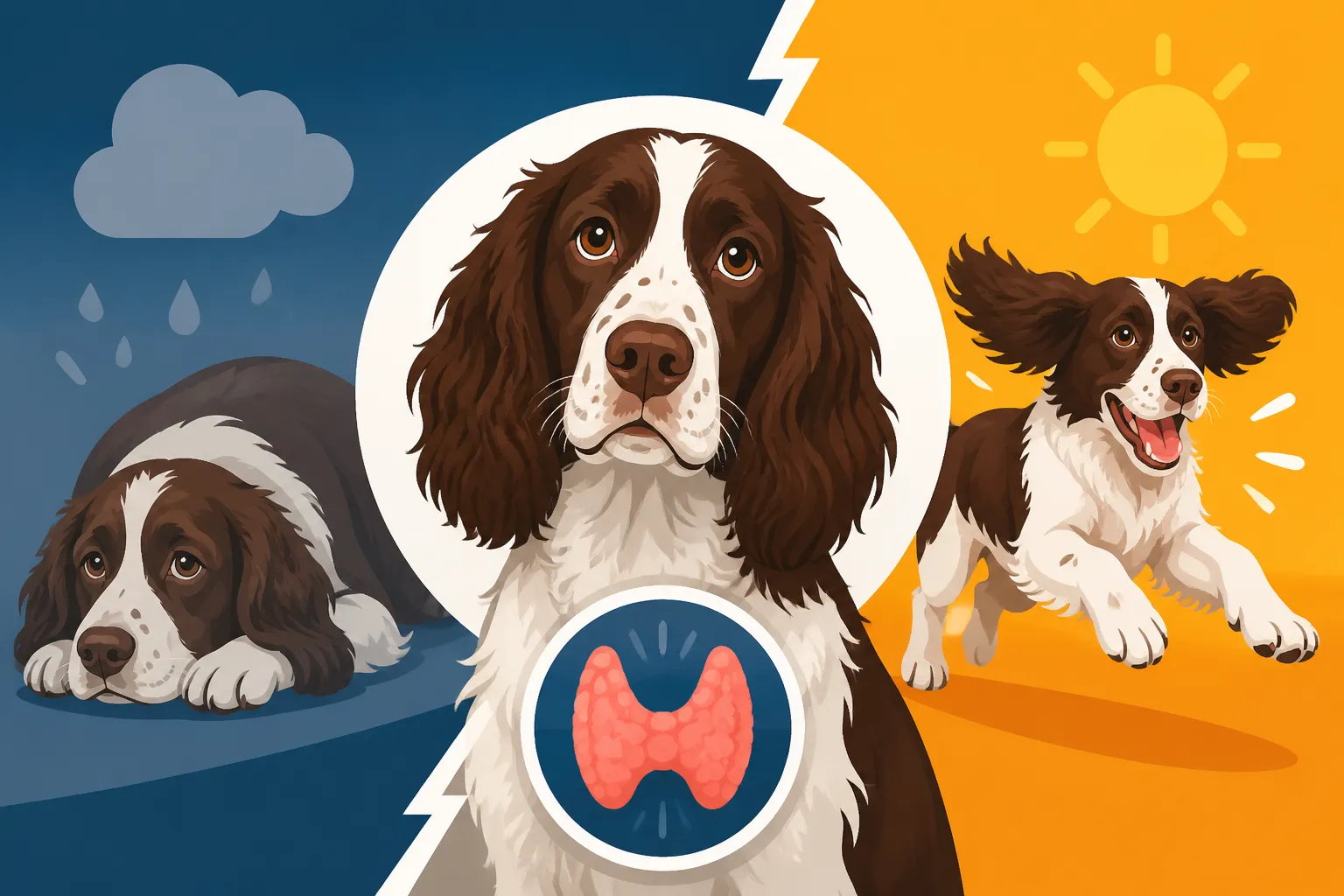
Hypothyroidism occurs when the thyroid gland, located in your dog's neck, doesn't produce enough thyroid hormones (T3 and T4). These hormones are like the body's internal thermostat and accelerator pedal. They regulate metabolism, energy levels, growth, and the function of almost every organ, including the brain and nervous system. When these hormones are in short supply, everything slows down, and this can have far-reaching effects on a dog's physical and mental state. We often associate it with a dog becoming lethargic or gaining weight, but the impact on their emotional regulation can be just as, if not more, distressing for owners.
Imagine feeling constantly exhausted, cold, and mentally foggy – that's a bit like what a hypothyroid dog experiences. This chronic state of physical and mental discomfort can naturally lead to irritability, fear, or a complete shutdown. It’s not a conscious choice on their part; it’s a direct consequence of their body not functioning as it should. Owners sometimes report that their dog seems "off" long before any physical symptoms become obvious, a subtle shift in their usual happy-go-lucky nature.
Why Springer Spaniels Are Particularly Susceptible
English Springer Spaniels, unfortunately, are among the breeds with a higher genetic predisposition to developing hypothyroidism. This means that while any dog can develop it, Springers are just statistically more likely to encounter this particular health challenge in their lifetime. Other breeds commonly affected include Golden Retrievers, Doberman Pinschers, and Irish Setters, highlighting a pattern of certain genetic lines carrying this vulnerability.
The exact reasons for this breed-specific susceptibility aren't always clear-cut, but genetics play a significant role. It often involves an autoimmune condition where the dog's own immune system mistakenly attacks and destroys the thyroid gland. This makes robust health testing by breeders incredibly important, not just for parents but for understanding the history of a line. If you're considering a puppy, asking about The DNA Test That Should Precede Every Springer Spaniel Purchase and specific thyroid health clearances is crucial. Understanding conditions like Whether a Springer Spaniel Gets Autoimmune Disease can shed more light on the broader picture of immune-mediated issues in the breed.
Specific Temperament Changes Triggered by Low Thyroid Function
The behavioral changes associated with hypothyroidism are often subtle at first, escalating over time. They can be incredibly confusing and frustrating for owners who are trying everything they know to manage their dog's behavior, only to find nothing works because the root cause is medical. It’s not about disobedience; it’s about a dog losing the ability to cope.
Uncharacteristic Aggression and Reactivity
One of the most alarming and heartbreaking changes for many Springer Spaniel owners is the onset of uncharacteristic aggression. A previously friendly dog might suddenly growl, snap, or even bite, especially when startled, touched, or approached while eating or resting. This isn't necessarily "rage syndrome," which is a distinct neurological condition, but rather an aggression stemming from chronic anxiety, pain, or an inability to properly process stimuli due to altered brain chemistry.
For instance, your Springer, who used to love greeting guests, might now cower or lash out when someone reaches to pet them. They might become territorial over their space or even their toys, something entirely out of character. This can be particularly confusing because the aggression might seem random or unprovoked, leading to severe misunderstandings between dog and owner. It's a sign that their tolerance for normal interactions has plummeted, and their threshold for feeling threatened has dropped significantly. When you notice Whether a Springer Spaniel's Thyroid Should Be Checked for Aggression, it's important to differentiate it from other aggressive tendencies such as What Sudden Onset Aggression Looks Like in a Springer Spaniel.
Increased Fear, Anxiety, and Phobias
Beyond aggression, hypothyroidism can manifest as a significant increase in fear, general anxiety, and even the development of new phobias. A dog that was once confident and outgoing might become withdrawn, easily startled, and constantly on edge. Loud noises, unfamiliar people, or even benign objects that never bothered them before can suddenly trigger intense fear responses.
You might notice your Springer developing separation anxiety, even if they've never had it before, becoming destructive or vocal when left alone. Some dogs become clingier, while others become avoidant, hiding from family members or retreating to a secluded spot. This heightened state of anxiety is profoundly distressing for the dog and often leads to a cycle of stress for the entire household. It's as if their internal coping mechanisms have been severely compromised, leaving them vulnerable to overwhelming feelings of dread and unease.
Depression, Lethargy, and Loss of Enthusiasm
While not a direct "temperament" change in the aggressive sense, a profound shift toward depression, lethargy, and a general loss of enthusiasm is a common and critical indicator of thyroid disease. Springer Spaniels are renowned for their boundless energy, their joyful "springer bounce," and their eagerness to participate in family activities. When this spark dims, it's a huge red flag.
A hypothyroid Springer might show little interest in walks, playtime, or even food. They might sleep more, move slowly, and appear generally depressed or withdrawn. Their once wagging tail might remain still, and their bright eyes might seem dull or vacant. This isn't just an "old age" slowdown; it's a pathological change. This decrease in vitality can be heartbreaking to witness, as the vibrant dog you knew seems to fade before your eyes. In addition to behavioral changes, you might notice physical signs. For instance, Whether a Springer Spaniel's Coat Thins With Thyroid Disease is a common physical symptom alongside the mental changes.
Navigating Diagnosis and Treatment for Behavioral Shifts
Recognizing these subtle yet significant behavioral changes is the first, crucial step. The next is working closely with your veterinarian to get an accurate diagnosis and start appropriate treatment. This isn't always a straightforward path, as many of these symptoms can mimic other conditions.
The Critical Role of Comprehensive Thyroid Testing
If you suspect thyroid issues are behind your Springer's temperament changes, simply asking for a basic thyroid test might not be enough. Many veterinarians recommend a comprehensive thyroid panel, which measures not just total T4 (the most commonly tested hormone) but also free T4 (the active, unbound form), T3, and thyroid-stimulating hormone (TSH), along with thyroid antibodies. This detailed panel provides a much clearer picture of thyroid function and whether an autoimmune process is at play.
It's vital to discuss all observed behavioral changes, no matter how minor they seem, with your vet. Keep a journal of specific incidents, noting when they occur, what might have triggered them, and how your dog reacted. This detailed information can be invaluable to your vet, helping them connect the dots. Remember, early symptoms can be vague, so your observations are key. When your vet orders blood work, it's a good idea to ensure it's a full panel to detect issues like Signs a Springer Spaniel's Thyroid Has Failed.
The Road to Recovery: Medication and Monitoring
The good news is that hypothyroidism is highly treatable with daily medication, typically a synthetic thyroid hormone like levothyroxine. This medication is relatively inexpensive and usually given for the remainder of the dog's life. However, consistency is paramount. Missing doses or giving them irregularly can hinder recovery.
Once treatment begins, you might notice physical improvements, such as increased energy and a healthier coat, relatively quickly – sometimes within a few weeks. Behavioral changes, however, often take longer to resolve. It can take several weeks to months for brain chemistry to rebalance and for your Springer to regain their confidence and usual disposition. Patience is key. Your vet will need to perform follow-up blood tests regularly, usually every 6-8 weeks initially, to ensure the dosage is correct and adjust it as needed. This ongoing monitoring ensures your Springer receives the optimal level of hormones to thrive. Pet insurance providers like Healthy Paws can often help cover these ongoing diagnostic and medication costs, making long-term care more manageable.
Long-Term Management and Supporting Your Springer's Emotional Well-being
Even after diagnosis and starting medication, managing a Springer Spaniel with thyroid-induced temperament changes requires ongoing commitment. It's not just about the pill; it's about creating an environment where they can continue to heal and flourish.
Holistic Approaches Alongside Medical Treatment
While medication is the cornerstone of treating hypothyroidism, it's important to support your Springer's overall well-being. This can include maintaining a consistent routine, providing a calm and predictable environment, and engaging in positive reinforcement training. For dogs who developed severe anxiety or fear, working with a certified professional dog trainer or veterinary behaviorist can be incredibly beneficial. They can help implement behavior modification techniques to rebuild confidence and teach coping mechanisms.
Consider dietary adjustments if your vet recommends them, focusing on high-quality nutrition. Ensuring regular, appropriate exercise is also vital, as physical activity can positively impact mood and reduce stress. If your Springer developed fear-based reactions, gently reintroducing them to situations they now find frightening, always staying below their threshold for stress, can help them re-learn that the world is safe. Remember the adage that a The Soft Springer Spaniel That Shuts Down If You Shout needs gentle guidance, not harsh corrections, especially when recovering from a medical condition that impacted their mental state.
Planning for the Future: Costs and Considerations
Living with a dog requiring lifelong medication means budgeting for these ongoing expenses. The cost of levothyroxine is generally affordable, but combined with regular vet check-ups and thyroid panel rechecks, it can add up over time. This is where pet insurance can be a real lifeline. Companies like Healthy Paws offer plans that can cover a significant portion of diagnostic tests, prescription medications, and specialist visits related to chronic conditions like hypothyroidism. It’s worth looking into What Insuring a Springer Spaniel Runs early in your dog’s life to ensure pre-existing conditions are covered should something like thyroid disease arise.
Additionally, understanding the breed's general health profile can help you prepare. While you're focusing on thyroid issues, remember to stay vigilant about other common Springer Spaniel ailments. Conditions like Hip Dysplasia in a Springer Spaniel or chronic ear infections, explored in topics like Why a Springer Spaniel's Ears Are Never Quite Healthy, can also affect their comfort and indirectly impact their mood and willingness to engage. A holistic approach to their health will always yield the best results for their physical and emotional happiness throughout their The Twelve to Fourteen Years a Springer Spaniel Lives.
| Temperament Change | Potential Hypothyroidism Link | What to Observe |
|---|---|---|
| Aggression | Increased irritability, pain response, altered brain chemistry | Snapping, growling, resource guarding, sudden reactivity to touch or approach |
| Fear/Anxiety | Heightened stress response, inability to cope, feeling vulnerable | Hiding, trembling, clinginess, new phobias (e.g., thunderstorms), separation anxiety |
| Lethargy/Depression | Low energy, metabolic slowdown, reduced neurological function | Lack of interest in play/walks, excessive sleeping, dull expression, slow movements |
| Compulsive Behaviors | Neurochemical imbalance, attempt to self-soothe | Excessive licking (paws, flanks), tail chasing, flank sucking |
| Submissive Urination | Increased fear and anxiety, difficulty regulating emotions | Urinating when greeted, startled, or nervous |
Disclaimer
This guide provides general information about how thyroid disease can impact a Springer Spaniel's temperament and is not a substitute for professional veterinary advice. If you observe any concerning changes in your dog's health or behavior, please consult your veterinarian immediately for an accurate diagnosis and personalized treatment plan.