Whether a Springer Spaniel’s Coat Thins With Thyroid Disease
It’s a heartbreaking sight for any English Springer Spaniel owner: that once-lustrous, vibrant coat, a hallmark of the breed's beauty, suddenly appears dull, brittle, and sparse. When you notice your beloved Springer’s magnificent feathering thinning, or their back coat becoming patchy, it’s natural to feel a knot of worry in your stomach. This guide will walk you through the undeniable link between a Springer Spaniel’s coat health and thyroid disease, helping you understand the symptoms, diagnosis, and what you can do to support your furry companion.
Understanding Hypothyroidism in English Springer Spaniels
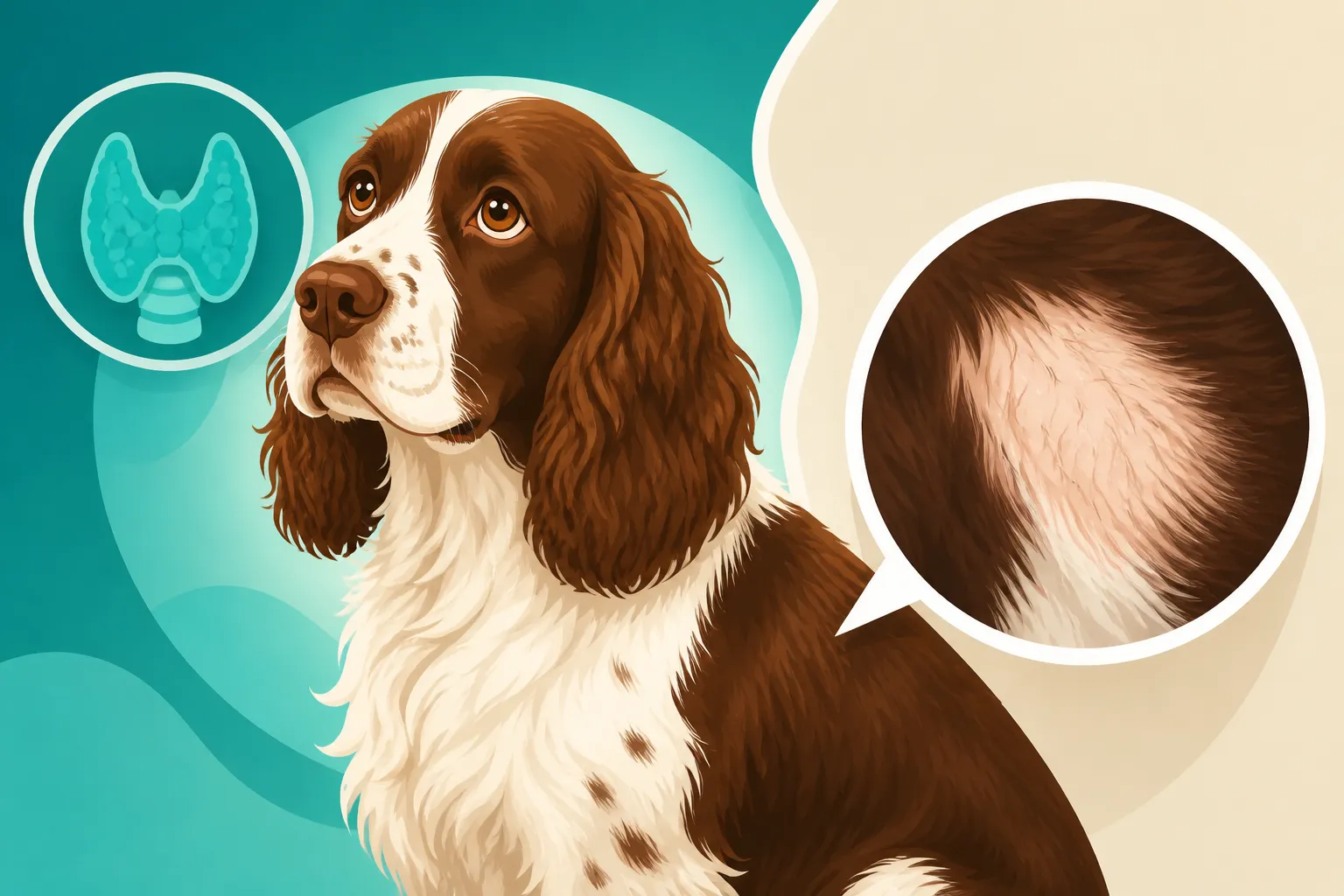
Thyroid disease, specifically hypothyroidism, is far more common in dogs than many owners realize, and our beloved Springer Spaniels are among the breeds with a higher predisposition. It's not just a minor health hiccup; it's a systemic problem that affects nearly every organ and metabolic process in their body. When the thyroid gland, located in your dog's neck, isn't producing enough essential hormones (primarily thyroxine or T4), their entire system slows down, leading to a cascade of noticeable changes.
The thyroid acts like the body's internal thermostat and pace-setter. It regulates metabolism, which in turn impacts everything from energy levels to body temperature, and yes, even the health and growth cycle of hair follicles. When those hormones are deficient, the processes slow to a crawl, and one of the first places many owners notice the effects is on their dog's beautiful coat. It’s a frustrating and often perplexing issue, especially because the changes can be gradual, making them hard to pinpoint initially. You might just think your dog is "getting old" or "shedding more," when in reality, something more serious is at play. If you're wondering Whether a Springer Spaniel Gets Hypothyroidism, the answer is a resounding yes, and it’s something every owner should be aware of.
The Unmistakable Signs: Beyond Just a Thinning Coat
While a thinning, dry, or brittle coat is a classic sign of hypothyroidism in Springer Spaniels, it’s rarely the only one. These conditions often manifest as a constellation of symptoms, which, when put together, paint a clearer picture for your veterinarian. Recognizing these other indicators is crucial, as they can help confirm your suspicions and prompt a timely vet visit.
Changes in Coat Quality and Skin Health
The coat changes themselves are often quite distinctive. You might notice not just thinning, but also an overall dullness, as if your Springer’s coat has lost its shine and vitality. The hair might feel coarse or dry to the touch, and you might see excessive shedding that seems out of season or more severe than usual. A particularly tell-tale sign is what veterinarians sometimes call a "rat tail"—where the fur on the tail thins dramatically, often leaving it looking bare and lifeless, especially on the underside. Beyond the hair itself, the skin underneath can suffer. You might see increased dandruff, a greasy or flaky texture, or even develop secondary bacterial skin infections (pyoderma) or yeast infections, often accompanied by an unpleasant odor. This is because the skin's natural barrier function is compromised due to the slower metabolic rate. It’s a vicious cycle where the poor coat traps moisture and irritants, exacerbating skin issues. Understanding The Skin Under a Springer Spaniel's Coat is essential, as underlying skin problems can also point to systemic issues.
Behavioral and Physical Shifts
Beyond the skin and fur, hypothyroidism impacts your Springer Spaniel's energy levels and overall demeanor. One of the most common complaints is lethargy and a noticeable decrease in activity. Your once boisterous, go-get-’em Springer might become sluggish, less interested in walks or play, and spend more time sleeping. This isn't just "slowing down with age"; it's a genuine systemic slowdown. Many owners also report inexplicable weight gain, despite no changes in diet or exercise, because their metabolism isn't burning calories efficiently.
Another frequently observed symptom is an intolerance to cold. Your Springer might seek out warm spots more often, shiver even in moderate temperatures, or just seem generally uncomfortable when it’s chilly outside. Swelling of the face, sometimes described as a "tragic facial expression" due to a thickening of facial skin, can also occur. In some cases, though less common, hypothyroidism can even lead to subtle neurological signs or, as we discuss in Whether Thyroid Disease Changes a Springer Spaniel's Temperament, shifts in personality, like increased anxiety or even aggression. It’s a wide range of symptoms, and seeing several of these together should definitely prompt a visit to your vet to investigate Signs a Springer Spaniel's Thyroid Has Failed.
Diagnosing and Managing Thyroid Disease
Spotting these signs is the first crucial step, but only your veterinarian can accurately diagnose hypothyroidism and set up a proper treatment plan. The diagnosis process usually involves a combination of physical examination and blood tests, followed by a lifelong commitment to medication and monitoring. It can feel daunting, but managing this condition is generally straightforward once diagnosed.
The Diagnostic Journey
When you bring your Springer in with suspected thyroid issues, your vet will perform a thorough physical examination, looking for many of the symptoms we’ve discussed. The definitive diagnosis, however, comes from blood work. Typically, your vet will start with a basic thyroid panel, which usually includes measuring total T4 (thyroxine) levels. However, T4 levels can be influenced by many factors, including other illnesses or certain medications. For a more accurate picture, vets often recommend a more comprehensive panel, which might include free T4 (FT4) and TSH (thyroid-stimulating hormone) levels.
A low T4 combined with a high TSH is a strong indicator of primary hypothyroidism, which is the most common form in dogs. This essentially means the thyroid gland itself isn't producing enough T4, and the pituitary gland (which produces TSH) is working overtime trying to stimulate it. Sometimes, a full thyroid panel will also include autoantibodies against thyroid hormones or thyroid tissues. These autoantibodies can indicate an autoimmune form of thyroiditis, which is common in predisposed breeds and can eventually lead to the destruction of the thyroid gland. It's vital to discuss all options and potential influencing factors with your vet, as accurate diagnosis prevents unnecessary medication and ensures your Springer gets the right care. This is also where investing in a comprehensive pre-purchase health panel, like The DNA Test That Should Precede Every Springer Spaniel Purchase, can be insightful for understanding your dog's genetic predispositions early on.
Lifelong Treatment and Monitoring
Once diagnosed, hypothyroidism is typically managed with daily oral medication, usually synthetic levothyroxine (a synthetic form of T4). The good news is that this medication is generally very effective, and most dogs respond incredibly well to treatment. It's a lifelong commitment, but the improvements in your Springer’s quality of life are usually dramatic and well worth the effort. The dosage will be tailored to your dog's weight and individual needs, and your vet will schedule follow-up blood tests, usually a few weeks after starting medication, to ensure the levels are within the optimal range. This is called a "recheck," and it helps fine-tune the dosage.
After the initial stabilization period, your Springer will likely need blood tests once or twice a year to monitor their thyroid levels and ensure the medication is still effective. It’s a chronic condition, but a manageable one. Consistency with medication is key; missing doses can cause symptoms to recur. When considering the long-term implications, understanding What a Springer Spaniel's Vet Bills Look Like for ongoing conditions becomes important, and this is where pet insurance, like a policy from Healthy Paws, can really make a difference by helping to cover the costs of these regular tests and medications. It’s a relief to know you won’t have to choose between your dog's health and your wallet.
Caring for Your Springer's Coat and Overall Health
Managing hypothyroidism isn’t just about the medication; it’s about a holistic approach to your Springer Spaniel’s well-being. Once their thyroid levels are regulated, you’ll typically see their energy return, their weight stabilize, and their coat begin to regain its former glory. However, a little extra care can go a long way in supporting their recovery and maintaining their health.
Supporting Coat Recovery and Skin Health
As your Springer starts on levothyroxine, you’ll likely begin to see improvements in their coat within a few weeks to a couple of months. New hair growth will often be evident, and the existing coat should feel softer and look shinier. To help this process along, regular grooming is still important. Gently brushing your Springer several times a week can stimulate circulation to the skin and help remove dead hair, encouraging healthy new growth. Using a high-quality shampoo and conditioner specifically formulated for sensitive skin or dry coats can also be beneficial, especially if they developed secondary skin issues.
If your Springer has particularly dry or flaky skin, your vet might recommend specific medicated shampoos or supplements rich in omega-3 fatty acids, which are known to support skin and coat health. Be patient, as significant coat regrowth can take several months. It's a marathon, not a sprint, but the transformation can be incredibly rewarding. Remember that even with treatment, their body needs time to reset and rebuild healthy hair follicles.
Diet, Exercise, and Overall Lifestyle Adjustments
With their metabolism normalizing, your Springer Spaniel's energy levels will likely rebound, and they'll be eager for more activity. Consistent exercise is crucial, not only for maintaining a healthy weight but also for their mental stimulation. Springers are naturally active dogs, and even if they've been lethargic due to low thyroid, they still retain that intrinsic need for a good romp. Consider their age and physical condition – if they’re an older Springer, you might need to adjust their exercise routine, as outlined in Caring for a Springer Spaniel Past Nine.
Diet plays a significant role too. While there’s no specific “thyroid diet,” feeding a high-quality, balanced dog food is always recommended. If weight gain was an issue, your vet might suggest a prescription weight management diet or simply adjusting portion sizes. Healthy Paws, which some dog owners rely on for veterinary costs, reminds us that preventive care, including a good diet and appropriate exercise, is fundamental to long-term health. A happy, healthy Springer is one whose The Daily Routine a Springer Spaniel Actually Needs is met with consistent care and attention. Understanding The Average Age a Springer Spaniel Reaches also helps contextualize the long-term management of chronic conditions like hypothyroidism, as these dogs live for many years requiring dedicated care.
When to Seek Veterinary Attention
It’s easy to dismiss subtle changes in your dog as just part of getting older, but with a breed like the English Springer Spaniel, known for their boundless energy and magnificent coats, significant shifts warrant a closer look. If you notice any of the symptoms discussed—persistent coat thinning, dullness, excessive shedding, dry or flaky skin, lethargy, unexplained weight gain, or an increased sensitivity to cold—it’s always best to consult your veterinarian. Early diagnosis and treatment of hypothyroidism can prevent the progression of symptoms and significantly improve your Springer’s quality of life. Don't wait until the symptoms are severe; a simple blood test can provide invaluable answers and set your beloved companion on the path to recovery. Pet insurance, like that offered by Healthy Paws, can alleviate financial concerns that might delay these critical veterinary visits, ensuring your Springer Spaniel gets the care they need without hesitation. Knowing What Insuring a Springer Spaniel Runs can offer peace of mind when facing chronic conditions.
| Symptom Category | Signs of Hypothyroidism | Other Potential Causes (for comparison) |
|---|---|---|
| Coat & Skin | Thinning coat, dull, brittle, dry, excessive shedding | Poor nutrition, allergies, parasites, Cushing's disease |
| "Rat tail" (bare tail), greasy/flaky skin, dandruff, recurrent infections | Allergies, seborrhea, environmental irritants | |
| Energy & Weight | Lethargy, decreased activity, increased sleeping | Old age, arthritis, heart disease, obesity |
| Unexplained weight gain despite normal eating | Overfeeding, lack of exercise, other metabolic disorders | |
| Temperature | Cold intolerance, seeking warm spots | Arthritis (reluctance to move), general discomfort |
| Behavioral | Depression, dullness, occasionally aggression, anxiety | Pain, neurological issues, age-related cognitive decline, behavioral problems |
Disclaimer
The information provided in this article is for general educational purposes only and is not a substitute for professional veterinary advice. Always consult with a qualified veterinarian for any health concerns or before making any decisions related to your pet's health or treatment.