The Average Age a Springer Spaniel Reaches
It's heartbreaking to even think about, but one of the biggest questions on any Springer Spaniel owner's mind is how long we get to share our lives with these incredible dogs. We want to know what to expect, how to give them the best chance at a long, healthy life, and how to spot the signs that they might be slowing down. This guide is all about diving deep into the lifespan of your beloved Springer, covering the typical age range, what influences their longevity, and how you can play an active role in keeping them thriving for as many years as possible.
Understanding the Springer Spaniel Lifespan
When you welcome a Springer Spaniel into your home, you're not just getting a dog; you're gaining a family member, a shadow, a furry companion whose presence fills every room. Naturally, we all hope for as many years as possible with them, and understanding their typical lifespan is the first step in preparing for that journey.
The Typical Lifespan Window
For most English Springer Spaniels, the average lifespan generally falls within a range of 12 to 14 years. Now, I know what you're thinking – "average" can feel like such a cold, clinical word when you're talking about a living, breathing being you adore. But it gives us a good benchmark, a common expectation based on countless Springers before them. It means that while some might, unfortunately, leave us sooner, others bless us with their presence well into their mid-teens, defying the statistics with their vibrant spirit. This range, The Twelve to Fourteen Years a Springer Spaniel Lives, truly highlights the potential you have with a well-cared-for Springer.
It's important to remember that this "typical" window isn't a hard and fast rule carved in stone. It's a spectrum, and where your individual dog falls on that spectrum is influenced by a myriad of interconnected factors. Just like with people, every dog is an individual with a unique genetic makeup and a unique set of life experiences.
This breed is known for its robust health and incredible athleticism, traits that certainly contribute to their potential for a good, long life. They aren't prone to some of the extreme structural issues that can plague other breeds, which often leads to a more physically active and, by extension, healthier existence for many years.
Factors Influencing Longevity
So, what are those myriad factors that nudge a Springer Spaniel towards the higher end of that 12-14 year scale, or, conversely, might bring their journey to a close a little sooner? It’s a complex tapestry woven from genetics, environment, lifestyle choices, and the quality of care they receive throughout their lives. Understanding these can empower you to make informed decisions for your furry friend.
Firstly, genetics play an undeniable role. A Springer Spaniel from a reputable breeder who prioritizes health testing is already starting with a significant advantage. This means parents have been screened for common inherited conditions like PFK Deficiency, Fucosidosis, and hip and elbow dysplasia, minimizing the chances of these issues impacting their offspring. This proactive approach by breeders is why The DNA Test That Should Precede Every Springer Spaniel Purchase is so crucial, as it can literally determine the health trajectory of a puppy from day one.
Beyond genetics, their daily life environment is paramount. This includes everything from the food they eat to the amount of exercise they get, and even the emotional stability of their home. A dog living in a clean, safe home, with consistent routines and plenty of positive interaction, is generally going to fare better than one exposed to chronic stress, neglect, or hazardous conditions. Even seemingly small details, like preventing exposure to toxins or ensuring they have a secure yard to play in, contribute to their overall safety and well-being.
Common Health Challenges Affecting Lifespan
No matter how much we wish for it, no dog breed is entirely immune to health issues, and Springer Spaniels, despite their generally robust nature, have their own set of challenges. Being aware of these common health problems can help you be proactive in managing them, potentially extending and improving your dog's quality of life.
Genetic Predispositions
Unfortunately, some health challenges are hardwired into a breed's genetic code, passed down through generations. For Springer Spaniels, there are a few notable genetic conditions that owners should be aware of, as they can significantly impact both quality and length of life. One of the most serious is Fucosidosis, a devastating neurological disorder that leads to severe decline. Knowing What Fucosidosis Does to a Springer Spaniel and recognizing its early signs is vital, though sadly, there is no cure.
Another inherited metabolic condition is PFK Deficiency (Phosphofructokinase Deficiency), which affects a dog's red blood cells and their ability to metabolize glucose for energy. Dogs with PFK Deficiency can experience muscle weakness, anemia, and collapse, especially after exercise. If you're seeing signs of this, it's worth reading about PFK Deficiency and the Springer Spaniel That Collapses After Exercise to understand the nuances of the condition. While these are less common due to responsible breeding practices, they highlight the importance of genetic testing.
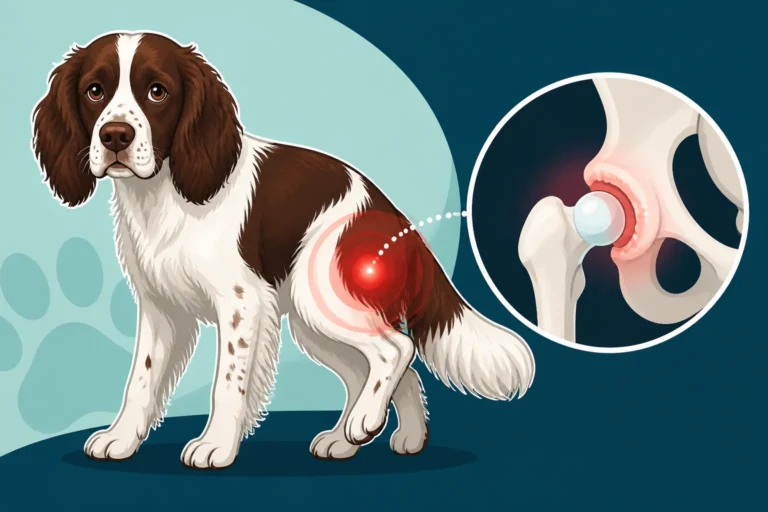
Beyond these more severe conditions, orthopedic issues like Hip Dysplasia in a Springer Spaniel can also impact a dog's mobility and comfort, particularly as they age. While not typically fatal, severe hip dysplasia can lead to chronic pain and reduced activity, which can indirectly affect overall health and well-being. Early diagnosis and management, often including pain relief, physical therapy, and sometimes surgery, are crucial for maintaining a good quality of life.
Acquired Conditions and Environmental Risks
Not all health problems are inherited; many develop over a dog's lifetime due to environmental factors, diet, accidents, or just plain bad luck. These acquired conditions can range from chronic nuisances to life-threatening emergencies, and recognizing them early is key to effective treatment.
One very common complaint among Springer Spaniel owners is ear infections. Their lovely long, pendulous ears, while beautiful, create a warm, moist environment perfect for bacteria and yeast to flourish. This makes them highly susceptible to recurrent infections, which can be uncomfortable and, if left untreated, lead to chronic ear disease, pain, and even deafness. It’s a constant battle for many owners, underscoring Why a Springer Spaniel's Ears Are Never Quite Healthy. Regular cleaning and vigilance are essential in managing this pervasive issue.
As dogs age, just like humans, they become more susceptible to certain diseases. Cancer is a leading cause of death in older dogs across many breeds, and Springers are no exception. Which Cancers Springer Spaniels Get can vary, but common types include lymphoma, hemangiosarcoma, and various carcinomas. Regular vet check-ups become even more critical in their senior years to catch any suspicious lumps or changes early, offering the best chance for intervention. Unexpected illnesses or accidents can also pop up at any time, and having a plan in place, perhaps with pet insurance like Healthy Paws, can alleviate the stress of high-cost emergency treatments.
Nurturing Longevity: Practical Steps for Owners
While genetics lay the foundation, the daily care and choices you make for your Springer Spaniel have a profound impact on their overall health and how long they stay by your side. You are their primary caregiver, advocate, and source of comfort, and your dedication can truly shape their future.
Preventative Care and Regular Vet Visits
One of the most powerful tools you have in promoting your Springer's longevity is consistent, proactive veterinary care. This isn't just about rushing to the vet when something is wrong; it's about preventing problems before they start or catching them in their earliest, most treatable stages. Annual wellness exams, for instance, allow your veterinarian to conduct a thorough physical, assess any changes, and keep vaccinations up to date. This regular monitoring can spot subtle shifts in weight, lumps, dental issues, or changes in organ function that might otherwise go unnoticed.
Beyond yearly check-ups, regular parasite prevention – for fleas, ticks, and heartworm – is non-negotiable. These tiny invaders can transmit serious diseases that compromise your dog's health and even shorten their life. Dental care is another often-overlooked aspect of preventative health. Plaque and tartar buildup can lead to gum disease, which not only causes pain and tooth loss but can also allow bacteria to enter the bloodstream, affecting vital organs like the heart, kidneys, and liver. Regular brushing and professional dental cleanings are just as important for your Springer as they are for you. When unexpected health concerns do arise, having a reliable pet insurance plan, such as one from Healthy Paws, can be a game-changer, ensuring you can make treatment decisions based on what’s best for your dog, not just your budget.
Nutrition and Exercise for a Long Life
Fueling your Springer Spaniel with the right nutrition and providing them with adequate, appropriate exercise are cornerstones of a long and vibrant life. These aren't just recommendations; they are fundamental requirements for a breed as active and intelligent as the Springer.
First, let's talk about food. A high-quality diet, appropriate for your dog's age, activity level, and any specific sensitivities, is crucial. Avoid generic, filler-laden foods. Instead, look for diets with named meat sources as the primary ingredients and balanced nutrients. Portion control is equally important. Springer Spaniels love their food, and it's all too easy for them to become overweight. Obesity puts immense strain on their joints, contributes to heart disease, diabetes, and generally shortens their lifespan. Regularly assess your dog's body condition – you should be able to feel their ribs without pressing hard, and they should have a discernible waist.
Exercise for a Springer Spaniel is not a suggestion; it's a necessity. These dogs were bred to work tirelessly in the field, and that instinctual drive for activity remains strong, whether they are a field or show line. Understanding How Much Exercise a Field Bred Springer Spaniel Needs versus How Much Exercise a Show Bred Springer Spaniel Needs is vital. While field-bred Springers typically demand more intense, consistent work, even show lines require significant daily activity to prevent boredom and physical decline. This means daily brisk walks, runs, fetch sessions, or even swimming. Lack of exercise not only leads to physical issues but also behavioral problems, which can indirectly impact their well-being and, therefore, their longevity.
Mental Well-being and Enrichment
A long life isn't just about physical health; it's profoundly influenced by a dog's mental and emotional state. Springer Spaniels are highly intelligent, sensitive, and deeply attached to their families. Neglecting their mental well-being can lead to stress, anxiety, and destructive behaviors that diminish their quality of life.
Mental stimulation is just as important as physical exercise for a Springer. They thrive on having a "job" to do, whether that's scent work, advanced obedience training, puzzle toys, or even just learning new tricks. Engaging their minds prevents boredom, keeps them sharp, and reinforces their bond with you. Without adequate mental outlets, a Springer can become frustrated, leading to issues like excessive barking, chewing, or even anxiety.
Furthermore, Springer Spaniels are true "velcro dogs" – they want to be with their people. They were bred to work closely with hunters, and that desire for companionship is deeply ingrained. Socialization from a young age and consistent positive interaction throughout their lives are vital. Leaving a Springer alone for long stretches without adequate preparation or enrichment can lead to separation anxiety, a distressing condition for both dog and owner. A stable, loving, and engaging home environment reduces stress, fosters a sense of security, and ultimately contributes to a happier, healthier, and potentially longer life for your cherished companion.
Recognizing the Signs of Aging and End-of-Life Care
It's a tough truth, but our Springers will eventually grow old. Understanding the signs of aging and knowing how to adapt their care can make their senior years comfortable and dignified. It's about recognizing the natural progression and adjusting our expectations and routines to meet their changing needs.
Changes to Expect in a Senior Springer
The journey into seniorhood is a gradual one, and for a Springer Spaniel, The Age a Springer Spaniel Counts as a Senior typically begins around 9 or 10 years old, though it can vary. Just like people, some dogs show their age sooner than others. One of the most obvious signs is a general slowing down. They might not chase balls with the same frantic energy, walks might become shorter or less enthusiastic, and they'll likely spend more time napping. Their muzzle might start to whiten, especially if they have black markings, and their coat might thin or become coarser.
Beyond the physical, you might notice behavioral changes. They may become less tolerant of boisterous young dogs, more sensitive to loud noises, or develop changes in their sleep patterns, perhaps waking up more at night. Some senior Springers can even experience cognitive decline, similar to dementia in humans. This might manifest as disorientation in familiar surroundings, staring blankly at walls, or a decrease in interaction. If you're wondering Whether an Old Springer Spaniel Gets Confused, remember that these signs warrant a vet visit to rule out other medical causes and discuss supportive care options.
Their senses might also diminish. Hearing loss is common, as is a decrease in eyesight, which can make them more hesitant in new environments or at night. They might bump into things or startle more easily if you approach them from behind. These changes aren't always immediate or drastic, but rather a slow accumulation that requires careful observation from their devoted owners.
Supporting Your Senior Springer
Just because your Springer is slowing down doesn't mean their quality of life has to diminish. In fact, their senior years can be incredibly rich and fulfilling with a few thoughtful adjustments to their care. This period is a true test of our commitment, offering a chance to give back all the love and companionship they've provided over the years. Caring for a Springer Spaniel Past Nine becomes a priority, focusing on comfort, accessibility, and managing age-related health issues.
One of the most important aspects of supporting a senior Springer is managing joint pain and mobility issues. Arthritis is common, and comfortable bedding – orthopedic beds are a godsend – can make a huge difference. Ramps can help them get onto couches or into cars without stressing aching joints, and their exercise routine might need to be modified to shorter, gentler walks rather than long, strenuous hikes. Your vet might recommend joint supplements, anti-inflammatory medications, or even physical therapy to keep them as comfortable and mobile as possible.
Dietary adjustments are often necessary. Senior dogs may need fewer calories to prevent weight gain as their metabolism slows, or they might benefit from specialized senior diets formulated with ingredients that support joint health and cognitive function. Dental care remains crucial, as comfortable eating is vital. More frequent veterinary check-ups are also highly recommended. These allow your vet to monitor chronic conditions, adjust medications, and catch any new issues early. Many owners find that investing in pet insurance, even for older dogs, can be incredibly helpful during this stage, as What a Springer Spaniel's Vet Bills Look Like for a senior dog can increase significantly, and a plan from Healthy Paws can help cushion the financial impact of their increased needs.
Making Difficult Decisions
This is perhaps the hardest section to write, and certainly the hardest reality any dog owner faces. Despite our best efforts and all the love we pour into them, there comes a time when we must confront the decline of our beloved companions. Recognizing when a Springer Spaniel's quality of life has diminished to a point where intervention is no longer humane is an act of profound love.
It's a decision fraught with emotion and guilt, and there's no single right answer or easy formula. However, honest conversations with your veterinarian are paramount. They can help you assess their pain levels, comfort, and the progression of any illnesses. Asking yourself tough questions, like whether they still enjoy their favorite activities, if they are able to eat and drink comfortably, or if they have more good days than bad, can guide you. It's helpful to understand What Springer Spaniels Actually Die Of to prepare yourself for potential health challenges, but the individual journey of your dog is what truly matters.
Sometimes, despite all possible medical interventions, the kindest choice we can make for our suffering companions is to help them cross the rainbow bridge peacefully. This decision is deeply personal, often shared with family, and always made with the dog's best interest at heart. The grief is immense, but knowing you provided comfort and released them from suffering is the final, most selfless act of love you can offer your cherished Springer Spaniel.
Springer Spaniel Lifespan and Health Factors Summary
Understanding the various elements that contribute to your Springer Spaniel's lifespan can help you be a more informed and proactive owner. This table summarizes some key factors and their general impact on a Springer Spaniel's journey through life.
| Factor | Impact on Lifespan | Notes |
|---|---|---|
| Genetics & Breeding | Significant | Responsible breeders screen for conditions like Fucosidosis, PFK Deficiency, hip, and elbow dysplasia. |
| Nutrition | High | Quality, balanced diet; appropriate portion sizes to prevent obesity; specific diets for age/health needs. |
| Exercise & Activity | High | Daily physical and mental stimulation suited to individual dog's type (field vs. show) and age. Prevents boredom and obesity. |
| Preventative Vet Care | High | Annual exams, vaccinations, parasite control, dental care, early detection of issues. |
| Environmental Safety | Moderate to High | Safe home, avoidance of toxins and hazards, secure containment, preventing accidents. |
| Stress & Mental Health | Moderate | Stable, loving home; adequate mental enrichment; management of separation anxiety or other behavioral issues. |
| Chronic Illnesses | Variable (manageable) | Conditions like allergies, ear infections, hypothyroidism, and arthritis require ongoing management and can be costly. |
| Major Diseases | High (can be sudden/severe) | Cancers, severe organ failure, neurological disorders. Early detection and treatment (often supported by pet insurance) are crucial. |
This article is for general informational purposes only and does not constitute professional advice. Laws, prices and regulations vary by location and change over time. Consult a qualified professional for guidance on your specific situation.