What Sudden Onset Aggression Looks Like in a Springer Spaniel
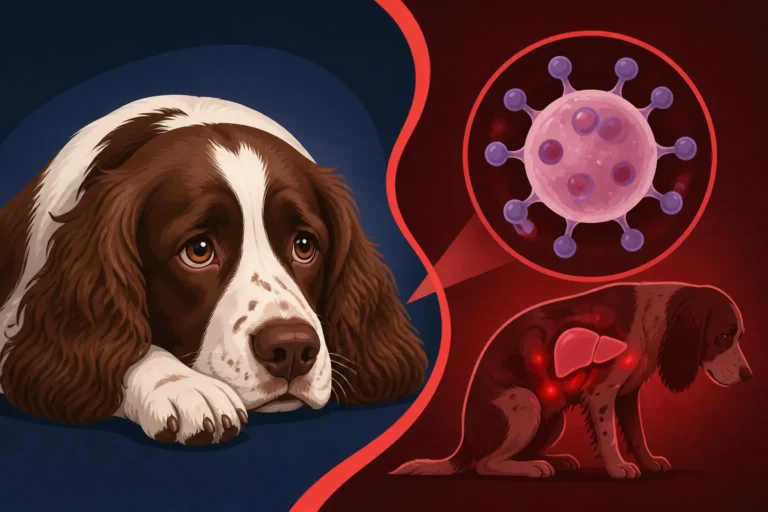
It's an utterly heartbreaking and frankly terrifying experience when your beloved English Springer Spaniel, a breed known for its exuberant, loving nature, suddenly snaps without warning. One moment, they're cuddled up beside you or happily playing, and the next, they've transformed into a snarling, biting dog, seemingly out of nowhere. This guide is here to shed light on what sudden onset aggression, often referred to as "Rage Syndrome" in Springer Spaniels, actually looks like, helping you understand this bewildering and distressing condition.
Unpacking Sudden Onset Aggression in Springer Spaniels
The term "Rage Syndrome" immediately conjures up images of out-of-control fury, and for good reason. For owners witnessing it, it’s exactly that – an episode of extreme, unprovoked aggression that appears without any logical preceding trigger or warning signs that you'd typically expect from a dog. It's not your average growl over a prized toy or a snap when pain is involved; this is an entirely different beast, one that leaves owners stunned and often injured.
Defining What "Sudden Onset" Truly Means
When we talk about sudden onset aggression in a Springer Spaniel, we're talking about a quick, explosive switch in behavior. It's often characterized by an immediate escalation from a calm state to intense aggression – snarling, growling, lunging, and biting – often without the typical pre-aggression body language cues like stiffening, direct staring, or lip licking that dogs usually display. This lack of warning is what makes it so profoundly unsettling and dangerous. The dog doesn't seem to be giving you a chance to de-escalate the situation; it just erupts.
Imagine your Springer Spaniel resting peacefully on the sofa, perhaps even dozing. You reach out to gently stroke their head, a routine gesture of affection you've done a thousand times. Suddenly, their eyes glaze over, their body tenses, and they lash out with an intensity that seems utterly alien. There’s no growl leading up to it, no subtle shift in posture; it's an instantaneous, violent reaction. This rapid, uncharacteristic shift is the hallmark of what many refer to as "Rage Syndrome" in an English Springer Spaniel. It's like a circuit breaker has blown in their brain, momentarily disconnecting their usual gentle personality.
Distinguishing It from Typical Canine Behavioral Problems
It's absolutely crucial to understand that sudden onset aggression, or Rage Syndrome, isn't the same as a dog displaying resource guarding, fear aggression, or even territorial behavior. Those are usually predictable, context-driven, and often come with a clear escalation ladder of canine communication. A dog guarding its food bowl will typically show warning signs before biting if you approach, giving you a chance to back off. A dog afraid of strangers might cower, bark, or snap when cornered, but its body language usually telegraphs its fear.
Rage Syndrome, however, defies these norms. The aggression often seems devoid of context or identifiable motivation. It might occur during a quiet moment, or during playful interaction, or even when being petted. There's no clear "why" from an external observer's perspective, which is what makes it so baffling and difficult to manage using traditional behavior modification techniques. The dog isn't trying to communicate something; it's experiencing a profound internal malfunction. This lack of clear motivation is why a diagnosis can be so complex and why many owners initially dismiss it as a training issue, only to find that conventional methods utterly fail.
The Frightening Signs of a Rage Episode
When a Springer Spaniel experiences a sudden onset aggression episode, the signs are unmistakable and deeply disturbing. It's not a playful nip or a minor growl; it's a full-blown, intense display of aggression that can feel completely out of character for these typically sweet-natured dogs. Owners often describe a feeling of betrayal, of looking into the eyes of a stranger.
The Immediate Transformation: Glazed Eyes and Body Stiffening
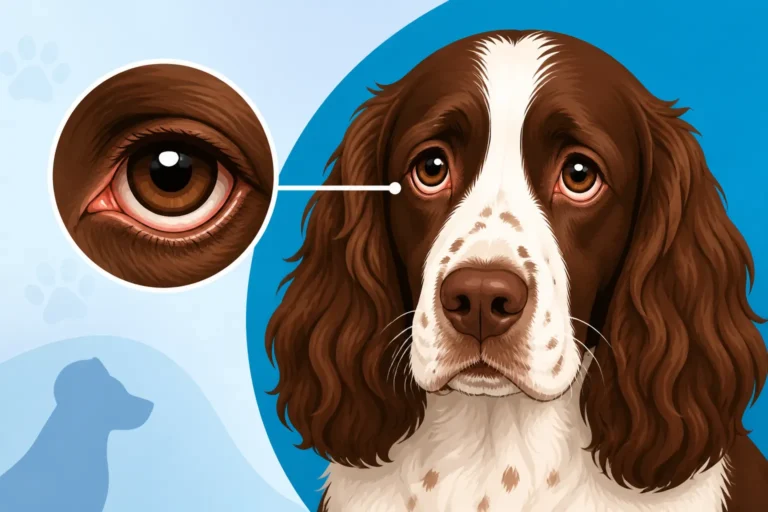
One of the most commonly reported signs during a "Rage" episode is a distinct change in the dog's demeanor, almost as if they've mentally checked out. Owners describe their dog's eyes as "glazed over," "vacant," or "unseeing." It's as if the dog is not truly present, not recognizing their owner or their surroundings in that moment. This isn't just a fleeting look; it's a sustained, unsettling stare that lacks the warmth and recognition you're used to seeing.
Accompanying this vacant stare is a sudden and dramatic stiffening of the body. The dog might freeze in place, muscles taut, ready to spring. This isn't the relaxed posture of a dog about to play or the tense but communicative posture of a dog issuing a warning. It's a rigid, almost catatonic stance, indicating an internal state of extreme agitation. The tail, which is usually a lively indicator of a Springer's mood, might become rigid, tucked, or held in an unnatural position. This physical transformation can happen in a split second, giving you virtually no time to react before the aggression escalates.
The Explosive Outburst: Snarling, Lunging, and Biting
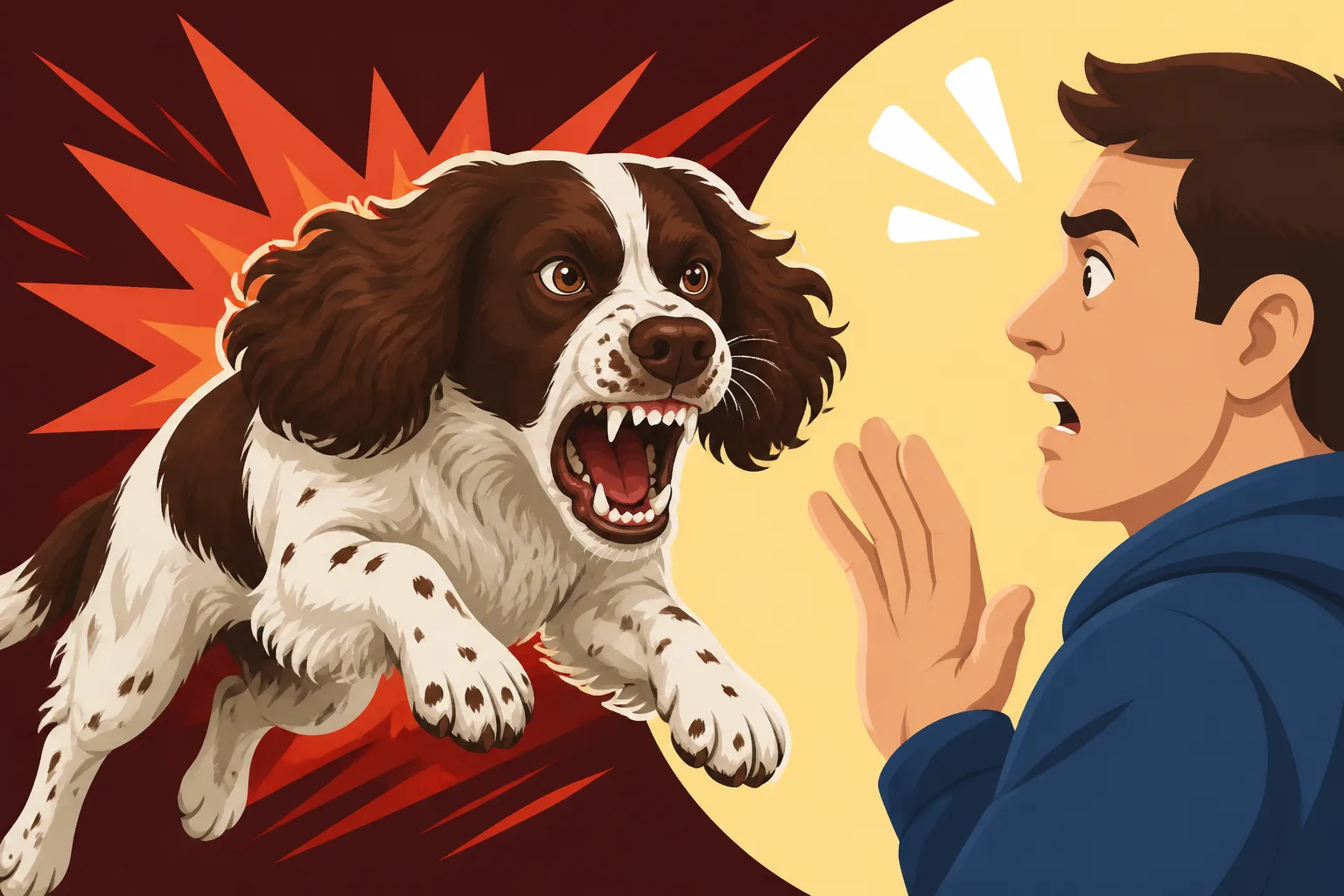
Following the initial transformation, the dog often erupts into an explosive burst of aggression. This is where the true terror of "Rage Syndrome" becomes apparent. The dog will typically snarl and growl with an intensity that is disproportionate to any perceived threat. This isn't a low, warning rumble; it's a guttural, furious sound. They may lunge indiscriminately, sometimes at the person closest to them, other times seemingly at nothing specific in the immediate vicinity.
The biting is often severe and without inhibition. Unlike a dog that might "air snap" or give a warning bite, a Springer Spaniel in the throes of a rage episode can bite repeatedly and with considerable force, often resulting in puncture wounds or lacerations. They may even seem to "target" specific areas, like hands or faces, or simply thrash and bite wildly. The dog seems unresponsive to commands or attempts to calm them down during this period, acting as if they are deaf to their owner's voice. This is perhaps the most frightening aspect for owners, realizing their loyal companion is unreachable. Many accounts note that the dog appears to have no control over their actions, almost like they're in a trance.
The Post-Episode Confusion and Remorse
What often follows a rage episode is almost as perplexing as the episode itself: the dog may appear confused, disoriented, or even remorseful. Once the outburst subsides, which can happen as quickly as it started (sometimes lasting only a few seconds to a minute or two), the dog might shake its head, yawn, or lick its lips, as if coming out of a fog. They might then approach their owner tentatively, with a lowered head and submissive body language, almost as if apologizing or unsure of what just happened.
This post-episode behavior is a key indicator that distinguishes "Rage Syndrome" from other forms of aggression. It suggests that the dog may not have been fully conscious or in control of its actions during the aggressive burst, and upon returning to normal consciousness, they are left with confusion or perhaps even a primitive understanding that something profoundly wrong occurred. This also links to the question of Whether a Springer Spaniel Remembers a Rage Episode. Owners report that their dog's personality immediately reverts to its normal, loving self, making the preceding outburst feel like a nightmare. This makes the situation even more emotionally taxing, as you're left with the sweet dog you know, but haunted by the unpredictable monster you just witnessed.
Potential Triggers and Underlying Causes
The hunt for a "why" behind sudden onset aggression is often one of the most frustrating aspects for Springer Spaniel owners. There isn't always a clear, singular cause, and it often involves a complex interplay of genetics, neurological factors, and environmental stressors. Understanding these possibilities is the first step toward potential management.
The Genetic Predisposition: A Troublesome Lineage
It is widely accepted within the veterinary community and among breeders that sudden onset aggression, often termed Rage Syndrome, has a significant genetic component, particularly in certain lines of English Springer Spaniels. This isn't to say every Springer Spaniel is at risk, but rather that certain breeding lines appear to carry a higher predisposition. This is why when you're considering a puppy, it's so vital to ask about the temperament and health history of the parents and their lineage. Ignoring family history can be a costly mistake, both emotionally and financially.
Breeders committed to the health of the breed will be transparent about any known issues in their lines. Sadly, sometimes aggression can crop up even in seemingly well-bred dogs, indicating that the genetic markers are still circulating. This hereditary link is why articles like Whether Rage Syndrome Runs in Springer Spaniel Lines are so important, as they highlight the need for responsible breeding practices to try and mitigate this devastating condition. It’s not about blaming the dog, but understanding the biological hand they may have been dealt.
Neurological Factors: Is It a Form of Epilepsy?
One of the most compelling theories about the underlying cause of Rage Syndrome is that it might be a partial seizure disorder, a form of temporal lobe epilepsy. Instead of the typical grand mal seizures we often associate with epilepsy (where the dog collapses and convulses), partial seizures can manifest as behavioral aberrations. This would explain the sudden onset, the "glazed over" eyes, the lack of responsiveness, and the post-episode confusion – all hallmarks of seizure activity.
Veterinary neurologists are often the specialists consulted for such cases, as they can explore diagnostic avenues like electroencephalograms (EEGs) to look for abnormal brain activity. However, diagnosing epilepsy, particularly behavioral seizures, can be challenging. An EEG may not always capture the activity if a seizure isn't occurring at the time of the test, or if the seizure activity is localized and doesn't show up broadly on the surface readings. This difficulty in definitive diagnosis adds another layer of stress for owners desperately seeking answers. Understanding Whether Rage Syndrome Is Epilepsy in a Springer Spaniel is a critical step in exploring treatment options.
Environmental Stressors and Unseen Triggers
While genetics and neurology are primary suspects, environmental stressors can sometimes act as triggers, or at least exacerbate, existing predispositions. These aren't usually the cause of Rage Syndrome, but rather the straw that breaks the camel's back. Things like chronic pain, extreme fatigue, sudden loud noises, or even certain types of handling can potentially set off an episode in an already predisposed dog.
It's a cruel twist when something as simple as reaching for their collar or waking them suddenly can trigger an episode. Owners become hyper-vigilant, trying to identify patterns, but often there are none, or the triggers are so subtle they are impossible to anticipate. This is why careful observation and detailed record-keeping of episodes can be invaluable for your vet. Recording the time, situation, duration, and any preceding events, no matter how minor, can sometimes help piece together a picture for the veterinary team.
Differentiating Rage Syndrome from Other Aggression Types
When your Springer Spaniel exhibits sudden aggression, the first, most natural instinct is to try and understand why. Is it something you did? Is it fear? Pain? It's incredibly important to properly diagnose the type of aggression, because the approach to management and treatment will vary drastically. Misidentifying Rage Syndrome can lead to ineffective and even dangerous interventions.
Fear Aggression vs. Rage Syndrome
Fear aggression is a common and understandable response in dogs. A dog that is afraid will typically try to avoid the perceived threat. If avoidance isn't possible, they may resort to aggression, but usually, their body language will scream "I'm scared!" first. You'll see cowering, tail tucked, ears back, shaking, submissive urination, and sometimes attempts to bite only when cornered or feeling truly threatened. The aggression is defensive and reactive.
With Rage Syndrome, the aggression isn't typically fear-driven in the traditional sense. The dog isn't cowering; it's exploding. There's often no clear threat or reason for fear, and the dog's body language lacks the classic signs of fear. Instead, as we discussed, there's that vacant stare and unresponsive demeanor. A fearful dog is usually trying to create distance or make the threat go away. A dog in a rage episode seems to be simply lashing out, often without a clear target, and without the underlying motivation of self-preservation that defines fear aggression.
Resource Guarding and Territorial Aggression
Resource guarding is when a dog becomes possessive over items like food, toys, sleeping spots, or even people. Their aggression is focused on protecting that resource from perceived challengers. Territorial aggression is similar, but focused on defending a physical space (their home, yard, car) from intruders. Both are generally predictable in their context: approach the food bowl, get a growl; a stranger comes to the door, get a bark and lunge.
Rage Syndrome, however, isn't linked to a specific resource or territory. An episode can happen anywhere, anytime, completely detached from the presence of a valuable item or an invading presence. Your dog isn't trying to keep you away from their bone; they're suddenly, inexplicably aggressive when there's nothing to guard. This lack of clear motivation makes it fundamentally different and much more dangerous, as you can't simply avoid the trigger (like their food bowl) to prevent an episode.
Pain-Induced Aggression
Any dog, no matter how sweet-tempered, can become aggressive when in pain. If you accidentally step on their paw, or try to examine an injury, a dog might snap or growl to protect itself from further discomfort. This is a natural instinct, and the aggression is a clear communication of pain. If your Springer Spaniel suddenly starts showing aggression, a thorough veterinary check-up is always step one to rule out any underlying medical conditions or injuries. Perhaps they have Hip Dysplasia in a Springer Spaniel and you touched a sore spot, or an undiagnosed ear infection makes their head sensitive.
However, once again, Rage Syndrome stands apart. While pain can be a trigger or exacerbating factor for any type of aggression, the nature of the aggression in a rage episode is usually distinct. It's often disproportionate to any perceived pain, appears to be uncontrollable, and may not be directed at the source of discomfort. The dog isn't just reacting to a sore spot; they seem to be in a temporary state of profound neurological imbalance. It’s vital to get a full medical workup, but if no physical cause is found, then neurological or genetic factors become higher on the list.
Navigating a Diagnosis and What Comes Next
Receiving a diagnosis of sudden onset aggression, especially if it points towards something like Rage Syndrome, is a harrowing journey. It's filled with uncertainty, fear, and often, immense guilt. But understanding the steps involved in diagnosis and what to expect afterward is crucial for both your dog's well-being and your family's safety.
The Essential Veterinary Workup
The very first and most critical step when dealing with sudden onset aggression is a comprehensive veterinary examination. You need to rule out every possible medical cause before you even consider behavioral diagnoses. This means a thorough physical exam, blood work (to check for metabolic issues, organ function, thyroid problems, etc.), and potentially urinalysis. Sometimes, a subtle infection or an underlying health issue can cause behavioral changes, and your vet will want to leave no stone unturned.
Don't be surprised if your vet recommends advanced imaging, such as an MRI of the brain, or a consultation with a veterinary neurologist. This is where the hunt for those elusive neurological factors, like epilepsy, often begins. While these tests can be costly, understanding the root cause is paramount. It’s at this stage that some owners find themselves grappling with unexpected bills, and resources like Healthy Paws pet insurance might offer a bit of relief if they cover diagnostic testing for neurological conditions. It's not a magic bullet, but every bit helps when facing such significant expenses.
Consulting with Specialists: Neurologists and Behaviorists
If the initial veterinary workup doesn't yield a clear medical diagnosis, or if there's suspicion of a neurological component, your vet will likely recommend consulting with specialists. A veterinary neurologist is key to investigating the possibility of a seizure disorder, even if it's a subtle one. They might suggest an EEG, spinal tap, or other specialized tests to look for abnormalities in brain function or structure. Sometimes, a trial of anti-seizure medication is even attempted based on clinical suspicion, to see if the episodes decrease in frequency or intensity.
Concurrently, or subsequently, a board-certified veterinary behaviorist should be consulted. These professionals are different from regular dog trainers; they have a deep understanding of animal psychology, neurology, and physiology, and can help differentiate between various types of aggression. They'll take a detailed history, observe your dog, and help formulate a management plan. This collaborative approach between your general vet, a neurologist, and a behaviorist is often the most effective way to tackle complex aggression cases like Rage Syndrome. They can help you understand What Sudden Onset Aggression Looks Like in a Springer Spaniel and its nuances far better than a general practitioner alone.
Diagnostic Challenges and the Road Ahead
One of the most disheartening aspects of diagnosing Rage Syndrome is that it's often a diagnosis of exclusion – meaning, they've ruled out everything else. There isn't a single definitive test that says, "Yes, this is Rage Syndrome." The EEG for Whether an EEG Diagnoses Springer Spaniel Rage can be inconclusive, and blood tests may come back normal. This leaves owners in a frustrating limbo, trying to manage a condition they don't fully understand.
The road ahead is rarely easy. It involves meticulous management, often a combination of medication (anti-seizure drugs, behavioral medications, or a combination), strict safety protocols, and a significant commitment to understanding and avoiding potential triggers. It's a journey that requires immense patience, resilience, and a deep, unwavering love for your Springer Spaniel, even when they're at their most frightening. It's a testament to the bond we share with our dogs, even in the face of such a profound challenge.
Living with a Springer Spaniel Exhibiting Sudden Aggression
Coming to terms with a Springer Spaniel who has episodes of sudden onset aggression is incredibly difficult. It impacts every aspect of your life together, forcing you to make hard decisions and prioritize safety above all else. It's a journey often marked by fear, frustration, and profound sadness, but also by an enduring love for your furry family member.
Prioritizing Safety: Managing the Environment
The absolute top priority when living with a dog prone to sudden aggression is safety – for yourself, your family, visitors, and other pets. This isn't a situation where you can hope for the best; you must actively manage the environment to prevent incidents. This often means implementing strict protocols within the home. Crating your dog during high-risk times (like when visitors are over, or during known trigger periods) can be essential. Using baby gates to create safe zones, or keeping your dog on a leash even inside the house, might become the new normal.
Consider a muzzle for any situations where interaction with the public or other animals is unavoidable, such as vet visits or walks in busy areas. A basket muzzle allows the dog to pant, drink, and take treats, but prevents bites. It's not a punishment; it's a safety tool. Discuss Whether a Springer Spaniel With Rage Can Be Kept with your vet and behaviorist, as they can help you assess the risk and develop a safety plan. This proactive management can feel overwhelming, but it's crucial for preventing injury and potentially life-altering incidents.
Treatment Options: Medication and Behavioral Modification
For dogs diagnosed with suspected Rage Syndrome or other forms of severe, unpredictable aggression, medication is often a cornerstone of the treatment plan. If a neurological component like epilepsy is suspected, anti-seizure medications (such as phenobarbital, potassium bromide, or levetiracetam) might be prescribed. These aim to stabilize brain activity and reduce the frequency and intensity of episodes.
In other cases, or in conjunction with anti-seizure drugs, behavioral medications like antidepressants or anxiolytics might be used to help modulate mood and reduce overall reactivity. It's important to remember that medication isn't a "cure," but a management tool. It requires careful monitoring and adjustment under veterinary guidance. Beyond medication, a veterinary behaviorist can help you identify and manage environmental triggers, and implement specific behavioral modification techniques, though these are often less effective for true Rage Syndrome due to its neurological basis. Understanding Whether Medication Controls a Springer Spaniel's Rage is a key part of setting realistic expectations.
The Heartbreaking Reality: Quality of Life and Euthanasia
This is the hardest conversation any dog owner facing severe aggression must have. It’s about assessing your dog's quality of life and the safety of everyone around them. If episodes are frequent, severe, unresponsive to medication, or if the dog exhibits persistent aggression outside of episodic bursts, then the discussion of euthanasia becomes a very real and often necessary consideration. It’s not a decision made lightly, but one rooted in profound love and responsibility.
Sometimes, despite every effort, a dog's behavior remains too unpredictable and dangerous. The constant stress, fear, and need for isolation can also significantly diminish the dog's own quality of life, as they may be living in a state of perpetual anxiety or confusion. Making the decision to say goodbye is devastating, but it is sometimes the kindest and most responsible choice for a dog who cannot live safely or happily, and for a family living in constant fear. This deeply personal decision should always be made in consultation with your veterinary team and close family members, ensuring you have all the support you need during an unimaginable time.
| Aspect | Typical Aggression (e.g., Fear, Resource Guarding) | Sudden Onset Aggression (Rage Syndrome) |
|---|---|---|
| Warning Signs | Often clear (growling, stiffening, lip licking) | Often none; immediate eruption |
| Onset | Gradual escalation, context-dependent | Abrupt, explosive, out of context |
| Eye Appearance | Engaged, direct stare, or averted | Glazed, vacant, unseeing |
| Responsiveness to Cues | May respond to commands/de-escalation | Unresponsive, "trance-like" state |
| Post-Aggression Behavior | May remain agitated, relieved, or continue guarding | Often confused, disoriented, or remorseful |
| Underlying Cause | Learned behavior, fear, pain, guarding instinct | Often genetic, neurological (e.g., partial seizures) |
| Treatment Approach | Behavior modification, training, trigger avoidance | Medication (anti-seizure, behavioral), strict safety |
Disclaimer
The information provided in this article is for educational and informational purposes only and does not constitute veterinary advice. Always consult with a qualified veterinarian or a certified veterinary behaviorist for any health concerns or before making any decisions related to your pet's health and treatment.