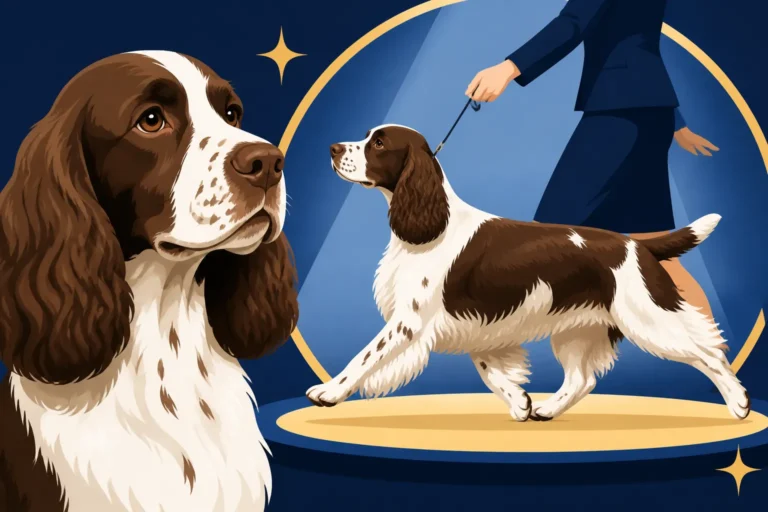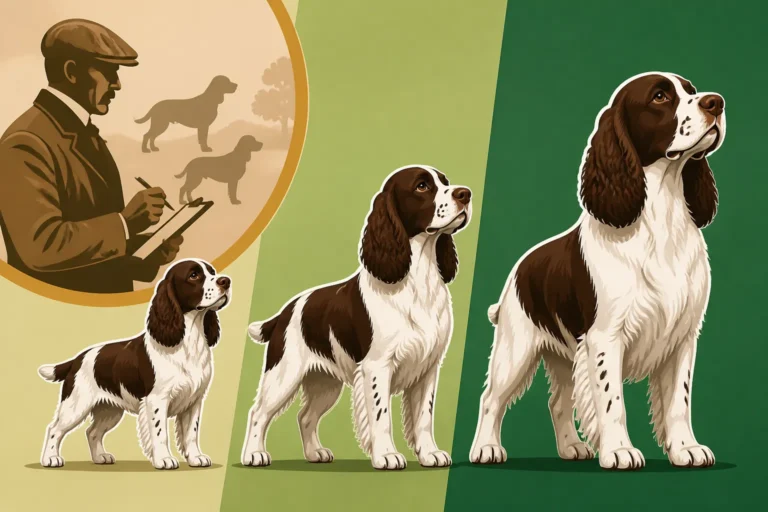
The Norfolk Spaniel and the Springer Spaniel
It’s easy to look at our beloved English Springer Spaniels today and imagine they’ve always been exactly as they are now, bounding through fields or snoozing on our couches. But the truth is, the journey of this wonderful breed is long and winding, marked by different regional types that ultimately blended together. One of the most fascinating of these ancestral lines, and one that often sparks curiosity, is the enigmatic Norfolk Spaniel, a dog deeply intertwined with the very foundations of what we now call a Springer. This guide will take us back in time to explore the history, characteristics, and eventual legacy of the Norfolk Spaniel and its enduring connection to our modern Springer.
Unraveling the Historical Threads: What Was the Norfolk Spaniel?
The history of gundogs, especially spaniels, is incredibly rich, but also a little murky before the advent of formal kennel clubs and detailed breed registries. For centuries, dogs were bred for function above all else, and names often simply described where they came from or what they did. The Norfolk Spaniel is a prime example of this working heritage, a regional type that was highly valued for its abilities in the field long before "English Springer Spaniel" became a recognized standard.
A Name Rooted in Geography and Function
The "Norfolk" in Norfolk Spaniel is, as you might guess, a nod to its origins in the county of Norfolk, in eastern England. This region, characterized by its varied terrain including marshlands, fens, and woodlands, demanded a versatile gundog. The spaniels developed here were known for their tireless energy and keen hunting instincts, perfectly suited for flushing game from dense cover for hunters with nets or, later, with guns. They weren't just pretty faces; they were workers, bred to put food on the table.
These dogs were part of a broader category often referred to as "land spaniels" or "springing spaniels," because their primary job was to "spring" or flush game from cover. Imagine a hunter traversing fields with one or two of these eager dogs quartering ahead, their tails wagging furiously, noses to the ground, bursting game birds into the air. This active role is precisely what the name "springer" eventually encapsulated for the type of dog that would become our modern Springer Spaniel. It's a testament to their enduring function that even today, a well-bred Springer can instinctively perform this job. For more on this, you might find Springing Game: What the Springer Spaniel Name Describes fascinating.
The Look and Temperament of the Lost Spaniel
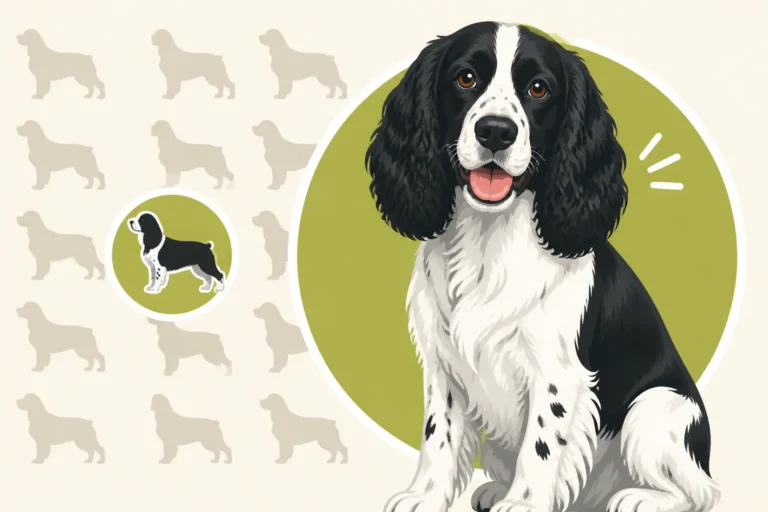
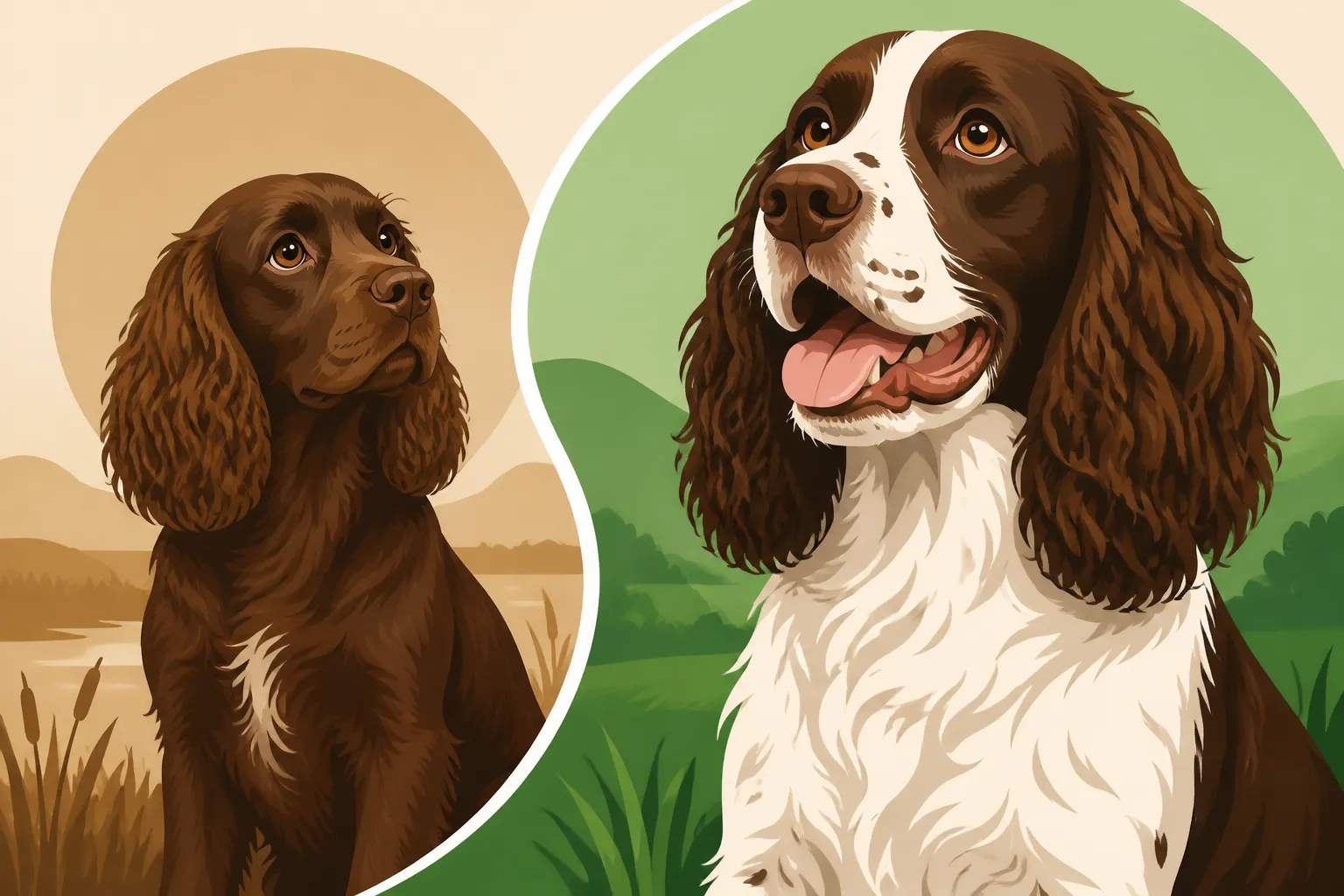
While photographic evidence of the true Norfolk Spaniel is scarce, and breed standards weren't meticulously kept as they are today, we can piece together a picture from historical accounts and sporting literature. The Norfolk Spaniel was generally described as a medium-sized spaniel, often with liver and white markings, though black and white was also common. They were said to have a robust build, powerful legs, and a dense, protective coat suitable for working in all weather conditions and through heavy cover. Their ears, like our modern Springers, were long and pendulous, framing an intelligent and eager face.
Temperamentally, these dogs were renowned for their indefatigable spirit, intelligence, and biddability. They needed to be keen hunters, but also responsive to their handlers, a trait that still defines the English Springer Spaniel. They weren't necessarily known for being cuddly lapdogs, though their loyalty to their working partners would have been paramount. Their athleticism and endurance were frequently highlighted, characteristics that still shine through in a field-bred English Springer Spaniel today. Imagine a dog that could work tirelessly all day, then settle down by the fire at night, ready for another day’s action. This blend of drive and devotion is a hallmark of the spaniel types that contributed to the Springer.
Why the Norfolk Spaniel Isn't Around Today
The disappearance of the Norfolk Spaniel as a distinct breed isn't a tragic tale of extinction, but rather a story of evolution and consolidation within the dog fancy. As dog shows and kennel clubs began to emerge in the late 19th and early 20th centuries, there was a strong movement to standardize breeds. Prior to this, many regional types existed, often named after their locality (like the Sussex Spaniel or Clumber Spaniel) or by function.
The lines between these regional spaniels were often blurred, with interbreeding common based on working ability rather than strict adherence to a visual standard. The Norfolk Spaniel, along with several other "land spaniel" types, was effectively absorbed into the developing "English Springer Spaniel" breed. Breeders sought to combine the best traits of these various regional spaniels to create a unified, functional, and visually consistent breed.
By the time the English Springer Spaniel was officially recognized by the Kennel Club in 1902 (and shortly after by the AKC), the Norfolk Spaniel name had largely faded, its characteristics having become integral to the new, recognized breed. So, while you won't find a Norfolk Spaniel kennel today, their genetic legacy undeniably courses through the veins of every English Springer Spaniel. It’s a bit like how many small streams feed into one mighty river.
The Springer Spaniel's Ancestry: More Than Just One Line
Understanding the heritage of the English Springer Spaniel means appreciating that it wasn't just one single, isolated line that created the breed. Instead, it was a melting pot of regional spaniel types, each contributing its own strengths and characteristics to the dog we know and love today. The Norfolk Spaniel was a significant player in this ancestral tapestry, but it was by no means the only thread.
Shared Ancestry with Other Spaniels
Before the formal distinctions, "spaniel" was a broad term for a type of dog used to flush game. These dogs were quite varied in size and appearance, often simply distinguished by their working role. For instance, smaller spaniels that worked woodcock were often called "Cockers," while larger ones that "sprang" game were "Springers." It's fascinating to think that for a time, Why Springer and Cocker Puppies Once Came From One Litter wasn't uncommon, with the size of the adult dog determining its classification. This highlights the fluidity of breed definitions in earlier eras.
Many different regional spaniel types across Britain contributed to the genetic pool that would become the English Springer Spaniel. Each region likely developed a type best suited to its local game and terrain. The Norfolk Spaniel excelled in its specific environment, but so did others in theirs. The eventual consolidation into the English Springer Spaniel was a recognition of a shared type and function, rather than the invention of a completely new dog. These dogs were developed to work closely with humans, a trait that makes them such wonderful companions even if they never see a bird in the field.
The Influence of Specific Bloodlines on Early Springers
As the 19th century drew to a close and the 20th century began, individual breeders and kennels played a pivotal role in refining and standardizing the English Springer Spaniel. These dedicated fanciers selectively bred dogs with the desired physical traits and, crucially, the right working temperament. They sought to create a consistent "type" that could be recognized and judged, both in the field and in the show ring.
One notable example is the contribution of the Boughey family, particularly Ralph Boughey. Their breeding efforts at the Avondale kennels were instrumental in shaping the early English Springer Spaniel. If you’re interested in delving deeper into these foundational lines, you might enjoy The Boughey Family's Springer Spaniel Line. These breeders often drew from the very best working spaniels available, which would undoubtedly have included descendants of the Norfolk Spaniel and similar regional types, bringing their proven hunting prowess into the developing breed. It was a conscious effort to preserve and enhance the working abilities while also establishing a consistent appearance.
The Unofficial Blending of Types
It’s important to remember that this "blending" didn't happen overnight or through a single decree. For many years, various regional "land spaniels" were simply known by their local names or descriptive terms. A dog from Norfolk might be called a Norfolk Spaniel, while a similar dog from Shropshire might just be a "Shropshire spaniel." These dogs, sharing common ancestry and purpose, would have interbred naturally across regions as people moved or exchanged working stock.
When the formal breed recognition came, it was an attempt to unify these similar types under a single banner, celebrating their shared characteristics and ensuring a consistent future for the breed. The characteristics of the Norfolk Spaniel, such as its robust build, liver and white coloration, and tireless hunting drive, were not lost; they became integral parts of the new English Springer Spaniel standard. This process also led to The 1902 Split That Separated Springer From Cocker, formally distinguishing the larger flushing spaniels from their smaller counterparts. It marked a new era of careful breeding and documentation, but one that built upon centuries of unrecorded canine history.
How the Norfolk Legacy Lives On in Modern Springers
While the name "Norfolk Spaniel" may no longer be in active use for a distinct breed, its essence and genetic contributions are very much alive in the English Springer Spaniels we share our lives with today. When you look at a Springer, you're seeing a direct descendant of those intrepid spaniels that once scoured the fields of Norfolk.
Physical Traits Echoing the Past
Many of the physical characteristics valued in the Norfolk Spaniel are still prominent in the modern English Springer Spaniel. The classic liver and white or black and white coat patterns, for instance, were hallmarks of these early working spaniels and remain the most common and recognized colors today. While The Colors a Springer Spaniel Comes In includes other variations, the bicolors are historically dominant.
The sturdy, well-muscled physique, the deep chest built for endurance, and the long, expressive ears—all these traits that made the Norfolk Spaniel an effective working dog are still prized in both field and show-bred Springers. Even the average What a Springer Spaniel Actually Weighs falls within the historical range expected of a robust, medium-sized gundog. The resilience and hardiness that allowed the Norfolk Spaniel to thrive in challenging environments are still visible, even if today's pet Springers spend more time on soft beds than in thorny thickets.
The Enduring Working Drive
Perhaps the most significant legacy of the Norfolk Spaniel and its kindred land spaniels is the unwavering working drive and intelligence that defines the English Springer Spaniel. These dogs were bred for centuries to hunt, to flush game, and to retrieve. That instinct is deeply ingrained in their DNA, whether they are field-bred or show-bred. A well-bred Springer still possesses that characteristic "spring" in its step, that intense desire to use its nose, and that boundless energy.
Even if your Springer is a beloved family pet and has never set foot in a hunting field, you'll likely see this drive manifest in other ways: a relentless desire to retrieve toys, an obsession with scent tracking in the backyard, or an insatiable need for mental and physical stimulation. This is the heart of the Norfolk Spaniel's spirit living on. It’s why proper training is so important; a bored Springer is often a destructive Springer. Understanding this innate drive helps us provide the best life for our dogs.
The Importance of Historical Context for Breeders and Owners
For breeders, understanding the diverse ancestry of the English Springer Spaniel, including the role of the Norfolk Spaniel, reinforces the importance of preserving the breed's working characteristics alongside its conformation. It reminds us that these dogs were, first and foremost, hunters. Responsible breeders today consider both health and temperament, often conducting rigorous health screenings. For instance, The DNA Test That Should Precede Every Springer Spaniel Purchase is vital for uncovering genetic predispositions to diseases that might have been hidden in earlier, less documented eras.
For owners, knowing this history fosters a deeper appreciation for their dog. It explains why their Springer has such incredible energy, why it’s so intelligent, and why it forms such a strong bond. It helps us understand their needs and provide them with outlets for their natural instincts, whether through obedience, agility, scent work, or simply long, engaging walks. It also highlights the responsibility we have to maintain the health of the breed, ensuring that problems like Hip Dysplasia in a Springer Spaniel or certain eye conditions are screened for. You might find a wealth of resources, from training gear to informative books about breed history, on sites like Chewy, which can further enrich your understanding and care for your Springer. This historical perspective allows us to honor the past while responsibly nurturing the future of this amazing breed.
| Characteristics | Norfolk Spaniel (Historical) | Modern English Springer Spaniel |
|---|---|---|
| Origin | Norfolk, England | England |
| Primary Role | Flushing game (springing) | Flushing game, retrieving, companion |
| Size | Medium, robust | Medium, sturdy, athletic |
| Coat Colors | Liver & white, black & white | Liver & white, black & white, tri-color, roan |
| Temperament | Tireless, keen, intelligent, biddable | Energetic, intelligent, loyal, eager to please |
| Status | Extinct as a distinct breed | Recognized breed (Field & Show types) |
| Legacy | Integrated into Springer Spaniel breed | Inherited working drive and physical traits |
Ultimately, the story of the Norfolk Spaniel is not one of loss, but of transformation. It’s a compelling reminder that our breeds are living histories, constantly evolving while holding onto the core traits that made them valuable in the first place. When your Springer Spaniel quarters a field with enthusiasm, or brings a toy to your feet with a wagging tail, you’re witnessing a direct connection to those ancient Norfolk Spaniels, their spirit alive and well in your loyal companion. The continuous effort by dedicated breeders to health test, and to breed for sound structure and temperament, is crucial in ensuring that this historical lineage remains healthy and robust. Many breeders will outline their health testing protocols, sometimes linking to resources from organizations or online retailers like Chewy that offer health-related products. This helps owners choose a puppy that embodies the best of this rich heritage.
Disclaimer
This article is for general informational purposes only and does not constitute professional advice. Laws, prices and regulations vary by location and change over time. Consult a qualified professional for guidance on your specific situation.