The Springer Spaniel Against a Welsh Springer Spaniel
It's incredibly easy to get confused when you start looking into spaniels, especially when breeds share such similar names! Many prospective owners find themselves wondering if an English Springer Spaniel and a Welsh Springer Spaniel are essentially the same dog with different coat colors, or if there are truly distinct differences that would impact their lives together. This guide aims to clear up that confusion, diving deep into what makes each of these wonderful breeds unique, so you can make the most informed decision about which "Springer" might be the perfect fit for your family and lifestyle.
A Tale of Two Springers: Understanding the Core Distinctions
While both breeds share the "Springer" name and a similar historical role, they are distinct breeds with their own histories, appearances, and temperaments. Thinking of them as simply color variations would be a disservice to their individual characters and the centuries of development that shaped them. The differences go much deeper than a simple splash of red.
Origins and Historical Paths
The English Springer Spaniel is one of the oldest land spaniels, with a history tracing back centuries in Great Britain. Their job was, as their name suggests, to "spring" game from cover for hunters using nets, falcons, or later, guns. For a long time, size was the primary distinction between spaniel types in a single litter – the smaller ones became Cockers, and the larger ones became Springers. It wasn't until the early 20th century that the English Springer Spaniel received official recognition as a distinct breed, solidifying its place as a robust and eager gundog. Over time, the breed further diverged into the field-bred and show-bred lines we see today, each with slightly different emphases on working ability versus conformation. You can learn more about this in The Two Breeds Registered as One: the Field and Show Springer Spaniel.
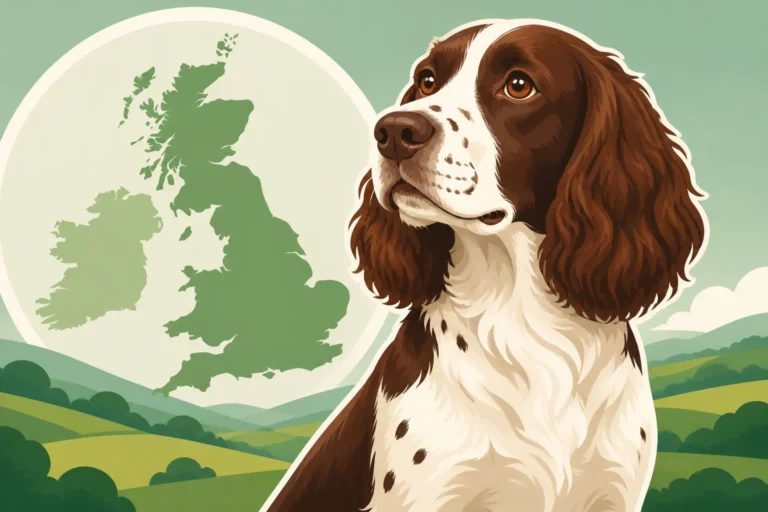
The Welsh Springer Spaniel, on the other hand, boasts an equally ancient but geographically specific heritage from Wales. While also bred to flush game, they are thought to have remained a more isolated and pure breed for a longer period, developing characteristics unique to their Welsh origins. They were primarily working dogs in their native Wales for generations, often treasured for their stamina and hardy nature in challenging terrain. The Welsh Springer has historically had a more consistent appearance and temperament compared to the broader variations seen within the English Springer breed. They gained official recognition slightly later than their English cousins, but their distinct identity has always been clear to those who know the breed well.
Appearance: Beyond Just Color
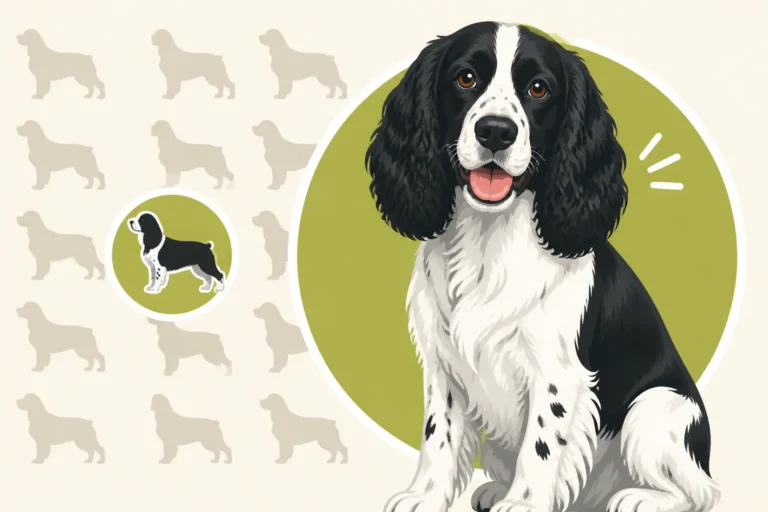
The most immediate and striking difference between the English and Welsh Springer Spaniel is, undoubtedly, their coat color. English Springers come in a variety of patterns: black and white, liver and white, or combinations with tan points (tri-color). Their markings can range from heavy ticking to large, clear patches. The Welsh Springer, however, is exclusively rich red and white. This isn't just a preference; it's a defining characteristic of the breed standard.
Beyond color, there are subtle but noticeable differences in their build and head shape. English Springers, especially those from show lines, tend to have a slightly heavier bone structure, a broader muzzle, and often a more pronounced stop (the indentation between the eyes). Their ears are set slightly lower and are generally longer and wider, framing their face in a somewhat more luxuriant manner. Field-bred English Springers might be a bit leaner and more athletic, but still possess that classic Springer Spaniel head.
Welsh Springers typically have a slightly more compact and lighter build, reflecting their agile working heritage. Their head is usually a bit more refined, with a tapering muzzle and a less exaggerated stop. Their ears are somewhat smaller and set a little higher on the head than an English Springer's, giving them a slightly different expression. Think of it as a nuanced difference in overall silhouette and facial features. While both are undeniably spaniels, side-by-side, their differences in proportion and detail become quite clear.
Temperament and Personality: Not Just a Coat of a Different Color
When considering either of these breeds, understanding their inherent personalities and drives is crucial. While both are intelligent, affectionate, and active spaniels, their nuances in temperament can significantly impact how they fit into a family's daily life. It's truly where the "rubber meets the road" in terms of compatibility.
The English Springer's Enthusiastic Drive
English Springer Spaniels are renowned for their exuberant, "merry" disposition. They are bundles of energy, perpetually optimistic, and seem to approach life with an infectious enthusiasm that can be both charming and, at times, overwhelming for unprepared owners. They thrive on activity and love to be involved in everything their family does. This breed has a powerful desire to work and please, which stems from generations of being bred as active gundogs. Their drive to "spring" and retrieve game is deeply ingrained.
This drive manifests in a dog that needs a significant amount of physical and mental stimulation. An English Springer who isn't given enough to do can quickly become bored and destructive, channeling their boundless energy into undesirable behaviors like chewing, barking, or digging. They are incredibly smart and pick up on training quickly, but that intelligence also means they need engaging tasks to keep their minds sharp. They are highly social and form strong bonds with their families, often exhibiting the classic "Velcro dog" trait, wanting to be wherever you are. This strong attachment can sometimes lead to Separation Anxiety in a Springer Spaniel if not properly managed from a young age. Their cheerful nature makes them generally good with children and other pets, provided they are well-socialized and given appropriate outlets for their energy.
The Welsh Springer's Steady Charm
The Welsh Springer Spaniel shares many wonderful spaniel traits with its English cousin, but with a generally more reserved and somewhat less frantic energy level. They are often described as being a bit calmer, more independent, and less prone to the same degree of boisterousness as some English Springers. While they are still very active and capable working dogs, their "off switch" might be a little easier to find indoors. They are intelligent and eager to please, making them generally responsive to training, but might require a slightly different approach due to their potentially more sensitive nature.
Welsh Springers are loyal and affectionate with their families, often forming deep bonds. They can be a bit more reserved with strangers than the typically outgoing English Springer, sometimes taking a moment to warm up before displaying their friendly side. This isn't shyness, but rather a more cautious and thoughtful approach. While they still require regular exercise and mental engagement, their intensity is often described as being slightly lower. They thrive on companionship and active participation in family life but may be less demanding of constant attention than their English counterparts. They are known for their gentle nature, making them excellent family pets, and are typically good with children who respect their space. However, like any breed, early socialization is key to fostering a well-adjusted adult dog.
Training and Exercise Needs: Matching the Dog to Your Lifestyle
Choosing between an English and a Welsh Springer Spaniel often boils down to how much time and energy you can realistically commit to their daily needs. Both are active breeds, but there are differences in the sheer intensity of that activity that can make one a better fit than the other.
High-Energy English Springers: Keeping Them Busy
If you're considering an English Springer Spaniel, be prepared for a dog with a powerful engine that rarely idles. These dogs need a lot of exercise, and not just a quick trot around the block. They thrive on vigorous, sustained activity that allows them to run, sniff, and "spring" through varied terrain. A good 60-90 minutes of dedicated exercise daily is often the minimum, ideally broken into a couple of sessions, and this should include off-leash running in a safe area or engaging games like fetch. For a field-bred English Springer, this figure can be even higher, as they are bred for endurance and a relentless work ethic. You might find yourself researching How Much Exercise a Field Bred Springer Spaniel Needs if you're leaning towards a working line.
Beyond physical exercise, English Springers need significant mental stimulation. Their keen intelligence and problem-solving abilities mean they excel at dog sports like agility, obedience, flyball, or scent work. Training sessions should be consistent, positive, and varied to keep them engaged. A bored English Springer is a mischievous English Springer, and they will invent their own "jobs" if you don't provide them. This could mean digging up your prize-winning roses, meticulously dismembering furniture, or serenading the neighborhood with incessant barking. Their strong prey drive means a reliable recall is paramount, especially if you plan on off-leash adventures. Investing in good quality, engaging toys from a place like Chewy can help keep their minds occupied during downtime.
The Welsh Springer's Adaptable Nature
While the Welsh Springer Spaniel is by no means a couch potato, their exercise requirements are often described as being more manageable than those of many English Springers. They still need a good amount of daily activity – think 45-60 minutes of brisk walking, jogging, or off-leash play. They love to run and explore, and appreciate varied environments, but they might be more content with a good long hike or a solid play session in the yard than the non-stop intensity some English Springers demand. They tend to be a bit more adaptable to their owner's routine, and while they enjoy being active, they can often settle down more readily indoors after their exercise needs are met.
Welsh Springers are intelligent and responsive to training, but they can also be a bit more sensitive than their English cousins. Positive reinforcement methods work best, as harsh corrections can easily shut them down. They thrive on praise and gentle guidance. While they might not possess the same relentless drive for work as some English Springers, they still enjoy having a purpose. Participating in obedience classes, scent games, or even casual agility can be very rewarding for both dog and owner. Their slightly more reserved nature means that early and consistent socialization is important to ensure they grow into confident, well-adjusted adults, especially if you want them to be comfortable with new people and experiences.
Grooming Requirements: Managing Those Lovely Coats
Both English and Welsh Springer Spaniels boast beautiful, functional coats that require regular care to keep them healthy and free from mats. However, there are some differences in the typical grooming demands due to variations in coat texture and length, as well as the unique challenges presented by their ear structure.
Maintaining the English Springer's Coat
The English Springer Spaniel's coat is a double coat, meaning it has a soft, dense undercoat and a longer, water-repellent outer coat. They have feathering on their legs, chest, and belly, and long, silky ear fringes. The length and density of their coat can vary quite a bit, especially between field-bred and show-bred lines. Show-bred English Springers generally have much more abundant feathering, requiring more intensive grooming. You might want to refer to Two Coats, Two Routines: Field and Show Springer Spaniel Grooming for a deeper dive into this.
Regardless of line, regular brushing is essential to prevent mats and tangles, especially in the feathering and behind the ears. Aim for at least 2-3 times a week, and more frequently during shedding season or if your dog spends a lot of time in brushy areas. A slicker brush, pin brush, and a metal comb are your best friends here. English Springers also benefit from regular trimming to keep their coats neat and tidy, especially around the feet, ears, and sanitary areas. This can be done at home with thinning shears or clippers, or by a professional groomer. Their long, pendulous ears are prone to infections, so regular cleaning and checking are critical. They are often bathed when dirty, which for an active dog can be quite often! Stocking up on good quality shampoos and conditioners from retailers like Chewy is a smart move.
Caring for the Welsh Springer's Unique Red and White
The Welsh Springer Spaniel also has a dense, soft coat with feathering, but it is typically a bit less profuse than that of a show-bred English Springer. Their coat is designed to be weather-resistant and protective for working in varied Welsh terrain. The beautiful red and white coloring, of course, is a defining feature. Like English Springers, they do shed, and regular brushing is necessary to manage this and prevent mats.
Brushing a Welsh Springer 2-3 times a week is generally sufficient, focusing on areas prone to tangles like behind the ears, armpits, and feathering on the legs and belly. While their coat might not require the same extensive trimming as a show English Springer, neatening around the feet, ears, and sanitary areas is still beneficial. Many owners choose to do this themselves, but a professional groomer can also provide excellent care. Like all drop-eared breeds, Welsh Springers are susceptible to ear infections. Regular cleaning and inspection of their ears, especially after swimming or wet walks, are crucial to prevent problems. Keeping their coats clean also helps with overall skin health; a good bath every few weeks, or as needed, with a dog-specific shampoo will do the trick.
Health Considerations: What Prospective Owners Should Know
Choosing a healthy puppy is paramount, and understanding the common health concerns of any breed you're considering is a responsible step. Both English and Welsh Springer Spaniels are generally robust breeds, but like all purebred dogs, they can be predisposed to certain genetic conditions. Reputable breeders will screen their breeding stock for these issues. Checking out The DNA Test That Should Precede Every Springer Spaniel Purchase is always a good idea.
Common Ailments in English Springer Spaniels
English Springer Spaniels can be prone to several health conditions. Eye diseases are a significant concern, including Progressive Retinal Atrophy (PRA), Retinal Dysplasia, and Primary Glaucoma. Breeders should have their dogs' eyes examined annually by a veterinary ophthalmologist and participate in genetic testing where available. If you're concerned, you might want to look into The Four Eye Diseases a Springer Spaniel Breeder Screens For. Hip and elbow dysplasia are also common orthopedic issues, where the joints don't form correctly, leading to arthritis and pain. Hip scores and elbow grades from organizations like the Orthopedic Foundation for Animals (OFA) are standard health clearances for breeding English Springers.
Ear infections are a recurring nuisance for many English Springer owners due to their long, floppy ears which trap moisture and debris. Regular cleaning and vigilance are key to managing this. Why a Springer Spaniel's Ears Are Never Quite Healthy delves deeper into this common problem. Additionally, some lines can be susceptible to PFK Deficiency (Phosphofructokinase Deficiency), a metabolic disorder that affects red blood cells and can cause exercise intolerance and anemia. Genetic testing is available for this. There's also a serious neurological condition called Fucosidosis, though it's much rarer now due to widespread genetic testing. Autoimmune diseases and certain cancers are also seen in the breed.
Health Insights for Welsh Springer Spaniels
Welsh Springer Spaniels are generally considered a hardy breed, but they do share some of the same predispositions as other spaniels. Hip and elbow dysplasia are a concern, and reputable Welsh Springer breeders will also perform OFA clearances (or equivalent) on their breeding dogs. Eye conditions can also occur, though perhaps with a slightly different prevalence than in English Springers. These might include various forms of inherited eye disease, so annual eye examinations by a board-certified veterinary ophthalmologist are recommended.
Like English Springers, Welsh Springers with their classic drop ears are prone to ear infections. Diligent ear care, especially after swimming or during humid weather, is essential. Hypothyroidism (underactive thyroid) is another condition occasionally seen in Welsh Springers, which can manifest in skin issues, weight gain, and lethargy. Bloat, a life-threatening gastric condition, is a risk for any deep-chested breed, including Welsh Springers, so owners should be aware of the symptoms and preventative measures. Epilepsy, while less common, can also occur. The Welsh Springer's somewhat smaller gene pool might mean some health issues are more concentrated in certain lines, making thorough research into a breeder's health testing protocols especially important.
Comparison Table: English vs. Welsh Springer Spaniel
To give you a quick overview, here's a table summarizing some of the key differences and similarities we've discussed:
| Feature | English Springer Spaniel | Welsh Springer Spaniel |
|---|---|---|
| Origin | Great Britain | Wales |
| Primary Colors | Black & White, Liver & White, Tri-color (with tan points) | Red & White ONLY |
| Build | Can vary (Field: leaner; Show: heavier boned, often larger) | Generally more compact, slightly lighter build, less bone |
| Head | Broader muzzle, more pronounced stop (especially show lines) | More refined, tapering muzzle, less exaggerated stop |
| Ears | Set lower, often longer and wider | Set slightly higher, somewhat smaller |
| Temperament | Exuberant, "merry," high energy, very social, eager to please | Steady, charming, can be more reserved with strangers, affectionate |
| Energy Level | High to very high; requires extensive daily exercise | Active, but often slightly less intense; adaptable |
| Grooming | Regular brushing, trimming (especially show lines), ear care | Regular brushing, moderate trimming, diligent ear care |
| Common Health | Hip/Elbow Dysplasia, Eye diseases (PRA, Glaucoma), Ear infections, PFK, Fucosidosis, Hypothyroidism | Hip/Elbow Dysplasia, Eye diseases, Ear infections, Hypothyroidism, Epilepsy |
| Trainability | Intelligent, quick learners, strong work ethic, responds well to positive methods | Intelligent, responsive, can be more sensitive, excels with positive reinforcement |
Which Springer is Right for You?: Making an Informed Decision
Deciding between an English Springer Spaniel and a Welsh Springer Spaniel is a significant choice that should be based on a realistic assessment of your lifestyle, living situation, and how much time and energy you can truly dedicate to a dog. Both breeds are incredible companions, but they thrive in slightly different environments and with varying levels of owner engagement.
Assessing Your Lifestyle for an English Springer
If you're drawn to the English Springer Spaniel, you're likely someone who leads an active lifestyle and enjoys spending a lot of time outdoors. An English Springer needs an owner who is committed to providing ample daily exercise, including opportunities for vigorous running and mental stimulation. Think long hikes, regular trips to dog parks, participation in dog sports, or even actual hunting. If you're a runner, a hiker, or a serious outdoors enthusiast, an English Springer will be your perfect partner. This dog will thrive in a home where they are included in activities, given "jobs" to do, and showered with attention. They are not content to be left alone for long periods without sufficient enrichment. If you're looking for a dog that will push you to be more active and loves to be at the center of attention, the English Springer might be your ideal match. Just remember, their energy is truly boundless, and understanding How a Field Bred Springer Spaniel Differs in Drive is vital if you're looking at working lines. They are not a breed for the faint of heart when it comes to activity levels.
Considering a Welsh Springer for Your Home
The Welsh Springer Spaniel appeals to those who appreciate a slightly more mellow, though still very active, companion. If you enjoy daily walks, occasional jogs, and weekend adventures but aren't necessarily looking for a dog that demands hours of intense, high-impact exercise every single day, a Welsh Springer could be a wonderful fit. They are adaptable dogs who can be happy in a variety of living situations, from a suburban home with a fenced yard to a more rural setting, as long as their exercise and companionship needs are met. They are loving, loyal, and form strong bonds with their families, making them excellent companions for those who want an intelligent, affectionate dog without the same level of manic energy that some English Springers exhibit. If you appreciate a dog that is a bit more reserved with strangers but devoted to its inner circle, and you're prepared for consistent, positive training and grooming, the Welsh Springer could be the charming, steady companion you're looking for. They are still gundogs at heart, and will enjoy retrieving games and scent work, but their overall intensity is often a delightful medium ground for many families.
Ultimately, both English and Welsh Springers are wonderful, intelligent, and affectionate dogs. Your choice will depend on which set of traits—their energy levels, grooming needs, and general disposition—aligns best with your own lifestyle and expectations. Whichever you choose, be prepared for a devoted companion who will bring immense joy and activity into your life.
Disclaimer
This article is for general informational purposes only and does not constitute professional advice. Laws, prices and regulations vary by location and change over time. Consult a qualified professional for guidance on your specific situation.