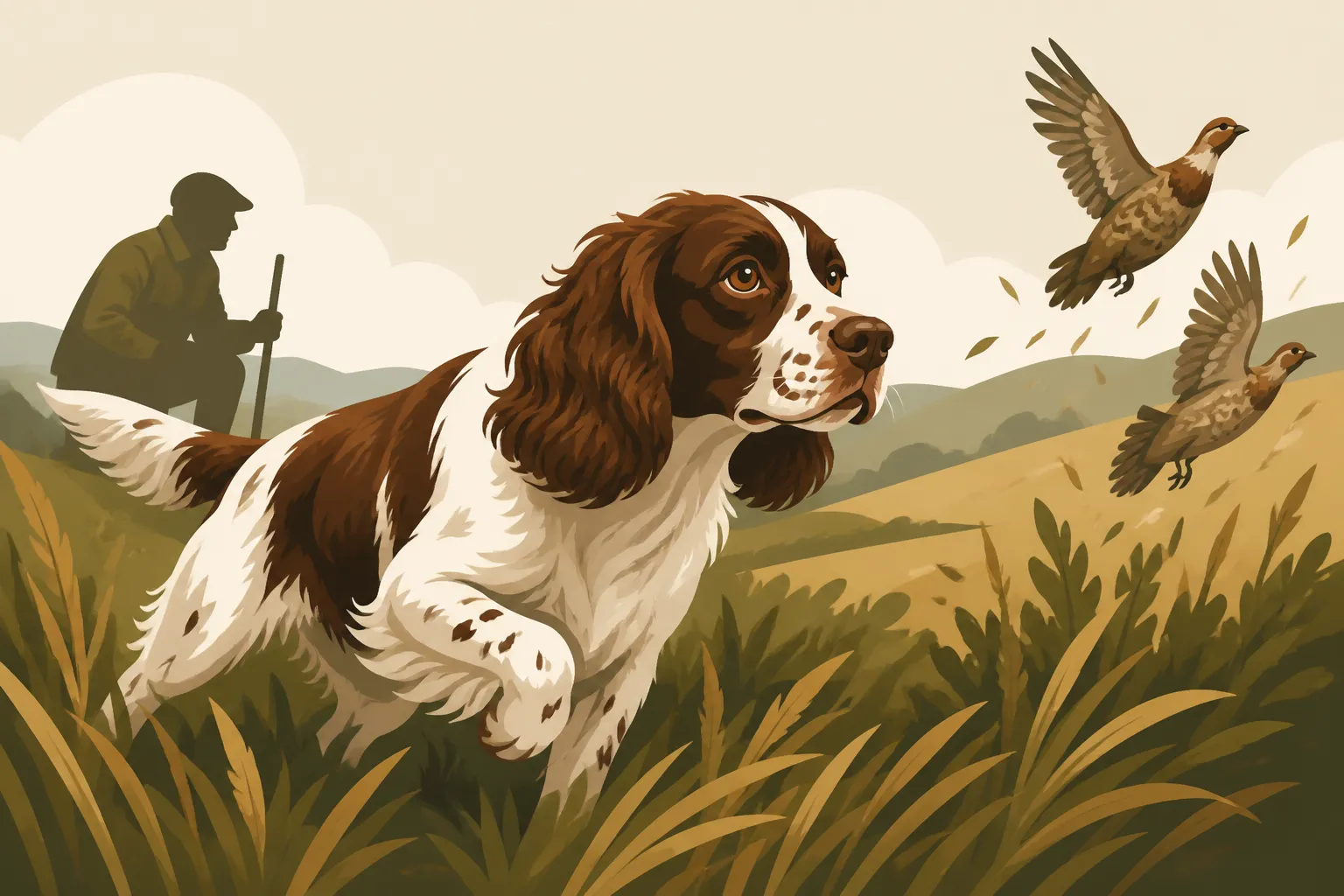
How a Springer Spaniel Worked Before Firearms
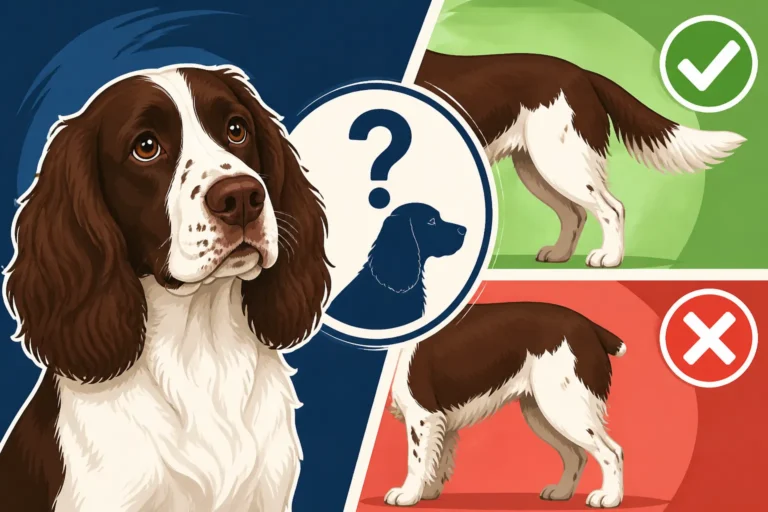
Before the crack of a shotgun became synonymous with flushing game, the English Springer Spaniel was already a master of its craft, a furry, four-legged partner essential for putting food on the table. It’s easy to imagine these dogs always retrieving downed birds, but their role in the days before firearms was quite different, relying on a unique blend of instinct and biddability to work alongside humans in ancient hunting practices. This guide will take you back in time, unveiling the fascinating world of the Springer Spaniel's original purpose and how these incredible dogs functioned as vital members of hunting parties long before gunpowder changed the game forever.
The Spaniel's Ancient Lineage and Early Purpose
To truly understand how a Springer Spaniel worked before firearms, we need to peel back the layers of history and look at the very origins of the spaniel type. These weren't just "dogs" in the modern sense; they were carefully selected and bred animals, valued for specific traits that made them indispensable to their human companions in a world where hunting was often a matter of survival. Their story is deeply woven into the fabric of human history, particularly in the British Isles and continental Europe.
Tracing the Spaniel Family Tree
The name "spaniel" itself offers a clue to their ancient roots, generally believed to derive from "Spain" or "Espagnol," suggesting their origins in the Iberian Peninsula. For centuries, various types of spaniels were found across Europe, all sharing common characteristics: floppy ears, a keen nose, and an eagerness to please. These weren't distinct breeds as we know them today, with rigid standards and pedigrees. Instead, they were more of a "type," categorized by their general purpose and sometimes by their size. Think of it like a broad family tree with many branches, where the English Springer Spaniel is a relatively newer, albeit highly refined, offshoot. Medieval texts and artwork often depict dogs strikingly similar to our modern spaniels, suggesting their presence and utility stretch back for many hundreds of years. The Medieval Records That Mention Springer Spaniels can shed more light on these early mentions. These dogs were appreciated for their ability to navigate dense undergrowth and flush out game, a skill that was highly prized.
These early spaniels weren't uniform in appearance. Some might have been heavier, others lighter, depending on the terrain and game they typically hunted. What united them was their innate drive to find and stir up hidden quarry. They were working dogs through and through, their lives dictated by the rhythm of the hunt. There was no concept of a "pet" spaniel back then; every dog earned its keep. Their physical traits, such as their sturdy build and protective coats, were developed by centuries of working in harsh conditions, making them resilient partners in the field.
The Versatile Role of Early Flushing Dogs
Before firearms, hunting was a much more intimate affair, requiring a close working relationship between hunter and dog. The role of these early flushing dogs was primarily to locate game birds or small mammals hidden in thick cover – think dense hedgerows, tall grasses, or thickets – and then "spring" them into the open. This wasn't about retrieving a shot bird; it was about presenting the game in a way that allowed the hunter to capture it using other methods. The spaniel's job was often to create a controlled chaos, startling the game but not chasing it wildly away, keeping it within reach of the hunter's chosen capture technique.
This required an incredible amount of control and biddability. A dog that simply crashed through the brush, scattering game indiscriminately, would be of little use. Instead, the ideal spaniel would work methodically, sweeping through cover, following scent trails, and, upon finding game, flushing it with a burst of energy that announced its presence to the hunter. This cooperative effort was key. The dogs were trained to respond to whistles, hand signals, and verbal commands, guiding them through the landscape and directing their search. They needed to be responsive, quick to understand, and possess an unwavering focus on their task. How Springer Spaniels Worked Before Guns truly outlines the ancient duties that shaped this breed.
Hunting Methods Without Guns: A Different Partnership
The absence of firearms meant that the hunting strategies employed were vastly different from what many modern gundog enthusiasts envision. Instead of loud bangs and falling birds, these methods relied on cunning, patience, and the specialized abilities of dogs working in concert with humans. The Springer Spaniel, or its ancestors, were perfectly adapted to these nuanced approaches, demonstrating a partnership that was both ancient and highly effective.
Working with Nets: Trapping Game
One of the most prevalent and effective hunting methods before firearms involved nets. Imagine a scenario: a hunter, often with assistants, would strategically set large, fine-mesh nets in areas where game birds like partridge, quail, or pheasants were known to feed or roost. These nets might be stretched low across fields or set up in pathways within wooded areas. The critical role of the spaniel in this operation was to methodically search the surrounding cover, locate the hidden birds, and then, on command, "spring" them or drive them gently towards the waiting nets.
This wasn't a wild, uncontrolled chase. The dog had to work diligently, often quartering the ground in a pattern, using its exceptional nose to pinpoint the exact location of the game. Once found, the flush needed to be energetic enough to make the bird take flight, but controlled enough to steer it in the desired direction – right into the net. A dog that was too aggressive or too wide in its range could scare the birds away from the net entirely, rendering the effort fruitless. How a Springer Spaniel Drove Game Into Nets explains this intricate dance perfectly. This required immense discipline from the dog, demonstrating its intelligence and its willingness to cooperate closely with its human handler, making it a highly valued asset for sustained food gathering.
Falconry: The Sky's Predators and Ground Dogs
Another ancient and revered hunting art form that pre-dated firearms was falconry, or hawking. In this pursuit, birds of prey – typically falcons or hawks – were trained to hunt other birds and small mammals. The spaniel's role here was equally vital, acting as the ground support for the aerial hunter. The falconer would carry their bird on a gauntlet, and the spaniel would be released to work the cover below. Its job was to find game hidden within the dense undergrowth and flush it out into the open sky.
Once the game bird was flushed, the trained falcon would be released, soaring into the air and pursuing its quarry. The spaniel’s precise flush was crucial. It needed to present the game in a way that gave the falcon the best possible chance to strike. A premature flush, or one that sent the bird into too thick of cover, would mean a missed opportunity for the falconer. After the falcon had made its kill, the spaniel might then be used to locate the downed game and present it to the falconer, ensuring no valuable quarry was lost. This multi-species partnership highlights the incredible adaptability and specific instincts that were cultivated in these early spaniels. Springer Spaniels Working Under Falcons delves into the historical accounts of this fascinating collaboration.
The "Springing" Action: Why the Name?
Have you ever wondered where the "Springer" in English Springer Spaniel comes from? It's not just a cute moniker; it’s a direct reference to the very heart of their ancient working method. This powerful, explosive action was what made them so effective in a world without modern hunting tools, setting them apart and eventually giving them their enduring name.
Flushing Game from Cover
The defining characteristic of these early spaniels, and the direct origin of their name, was their unique method of "springing" game. Unlike pointers or setters that would freeze to indicate game, these dogs were bred and trained to physically flush or "spring" hidden game birds and small mammals from dense cover. Imagine a thick hedgerow, a field of tall crops, or a dense thicket – places where pheasants, partridges, or rabbits could easily hide. A well-trained spaniel would work through this cover, nose to the ground, searching for scent.
When a bird was located, instead of simply barking or holding a point, the spaniel would burst forward with an energetic, sometimes explosive, rush. This sudden movement and noise would startle the game, causing it to "spring" into the air or bolt from its hiding place. This action made the game visible and accessible to the waiting hunter, who would then employ nets, snares, or trained birds of prey to capture it. This proactive and energetic flush was so central to their purpose that it became the defining trait, earning them the descriptive name. Springing Game: What the Springer Spaniel Name Describes perfectly encapsulates this defining characteristic.
Early Distinctions: Size and Role
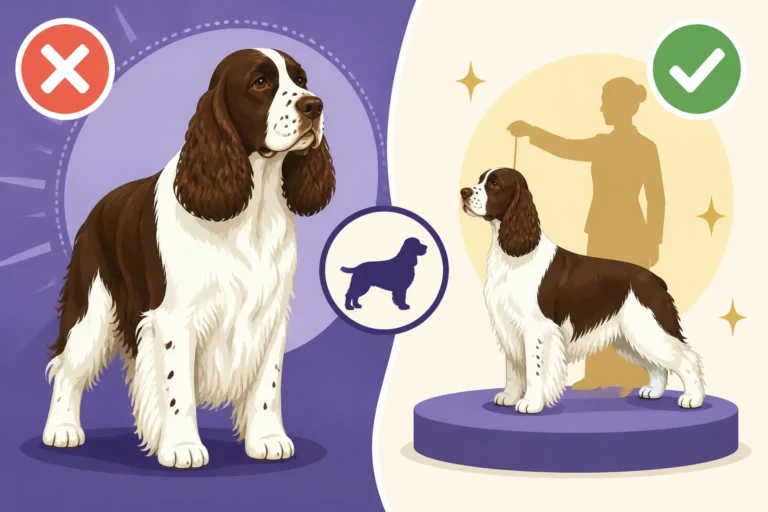
In the days before formalized breed standards and kennel clubs, spaniels were largely categorized by their size and the specific role they played in hunting. It wasn't uncommon for litters of spaniel puppies to contain a variety of sizes and temperaments, and their future "breed" name would often be determined by their adult size and aptitude. Smaller, more compact spaniels that were particularly adept at flushing woodcock from dense cover often became known as "Cockers." The larger, leggy spaniels that could cover more ground and "spring" heavier game were, predictably, called "Springers."
This practical classification meant that even within a single litter, a breeder might decide a pup was destined to be a "cocker" or a "springer" based on its physical development and innate tendencies as it matured. There was less emphasis on uniform appearance and more on functional ability. This flexible system of categorization persisted for a very long time, highlighting how utility drove their differentiation. It wasn't until the early 20th century that the English Kennel Club and later the AKC formally separated these types into distinct breeds. How Springer Spaniels Were Sorted by Size Before 1902 provides a detailed look at this fascinating historical classification.
Adaptability and Intelligence in a Pre-Gun Era
The success of the Springer Spaniel in pre-firearms hunting was not solely due to their physical prowess or instinct. It was equally, if not more, about their remarkable intelligence and their inherent adaptability. These traits allowed them to form complex partnerships with humans, understanding subtle cues and executing intricate tasks without the aid of modern technology or training aids.
Close-Working and Responsive Partners
In an era where hunting required stealth and precision, the early spaniels needed to be incredibly close-working and highly responsive to their handlers. Imagine trying to drive game into a net or flush it for a hawk if your dog was ranging hundreds of yards away, ignoring your commands. It simply wouldn't work. These dogs were bred and trained to operate within a very close radius of the hunter, constantly checking in, reading body language, and reacting instantly to whistles or hand signals. This level of cooperation was paramount, as communication errors could mean the difference between a successful hunt and coming home empty-handed.
This close partnership also fostered a deep bond of trust and understanding. The spaniel needed to trust its handler's judgment, and the handler needed to trust the dog's instincts. This biddability, the innate desire to please and work cooperatively, is still a hallmark of the breed today. Even modern Springers, renowned for their exuberance, often exhibit a "softness" that means harsh corrections are counterproductive. Their sensitive nature demands a thoughtful approach, a trait that likely stems from centuries of needing to be responsive partners rather than independently-working animals. The Soft Springer Spaniel That Shuts Down If You Shout speaks to this very characteristic, showing how deeply ingrained this biddability is.
Scenting Prowess and Perseverance
Without the advantage of long-range firearms, locating game was entirely dependent on the dog's olfactory capabilities. The early Springer Spaniel's nose was, quite literally, their most valuable asset. They possessed an incredible scenting prowess, capable of tracking subtle trails left by birds or small mammals, even in challenging conditions like dense cover or across varied terrain. This keen sense of smell allowed them to systematically work an area, picking up faint traces that a human could never detect.
Coupled with their exceptional nose was an unwavering perseverance. Once a scent was picked up, these dogs would follow it with single-minded determination, pushing through brambles, wading through water, and navigating uneven ground until the quarry was located. This drive to follow a scent, sometimes to the exclusion of all else, is still evident in the breed today, often to the occasional frustration of modern owners whose dogs might get a little too focused on an interesting smell during a walk. Why a Springer Spaniel Puts Its Nose to the Ground and Vanishes perfectly illustrates this enduring trait, reminding us of its ancient utility. This combination of powerful scenting and relentless drive made them unparalleled hunting partners in their time.
Life as a Working Dog in Historical Households
Life for a working spaniel in the pre-firearms era was profoundly different from the pampered existence many of our modern Springers enjoy. They weren't just hunting tools; they were integral members of the household, their existence inextricably linked to the economic and social fabric of the community. Understanding their daily lives offers a deeper appreciation for their resilience and the intrinsic bond they shared with humans.
Not Just a Hunting Tool
While their primary role was undeniably hunting, these early spaniels were often more than mere instruments for obtaining food. In many rural households, especially before the widespread availability of specialized breeds for various tasks, a versatile dog was invaluable. They might have contributed to general farm duties, acted as rudimentary alarm systems against intruders or predators, or even served as companions during long, solitary days. Their intelligence and biddability made them trainable for a range of tasks, even if their specific "job description" wasn't as rigid as it is today. They were, in essence, an all-purpose working animal, respected for their utility and loyalty.
This deep integration into daily life meant that their relationship with humans was often closer and more practical than that of many modern pets. They lived and breathed alongside their families, sharing the hardships and the triumphs. There wasn't a strict line between "house dog" and "working dog"; they were often one and the same, expected to perform their duties and then settle alongside the family in the evenings. This fostered a profound understanding between species, a silent language developed over centuries of shared purpose, which is still echoed in the intense bond Springers form with their families today.
Care and Management for a Valued Asset
Caring for a spaniel in those times was a far cry from today's veterinary science and specialized nutrition. Their survival depended on their health and stamina, so basic care was essential, but it was rudimentary by modern standards. Food would have been whatever was available – scraps from the table, maybe some grain, or whatever small creatures they could catch themselves. There were no specialized kibbles or designer diets. Shelter would likely have been functional, perhaps a simple kennel or a spot by the hearth, rather than a plush bed. Regular grooming, beyond removing burrs and checking for injuries, was probably minimal, especially for the utilitarian field types.
Despite the lack of modern conveniences, these dogs were incredibly valued. A healthy, capable spaniel was an investment, directly contributing to the family's sustenance and well-being. Losing a good working dog to illness or injury was a significant blow. Consequently, care, though basic, was diligent. Injuries from thorns or rough terrain would be tended to with traditional remedies, and owners would be keenly aware of their dog's condition. Today, we have the luxury of accessing a wide array of specialized foods, treats, and grooming supplies from retailers like Chewy, making it easy to keep our Springers in peak condition. Back then, it was a much simpler, often harsher, reality where common sense and observation were the primary tools of canine care. Even today, the need for regular checks, especially after outdoor excursions, remains crucial, reminding us of their past lives.
Legacy: Echoes in the Modern Springer Spaniel
The ancient working methods of the Springer Spaniel, developed long before the advent of firearms, have left an indelible mark on the breed we know and love today. While their modern roles may have evolved, the core instincts and characteristics that made them such invaluable partners centuries ago are still very much present, shaping their temperament, drives, and even their physical appearance.
Innate Drives Still Present
Take a moment to observe a modern English Springer Spaniel, whether they're a pet, a hunt test champion, or a beloved family companion. You'll quickly notice a powerful, innate drive that speaks volumes of their ancestry. That relentless desire to put their nose to the ground and follow a scent trail, sometimes to the exclusion of all else, is a direct echo of their days driving game into nets. Their energetic, bouncy "springing" action, the way they joyfully crash through bushes or tall grass, perfectly mirrors their historical role in flushing game from cover. Even their intense desire to be close to their human, almost always wanting to be involved in whatever you're doing, harks back to the imperative of working in close cooperation with a hunter.
This deep-seated genetic programming means that even a Springer Spaniel kept solely as a pet needs an outlet for these instincts. Without mental and physical stimulation that taps into their heritage, they can become bored, destructive, or anxious. This is why field-bred Springers, in particular, exhibit such high energy and drive; they are closer to their working ancestors. How a Field Bred Springer Spaniel Differs in Drive elaborates on these distinct energy levels and innate instincts. Providing opportunities for scent work, retrieving games, or even just long, exploratory walks allows them to fulfill these ancient urges, leading to a much happier, more balanced dog. Modern tools and toys, easily found on platforms like Chewy, can help satisfy these deeply ingrained drives, offering mental and physical enrichment for these clever dogs.
Understanding Their History to Appreciate Their Present
For any Springer Spaniel owner, or indeed anyone considering bringing one of these wonderful dogs into their lives, understanding their historical purpose is not just an academic exercise. It's a crucial component of truly appreciating and responsibly managing the breed today. When you see your Springer tirelessly quartering your yard, even without game, or notice their unwavering focus on a scent, you're witnessing the living legacy of centuries of selective breeding for a specific, vital role. This history explains why they are so active, so intelligent, so eager to please, and often, so utterly devoted to their people.
Knowing their background helps us set realistic expectations for their energy levels, their training needs, and their social requirements. It highlights why they thrive on purpose and partnership, whether that's through formal gundog training, agility, or simply being an active, engaged member of the family. The English Springer Spaniel is one of the oldest gundog breeds, and How Old the Springer Spaniel Type Is explores their journey through time. Their pre-firearm history isn't just a quaint anecdote; it's the very foundation of their being, a blueprint for the energetic, intelligent, and deeply loyal companion we cherish today. From their natural instinct to quarter to their biddable nature, every characteristic tells a story of a time when their "springing" action was essential for survival.
Disclaimer
This article is for general informational purposes only and does not constitute professional advice. Laws, prices and regulations vary by location and change over time. Consult a qualified professional for guidance on your specific situation.