Whether the Springer Spaniel Is in the Sporting Group
It's a common question, especially for those new to the breed or just dipping their toes into the vast world of dog breeds and their classifications: "Where exactly does the English Springer Spaniel fit in?" When you look at these energetic, intelligent dogs, full of boundless enthusiasm and a keen nose, it's natural to wonder about their official designation. This guide is here to unravel the mystery and explain precisely why the English Springer Spaniel is indeed part of the Sporting Group.
Understanding the American Kennel Club's Grouping System
The American Kennel Club (AKC) organizes recognized dog breeds into specific groups based on their historical function and characteristics. This system isn't just for show dogs; it actually tells us a great deal about a breed's innate drives, temperament, and even their typical care requirements. Knowing which group a dog belongs to offers a shortcut to understanding what makes that breed tick, helping potential owners choose a canine companion that truly fits their lifestyle.
The Purpose of Breed Groups
Breed groups serve several crucial functions, both for the dog fancy community and for everyday owners. Firstly, they help organize events like dog shows, ensuring that judges can compare apples to apples, so to speak, within similar types of dogs. Imagine trying to judge a tiny Chihuahua against a massive Great Dane for conformation; it wouldn't make much sense! Grouping breeds creates a fairer playing field. Beyond competition, these classifications provide invaluable insights into a breed's core purpose. They hint at what the dog was originally bred to do, which in turn influences its physical traits, temperament, and exercise needs. For example, knowing a dog is in the Working Group immediately suggests a powerful build and a need for a job.
Secondly, for prospective dog owners, understanding these groups can be a real game-changer. If you're looking for a low-energy companion, you might steer clear of the Herding Group, regardless of how cute the puppies are. If you need a dog that thrives on outdoor adventures, the Sporting Group becomes a prime area to explore. This system isn't rigid, of course, and individual dogs within a breed can always vary, but it offers a solid starting point for research and expectation management. It's about setting yourself and your future dog up for success by choosing a breed whose inherent traits align with what you can realistically provide.
Beyond the Show Ring: Why Groups Matter to Owners
For many of us, our dogs aren't stepping into a show ring anytime soon. So why should we care about these breed groups? Well, it boils down to understanding the very essence of your dog. A Springer Spaniel being in the Sporting Group isn't just a label; it's a reflection of centuries of selective breeding for specific traits. This means that even if your Springer never sets foot in a field, it will still carry those instincts. They have an innate drive to find game, a desire to work closely with a handler, and an incredible amount of energy.
Consider the implications for daily life: a sporting dog generally needs significant physical exercise to be truly content. This isn't just a quick walk around the block; it often means vigorous activity, like long runs, extended games of fetch, or even organized dog sports. Without an outlet for these natural drives, many sporting dogs can become bored, anxious, or even destructive. They might dig up your yard, chew on furniture, or develop excessive barking habits, not out of malice, but because their fundamental needs aren't being met. Understanding their group helps you anticipate these needs and plan your life accordingly, ensuring a happy, well-adjusted companion rather than a frustrated furry friend.
Decoding the Sporting Group
The Sporting Group is one of the AKC's most popular classifications, filled with breeds that are beloved for their athleticism, intelligence, and generally friendly dispositions. But what exactly defines a "sporting" dog, and what common traits do you find among them? Essentially, these are dogs bred to assist hunters in finding, flushing, and retrieving game birds. They are partners in the field, working alongside humans with remarkable skill and dedication.
Flushing Spaniels: A Key Subgroup
Within the larger Sporting Group, you'll find several distinct subcategories, each developed for a particular hunting style. One of the most prominent, and where our beloved Springer Spaniel firmly resides, is the "Flushing Spaniel" category. As the name suggests, these dogs are experts at flushing game from dense cover. Unlike pointers who will "point" to indicate game, or retrievers who focus on bringing game back, flushers burst into cover, startling birds into flight so the hunter can take a shot.
This role demands a very specific set of characteristics. A flushing spaniel needs to be agile and quick, able to navigate thick brush and tall grass. They require a powerful nose to detect game even when hidden, and a relentless drive to push through difficult terrain. Crucially, they must work within gun range, staying close enough to the hunter for a shot to be taken once the bird is flushed. This close-working style is a hallmark of the Springer Spaniel and a key reason for their historical success in the field. Springing Game: What the Springer Spaniel Name Describes beautifully illustrates this original purpose.
The Core Instincts of a Sporting Dog
When you bring a sporting dog into your home, you're not just getting a pet; you're adopting centuries of finely-tuned instincts. These dogs are purpose-bred, and those purposes manifest in their everyday behaviors. The most prominent instincts include a strong prey drive, an insatiable curiosity driven by scent, and an eagerness to please their human companions. They are often highly motivated by retrieves, whether it's a thrown ball in the park or a bird in the field. This drive to retrieve is deeply ingrained, making them fantastic playmates but also requiring appropriate management to prevent them from "retrieving" things they shouldn't.
Another core instinct is their stamina. These dogs were bred to work all day, often in challenging conditions. This translates into a significant need for physical and mental exercise. A bored sporting dog is rarely a well-behaved one. They crave activity that engages both their bodies and their minds, mimicking the "work" they were originally designed to do. This could be long hikes, agility training, scent work, or even just extensive games of fetch in a large, secure yard. Ignoring these instincts can lead to frustration for both dog and owner. How Much Exercise a Field Bred Springer Spaniel Needs really dives into this aspect.
The English Springer Spaniel's Place in the Sporting Group
So, to answer the burning question directly: Yes, the English Springer Spaniel is absolutely a member of the AKC's Sporting Group. This isn't a random assignment; it's a testament to their long and distinguished history as gundogs. Their entire lineage, going back centuries, has been dedicated to working alongside hunters in the field, utilizing their keen senses and athletic prowess to "spring" game.
A History of Hunting and "Springing"
The English Springer Spaniel's role as a flushing dog dates back to at least the 14th century, long before firearms became common. In those days, they would literally "spring" game – primarily birds – from their hiding places into nets, or flush them for falcons or greyhounds to pursue. With the advent of shotguns, their job evolved to flushing game within gun range, making them indispensable partners for hunters. The name "Springer" isn't just a cute descriptor; it directly refers to this specific hunting action.
This rich working history means that every English Springer Spaniel carries the genetic blueprint of a dedicated gundog. They have the compact, powerful build for navigating dense cover, the long, soft ears to protect against thorns and brambles, and perhaps most importantly, that intense desire to work and please their handler. Even if your Springer has never seen a pheasant, those instincts are there, simmering just below the surface. They love to explore with their nose, to crash through bushes, and to bring things back to you. How Old the Springer Spaniel Type Is gives you an even deeper dive into their fascinating origins.
Field vs. Show: Still a Sporting Dog at Heart
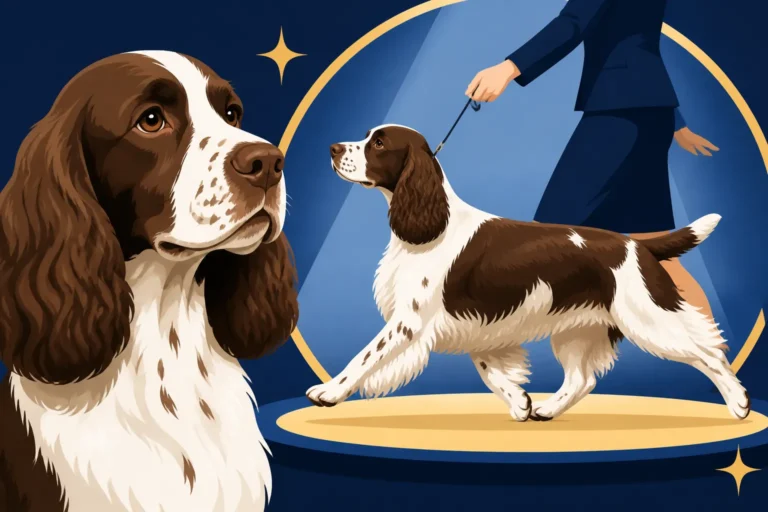
It's true that over the past century, the English Springer Spaniel has diverged into two distinct types: the field-bred Springer and the show-bred Springer. These two types, while genetically the same breed, look and often act quite differently. The field-bred Springer is typically leaner, with a shorter coat and an intense, boundless energy, bred purely for performance in hunting and field trials. The show-bred Springer tends to be heavier-boned, with a longer, fuller coat, bred to meet specific conformation standards for the show ring.
Despite these differences, both types are still fundamentally sporting dogs. A show-bred Springer, even one from a long line of champions, retains many of those core instincts. They will still have a strong drive to retrieve, an excellent nose, and a need for plenty of exercise and mental stimulation. The intensity might be dialed down a notch compared to their field-bred cousins, but the underlying drive is undeniably present. A Field Bred Springer Spaniel Is a Different Dog to Live With really highlights these differences, but ultimately confirms that the spirit of the sporting dog lives on in both.
| Sporting Group Subgroup | Primary Role | Key Traits | Example Breeds |
|---|---|---|---|
| Pointers | Locate game, "point" to indicate | Intense focus, keen scenting, statuesque stance | German Shorthaired Pointer, English Pointer |
| Setters | Locate game, "set" or crouch to indicate | Elegant movement, strong scenting, distinctive setting posture | Irish Setter, Gordon Setter |
| Retrievers | Locate and bring back shot game | Soft mouth, strong swimming ability, eagerness to please | Labrador Retriever, Golden Retriever |
| Flushing Spaniels | Drive game from cover, flush into air | Energetic, agile, strong scenting, close-working | English Springer Spaniel, English Cocker Spaniel |
| Water Spaniels | Retrieve game from water | Water-loving, thick coats, strong swimmers | American Water Spaniel, Irish Water Spaniel |
What Being in the Sporting Group Means for Your Springer
Understanding your Springer's placement in the Sporting Group isn't just academic; it has very real, practical implications for daily life with your canine companion. It dictates everything from their exercise requirements to their trainability and potential behavioral quirks. Embracing these traits, rather than fighting against them, is the key to a harmonious relationship.
Exercise Needs and Mental Stimulation
Let's be blunt: a Springer Spaniel is not a couch potato. Being a sporting dog means they are bred for endurance, speed, and agility. They possess a motor that is always running, and if that energy isn't channeled productively, it can manifest in less desirable ways. They need a lot of exercise – and we're talking about more than just a casual stroll around the block. Think long, brisk walks, vigorous games of fetch that last for a good half hour or more, off-leash running in safe, secure areas, or even structured activities like agility, flyball, or scent work.
Beyond physical exertion, their intelligent minds also require stimulation. Remember, they were bred to think, problem-solve, and work in partnership with a human. Puzzle toys, training sessions that teach new commands, or even just engaging in games that mimic their natural hunting behaviors (like hiding treats for them to sniff out) are incredibly beneficial. A tired Springer, both physically and mentally, is a happy Springer. If you're considering a Springer, be honest with yourself about whether you can commit to providing this level of daily activity. The Daily Routine a Springer Spaniel Actually Needs delves into specifics on structuring their day.
Training for a High-Drive Companion
The intelligence and eagerness to please that make Springers excellent gundogs also make them highly trainable pets. They typically pick up new commands quickly and thrive on having a "job" to do, whether that's learning complex obedience routines or simply fetching the morning paper. However, their high drive and keen nose can also present challenges. They can be easily distracted by interesting scents or moving objects, which means recall training is paramount. A Springer on a scent can be oblivious to your calls, making a reliable "come" command absolutely vital for their safety.
Consistent, positive reinforcement training methods work wonders with Springers. They are sensitive dogs and respond much better to praise, treats, and toys than to harsh corrections. Early socialization and puppy classes are also crucial to help them develop into well-adjusted adults, especially given their enthusiasm for people and other dogs. Investing in good training early on will pay dividends throughout your Springer's life, helping you manage their natural drives and integrate them smoothly into your family. For those interested in their original purpose, Teaching a Springer Spaniel to Hunt Within Gun Range offers insights into specialized gundog training.
Comparing Springers to Other Sporting Breeds
The Sporting Group is a diverse collection of breeds, each with its own specializations. While they all share the common goal of assisting hunters, their methods and inherent characteristics can differ significantly. Understanding where the Springer Spaniel fits within this broader context helps to highlight their unique strengths and personality.
Springer Spaniels vs. Retrievers
When people think of sporting dogs, often the first image that comes to mind is a Labrador or Golden Retriever. These breeds are indeed stalwarts of the Sporting Group, but their primary role differs from that of a Springer Spaniel. Retrievers, as their name implies, were specifically bred to retrieve downed game from both land and water, often waiting patiently until a shot is made before being sent to collect. They are known for their "soft mouths," ensuring game is brought back undamaged, and their incredible focus on their handler's commands for blind retrieves.
Springer Spaniels, on the other hand, are flushing dogs. Their job is more active in the initial phase of the hunt: they are the ones plunging into cover to scare up the birds. While Springers can and do retrieve, it's their flushing instinct that truly defines their work. This means a Springer will typically have a more independent, ground-scenting approach compared to the retrieve-focused, often more biddable nature of a Labrador or Golden waiting for instructions. Both are intelligent and eager to please, but their inherent "jobs" dictate slightly different temperaments and drives. Springer Spaniel or Labrador for Rough Shooting offers a deeper comparison for those considering either breed for hunting.
Springer Spaniels vs. Pointers and Setters
Another significant segment of the Sporting Group includes Pointers and Setters. These breeds have a fascinating and distinct hunting style. Their job is to range far and wide, covering large amounts of ground to find game. Once they detect birds, they "point" – freezing in a statuesque pose, often with one leg raised, to indicate the game's location to the hunter. Setters will often "set" or crouch down to show where the birds are hidden. This requires immense focus, a highly developed scenting ability, and the discipline to hold still once game is located.
Springers, again, operate differently. They work much closer to the hunter, quartering back and forth in a zigzag pattern to cover ground efficiently and flush birds. They don't typically "point" in the same way; their instinct is to push the game out. This means a Springer is often a more "hands-on" partner in the field, constantly moving and engaging with the cover. While both Pointers/Setters and Springers are tireless workers, the close-working, flushing style of the Springer defines their unique contribution to the world of gundogs. The Household a Springer Spaniel Was Built For touches on how these working traits translate into their suitability as family pets.
Disclaimer
This article is for general informational purposes only and does not constitute professional advice. Laws, prices and regulations vary by location and change over time. Consult a qualified professional for guidance on your specific situation.