How to Spot a Heavy Springer Spaniel Under Feathering
It can be incredibly tricky to tell if your beautiful English Springer Spaniel is carrying a few too many pounds. Their luxurious feathering, especially on show-bred lines, can act like a masterful disguise, hiding changes in body shape until they're quite significant. This guide will walk you through practical, hands-on methods and visual cues to help you accurately assess your Springer's body condition, ensuring they stay healthy and active for years to come.
The Challenge of the "Fluffy" Look
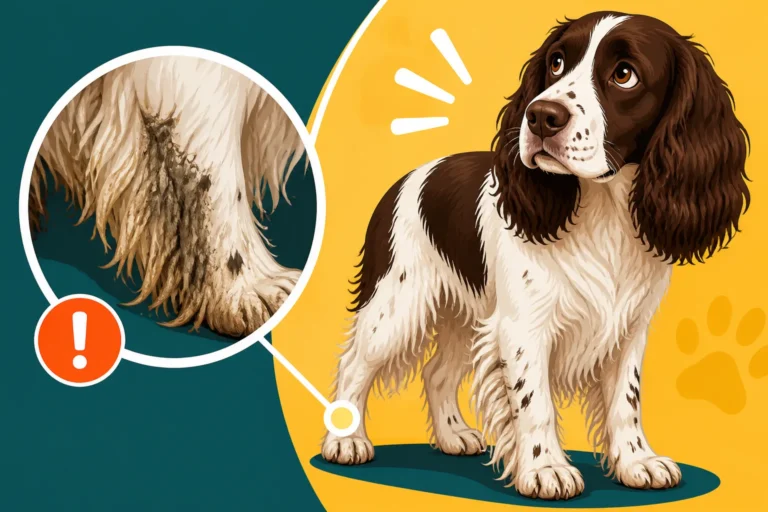
If you've ever felt a pang of worry while looking at your Springer Spaniel, wondering if they're a little chunky under all that gorgeous fur, you're certainly not alone. It's a common frustration among Springer owners! Their signature long, silky coats, particularly the abundant feathering on their legs, chest, and belly, can make it nearly impossible to judge their true physique at a glance. What looks like a healthy, robust dog can, in reality, be a pup carrying excess weight, simply masked by a clever curtain of hair. This isn't about vanity; it's about health. Overweight dogs are prone to a whole host of problems, from joint issues to heart disease, so getting an accurate read on their body condition is essential.
The Deceptive Nature of a Springer's Coat
Imagine trying to guess someone's build when they're wearing a thick, oversized wool sweater. That's essentially what we're up against with a Springer Spaniel's coat. The feathering is designed to protect them from brambles and cold water, but it also creates a visual buffer, blurring the natural lines of their body. You might think your dog has a nice, full chest, but is it muscle and bone, or is it a layer of fat disguised by flowing fur? This deception makes visual assessment unreliable on its own. Many owners don't realize their dog is gaining weight until it's already quite noticeable, often when the dog starts showing other signs of reduced mobility or energy. It's not a reflection of your care; it's just the reality of managing a breed with such a distinctive coat.
Why the Scales Don't Always Tell the Whole Story
While weighing your Springer Spaniel regularly is absolutely a crucial part of monitoring their health, the number on the scale isn't the only thing you should be looking at. Just like with people, two dogs of the same breed and height can have vastly different ideal weights depending on their bone structure, muscle mass, and whether they are a field-bred or show-bred type. A lean, athletic field Springer will naturally weigh less than a more heavily boned show Springer of the same height. So, a number alone, without context, can be misleading. You might find guidance on The Weight a Male Springer Spaniel Should Hold or The Weight a Female Springer Spaniel Should Hold, but remember these are averages. A dog's individual conformation and lifestyle play a huge role. What's truly important is how that weight is distributed and what it feels like on their frame. That's where the hands-on assessment comes into play, giving you a more complete picture of their physical condition.
Hands-On Assessment: The Rib and Spine Test
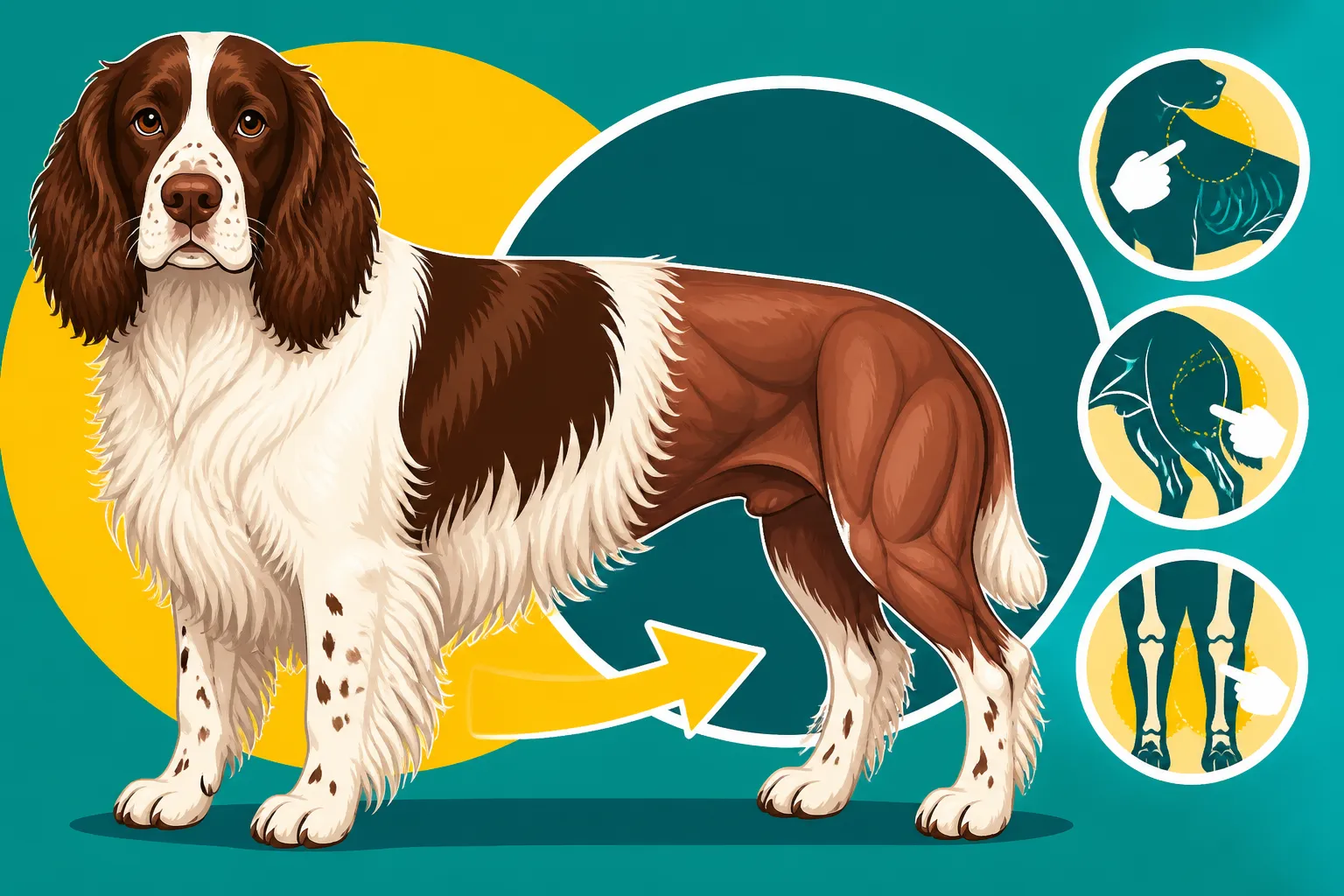
The most accurate way to determine if your Springer Spaniel is at a healthy weight, especially beneath that deceptive coat, is to use your hands. This method, often referred to as a Body Condition Score (BCS), focuses on feeling key bony landmarks. It's something your veterinarian does, and it's something you can easily learn to do at home. Don't be shy; get right in there, beneath the fur, and feel what's truly going on with their body. This direct physical examination will tell you much more than any visual appraisal.
Feeling for Ribs: What You Should and Shouldn't Feel
This is the golden standard. To feel for your Springer's ribs, place both your palms flat on their chest, just behind their front legs. Gently run your fingers along their sides, applying light pressure.
- Ideal Condition: You should be able to easily feel each individual rib bone with your fingertips, almost like feeling the knuckles on your hand. There should be a thin layer of fat covering them, but no thick padding. They shouldn't be sticking out sharply (which indicates being underweight), nor should you have to press hard to feel them (which indicates being overweight). It should be a distinct, tactile sensation.
- Overweight Condition: If you have to press firmly to feel the ribs, or if you can't distinguish individual ribs at all and instead feel a smooth, soft, cushioned surface, your Springer is likely overweight. That thick layer you're feeling is excess fat. It's very common for this to be hidden by the long fur, so a quick visual check won't usually reveal it.
It's a really simple test that yields powerful information, and it only takes a few seconds. Make it a part of your regular grooming or petting routine, so you can track any changes over time.
Checking the Spine and Hip Bones
After checking the ribs, move your hands to other bony areas of your Springer's body. These provide additional clues to their overall body condition.
- Spine: Run your hands gently along your Springer's backbone, from their shoulders down to their tail.
- Ideal Condition: You should be able to feel the individual bumps of the vertebrae (the bones of the spine) with a slight, smooth covering of muscle and a thin layer of fat. They shouldn't feel sharply prominent, but you should definitely be able to count them with light pressure.
- Overweight Condition: If the spine feels like a smooth, rounded ridge, or if you can barely feel the individual vertebrae even with moderate pressure, your dog is likely carrying too much weight. The fat pads over the spine obscure these landmarks.
- Hip Bones (Pelvis): Now, gently feel around your Springer's hips, just above where their hind legs connect to their body.
- Ideal Condition: You should be able to feel the tops of their hip bones (the iliac crests) with a thin layer of skin and muscle over them. They should be palpable but not jutting out.
- Overweight Condition: If you can't easily feel the hip bones, or they feel deeply embedded under soft tissue, this is another strong indicator of excess body fat.
Combined with the rib check, assessing the spine and hip bones gives you a comprehensive picture of your dog's current condition. Regularly performing these checks means you can catch weight gain early, before it becomes a significant health concern.
Here’s a quick summary table for your hands-on check:
| Body Area | Ideal Condition (What you should feel) | Overweight Condition (What you will feel) |
|---|---|---|
| Ribs | Easily feel individual ribs with light pressure, thin fat layer. | Need to press firmly to feel ribs, or feel smooth, cushioned surface. |
| Spine | Easily feel individual vertebrae with light pressure, smooth muscle/fat cover. | Feels like a smooth, rounded ridge; hard to feel individual vertebrae. |
| Hip Bones | Easily feel the tops of hip bones (iliac crests) with thin covering. | Hip bones are difficult to feel, embedded under soft, padded tissue. |
Visual Cues Beyond the Fluff
While the hands-on approach is your most reliable tool, there are still some visual cues that can hint at a Springer Spaniel carrying too much weight, even with their deceptive coat. You just need to know where to look and what subtle changes to notice. These visual signs often become more apparent as weight gain progresses, so ideally, you'll catch things earlier with your touch test.
Looking for a Waistline and Abdominal Tuck
Even with all that fur, a healthy Springer Spaniel should still possess some discernible body shape when viewed from above and from the side.
- From Above: Stand directly over your Springer and look down at their back.
- Ideal Condition: A healthy Springer should have a distinct, gentle indentation behind their ribs, forming a "waistline." Their body should narrow slightly from their rib cage to their hips. This creates a pleasing, hourglass-like shape, even if subtle beneath the fur.
- Overweight Condition: If your Springer looks more like a straight line or even bulges out from the ribs to the tail, they've lost their waistline due to fat deposits. The fur might still camouflage the extent, but the lack of an obvious tuck is a red flag.
- From the Side (Abdominal Tuck): Look at your Springer's profile while they're standing.
- Ideal Condition: Their abdomen (belly) should tuck up slightly from their chest to their hind legs, not hanging straight down. This "tuck" shows that their abdominal muscles are firm and there's not excessive fat in the belly region.
- Overweight Condition: If their belly hangs low, is distended, or shows no discernable tuck-up, this is a clear sign of excess fat. This can be especially noticeable on dogs that might not look overtly large from the top but have a sagging midsection.
Again, the feathering might make these subtle, but a careful, critical eye can still pick up on the changes. Regular photos can also help you track these nuances over time, as sometimes a gradual change is hard to spot day-to-day.
Changes in Movement and Energy Levels
Beyond their physical shape, your Springer Spaniel's behavior and energy levels can be strong indicators of whether they're gaining too much weight. Springers are naturally energetic dogs, built for activity, so a noticeable drop in their typical zest for life should always prompt investigation.
- Reduced Enthusiasm for Activity: A dog that's usually eager for a walk or a game of fetch might become more hesitant, slower to get up, or simply less enthusiastic about physical activity. They might lag behind on walks where they once pulled ahead, or tire more quickly than before. While The Age a Springer Spaniel Finally Settles can be a factor, a sudden or significant change can point to weight gain.
- Difficulty with Movement: You might notice them struggling with stairs, hesitating before jumping into the car, or just generally moving with less agility. They might pant more easily after even moderate exertion. This isn't just a sign of discomfort; extra weight puts immense strain on their joints, potentially exacerbating issues like Hip Dysplasia in a Springer Spaniel or Elbow Dysplasia in a Springer Spaniel. This added stress can lead to pain, which further reduces their desire to move, creating a vicious cycle of weight gain and decreased activity.
- Increased Laziness or Sleeping: While all dogs enjoy a good nap, an overweight Springer might spend an unusual amount of time sleeping or simply lying around, preferring sedentary activities over engagement. This isn't laziness; it's often a sign that their body is working harder just to support the extra pounds, making them more fatigued.
If you observe these behavioral changes in conjunction with a hands-on assessment that suggests weight gain, it's time to take action.
Managing Weight in Your Feathered Friend
Okay, so you've done the touch test, maybe noticed some visual cues, and you suspect your Springer Spaniel is indeed a little on the heavy side. Don't panic! This is a common issue, and with consistent effort, you can help your dog return to a healthy weight. The key is a multi-faceted approach involving diet, exercise, and regular monitoring. It's about making sustainable lifestyle changes, not just a temporary fix.
Adjusting Diet and Portion Control
This is often the biggest piece of the puzzle. Even small adjustments can make a huge difference over time.
- Measure Everything: The first step is to stop "eyeballing" portions. Invest in a proper measuring cup and stick to the recommended feeding guidelines on your dog's food bag. These guidelines are a starting point, and you may need to reduce them if your dog is gaining weight. For example, if you're trying to figure out How Much a Pet Springer Spaniel Should Eat, these guides are essential.
- Reduce Calories: This doesn't necessarily mean switching foods, though sometimes a "light" or "weight management" formula can help. Often, simply feeding less of their current high-quality food is effective. Cut back gradually, perhaps by 10-20% initially, and monitor their weight over a couple of weeks.
- Healthy Treats: Those little training treats or bedtime biscuits add up! Choose low-calorie options or use fresh vegetables like carrot sticks, green beans, or apple slices (without seeds) as healthy, satisfying alternatives. If you get treats from places like Chewy or Amazon, make sure to read the calorie counts.
- Consider "Fresh" Options: Some owners find success with fresh food diets, like those offered by Ollie, as they can sometimes be more nutrient-dense and satisfying without as many filler calories. However, portion control remains paramount regardless of the food type.
- No Table Scraps: This is a hard one, especially with those pleading Springer eyes! But table scraps are often high in calories, fat, and things that aren't good for dogs. Resist the urge, no matter how much they beg.
Remember, consistency is key. Get the whole family on board with the new feeding plan.
Increasing Appropriate Exercise
Diet control is vital, but exercise burns calories and builds muscle, which is just as important for a healthy, active Springer Spaniel.
- Consistency is Crucial: Aim for regular, daily exercise. This isn't about one marathon session a week, but consistent activity every day. For guidance on How Much Exercise a Show Bred Springer Spaniel Needs or How Much Exercise a Field Bred Springer Spaniel Needs, remember that both types need significant activity, even if a field-bred dog requires more intense work.
- Variety of Activities: Don't just stick to the same walk every day. Incorporate different activities to keep things interesting and work different muscle groups. Fetch in the park, a hike on a new trail, swimming (great for joints!), or even some scent work in the yard can be fantastic.
- Gradual Increase: If your Springer is currently overweight and out of shape, don't suddenly launch into an intense exercise regimen. Start slowly and gradually increase the duration and intensity of activities. Just like us, they need to build up their stamina. A short, brisk walk can turn into a longer jog, then eventually off-leash running in a safe area. If your dog is older, What Changes in an Old Springer Spaniel's Care will include careful management of exercise.
- Interactive Play: Engage their minds and bodies with games. Puzzle toys for mental stimulation, or simply throwing a bumper for retrieves, can be excellent ways to burn energy and satisfy their natural instincts. This also helps with Keeping a Springer Spaniel at a Working Weight even if they aren't working professionally.
Always pay attention to your dog's signals. If they're limping, excessively panting, or seem exhausted, it's time for a break. Push too hard, and you risk injury or making them averse to exercise.
Regular Vet Checks and Professional Guidance
You are your Springer's primary caregiver, but your veterinarian is your most important partner in their health journey.
- Schedule a Check-up: If you suspect your Springer is overweight, the first thing to do is schedule a vet visit. Your vet can give you an accurate Body Condition Score, rule out any underlying medical conditions that might be contributing to weight gain (like hypothyroidism, for example), and help you develop a safe and effective weight loss plan. They can provide specific calorie targets and exercise recommendations tailored to your dog's age, health, and activity level.
- Weigh-Ins: Most vet clinics are happy to let you pop in for free weigh-ins between appointments. This allows you to track progress and make adjustments to their food or exercise as needed. Seeing that number steadily decline can be incredibly motivating for both you and your vet!
- Discuss Supplements: For an overweight dog, especially one that might already have joint issues from the extra strain, your vet might recommend joint supplements. While these won't cause weight loss, they can help support joint health and improve comfort, making exercise more feasible and enjoyable.
- Don't Be Afraid to Ask Questions: If you're struggling, if your dog isn't losing weight, or if you have concerns about Taking Weight Off a Springer Spaniel That Is Not Working, don't hesitate to reach out to your vet. They are there to support you and your dog. Remember, helping your Springer maintain a healthy weight is one of the best things you can do to ensure they live a long, happy, and active life with you.
Disclaimer
This article is for general informational purposes only and does not constitute professional advice. Laws, prices and regulations vary by location and change over time. Consult a qualified professional for guidance on your specific situation.