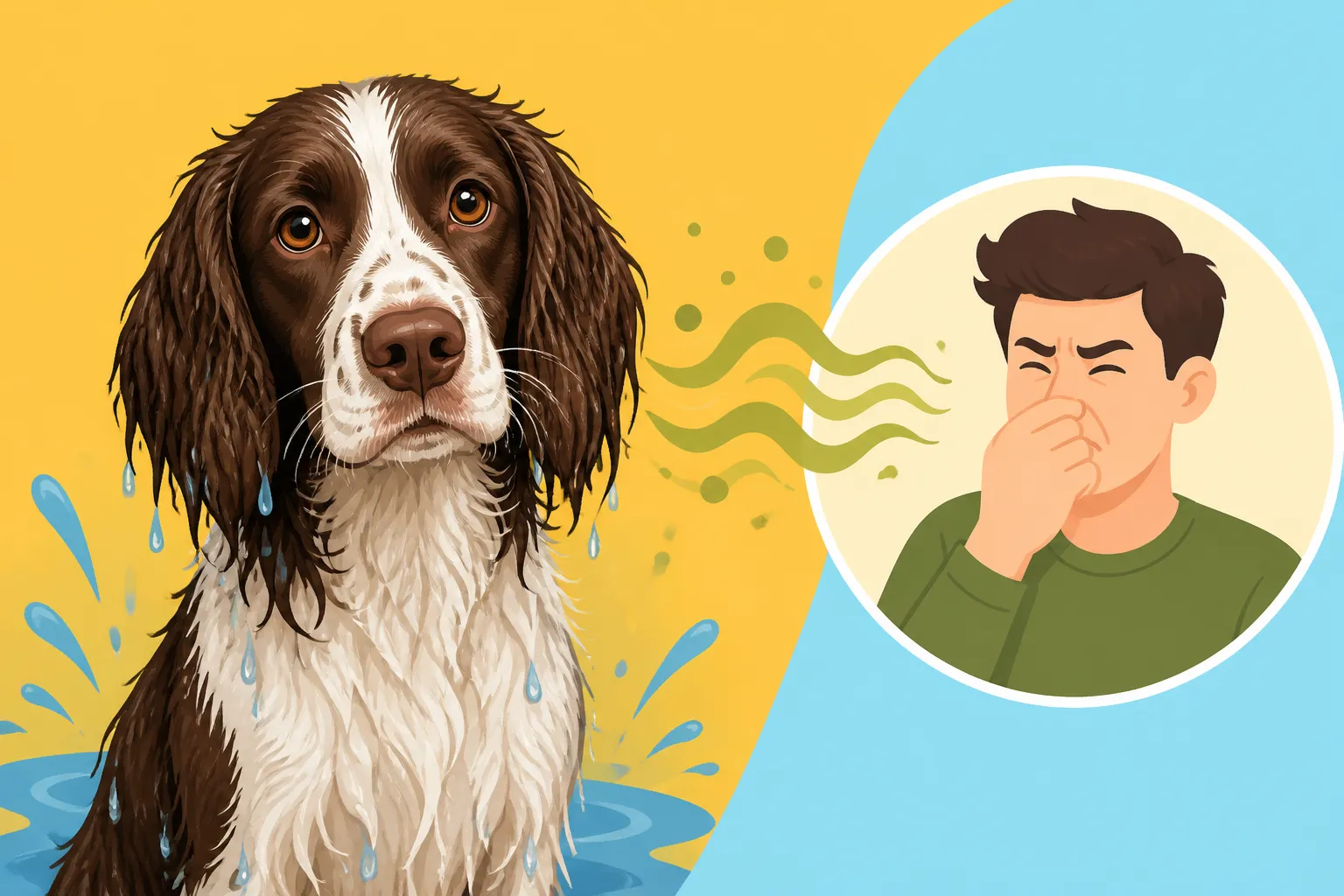
Whether a Wet Springer Spaniel Smells
If you're a proud Springer Spaniel parent, you know the boundless joy and energy these incredible dogs bring into our lives. But let's be honest, there's one particular aspect that can sometimes test our devotion: that unmistakable, often overpowering, "wet dog smell." Whether it's after a triumphant splash in a muddy puddle, a refreshing dip in the lake, or just a simple walk in the pouring rain, your otherwise sweet-smelling companion can transform into a walking olfactory challenge. This isn't just an inconvenience; it can truly permeate your home, car, and even your clothes, leaving you wondering if it's just part of dog ownership or if there's something more going on. This comprehensive guide will explore the science behind why a wet Springer Spaniel smells, what factors exacerbate the issue, and crucially, how you can effectively manage and prevent that notorious odor, ensuring both you and your furry friend can enjoy those wet adventures without the lingering funk.
The Science Behind the 'Wet Dog' Odor in Your Springer Spaniel
It’s not just your imagination; a wet dog really does smell different, and often much stronger, than a dry one. While all dogs have a natural scent, water acts as a catalyst, amplifying it in ways that can make even the most dedicated dog owner wrinkle their nose. Understanding why this happens is the first step toward tackling the issue with your beloved Springer.
Microbes and Moisture: The Unholy Alliance
The primary culprits behind the classic wet dog smell are microscopic organisms: bacteria and yeasts. These tiny residents live naturally on your Springer Spaniel's skin and coat, just like they do on ours. They are generally harmless and part of a healthy skin microbiome. However, when your dog gets wet, these microbes begin to multiply rapidly in the moist environment.
What you're really smelling are volatile organic compounds (VOCs). These compounds are the waste products released by the bacteria and yeasts as they go about their business. Think of it like a tiny, invisible factory working overtime. When the coat is dry, these VOCs are released slowly and dissipate quickly, so the smell isn't as noticeable. But once water hits the coat, it essentially becomes a perfect breeding ground. The water also helps to break down the natural oils and dander on your dog's skin, which further feeds these microbes and allows the VOCs to be released more efficiently into the air. This is why a quick splash can lead to a surprisingly potent odor.
A Springer Spaniel's dense double coat and those famously long, silky featherings are particularly adept at trapping moisture. Unlike a short-coated breed where water might evaporate relatively quickly, a Springer's fur acts like a sponge, holding onto water close to the skin for extended periods. This prolonged dampness provides an ideal, warm, and humid environment for bacterial and yeast growth, leading to an intensified and longer-lasting odor.
A Springer's Natural Oils and Environment
Beyond the microbial feast, your Springer Spaniel’s own biology plays a role. Dogs have natural sebum, an oily substance produced by glands in their skin, which helps to keep their coat healthy and waterproof. While essential for skin and coat health, this sebum can also be a food source for bacteria and yeasts. When wet, this sebum can become more prominent, contributing to the overall scent profile.
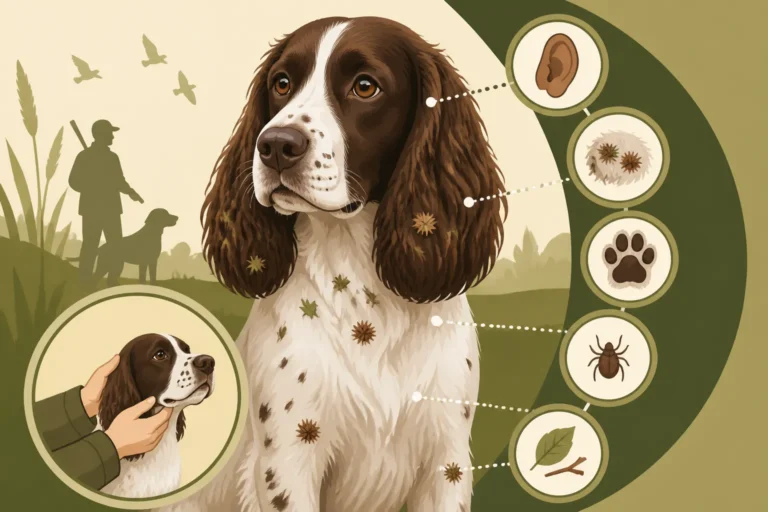
Furthermore, consider the environment your Springer loves to explore. Whether they're plunging into a murky pond, rolling in damp leaves, or just getting soaked on a rainy walk, their coat picks up all sorts of external particles. Mud, pollen, decaying organic matter, and even stagnant water from puddles can cling to their fur. These environmental elements then mix with the natural skin oils and microbes, creating a complex cocktail of smells. It’s not just the "dog" smell, but a unique blend of "dog-and-everything-they've-been-in" smell. This is particularly true for working Springers, who spend a lot of time in varied outdoor conditions. You might wonder How Often a Working Springer Spaniel Gets Washed, and the answer often hinges on how often they encounter these odor-inducing environments. It's a constant battle, and their coat's ability to retain moisture means Why a Springer Spaniel's Coat Holds Odor is a question many owners grapple with daily.
Factors That Intensify Your Springer Spaniel's Wet Smell
While the basic science of microbes and moisture applies to all dogs, several factors specific to your Springer Spaniel can dial that wet dog smell up to eleven. Recognizing these can help you pinpoint the best strategies for mitigation.
Coat Type and Maintenance
English Springer Spaniels come in two main types: field-bred and show-bred. While both possess that beautiful, water-resistant double coat, there are subtle differences that can impact how much water they retain and, consequently, how much they smell when wet.
- Show-bred Springers: These dogs typically have a longer, thicker, and more profuse coat with extensive feathering on their legs, chest, and belly. This magnificent coat, while stunning in the show ring, acts like a giant sponge. It can absorb and hold a remarkable amount of water, keeping the skin damp for much longer periods. If not thoroughly dried, especially in colder weather, this thick fur provides a perfect, insulated, moist environment for microbial growth. The sheer volume of The Feathering a Show Springer Spaniel Drags Through Everything means there's simply more surface area to trap water and debris, leading to a more pronounced and persistent wet smell. Regular, thorough grooming is not just about aesthetics for these dogs; it’s a critical part of odor management.
- Field-bred Springers: Generally, field lines have a somewhat shorter, coarser, and less abundant coat with less feathering, bred for practicality and ease of movement in dense cover. While still a double coat and water-resistant, it tends to dry faster than the lavish coat of a show Springer. However, these dogs are often more enthusiastic about water and outdoor activities, meaning they get wet more frequently and often in grimier conditions. Even with a "less" pronounced coat, a field Springer that's spent an hour splashing in a mucky bog will still bring home a significant odor.
Regardless of type, proper drying after any water exposure is paramount. Simply towel-drying might remove surface moisture, but the undercoat can remain damp. Furthermore, a coat that isn't regularly brushed can develop mats and tangles, which further trap moisture and debris, creating localized pockets of odor-producing bacteria. Regular brushing also helps remove loose hair, dander, and environmental particles that contribute to smell. If your Springer sheds How Much a Springer Spaniel Sheds Into a House, imagine how much of that shedding hair is also contributing to the microbial feast when wet.
Underlying Skin and Ear Issues
Sometimes, a persistent or particularly foul wet dog smell isn't just about normal microbes; it can be a sign of an underlying health issue. Springers are prone to certain conditions that can exacerbate odor.
- Allergies: This is a huge one for many Springers. Environmental allergies (pollen, dust mites) or food sensitivities can manifest as itchy skin, redness, and inflammation. This irritated skin is more susceptible to secondary bacterial or yeast infections, which produce their own distinct, often pungent, smell. When this compromised skin gets wet, the existing microbial overgrowth goes into overdrive, leading to a much stronger and more unpleasant odor. Owners often find themselves searching for medicated shampoos or topical treatments on sites like Chewy or Amazon to help manage these issues.
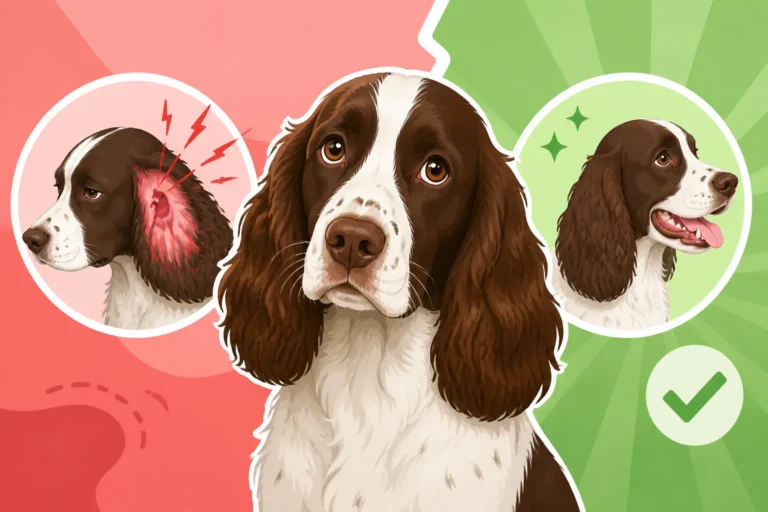
- Ear Infections: Springer Spaniels are notorious for ear problems, thanks to their long, floppy ears that hang close to the side of their heads. This ear conformation creates a warm, moist, and dark canal – another perfect breeding ground for bacteria and yeast, especially after getting wet. An ear infection will produce a very strong, often yeasty or sickly sweet, odor that can become even more noticeable when the dog is wet. Many owners are painfully familiar with Why a Springer Spaniel's Ear Traps Moisture and Signs a Springer Spaniel Has an Ear Infection. If you suspect an ear infection, a vet visit is crucial.
- Seborrhea: Some Springers can suffer from seborrhea, a condition that causes the skin to become excessively oily (seborrhea oleosa) or dry and flaky (seborrhea sicca). Oily seborrhea, in particular, leads to a greasy coat and a distinct, often rancid, smell. When this coat gets wet, the smell can become overpowering, as the excess oil provides ample food for odor-producing microbes. This often highlights broader issues with The Skin Under a Springer Spaniel's Coat.
Diet and Overall Health
What goes into your Springer Spaniel can definitely affect what comes out in terms of scent.
- Diet Quality: A diet lacking in essential nutrients, particularly omega-3 fatty acids, can negatively impact skin and coat health. A dry, dull, or excessively oily coat can be more prone to microbial overgrowth and, therefore, a stronger smell when wet. Conversely, a high-quality diet that supports healthy skin can reduce overall odor. Brands like Ollie, known for their fresh, human-grade ingredients, often boast improved coat health as a benefit, and many owners report a reduction in overall "doggy" smell once their Springers are on such a regimen. You might consider Whether Fresh Food Changes a Springer Spaniel's Skin if you're struggling with persistent odor.
- Digestive Issues: Less common, but sometimes chronic digestive upset can subtly influence a dog's overall scent. While not directly related to wet fur, a dog with an imbalanced gut microbiome or chronic inflammation might have a slightly different metabolic profile, which could contribute to a generalized "off" smell that becomes more prominent when wet.
- Other Medical Conditions: Though rarer, certain metabolic diseases or conditions affecting the kidneys or liver can alter a dog's scent. If you've noticed a sudden, significant change in your Springer's body odor that seems unrelated to cleanliness or getting wet, and it persists even after grooming, it's always best to consult your veterinarian to rule out any underlying health issues.
Proactive Strategies to Combat the Wet Dog Smell
The best offense is a good defense, and when it comes to the wet Springer Spaniel smell, proactive care makes all the difference. Incorporating a few key habits into your routine can drastically reduce the intensity and frequency of that notorious odor.
Thorough Drying and Grooming Routine
This is arguably the most critical step. Getting your Springer Spaniel thoroughly dry after any water exposure will starve those odor-causing microbes of the moisture they need to thrive.
- Post-Swim/Rain Drying Techniques:
- Towel Dry Vigorously: Don't just dab! Use absorbent microfibre towels and really rub down your Springer's coat, paying extra attention to the dense undercoat, chest, belly, and especially the long featherings and ears.
- High-Velocity Dryer: If your Springer tolerates it, a high-velocity dog dryer is an absolute game-changer. These aren't like human hair dryers; they blow cool or warm (not hot) air with immense force, effectively blasting water out of the coat right down to the skin. This significantly speeds up drying time and ensures the undercoat is bone-dry. You can find excellent options on Amazon. Even if you only get them 80% dry with a towel, finishing with a force dryer can prevent that lingering dampness.
- Air Drying (with caution): If air drying is your only option, ensure your Springer is in a warm, well-ventilated area and keep them moving if possible. Avoid confining them to a crate while still damp, as this creates a humid environment perfect for bacterial growth.
- Regular Brushing: Consistent brushing, even when your dog is dry, helps immensely. It removes loose, shedding hair, which can trap moisture and harbor microbes. It also distributes natural skin oils, preventing buildup in one area and promoting overall coat health. For Springers, a slicker brush and a good de-shedding tool can be invaluable.
- Trimming Feathering: While a hallmark of the breed, a Springer's extensive feathering can be a magnet for moisture, mud, and debris. Keeping the feathering on their legs, belly, and hindquarters trimmed to a manageable length can significantly reduce the amount of water they carry around and speed up drying time. This doesn't mean clipping them short all over, but a tidy-up can make a huge difference. Trimming a Springer Spaniel's Feathering is a skill worth learning or entrusting to a professional groomer.
Consistent Ear and Skin Care
Given Springers' predisposition to ear and skin issues, diligent care in these areas is non-negotiable for odor prevention.
- Weekly Ear Cleaning: Those beautiful drop ears are prone to infections because they trap moisture and limit air circulation. Make it a habit to clean your Springer's ears weekly, even if they appear healthy. Use a veterinarian-approved ear cleaner (many great options are available on Chewy) and cotton balls (never cotton swabs, which can push debris deeper). Gently wipe the visible parts of the ear canal. This helps remove wax, dirt, and any lingering moisture that could lead to microbial overgrowth. If your dog frequently swims, Drying a Springer Spaniel's Ears After Swimming is an essential step immediately afterward. Understanding How Often a Drop Eared Springer Spaniel Needs Cleaning is key to preventing problems.
- Post-Water Ear Drying: After any swim or bath, thoroughly dry the inside of your Springer's ears with a soft towel or cotton ball. A few drops of a veterinarian-recommended drying solution can also be beneficial, especially for avid swimmers.
- Regular Skin Checks: Get to know your Springer’s skin. Part their fur regularly and check for redness, rashes, bumps, or any unusual odors emanating directly from the skin. Hot spots, typically caused by excessive licking or scratching, can appear suddenly and become very smelly quickly. Early detection allows for prompt treatment, preventing a minor irritation from becoming a full-blown, odorous infection. It's not just about aesthetics; Whether a Springer Spaniel's Ears Should Be Checked Weekly is vital for their comfort and your nose!
Diet, Supplements, and Environment
What you feed your Springer and the cleanliness of their living space also contribute to their overall scent.
- High-Quality Diet: A balanced, high-quality diet provides the necessary nutrients for a healthy skin barrier and a robust immune system, both of which are crucial for preventing skin issues that can lead to odor. Look for foods with good sources of protein and healthy fats. Some owners find that switching to fresh food diets, like those offered by Ollie, makes a noticeable difference in their dog's coat condition and overall smell.
- Omega Fatty Acid Supplements: Adding omega-3 and omega-6 fatty acid supplements (like fish oil) to your Springer's diet can do wonders for their skin and coat health. These essential fatty acids reduce inflammation, improve skin barrier function, and can lead to a healthier, less oily, or less dry coat, ultimately reducing the likelihood of odor. Always consult your vet before adding any new supplements.
- Maintaining a Clean Home Environment: Your Springer spends a lot of time on their bed, blankets, and your furniture. These items can absorb and hold onto doggy smells, especially if your dog is frequently damp. Regularly wash your dog's bedding, blankets, and any removable couch covers with a pet-safe detergent. Using enzymatic cleaners for accidents or refreshing carpets can also help neutralize odors rather than just masking them.
Addressing Persistent Odor and When to Seek Professional Help
Despite your best efforts, sometimes that wet dog smell lingers, or it signals something more serious. Knowing when to escalate your efforts or seek expert advice is crucial for your Springer's well-being and your peace of mind.
Deep Cleaning and Odor Neutralization
If the smell persists even after thorough drying, it might be time for a more intensive cleaning regimen.
- Bathing with Deodorizing Shampoos: For a truly effective bath, use a shampoo specifically formulated to neutralize odors. Many pet shampoos contain ingredients like baking soda, charcoal, or specific enzymes that break down the odor-causing compounds rather than just masking them with fragrance. Follow the instructions carefully, ensuring you leave the shampoo on for the recommended contact time (often 5-10 minutes) to allow it to work its magic, and rinse thoroughly to prevent skin irritation. You can find a wide range of these products on Chewy or Amazon. For Springers, who can be quite active, knowing How Often a Field Springer Spaniel Gets Bathed might guide your shampoo choices.
- Odor-Neutralizing Sprays: For quick refreshers between baths, especially if your dog got damp but not necessarily dirty, an enzymatic odor-neutralizing spray can be helpful. These sprays work by breaking down the odor molecules, rather than simply covering them up with perfume. Apply to a dry coat, focusing on areas that tend to be most odorous.
- Laundry Tips for Dog Bedding: Invest in machine-washable dog beds and blankets. Wash them frequently (at least once a week, more if your dog is particularly smelly or prone to skin issues) using a pet-safe laundry detergent. Adding a cup of white vinegar to the rinse cycle can also help neutralize odors in fabrics. For really stubborn smells, a pre-soak with an enzymatic cleaner designed for pet odors can make a big difference.
When to Consult Your Vet
Sometimes, the persistent odor isn't just about wetness; it's a symptom of an underlying medical problem that requires professional attention.
- Signs Indicating a Medical Issue: If you notice any of the following alongside a strong or unusual odor, it’s time for a vet visit:
- Excessive Itching, Licking, or Chewing: If your Springer is constantly scratching, licking their paws, or chewing at their skin, it's a clear sign of discomfort.
- Redness, Rashes, or Bumps: Inspect their skin, especially in damp areas like armpits, groin, and under the ears. Any visible skin irritation warrants attention.
- Discharge or Crusts: Foul-smelling discharge from the ears or eyes, or crusty lesions on the skin, are red flags for infection.
- Hair Loss: Patchy hair loss can indicate skin infections, allergies, or other dermatological problems.
- A "Different" Smell: If the odor is not the typical "wet dog" but rather distinctly yeasty, rancid, sickly sweet, or otherwise unusual, it could point to a specific bacterial or yeast infection.
- Whether a Springer Spaniel's Ear Infection Recurs: If ear issues are a constant struggle, your vet needs to investigate further.
- Diagnosis of Allergies, Infections, or Other Conditions: Your vet can perform a thorough examination, which may include skin scrapes, cytology (microscopic examination of skin or ear samples), blood tests, or allergy testing to identify the root cause of the odor. They can then prescribe appropriate treatments, such as medicated shampoos, antibiotics, antifungals, or allergy medications like Apoquel for a Springer Spaniel's Itch. Addressing the underlying medical issue is the only way to truly eliminate the associated odor.
Professional Grooming Benefits
Don't underestimate the power of a professional groomer, especially if your Springer has a dense coat or you struggle with thorough drying at home.
- Expert Bathing and Drying: Professional groomers have access to high-quality shampoos, powerful force dryers, and specialized techniques that can achieve a level of cleanliness and dryness often difficult for owners to replicate at home. They are skilled at getting right down to the skin, even through thick undercoats and copious feathering.
- Demolishing and De-shedding Services: Groomers can effectively remove mats and perform de-shedding treatments that pull out dead undercoat. This improves air circulation to the skin, reduces moisture retention, and provides less material for odor-causing microbes to cling to.
- Specialized Trims: A professional groomer can give your Springer a practical trim that reduces feathering where it's most problematic for moisture and debris, while still maintaining the breed's aesthetic. They can also offer advice on at-home maintenance specific to your dog's coat type and lifestyle. If you own a show-bred Springer, you might be familiar with What a Full Groom on a Show Springer Spaniel Costs, but it’s often an investment in both appearance and hygiene.
Ultimately, while a wet Springer Spaniel might always carry a hint of their adventurous spirit in their scent, a consistent routine of proper drying, diligent grooming, ear and skin care, and a healthy diet can significantly reduce that notorious "wet dog smell." If the odor persists or is accompanied by other worrying signs, don't hesitate to consult your veterinarian, as it could be a signal that your beloved companion needs a little extra help.
| Action Category | Preventative Measures | Reactive Solutions |
|---|---|---|
| Grooming | Regular brushing, feather trimming, thorough drying with force dryer | Deodorizing shampoos, professional de-shedding, dematting |
| Hygiene | Weekly ear cleaning, post-water ear drying, regular skin checks | Medicated ear drops (vet prescribed), topical treatments for skin |
| Diet & Health | High-quality food (e.g., Ollie), omega supplements, routine vet visits | Allergy treatments, specialized prescription diets, antibiotics/antifungals |
| Environment | Wash dog bedding weekly, use pet-safe laundry detergent, keep home clean | Deep cleaning fabrics/carpets with enzymatic cleaners, air purifiers |
Disclaimer
This article is for general informational purposes only and does not constitute professional advice. Laws, prices and regulations vary by location and change over time. Consult a qualified professional for guidance on your specific situation.