Whether Thinning Shears Beat Clippers on a Springer Spaniel
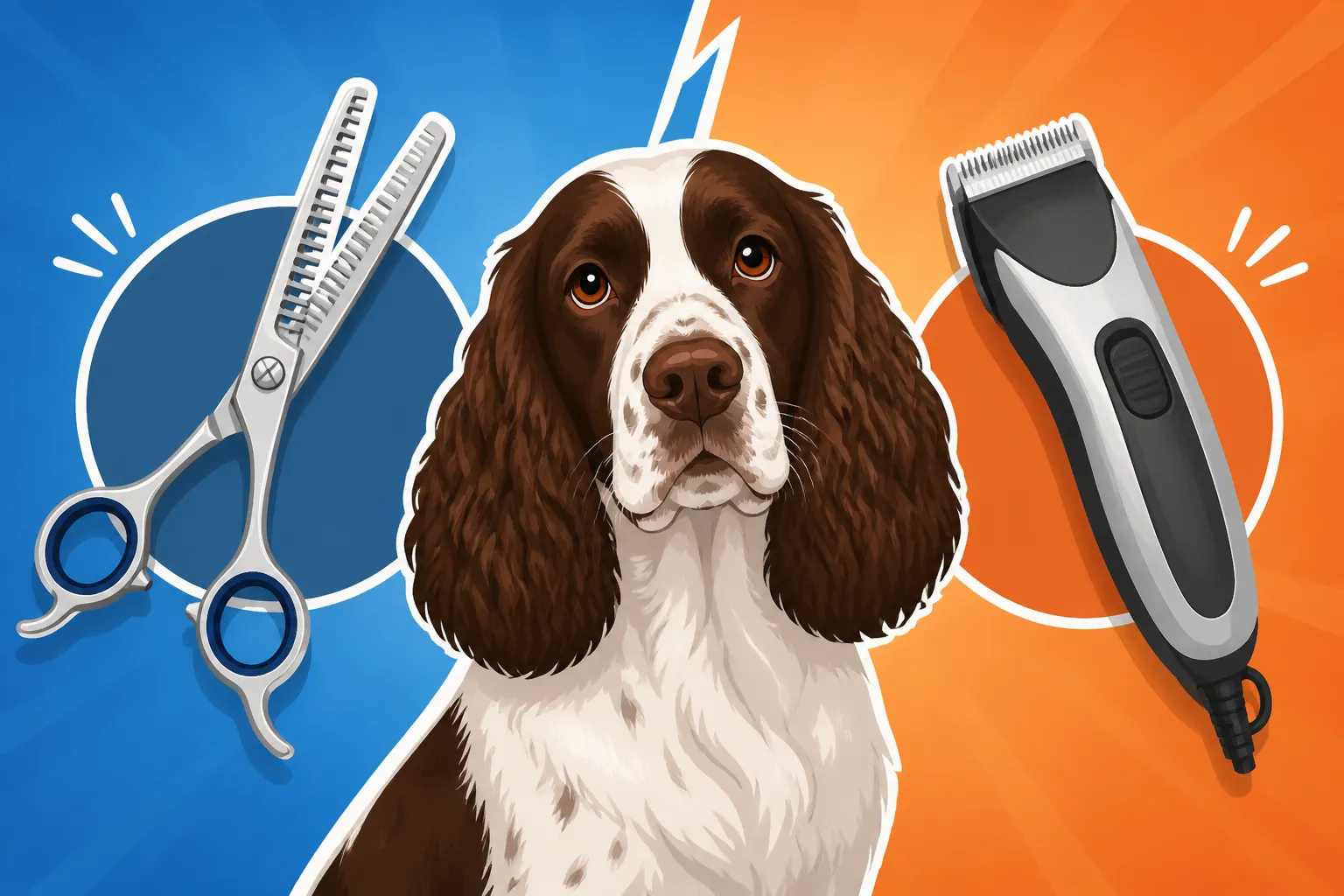
One of the biggest head-scratchers for Springer Spaniel owners, especially those new to the breed, is how on earth to manage that glorious, yet often unruly, coat. You hear all sorts of advice floating around – some swear by clippers for speed, while others insist only thinning shears will do. This guide will walk you through the nuances of grooming your Springer, helping you understand when to reach for clippers versus thinning shears, and why the choice profoundly impacts your dog's comfort and coat health.
Understanding the Unique Springer Spaniel Coat
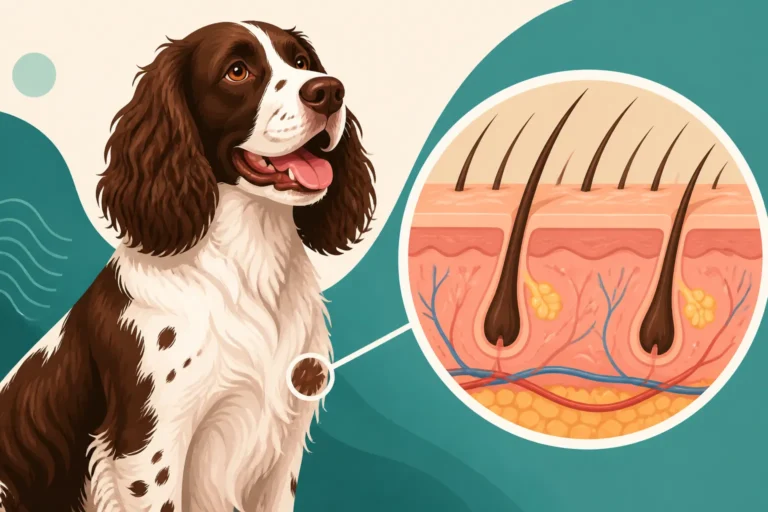
Before we even talk about specific tools, it's crucial to appreciate what kind of coat your Springer Spaniel actually has. They aren't like some other breeds with simple hair that just grows and grows; Springers possess a beautiful double coat designed for protection and function. This coat is key to their heritage as a flushing gundog, shielding them from harsh weather and prickly underbrush.
The Double Coat and Its Purpose
Your Springer has two distinct layers of coat. The outer coat, or guard hairs, is coarser, slightly wiry, and water-resistant. This is the protective layer, the one that keeps rain, snow, and mud from soaking right through to their skin. Underneath that, there's a softer, denser undercoat that provides insulation, keeping them warm in winter and helping to regulate their temperature in summer. These two layers work in harmony, offering natural protection and keeping your dog comfortable in various conditions.
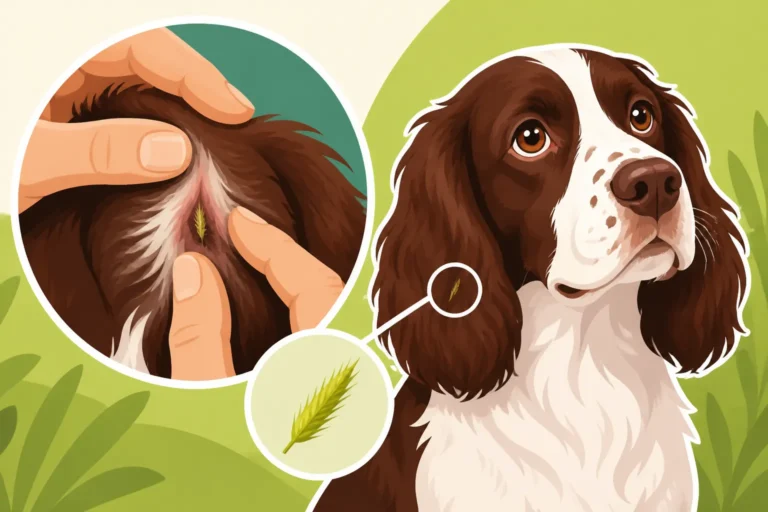
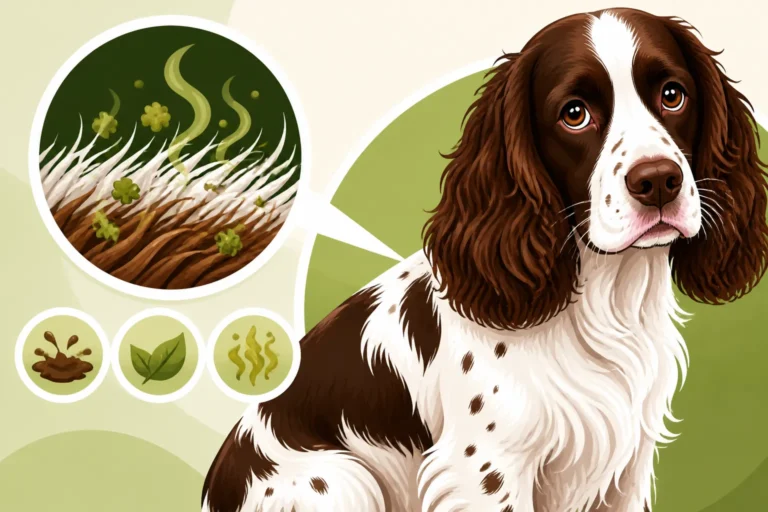
Then there's the feathering – those longer, silky hairs found on their legs, chest, belly, and, of course, their iconic ears. This feathering is what often gets tangled, collects burrs, and can look a bit wild if not managed. It's the feathering that often prompts owners to consider trimming, but how you trim it makes all the difference. Understanding this dual-layer system and the delicate nature of the feathering is the first step in making informed grooming decisions. You might be surprised to learn just How a Show Springer Spaniel's Coat Differs from a field-bred dog, but both share this fundamental double-coat structure.
The Problem with Altering Coat Texture
The natural texture of a Springer Spaniel's coat is vital not just for aesthetics, but for its functional purpose. When this texture is altered, especially by incorrect grooming techniques, it can lead to a host of problems. The coarse outer coat needs to lie flat and shed water; the soft undercoat provides warmth. Disrupting this balance can make your dog more susceptible to matting, skin irritation, and even make them less effective in the field if they're a working dog.
Many owners face the frustration of a once-manageable coat turning into a matted mess after a bad trim. This isn't just a cosmetic issue; severe matting can be incredibly painful, pull on the skin, and create a breeding ground for skin infections. This delicate balance means that the tools you choose and how you use them are paramount to maintaining the health and integrity of your Springer's coat, ensuring they can enjoy their active lives without discomfort.
The Case for Thinning Shears: Maintaining Natural Texture and Health
When it comes to maintaining that classic Springer Spaniel look and, more importantly, the health and function of their coat, thinning shears are almost always the preferred tool for many areas of their body. They allow for a much more natural-looking trim, reducing bulk and tidying up feathering without the harsh lines or coat damage that clippers can inflict.
How Thinning Shears Work and Their Benefits
Thinning shears, often called blenders or texturizers, have one regular blade and one notched blade (or sometimes two notched blades). This design means that with each snip, they only cut a fraction of the hair, allowing you to gradually reduce bulk and blend lines seamlessly. Instead of chopping off all the hair at a certain length, they remove some of the hair from within the coat, maintaining the overall length and texture.
The benefits are huge for a Springer:
- Natural Appearance: You can tidy up feathering on legs, ears, and the chest, making it look neat and sculpted without looking "cut." This is especially important for show dogs, but pet owners appreciate it too.
- Maintains Coat Health: Because they don't cut all the hairs at once, thinning shears don't disrupt the growth pattern of the guard hairs. This means the coat retains its natural texture, its ability to repel water, and its protective qualities.
- Blends Lines: If you're trimming longer feathering into a shorter, neater shape, thinning shears are fantastic for softening any visible cut lines, creating a smooth, blended transition. This is key for creating a professional finish.
- Reduces Bulk: Areas like the chest, neck, or under the ears can get quite thick. Thinning shears allow you to remove excess hair, making these areas lighter and often preventing matting, without shortening the coat significantly.
- Less Risk of Clipper Shock: Unlike clippers, thinning shears are far less likely to cause the dreaded "clipper shock" or coat damage that can permanently alter the texture of a Springer's coat.
Using thinning shears, perhaps with a good pair (What Thinning Shears Cost a Springer Spaniel Owner), allows you to truly sculpt your dog's coat, enhancing their natural beauty while protecting its function.
Specific Areas Where Thinning Shears Excel
Thinning shears are your best friend for several key areas on your Springer Spaniel, helping to keep them tidy, comfortable, and looking their best.
- Ears: The long, luxurious ear feathering on a Springer is beautiful but can become a magnet for tangles, burrs, and food. Thinning shears allow you to thin the hair on the underside and around the edges of the ears to reduce bulk and make them easier to clean, without making them look "chopped." This helps with air circulation and can reduce the incidence of ear infections.
- Leg Feathering: The feathering on the front and back of the legs often picks up debris. Using thinning shears, you can reduce the length and volume here, keeping it neat and less prone to matting, while still maintaining the elegant silhouette. It’s all about creating a clean line that follows the natural curve of the leg.
- Chest and Skirt: Many Springers develop a thick chest and belly "skirt" of hair that can drag on the ground or get tangled. Thinning shears can take out the bulk and shorten this area discreetly, making your dog much tidier.
- Neck and Head: For a neat appearance, especially around the throat and the transition from the skull to the neck, thinning shears are perfect for blending and tidying without creating harsh, visible cut lines. This helps achieve that clean, sculpted headpiece so characteristic of the breed.
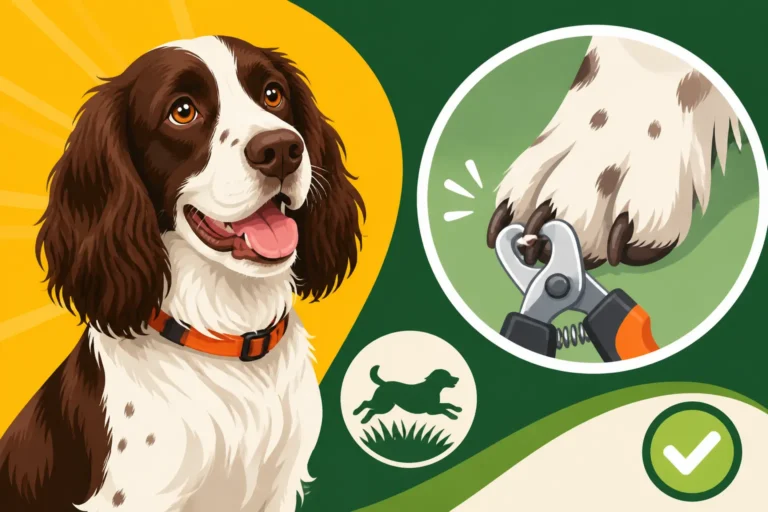
- Feet: While some might opt for small straight shears for trimming the hair between the paw pads, thinning shears are excellent for tidying up the hair over the top of the foot and around the edges, creating a "cat foot" appearance without removing too much hair or leaving blunt edges. This makes their feet look tidy and helps prevent debris accumulation.
For anyone who wants their Springer to look well-groomed but still retain that natural, flowing coat, What Trimming a Springer Spaniel's Feathering Costs or how to do it yourself with thinning shears is invaluable knowledge. You can find a good selection of quality thinning shears on platforms like Amazon or Chewy, making it easy to acquire the right tools for at-home grooming.
The Drawbacks and Risks of Using Clippers on a Springer Spaniel
While clippers might seem like a quick and easy solution, especially when faced with a matted mess or a very heavy coat, they come with significant risks for a Springer Spaniel's unique double coat. Many owners regret using clippers once they see the long-term consequences, which can fundamentally alter the coat's health and appearance.
"Clipper Shock" and Coat Damage
The most significant risk of using clippers on a Springer Spaniel is something often referred to as "clipper shock" or "post-clipping alopecia." This isn't just about a bad haircut; it's a physiological change to the coat that can be semi-permanent or even permanent.
Here's what happens: Clippers cut through both the soft undercoat and the coarse guard hairs indiscriminately. The guard hairs, which are meant to be the protective outer layer, are often removed or severely damaged. When the hair regrows, the softer, woollier undercoat tends to grow back faster and thicker than the guard hairs. This results in a coat that feels much softer, often like cotton or wool, rather than the intended coarse, weather-resistant texture.
This change isn't just cosmetic. A "ruined" coat is often:
- More Prone to Matting: The soft, dense new growth mats much more easily, trapping debris and creating a cycle of needing more clipping.
- Less Protective: The coat loses its ability to repel water and dirt, meaning your dog gets wet and dirty faster, and takes longer to dry. Their natural insulation is also compromised.
- Changes Color and Texture: Sometimes, the coat can even grow back a different shade or develop a duller appearance. The characteristic shine and flow are lost.
Many owners who have had a Springer clipped, particularly with short blades, express deep frustration because the coat never truly recovers its original texture. Whether Shaving a Springer Spaniel Ruins the Coat is a question many ponder, and unfortunately, the answer is often a resounding yes for its natural state. It can take months or even years for the guard hairs to properly grow back and for the coat to regain some semblance of its original structure, and sometimes it never fully does.
Aesthetic Compromise and Grooming Challenges
Beyond the fundamental damage to the coat's structure, using clippers on a Springer Spaniel also presents significant aesthetic compromises and ongoing grooming challenges. The breed standard, whether for field or show, emphasizes a natural, flowing coat, and clippers simply can't achieve that look.
- Blunt Cut Lines: Clippers create very blunt, harsh lines. Instead of a natural blend, you end up with distinct edges where the clippers were used, which looks unnatural and detracts from the elegant lines of a Springer. Imagine trying to trim a human's hair with only clippers and no blending shears – you'd get a bowl cut, at best.
- Patchy Growth: As the hair grows back at different rates, the coat can appear uneven and patchy, especially if the underlying texture has been altered. This can make your dog look disheveled even when recently groomed.
- Increased Professional Grooming Needs: Counterintuitively, once a coat is clipper-damaged and starts matting more easily, you might find yourself needing professional grooming more frequently. This can be an unexpected cost increase, where trying to save time or money initially leads to greater expense and effort down the line. What a Full Groom on a Show Springer Spaniel Costs can give you an idea of the investment involved.
- Owner Frustration: Many owners express genuine sadness or frustration when their beautiful Springer Spaniel's coat is irrevocably changed. The soft, cottony texture is harder to maintain and doesn't provide the same protection as the original coat. This can lead to a cycle of constant clipping, which only exacerbates the problem.
For these reasons, while clippers might seem like a tempting shortcut for managing a large amount of hair, for most routine grooming and maintenance, they are best avoided on a Springer Spaniel unless there's an absolute necessity, like severe matting that cannot be brushed out, or a veterinary procedure requiring a shaved area.
When and How to Use Both Tools Effectively
Navigating the grooming world of a Springer Spaniel means understanding that no single tool is a magic bullet. While thinning shears are generally preferred for maintaining the integrity and aesthetics of their coat, there are specific situations where clippers might be necessary, and learning to use both effectively can lead to the best results.
Situations Where Clippers Might Be Necessary
Despite the warnings, there are indeed times when clippers might be the most practical, or even the only, solution.
- Severe Matting: This is perhaps the most common reason to reach for clippers. If your Springer Spaniel has developed mats that are too tight, too extensive, or too close to the skin to be safely brushed or de-matted, shaving them off is the kindest option. Trying to brush out severe mats can be excruciatingly painful for your dog. In such cases, professional groomers will often recommend a complete shave-down using clippers with a longer blade to get under the mats. After the shave, you can start fresh with proper grooming habits to prevent recurrence.
- Sanitary Trim: For the area around your dog's anus and genitals, a short, neat clip is essential for hygiene. This can be done quickly and safely with small, quiet clippers, often on a relatively short blade, to prevent fecal matter and urine from clinging to the hair. This keeps your dog cleaner and reduces the risk of skin infections in that sensitive area.
- Medical Reasons: Sometimes, your veterinarian might need to shave an area for surgery, wound care, or diagnostic tests. In these instances, clippers are necessary, and the focus is purely on the medical need, not the aesthetic outcome.
- Extremely Elderly or Ill Dogs: For very old or unwell Springers who cannot tolerate long grooming sessions, or who are too frail to stand for extensive brushing and scissoring, a simple, comfortable clipper cut might be the best option to keep them clean and comfortable, prioritizing their well-being over coat aesthetics. What Changes in an Old Springer Spaniel's Care often includes adaptations like these.
If you must use clippers, always opt for professional-grade, quiet models, and use a longer blade length (e.g., a #7F or #5F blade) to avoid cutting too short and exacerbating potential coat issues. Many good quality clippers can be found on Chewy or Amazon, but always research blade types and techniques carefully.
Blending and Finishing with Thinning Shears
The true artistry in Springer Spaniel grooming often lies in the expert use of thinning shears to blend and finish. Even if clippers were used for a sanitary trim or to remove severe matting, thinning shears are invaluable for creating a natural transition and tidying up the rest of the coat.
Consider this common scenario: You've had to clip a matted section on your dog's flank. Instead of leaving a harsh, visible line where the clipped hair meets the longer coat, you can use thinning shears to feather out the edges. By taking small snips at an angle, you gradually remove some of the longer hairs and blend the shorter hair into the surrounding coat, making the transition much smoother and less noticeable. This technique is especially useful around the legs, ears, and neck after a basic tidy-up.
For those who want to learn how to do this themselves, there are many resources available. Getting a good pair of What Thinning Shears Cost a Springer Spaniel Owner and watching online tutorials can really help. The goal is always to create a soft, natural, and flowing appearance that celebrates the Springer Spaniel's inherent elegance, whether you're tidying up ear feathering or simply reducing bulk on the chest. It's about working with the coat, not against it, to ensure your Springer looks and feels fantastic.
| Grooming Tool | Best Use Cases | Pros | Cons | Impact on Coat Texture |
|---|---|---|---|---|
| Thinning Shears | Blending, reducing bulk, tidying feathering, natural shaping, maintenance | Preserves natural coat texture, prevents harsh lines, creates soft transitions, less risk of coat damage | Slower, requires more skill/technique, not effective for removing severe mats or very short cuts | Maintains natural texture; promotes healthy regrowth. |
| Clippers | Removing severe mats, sanitary clips, medical shaves, full shave-downs (rarely) | Fast, effective for removing large amounts of hair quickly, useful for very short, functional cuts | Can cause "clipper shock," blunt lines, unnatural appearance, higher risk of skin irritation | Can permanently alter coat texture (softer, woollier, more prone to matting). |
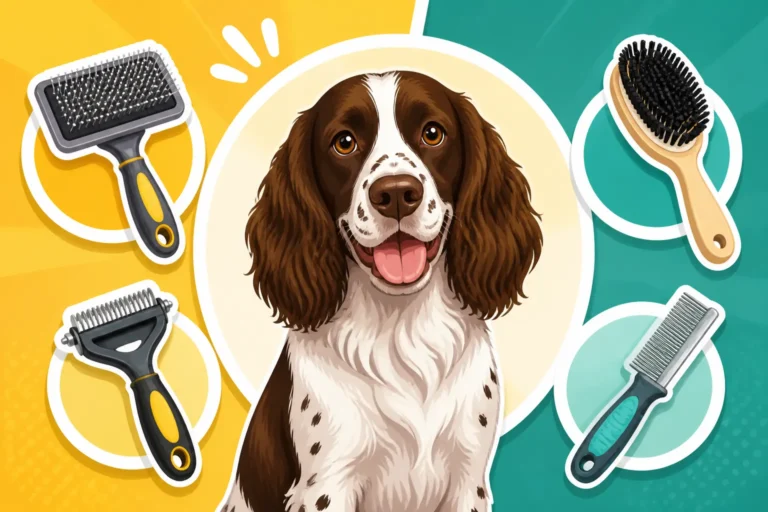
Ultimately, whether you're using thinning shears or clippers, patience, a gentle touch, and understanding your Springer's coat are key. How Long a Springer Spaniel Groom Takes will vary depending on the tools and techniques you employ, but investing the time in proper grooming will pay dividends in your dog's comfort and coat health. Regularly brushing your Springer Spaniel, using the right Which Brush Suits a Springer Spaniel, and attending to their coat needs will help you avoid the need for harsh clipping, keeping their beautiful coat in tip-top shape.
Disclaimer
This article is for general informational purposes only and does not constitute professional advice. Laws, prices and regulations vary by location and change over time. Consult a qualified professional for guidance on your specific situation.