Checking a Springer Spaniel’s Feet After Working
You’ve just spent a fantastic day out in the field with your English Springer Spaniel, whether it was a serious hunt or a spirited romp through challenging terrain. The mud is thick, the burrs are clinging, and your dog is exhaling happily, but now comes the crucial part: a thorough post-work check of their paws. It’s easy to overlook, especially when your Springer seems perfectly fine, but those diligent feet take a beating, and ignoring them can lead to painful infections or worse. This guide will walk you through everything you need to know to inspect your Springer’s paws, identify potential issues, and provide immediate care after their adventures.
Why a Springer Spaniel's Paws Are So Vulnerable in the Field
It's tempting to think of a dog's paws as tough, almost invulnerable. After all, they spend all their time on them! But for an active, working breed like the Springer Spaniel, those paws are constantly exposed to an array of challenges that can quickly turn a fun day into a veterinary emergency. Understanding why they're so vulnerable is the first step in protecting them.
The Anatomy of a Working Paw
Think about your own feet in rugged conditions – they’d be in a bad way pretty quickly without good shoes. A Springer Spaniel's paw, while naturally hardy, is still made of sensitive components. You have the main paw pads, which are thick and tough, designed for shock absorption and grip. But then there are the smaller digital pads, the delicate skin between the toes, and those nails – particularly the dewclaws, which often seem to snag on everything.
Each part has its role, but also its weakness. The thick pads can still be cut, punctured, or abraded by sharp objects. The skin between the toes is thin and prone to irritation, especially if moisture gets trapped or foreign objects lodge there. And those nails, especially if they’re a bit long, are prime candidates for tearing or splitting, which can be incredibly painful for your dog. A healthy paw is a vital piece of their working machinery, and any compromise can quickly put them out of commission.
Common Hazards of Different Terrains
The field is not a uniform, plush carpet. It's a dynamic environment filled with potential dangers hiding in plain sight. Stubble fields, especially after harvest, are notorious for razor-sharp stalks that can slice pads or embed between toes. Rocky terrain can cause bruising, cuts, and even break nails on impact. Then there are the natural elements: frozen ground can cause frostbite, while hot asphalt or sand can lead to severe burns.
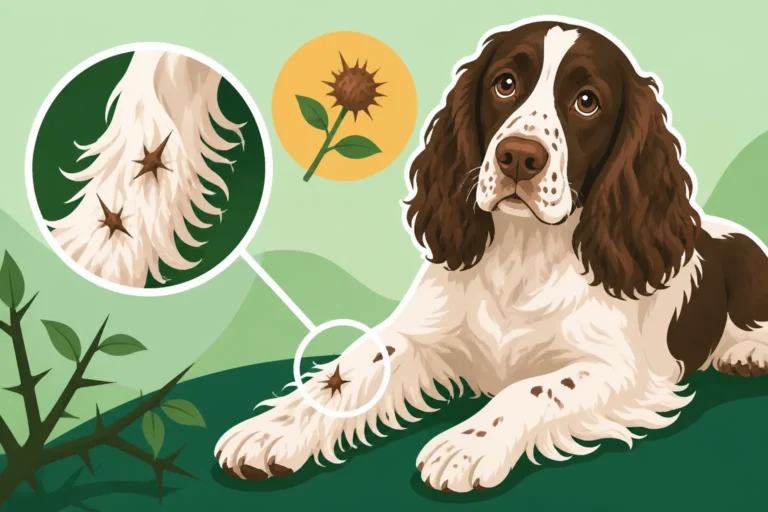
Think about a wet, muddy marsh. While Springers love water, prolonged dampness can soften paw pads, making them more susceptible to injury and creating a breeding ground for bacterial or fungal infections between the toes. Thorns, burrs, and those insidious grass awns are always a threat, easily embedding themselves deep into the paw, often migrating and causing abscesses if not found. How to Find a Grass Awn on a Springer Spaniel is an article that goes into detail on this specific problem. Even seemingly innocuous long grass can hide sharp surprises.
The Drive to Work Despite Injury
One of the most admirable, and sometimes concerning, traits of a Springer Spaniel is their incredible drive and willingness to please. When they're in their element, scenting, quartering, and flushing, they often push through discomfort or minor pain. This powerful work ethic can mean they don't show immediate signs of a paw injury, especially if the adrenaline of the hunt is still pumping.
You might not notice a slight limp or a barely perceptible flinch until hours later, once they’ve settled down and the excitement wears off. This delayed reaction is why a routine, thorough check is so critical. By the time they start limping noticeably, a minor issue could have already worsened, potentially leading to a more complicated treatment. Their heart is bigger than their awareness of pain in the moment, making your vigilance essential.
The Essential Post-Work Paw Check Routine
Performing a thorough paw check shouldn't feel like a chore; it's an act of care that's vital for your Springer's well-being and continued ability to do what they love. Developing a consistent routine makes it easier for both of you and ensures nothing gets missed.
Setting Up for a Successful Inspection
First things first: create a calm, comfortable environment. Your Springer Spaniel has just been intensely active, and while they might be tired, they could still be keyed up. Choose a quiet spot where you won't be interrupted, perhaps on a comfy bed or a soft mat. Good lighting is crucial – a bright room light, or even better, a small flashlight or headlamp, will help you spot tiny thorns or cuts.
Get your dog used to having their paws handled from a young age, if possible. Make it a positive experience with gentle handling and praise. If your adult Springer isn't keen on paw handling, start slowly. Stroke their legs, then gently touch their paws, gradually increasing the duration and intensity of the touch. Offer high-value treats to create a positive association. Patience here pays dividends; a relaxed dog makes for a much more effective inspection. You can find some excellent calming treats and durable chews for post-activity relaxation on Chewy or Amazon.
A Systematic Approach to Each Paw
Once your Springer is settled, take a deep breath, and approach each paw systematically. Don't just give a quick squeeze. Start at the top of the leg and work your way down. Gently flex the joints, looking for any signs of pain or stiffness that might indicate a deeper issue.
Then, focus on the paw itself:
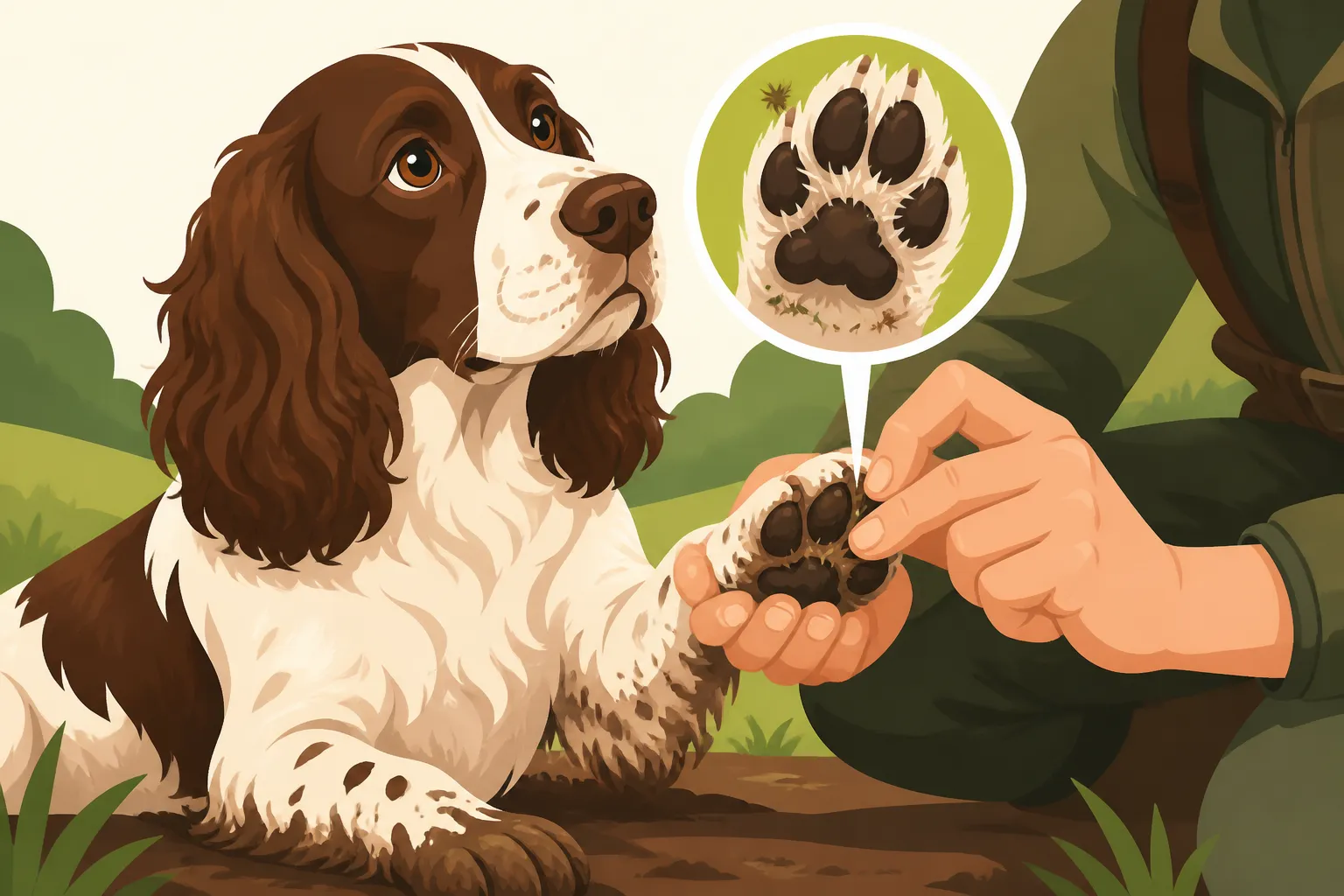
- Examine the Pads: Look closely at all the main pads and the digital pads. Check for cuts, punctures, cracks, excessive wear, or any signs of tenderness, redness, or swelling. Run your fingers over the entire surface.
- Inspect Between the Toes: This is a prime spot for foreign objects. Gently spread each toe apart, peering into the webbing. Look for redness, irritation, matted fur, burrs, thorns, or those notorious grass awns. Feel carefully for any lumps or bumps, which could indicate an embedded object or an interdigital cyst.
- Check the Nails: Examine each nail, including the dewclaws (if present). Look for cracks, splits, chips, or any signs of bleeding or trauma at the quick. Make sure no nails are excessively long, as this increases the risk of snagging and injury. Keeping a Working Springer Spaniel's Nails Short is important not just for comfort but for preventing serious trauma in the field.
- Feel for Heat or Swelling: As you work your way around each paw, feel for any abnormal heat or swelling, which can be signs of inflammation or infection. Compare one paw to another if you're unsure.
What You'll Need: Your Inspection Toolkit
Being prepared can save you a lot of grief and a trip to the emergency vet. Assemble a small "paw first aid kit" to keep handy after working your dog.
- Towels: Soft, clean towels are essential for wiping away mud and moisture, allowing for a clear view of the paw.
- Flashlight or Headlamp: As mentioned, good illumination is non-negotiable for spotting small, hidden issues.
- Antiseptic Solution: A veterinary-approved antiseptic spray or wipe, like diluted chlorhexidine or povidone-iodine solution, is vital for cleaning minor cuts and scrapes. Avoid alcohol, which can sting and dry out pads.
- Blunt-tipped Tweezers: Perfect for carefully removing burrs, small thorns, or embedded debris without causing further injury.
- Paw Balm or Moisturizer: For conditioning pads, especially after rough terrain or extreme weather. Products like Musher's Secret or paw balms available on Chewy can be very helpful.
- Sterile Gauze Pads and Vet Wrap: For bandaging minor wounds. Always make sure the wrap isn't too tight, which can cut off circulation.
- Nail Clippers/Grinder: To address any overly long nails or to smooth rough edges from minor chips.
- Saline Solution: For flushing out debris or irritants from sensitive areas.
Having these items readily accessible means you can deal with minor issues quickly and effectively, preventing them from escalating.
Identifying Common Paw Injuries and Issues
Even with the best preparation, accidents happen. Knowing what specific problems to look for and how they manifest will help you react appropriately and provide the right care.
Cuts, Abrasions, and Punctures
These are probably the most common paw injuries for a working Springer. A cut might be a simple surface slice from a sharp rock or a piece of stubble. Abrasions are more like scrapes, where the top layer of the pad or skin is rubbed raw. Punctures are tricky because the entry wound might be small, but the foreign object could be deeply embedded.
Signs to look for:
- Blood: Obvious bleeding, even a tiny amount, on the pads or between the toes.
- Limping: Any change in gait, however subtle, can indicate pain.
- Licking/Chewing: Your Springer might persistently lick or chew at a particular paw.
- Tenderness: Your dog flinches or pulls their paw away when you touch a specific spot.
- Redness/Swelling: Localized inflammation around the injury.
A classic example is a tiny, almost invisible puncture from a grass awn. These little devils have barbs that only allow them to move forward, often embedding deep and causing swelling and abscesses days later. Whether a Springer Spaniel Cuts Its Pads on Stubble is a particularly relevant concern for active dogs in certain agricultural environments.
Torn Nails and Damaged Dewclaws
Nails are built for traction and digging, but they aren't indestructible. A long nail can easily get snagged on something and rip, either partially or completely. This exposes the quick, which contains nerves and blood vessels, making it incredibly painful and prone to heavy bleeding. Dewclaws, being higher up on the leg and often not touching the ground, are especially vulnerable to snagging on brush, sticks, or dense cover.
Signs to look for:
- Sudden Lameness: Often severe and immediate after the injury.
- Profuse Bleeding: A torn nail can bleed a lot, sometimes more than you'd expect.
- Visible Trauma: The nail might be obviously bent, broken, or hanging off.
- Pain on Touch: Extreme sensitivity around the affected nail.
- Licking/Holding Paw Up: Your dog will likely try to self-soothe or avoid putting weight on the injured paw.
If a nail is partially torn but still attached, it often needs veterinary attention to be properly removed and the quick treated to prevent infection. Leaving it can be excruciating for the dog.
Irritations Between the Toes
The delicate skin between a Springer Spaniel's toes is a common hotbed for issues. Moisture, mud, dirt, and foreign bodies can all cause significant irritation. This area is also prone to allergic reactions and, in some cases, can develop interdigital cysts, which are painful lumps that can rupture.
Signs to look for:
- Redness and Inflammation: The skin between the toes looks angry and swollen.
- Excessive Licking/Chewing: Your dog will focus intently on the irritated area.
- Pustules or Sores: Small bumps, pimples, or open sores might be present.
- Foul Odor: Can indicate a bacterial or yeast infection.
- Lameness: If the irritation is severe or a foreign body is deeply embedded.
Always check carefully for embedded objects like burrs or small stones. Even if you remove one, the irritation can linger. Sometimes, the issue isn't a foreign object but an allergic reaction, which might show up as red, itchy paws and a greasy coat. Whether a Springer Spaniel Gets Skin Allergies can certainly exacerbate paw problems.
Pad Burns and Frostbite
Extreme temperatures, both hot and cold, pose serious threats to paw pads.
- Pad Burns: Walking on hot pavement, sand, or even extremely hot gravel can cause severe burns to paw pads. The pads can blister, peel, and become incredibly painful. While less common in the field itself, if your Springer is traversing roads or exposed rock on a hot day, this is a real risk.
- Frostbite: In very cold, icy, or snowy conditions, especially with prolonged exposure, paw pads can suffer from frostbite. This is particularly concerning for Springers who love water work in cold weather. The tissue freezes, leading to cell damage.
Signs to look for:
- Pad Burns: Redness, blistering, peeling skin, limping, reluctance to walk, excessive licking of paws.
- Frostbite: Initially, the pads might appear pale or grayish, then become red and swollen as they warm up. There might be pain, blistering, and eventually, the affected tissue can turn black and slough off in severe cases.
Prevention is key for both. On hot days, avoid walking your Springer on surfaces you wouldn't walk barefoot on. In winter, limit exposure to extreme cold and consider paw protection. Remember, Whether a Springer Spaniel Needs a Neoprene Vest for Water isn't just about core body temperature; it often goes hand-in-hand with general cold weather protection, including the paws.
First Aid and Immediate Care for Paw Problems
Finding an issue with your Springer's paw can be alarming, but knowing how to provide immediate first aid can make a huge difference in their comfort and recovery. Sometimes, a quick response can even prevent a minor issue from becoming a major veterinary visit.
Cleaning and Disinfecting Wounds
For minor cuts, scrapes, or punctures, the first step is always thorough cleaning. You want to remove any dirt, debris, or bacteria that could lead to infection.
- Gently Rinse: Use clean, cool water or a sterile saline solution to flush the wound. This helps wash away loose dirt and any surface contaminants. You can get sterile saline solution easily on Amazon or at your local pharmacy.
- Apply Antiseptic: After rinsing, gently blot the area dry with a clean cloth. Then, apply a veterinary-approved antiseptic solution. Products containing chlorhexidine or povidone-iodine are excellent choices. Dilute them according to the package directions, if necessary. Gently dab or spray the antiseptic onto the wound.
- Avoid Harsh Chemicals: Steer clear of hydrogen peroxide, rubbing alcohol, or strong soaps. These can damage delicate tissue, cause pain, and actually delay healing.
The goal is to get the wound as clean as possible without causing further irritation. If there's any embedded foreign material that you can't easily remove with tweezers, or if the wound is deep, don't try to dig it out yourself. That's a job for the vet.
Bandaging and Protecting Minor Injuries
Once the wound is clean and disinfected, a light bandage can help protect it from further contamination and trauma, especially if your Springer is prone to licking.
- Apply a Non-Stick Pad: Place a small, sterile, non-stick gauze pad directly over the wound. This prevents the bandage from sticking to the injury and causing pain when removed.
- Wrap with Gauze: Use a layer of sterile gauze roll to lightly wrap the paw, securing the non-stick pad. Make sure to include the pads of the paw to protect them. The wrap should be snug enough to stay on but not tight. You should be able to easily slip two fingers under the bandage without resistance.
- Secure with Vet Wrap: Finally, use a self-adhering bandage, often called "Vet Wrap" (available at most pet stores or through Chewy), to cover the gauze. This provides protection and keeps the bandage in place. Again, be incredibly careful not to wrap too tightly. A common mistake is to overtighten, which can restrict blood flow and cause serious tissue damage. If the toes start to swell or feel cold, the bandage is too tight and needs to be reapplied immediately.
- Change Regularly: Change the bandage daily, or more frequently if it gets wet or dirty, to re-clean the wound and check for signs of infection.
Bandaging is meant to be a temporary measure. If the injury isn't improving within a day or two, or if it seems to be worsening, it's time for professional help.
When to Seek Veterinary Attention
While good first aid can handle many minor scrapes, there are definite signs that indicate your Springer Spaniel needs to see a veterinarian. Don't hesitate to call your vet if you observe any of the following:
- Deep or Large Wounds: Any cut that penetrates deeply into the paw pad, is very wide, or continues to bleed despite pressure needs immediate veterinary attention.
- Persistent Bleeding: If bleeding doesn't stop after 10-15 minutes of direct pressure, or if it recurs easily.
- Severe Lameness: If your Springer is completely non-weight-bearing, hobbling badly, or shows extreme pain.
- Embedded Foreign Objects: If you can't easily remove a thorn, glass shard, or grass awn, or if you suspect something is deeply embedded, a vet will need to remove it to prevent infection and migration. A Grass Awn Removal Costs a Springer Spaniel Owner and it's essential for long-term health.
- Signs of Infection: Redness, swelling, heat, pain, discharge (pus), or a foul odor around the wound are all red flags for infection. Your dog might also develop a fever or become lethargic.
- Torn or Avulsed Nails: A nail that's completely ripped off, or one that's partially torn but still attached to the quick, will likely require pain management and professional care to prevent further damage and ensure proper healing.
- Pad Burns or Frostbite: These injuries can be much more severe than they initially appear and often require prescription pain relief, antibiotics, and specific wound care.
- Reluctance to Allow Examination: If your dog is in so much pain that you can't even get a good look at the paw, a vet visit is essential.
It’s always better to err on the side of caution. Your vet can properly assess the injury, provide pain relief, clean and bandage the wound correctly, and prescribe antibiotics if needed. This ensures your Springer gets back on their feet and into the field as quickly and safely as possible.
Long-Term Paw Health and Prevention Strategies
While immediate care is crucial after an incident, proactive steps are the real secret to keeping your Springer Spaniel's paws healthy and resilient for all their working years. Prevention is always better than cure, especially when it comes to those hardworking feet.
Conditioning Paws for Tough Terrain
You wouldn't run a marathon without training, and the same principle applies to your dog's paws. Paws can be conditioned to become tougher over time, but it needs to be done gradually.
- Gradual Exposure: Don't take a dog that's only ever walked on grass and suddenly expect them to handle a day on rocky terrain. Gradually introduce them to varied surfaces – gravel, asphalt, dirt paths – in increasing durations. This helps the pads thicken and harden naturally.
- Paw Balms and Waxes: Regular application of paw balms can help keep pads supple and prevent cracking, especially in dry, hot, or cold conditions. Products like natural paw waxes create a protective barrier against harsh elements. They moisturize and can even help repel snow and ice. You can find a wide variety of these products on Chewy or at your local pet supply store.
- Avoid Soft Living: While a plush bed is great, constantly walking only on soft indoor surfaces means the pads never get a chance to toughen up. A healthy balance of indoor comfort and outdoor activity on various surfaces is ideal.
Think of it like building calluses on your own hands. It takes time and consistent, moderate exposure, not sudden, intense abuse.
Regular Grooming and Nail Maintenance
Good grooming isn't just about a pretty coat; it's essential for paw health, especially for a feathered breed like the Springer Spaniel.
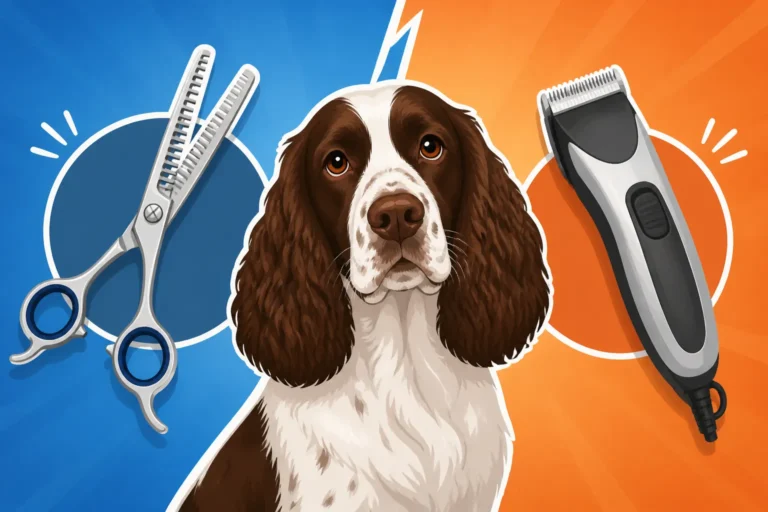
- Trim Paw Hair: The hair between your Springer’s paw pads can trap moisture, dirt, burrs, and ice, leading to irritation, matting, and even infection. Regularly trim this hair flush with the pads using blunt-nosed scissors or clippers. This also improves traction.
- Keep Nails Short: This is paramount. Overly long nails can cause splayed feet, alter gait, and are far more prone to snagging and tearing. You should ideally hear no clicking sound when your Springer walks on a hard surface. Trim nails regularly, or use a Dremel-style grinder if your dog tolerates it, to keep them short and healthy.
- Dewclaw Management: If your Springer has dewclaws, pay extra attention to them. They don't wear down naturally like other nails and can grow in a full circle, eventually embedding into the skin if neglected. Keep them trimmed just as short as the other nails.
- Check Feathering: While not directly on the paw, the feathering on a Springer Spaniel's legs can pick up an incredible amount of debris, which can then migrate to the paws. Feathering that mats (Whether a Springer Spaniel's Feathering Mats) and collects foreign objects is a common problem. A good brush-down after every outing helps.
Protective Gear and Environmental Management
Sometimes, even the toughest paws need a little extra help, or you need to manage the environment your dog works in.
- Protective Boots: For extreme conditions – sharp ice, abrasive rocks, very hot surfaces, or when an existing injury needs protection – dog boots can be invaluable. It takes time to get a dog used to wearing boots, so introduce them gradually and make it a positive experience. Ensure they fit well; ill-fitting boots can cause rubbing and blisters. Whether a Springer Spaniel Needs Boots in the Field is a question many owners consider for specific situations.
- Vigilant Area Scouting: Before letting your Springer run loose, especially in new areas, do a quick visual check for obvious hazards like broken glass, sharp metal, or excessive thorns. While you can't catch everything, a quick scan can prevent obvious dangers.
- Post-Work Rinsing: After a muddy or wet outing, rinsing your Springer's paws (and legs) with clean water is a simple yet effective way to remove dirt, chemicals, and potential irritants. This is especially important for Water Work and What It Does to a Springer Spaniel's Ears and paws. Dry them thoroughly afterward, paying close attention to the spaces between the toes to prevent skin irritation and fungal growth.
- Regular Inspections: Don't just inspect after a big hunt. Make quick paw checks a routine part of your daily interaction, even after a simple walk around the block. The more familiar you are with your Springer’s healthy paws, the quicker you’ll spot an anomaly.
By consistently applying these preventative measures and being attentive to your Springer Spaniel's paw health, you'll ensure they remain sound and ready for every adventure you embark on together.
| Paw Issue | Common Signs | Immediate Action | When to See a Vet | Prevention Strategy |
|---|---|---|---|---|
| Cuts/Abrasions | Bleeding, limping, licking, visible wound | Clean with antiseptic, apply non-stick pad, bandage | Deep cuts, persistent bleeding, signs of infection | Paw conditioning, regular checks, clear path scouting |
| Punctures | Small hole, lameness, pain on touch, swelling | Gently clean, remove visible foreign object with tweezers | Embedded objects, deep punctures, swelling, pus | Avoid sharp debris, paw conditioning, boots in harsh terrain |
| Torn Nails/Dewclaws | Bleeding, severe lameness, visible nail damage | Control bleeding with pressure, gently clean | Any torn nail exposing quick, profuse bleeding, extreme pain | Keep nails short, regular trimming, proper dewclaw care |
| Interdigital Irritation | Redness, swelling, licking, odor, small bumps | Clean between toes, dry thoroughly, keep hair trimmed | Persistent redness, pus, lameness, suspected foreign body | Trim paw hair, post-work rinsing and drying, allergy management |
| Pad Burns | Blistering, redness, peeling skin, limping | Cool pads with cool (not ice cold) water, gentle bandage | Any blistering, severe pain, large area affected | Avoid hot surfaces, use paw balm as barrier |
| Frostbite | Pale/gray pads, later redness/swelling, pain | Slowly warm affected area, do NOT rub | Any visible tissue damage, severe pain | Limit cold exposure, use protective boots in winter |
Disclaimer
This article is for general informational purposes only and does not constitute professional advice. Laws, prices and regulations vary by location and change over time. Consult a qualified professional for guidance on your specific situation.