Whether a Springer Spaniel Retrieves From Water
One common concern for Springer Spaniel owners, especially those new to the breed or those who enjoy outdoor activities, is whether their beloved companion will instinctively take to water and retrieve. It's a valid question, as the image of a spaniel eagerly plunging into a lake to fetch a bumper is often associated with these dogs. This guide will dive deep into the Springer Spaniel's natural predisposition for water work, explore the factors that influence their enthusiasm, and provide practical advice for encouraging a love for water retrieves, ensuring a safe and enjoyable experience for both you and your furry friend.
The Springer Spaniel's Natural Affinity for Water Retrieves
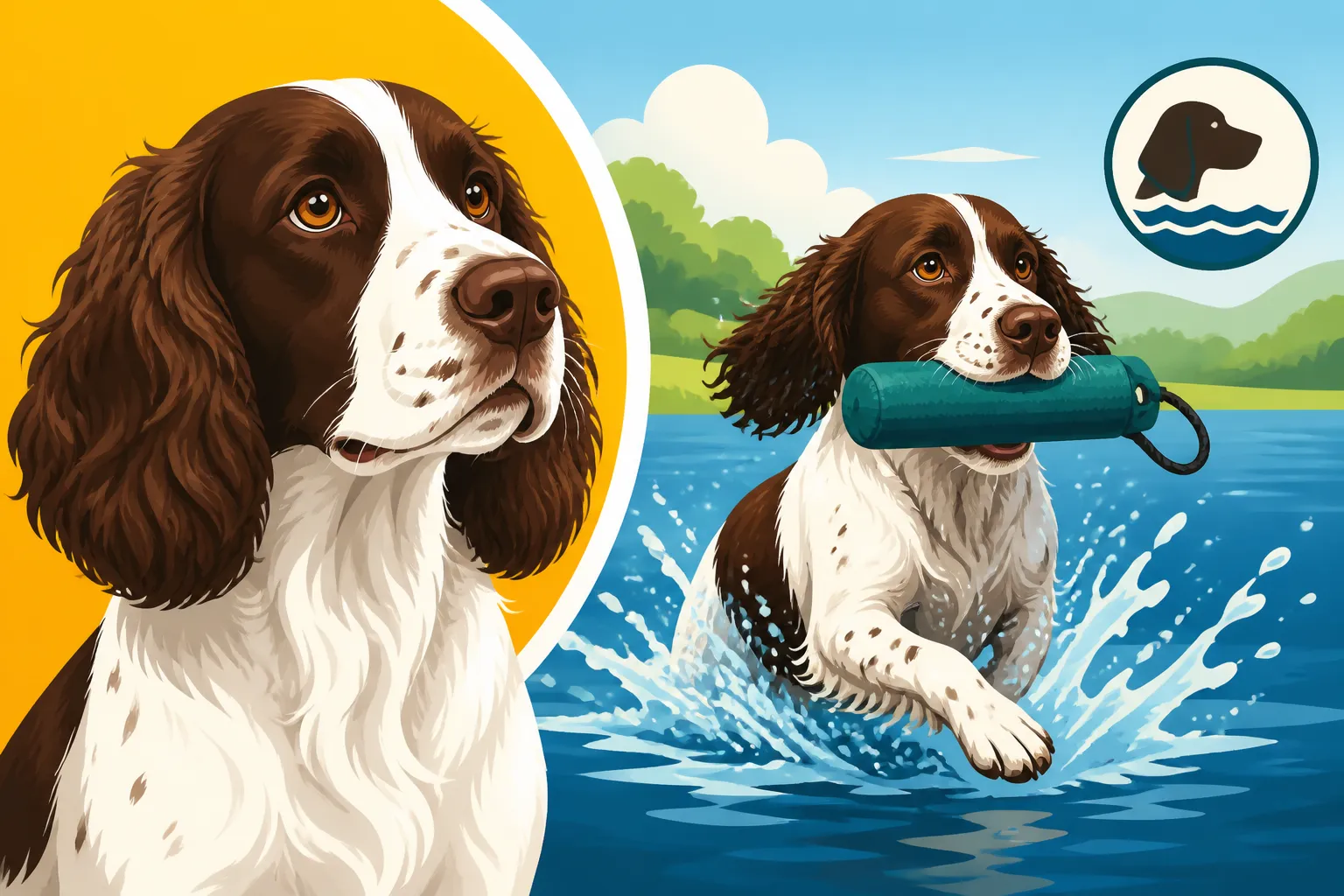
It’s truly a sight to behold: a Springer Spaniel, eyes gleaming with excitement, launching itself into the water, driven by an innate desire to retrieve. For many, this isn't just a hopeful image but a reality, rooted deeply in the breed's history and genetic makeup. These dogs were quite literally bred for this kind of work, and that strong foundation often manifests as a natural inclination towards water.
A Deep-Seated Instinct for Flushing and Fetching
The English Springer Spaniel is, at its heart, a gundog. Their original purpose was to "spring" game, meaning to flush birds from cover, and then, crucially, to retrieve them once shot. This job often required them to traverse varied terrain, including marshlands, rivers, and ponds. Think about dense brambles near a stream or a downed pheasant that falls into a shallow bog; a good spaniel had to be willing and able to go wherever the game led, regardless of the wet conditions. This isn't just about a love for splashing around; it's a profound instinct to complete the hunting cycle. They are wired for both the flush and the fetch, and this often extends quite naturally to water retrieves.
This genetic programming means that many Springer Spaniels, even those living purely as companions, will show a keen interest in water from a young age. You might notice your puppy splashing in its water bowl, investigating puddles, or showing curiosity near a lake or river. This isn't just random puppy behavior; it's often an echo of generations of ancestors whose lives depended on their ability to perform in all environments, wet or dry. Of course, every dog is an individual, and while the instinct is there, it needs to be nurtured. Just like a natural athlete still needs practice, a Springer Spaniel's water retrieving skills benefit immensely from encouragement and positive experiences.
Historical Context: Working Wet and Wild
Delving further into their history, the ancestors of today's English Springer Spaniel were working dogs in the truest sense. Before the advent of modern retrieving breeds like Labradors, spaniels were the all-rounders, expected to do it all. They would How a Springer Spaniel Worked Before Firearms, driving game into nets, but as firearms evolved, so did their role. They became invaluable companions for hunters, navigating diverse landscapes. If game fell into a river or a muddy ditch, it was the spaniel's job to bring it back. This wasn't a choice; it was an essential part of their work.
Consider the harsh conditions of a British winter hunt, where fields might be waterlogged and streams swollen. A dog that shied away from water would have been useless to a hunter. Therefore, breeders historically selected for dogs that were hardy, eager, and unfazed by cold, wet conditions. This long history of selective breeding for an innate ability to work in and retrieve from water has cemented it as a fundamental trait in the breed. While not every Springer Spaniel will be a water fanatic, the potential is almost always there, waiting to be discovered and encouraged.
Factors Influencing Water Enthusiasm in Your Springer Spaniel
While many Springer Spaniels possess an inherent drive to retrieve from water, it’s not a universal guarantee. Several factors can influence how readily your individual dog takes to the wet stuff. Understanding these can help you tailor your approach and expectations.
The Divide: Field Bred vs. Show Bred Instincts
It's no secret that the English Springer Spaniel breed has diverged into two distinct types: the field-bred and the show-bred lines. This separation impacts not just their appearance but significantly their drive and instincts, including their approach to water. A How a Field Bred Springer Spaniel Differs in Drive is typically bred for intense working ability, often with a stronger prey drive, endless stamina, and an almost insatiable desire to hunt and retrieve. These dogs are generally more likely to take to water enthusiastically, as it's often a natural extension of their ingrained purpose. Their genetics are geared towards performing in all conditions encountered in the field, including water.
On the other hand, show-bred Springer Spaniels are primarily bred for conformity to the breed standard in appearance and temperament suitable for a companion dog. While they retain their spaniel charm and intelligence, their working instincts, including water retrieving, might not be as pronounced. They might still enjoy a splash, but the intense, driven retrieve across a cold lake might require more encouragement than for their field-bred cousins. This isn't to say a show-bred Springer won't retrieve from water—many do beautifully—but the intensity and natural eagerness often differ. If you have a show-bred Springer, you might just need a bit more patience and positive reinforcement to build their confidence and love for water work.
Early Exposure and Positive Associations
Just like children developing a love for swimming, a Springer Spaniel's early experiences with water are crucial. A puppy introduced to water in a fun, non-threatening way is far more likely to embrace it than one who has a negative first encounter. Imagine a tiny puppy being thrown into a cold, deep pool or startled by a wave at the beach; such experiences can create fear and aversion that are very difficult to overcome. The key is gentle, gradual introduction. Start with shallow puddles, a kiddie pool, or a calm, warm stream. Let them explore at their own pace.
Positive reinforcement is your best friend here. Bring their favorite floating toy, toss treats near the water's edge, and praise them enthusiastically for even putting a paw in. If you make it a game, filled with happy voices and rewards, they'll associate water with good things. Conversely, if water is only encountered during stressful bath times or if they slip and fall into a strange body of water, they might develop an aversion. For a new puppy owner, starting with early, positive exposure is key. Programs like BAXTER & Bella offer comprehensive online puppy training resources that often include advice on desensitization and positive introductions to new experiences, which can be invaluable for setting your Springer up for success in all areas, including water.
Individual Personality and Confidence
Beyond genetics and early exposure, each Springer Spaniel has its own unique personality, which plays a significant role in their water enthusiasm. Some dogs are naturally bold and adventurous, eager to try anything new. They’ll dive right in with minimal prompting. Others might be more cautious, sensitive, or even a little timid. A The Soft Springer Spaniel That Shuts Down If You Shout is not going to respond well to being coerced or intimidated into the water. For these dogs, building confidence on land first, and then slowly transferring that confidence to water, is essential.
A Springer Spaniel that is generally confident and well-socialized is more likely to be confident in novel situations, including encountering new bodies of water. A dog prone to anxiety or fear might need more time, patience, and a very gentle hand. Pay attention to your dog's cues: are they curious, tail wagging, sniffing the water? Or are they hesitant, ears back, trying to back away? Respect their comfort level and move at their pace. Forcing a dog into the water can damage your relationship and create a lasting fear, which is the last thing you want with a breed that typically thrives in these environments.
| Factor | Description | Impact on Water Enthusiasm |
|---|---|---|
| Genetic Line | Field-bred vs. Show-bred ancestry and selective breeding. | Field lines often have higher natural drive; Show lines may need more encouragement. |
| Early Exposure | Puppyhood experiences with water, positive or negative. | Positive early experiences foster enthusiasm; negative ones can create aversion. |
| Individual Personality | Dog's inherent confidence, boldness, and temperament. | Confident dogs adapt more readily; timid dogs need patience and gentle guidance. |
| Training & Reinforcement | Consistent, positive training methods and rewards. | Strong positive reinforcement builds desire and capability. |
| Age | Puppies often more curious; older dogs might be set in their ways or have physical limits. | Younger dogs typically easier to introduce; older dogs might require more gradual work. |
Guiding Your Springer Spaniel to Become a Confident Water Retriever
So, you've got a Springer Spaniel, and you want to foster that natural water retrieving instinct. It's a fantastic goal! Watching your dog joyfully work in and out of the water is incredibly rewarding. However, it's not always a case of just pointing to the lake and expecting them to plunge in. Even with their innate abilities, a structured, positive approach works wonders.
Gentle Introductions and Making it Fun
The absolute golden rule for introducing your Springer Spaniel to water is to keep it positive, gradual, and fun. Never, ever force your dog into the water. This can create a lifelong fear and distrust. Start small. For a puppy or a hesitant adult, a shallow kiddie pool in the backyard on a warm day is perfect. Put a few inches of water in it and toss some of their favorite floating toys or treats. Let them explore on their own terms. Praise them enthusiastically for every step they take towards or into the water.
Once they're comfortable with a kiddie pool, graduate to a calm, shallow natural body of water, like the edge of a pond or a slow-moving stream. Look for a gradual entry point where they can walk in rather than having to jump. Go in with them if you can! Wading in yourself, splashing gently, and calling them to you can be incredibly encouraging. Play retrieve games from the very edge of the water. Toss a favorite floating bumper or ball just a foot or two into the water, somewhere they can easily walk to. Gradually increase the distance as their confidence grows. Remember, it's about building positive associations: water equals fun, toys, praise, and time with you. This methodical approach is key, especially for building a solid foundation in that The First Year With a Springer Spaniel Puppy.
Essential Gear and Training Tools
Having the right gear can make all the difference in successful water retrieving training. First and foremost, you'll want some good quality floating retrieve bumpers or dummies. These are specifically designed to be highly visible and buoyant, making them easy for your dog to spot and pick up in the water. Avoid sticks, which can splinter and cause injury. You can find a great selection of these on Amazon, often in bright colors like orange or yellow.
A long line can be a fantastic tool for initial water introductions, especially if you're working in a larger area or with a dog whose recall isn't rock-solid yet. It allows you to maintain control and gently guide your dog without having to physically grab them. A well-fitting harness can also be helpful for gentle guidance. For colder weather or prolonged water sessions, consider a neoprene dog vest. Whether a Springer Spaniel Needs a Neoprene Vest for Water is a question many working dog owners ask, and the answer is often yes, as it provides warmth and buoyancy, enhancing safety and comfort. Don't forget treats! High-value, waterproof treats are excellent motivators for positive reinforcement during training sessions.
Progressive Training Steps for Water Work
Once your Springer Spaniel is comfortable entering the water, you can start formalizing the retrieve.
- Shallow Water Retrieves: Begin by tossing a floating bumper just a few feet into shallow water. Encourage your dog with enthusiastic praise and verbal cues like "fetch" or "retrieve." When they bring it back, reward them with a treat and more praise. Keep sessions short and fun.
- Increasing Depth and Distance: Gradually increase the depth and distance of your throws. As your dog swims more, they'll build stamina and confidence. Continue using their favorite floating retrieve objects.
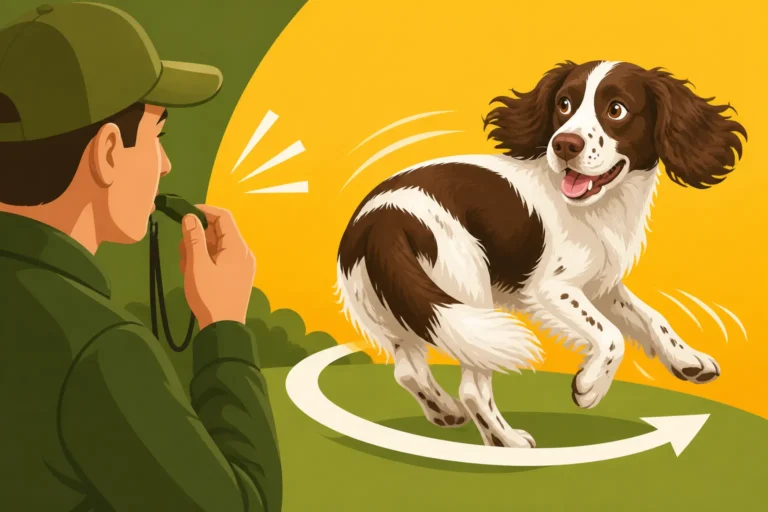
- Whistle Commands for Direction: As your dog's proficiency grows, you can start incorporating whistle commands. A "stop" whistle (usually a single pip) and directionals (casts) can be incredibly useful for guiding your dog to a retrieve they haven't seen fall or that has drifted. Teaching a Springer Spaniel Whistle Commands is a fundamental part of gundog training and translates perfectly to water work. This teaches them to respond even when they're excited and focused on the retrieve, which is crucial when they're out in the water.
- Simulated Hunting Scenarios: If your goal is for your Springer to be a gundog, you can progress to more realistic scenarios. This might involve throwing bumpers from behind cover, simulating a bird falling, or doing multiple retrieves. Remember that consistency and patience are key. Springer Spaniels are known for How Fast a Springer Spaniel Learns, but complex behaviors like blind water retrieves take time and repetition.
Important Safety and Health Considerations for Water Work
While water retrieving can be an incredibly enriching activity for your Springer Spaniel, it's vital to prioritize their safety and health. Their distinctive characteristics, like those long, floppy ears and dense coat, can sometimes present unique challenges when combined with water.
Protecting Those Signature Springer Spaniel Ears
Ah, those beautiful, velvety Springer Spaniel ears! They are undoubtedly one of their most charming features, but they are also a notorious hotspot for trouble, especially for water-loving dogs. Why a Springer Spaniel's Ears Are Never Quite Healthy is a common lament among owners, and water exposure is a huge contributing factor. The long, heavy ear flaps trap moisture, creating a warm, damp environment that is perfect for bacteria and yeast to flourish, leading to frequent and painful ear infections.
After every swim, or even after a rainy walk, you must thoroughly clean and dry your Springer Spaniel's ears. Start by gently wiping the visible part of the ear canal and the underside of the ear flap with a soft cloth or cotton ball. Then, use a vet-approved ear cleaning solution designed to dry and acidify the ear canal. Gently massage the base of the ear to help the solution work its way in, then allow your dog to shake their head. Finish by wiping away any excess moisture and debris. This routine, performed diligently, can significantly reduce the incidence of ear infections. Missing even one session can set them back. For detailed guidance on this, consider reading Drying a Springer Spaniel's Ears After Swimming.
Environmental Hazards and What to Watch For
Beyond ear care, there are numerous environmental hazards in and around water that you need to be aware of to keep your Springer safe.
- Currents and Undertows: Rivers, especially after heavy rain, can have strong currents that even strong swimmers can struggle against. Never let your dog swim in fast-moving water unsupervised, and be aware of potential undertows in lakes or coastal areas.
- Water Quality: Stagnant ponds or lakes can harbor blue-green algae, which is highly toxic and can be fatal if ingested. Always check the water quality before allowing your dog to swim. Avoid areas with visible algae blooms or foul odors.
- Debris and Submerged Objects: Rivers and lakes can contain sharp sticks, broken glass, fishing lines, or other debris that could injure your dog's paws or body. Always inspect the area where your dog will be swimming, and be mindful of what might be lurking beneath the surface.
- Cold Water: Even on a warm day, water can be surprisingly cold. Prolonged exposure to cold water can lead to hypothermia, particularly in younger puppies or older dogs. Consider a dog-specific neoprene vest for colder conditions to help maintain their core body temperature.
- Wildlife: Be aware of local wildlife. Alligators, snapping turtles, and aggressive waterfowl can pose a threat to your dog in the water. Always supervise closely.
- Exhaustion: Springer Spaniels are energetic and can go, go, go, but they can still get tired. Monitor your dog for signs of fatigue while swimming. Heavy panting, lagging behind, or struggling to keep their head above water are all indicators that it's time for a break. Make sure they have a safe, easy exit point from the water.
- Grass Awns and Burrs: After a session in or around water, especially if they've been working in dense cover to retrieve, check your Springer Spaniel thoroughly for grass awns, burrs, and ticks. These can lodge in their coat, between their toes, or even migrate into their ears or eyes, causing serious problems. A quick brush and a thorough once-over are essential.
By being diligent about ear care and vigilant about environmental hazards, you can ensure that your water-loving Springer Spaniel enjoys many safe and happy retrieves.
Disclaimer
This article is for general informational purposes only and does not constitute professional advice. Laws, prices and regulations vary by location and change over time. Consult a qualified professional for guidance on your specific situation.