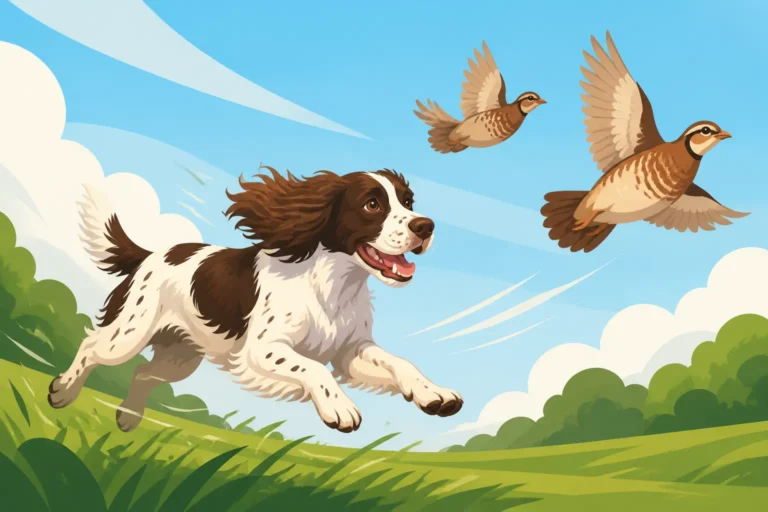
Whether a Springer Spaniel Comes Back on Its Own
It's a common hope, isn't it? You let your beloved English Springer Spaniel off-leash in a wide-open space, they bound away, nose to the ground, and a little voice in your head wonders, "Will they just come back when they're ready?" For many Springer owners, that hope is quickly replaced by a heart-stopping moment of panic as their dog vanishes over the horizon, utterly consumed by a scent. This guide is here to tell you why relying on your Springer to "come back on its own" is a gamble with incredibly high stakes, and what you can do to build a rock-solid recall that keeps your adventurous companion safe.
The Irresistible Call of Instinct: Why a Springer Spaniel Roves
Let's be honest, we adore our Springers for their boundless energy, their keen intelligence, and that incredible nose. But those very traits, the ones that make them such fantastic companions and working dogs, are exactly why they are so prone to following their instincts far beyond your eyesight. It's not defiance; it's deep-seated breed programming.
The Power of Their Nose
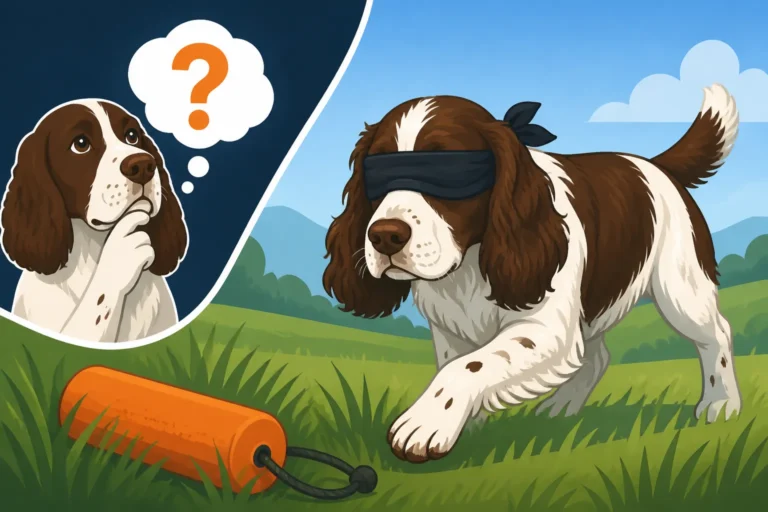
A Springer Spaniel's nose is a force of nature. It's their primary way of understanding the world, and it's almost impossible for them to ignore a compelling scent trail. Imagine walking past your favorite bakery when you're starving – that's what a fresh rabbit trail or a pheasant scent is to your Springer, amplified a hundredfold. Once that nose hits a promising line, their world shrinks to that scent. Your calls, no matter how urgent, often simply don't register against the overwhelming sensory input from the ground. They are literally in another world, a world where that scent promises an adventure or a meal. This is why you'll often see them put their nose to the ground and vanish, completely oblivious to your shouts.
They aren't being bad; they're being a Springer Spaniel. It's what they were bred to do for centuries: quarter the ground, sniffing out game. When you take them to an open field, or even your local park, you're essentially putting them in their natural office. A strong, fresh scent can lead them for incredible distances, far further than you might imagine. If you've ever wondered How Far a Springer Spaniel Will Go on a Scent, you might be surprised to learn it can be miles, especially if the conditions are right and the scent is strong. They won't stop just because they can't see you; they'll stop when the scent runs out, or when something else catches their attention, which could be an entirely different postcode.
Prey Drive and the Chase
Beyond just sniffing, Springers have a very strong prey drive. They were developed to spring game from cover, forcing it into the open for hunters. This means they are hardwired to chase. If they flush a rabbit, a squirrel, or even a bird, the chase instinct takes over instantly. That little fluffball that was just playing fetch is now a focused, driven hunter, darting through underbrush, over fences, and across fields at top speed. In that moment, the thrill of the chase completely overrides any obedience training you might have done. They don't hear "come!" because their entire being is shouting "catch!"
This prey drive can manifest in many ways. It might be a quick dash after a startled pigeon, or it could be a sustained pursuit of a deer that leads them deep into dense woodland. You might think, "Oh, they'll just come back when they get bored," but what if they don't get bored? What if they get truly lost, or cross paths with something dangerous? This is a serious concern, particularly if you live near busy roads or areas with wildlife. Whether a Springer Spaniel Chases Deer is a question many owners face, and the answer is a resounding yes, they absolutely will, and without a reliable recall, they're in significant danger.
The Joy of the Hunt
For a Springer, exploring, chasing, and sniffing are not just tasks; they are deeply joyful activities. They live for that mental and physical stimulation. To them, running free, unfettered by leashes or human commands, is the purest form of happiness. They are truly in their element. This innate joy means that unless you make returning to you even more rewarding than the thrill of the chase or the discovery of a new scent, they will naturally prioritize their instincts. This is the fundamental challenge of reliable recall with a Springer.
They are not being disobedient out of spite. They are simply following their powerful genetic programming, doing what they were bred to do for centuries. It’s part of their charm, yes, but also their biggest challenge as pet companions. Understanding this inherent drive is the first step in truly appreciating why we can’t just hope they’ll come back on their own; we have to actively train them to choose to come back.
The Real Dangers of "Coming Back on Its Own"
While it might seem romantic or freeing to let your dog roam, the reality of a Springer Spaniel "coming back on its own" is often far from idyllic. It exposes them to a host of serious, potentially life-threatening risks, and puts an immense amount of stress on you, the owner.
Road Hazards and Other Dangers
The most immediate and terrifying danger is traffic. A Springer, nose to the ground or eyes on a squirrel, is oblivious to cars, bicycles, or other fast-moving vehicles. They can dart across roads in an instant, often with tragic consequences. Even seemingly quiet country lanes can become deadly when a dog crosses unexpectedly. Beyond roads, there are other man-made dangers: construction sites, unsecured swimming pools, dangerous discarded items, or even aggressive dogs or people.
Nature itself poses risks. Getting lost in unfamiliar territory, encountering dangerous wildlife (like coyotes or even territorial domestic animals), falling into ditches or bodies of water, or getting caught in fences are all very real possibilities. A determined Springer pursuing a scent may not notice that it has wandered onto private property where it might be unwelcome, or worse, into a dangerous situation with livestock or protective animals. What feels like a brief adventure to them can turn into a nightmare for you.
Losing Your Dog Permanently
Perhaps the most heartbreaking scenario is the permanent loss of your beloved companion. It's not uncommon for a dog to follow a scent trail so far that they become disoriented and can't find their way back. This is particularly true if they've crossed roads, entered dense woods, or found themselves in an unfamiliar neighborhood. Even if they are microchipped, getting lost is incredibly stressful for them and often leads to injury or worse before they are found (if they ever are). The thought of your dog out there, alone and afraid, is a profound anguish no owner should have to endure. This is why we often stress the importance of a reliable recall for their safety, not just our convenience.
A lost dog can quickly cover a lot of ground. Imagine your Springer, focused on a scent, pushing through unfamiliar terrain. They might cross several roads, navigate through residential areas, or even enter industrial parks. Without a sense of where they came from, their natural homing instincts can be overwhelmed. This isn't a problem unique to Springers, of course, but their specific drive to Why a Springer Spaniel Puts Its Nose to the Ground and Vanishes makes them particularly susceptible to this kind of disorientation and subsequent loss.
The Emotional Toll
For owners, the worry is immense. Every time your Springer disappears from sight, even for a moment, your heart leaps into your throat. The anxiety of wondering if they'll come back, if they're safe, if they've been hit by a car, or if they'll be lost forever, is a heavy burden. It turns what should be an enjoyable walk into a stressful ordeal, making you hesitant to give your dog the freedom they crave. This emotional toll can strain the bond you have, or lead to you avoiding off-leash areas altogether, which is a shame for such an energetic breed.
The constant concern also prevents you from fully enjoying the beautiful outdoor spaces that you want to share with your dog. Instead of enjoying the scenery, you're scanning the horizon, listening for every rustle, and calling their name with increasing desperation. It's an exhausting experience that dampens the joy of dog ownership. Having a dog that you know will come back when called, even when there are distractions, allows for a much more relaxed and fulfilling experience for both of you.
Building a Reliable Recall: Training Your Springer to Choose You
A reliable recall isn't about breaking your Springer's spirit or suppressing their instincts; it's about teaching them that returning to you is the most rewarding choice they can make, even when the world is full of exciting distractions. It takes dedication, patience, and consistency.
Starting Early and Being Consistent
The best time to start recall training is the moment you bring your Springer puppy home. Begin in a low-distraction environment, like your living room or a fenced yard. Use a happy, excited tone of voice and a distinct cue word – "come!" or "here!" – that you will use only for recall. When your puppy responds and comes to you, reward them lavishly with their absolute favorite high-value treat, enthusiastic praise, and perhaps a quick game of tug. You want them to associate coming back with incredible joy and deliciousness. As they grow and learn, consistency is key; every time you call them and they respond, make it a party.
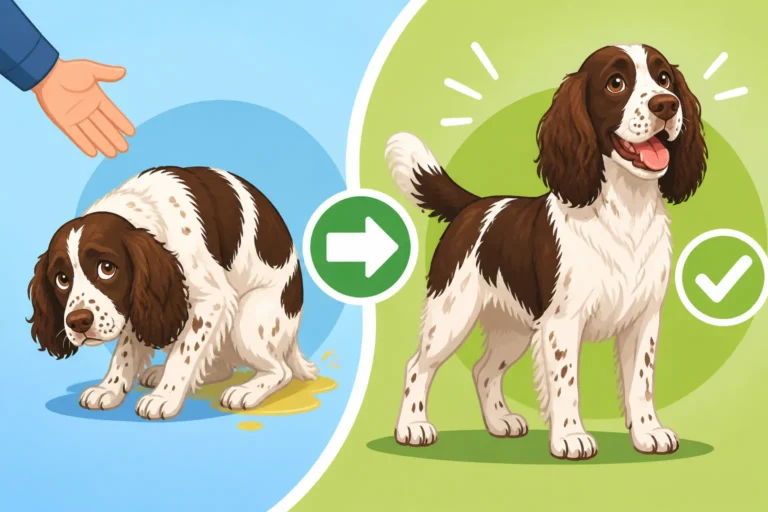
It's crucial that "come" always means something fantastic happens. Never use it to scold them, to end a fun activity abruptly, or to do something unpleasant like nail trimming. If coming to you sometimes means punishment or something they don't like, they'll quickly learn to avoid it. Think of it as building a positive emotional bank account for that one command. A program like BAXTER & Bella, an online puppy school, can provide structured lessons and support for establishing these critical early training foundations, including recall, in a positive and consistent way. They emphasize making training fun and engaging for both you and your puppy, which is especially important for a smart, energetic breed like the Springer.
High-Value Rewards and Motivation
For a Springer, a standard kibble isn't usually enough to compete with the smell of a deer. You need to pull out the big guns: tiny pieces of cooked chicken, cheese, hot dogs, or whatever your dog absolutely goes wild for. These high-value treats are your currency in the recall game. The reward needs to be better than whatever they're chasing or sniffing. Over time, as the recall becomes more ingrained, you can start to vary the rewards, sometimes using treats, sometimes a favorite toy, sometimes just enthusiastic praise and affection. But initially, make it undeniably worth their while.
Alongside tangible rewards, remember that play can be a powerful motivator. A quick game of tug or throwing a favorite retrieving toy can be just as, if not more, rewarding than a treat for a high-drive Springer. Incorporating play into your recall routine teaches them that coming back to you isn't just about food; it's about re-engaging with you in a fun, exciting way. This builds a strong bond and reinforces your position as the source of all good things.
Proofing the Recall in Different Environments
Once your Springer has a solid recall in a quiet, familiar setting, it's time to "proof" it in increasingly distracting environments. Start with slightly more distracting places, like your backyard with a few toys out, then move to quiet parks on a long line. Whether a Long Line Suits a Springer Spaniel is an important consideration here, as it allows you to practice recall in open spaces while maintaining safety. A 30-foot or 50-foot long line can be purchased easily on Amazon and is an indispensable tool for building confidence in off-leash situations without the risk of your dog bolting.
Gradually increase the distractions: other people, other dogs, and eventually, wildlife (from a safe distance, of course, and always with the long line until you're absolutely certain). If they fail to respond, go back to an easier environment. Never punish a failed recall; simply reel them in gently on the long line and try again. The goal is success, not correction. This slow, methodical approach ensures that your Springer learns to respond to "come!" no matter what exciting things are happening around them.
Tools and Strategies for Off-Leash Safety
Even with excellent training, Springers are still Springers, and their instincts are powerful. Having the right tools and strategies in your arsenal provides an extra layer of safety and peace of mind.
Long Lines and GPS Collars
As mentioned, a long line is an invaluable training tool. It gives your dog the illusion of freedom while giving you control. Start with a shorter one and gradually extend the length as their recall improves. Always attach it to a harness, not a collar, to prevent neck injuries if they hit the end of the line at speed. Beyond training, for those moments when you're still building confidence in a new, distracting environment, a long line can allow your dog to enjoy more freedom than a standard leash.
For the adventurous Springer, a GPS collar is a modern marvel that can be a lifesaver. These devices, available from various brands, allow you to track your dog's location in real-time via your smartphone. If your Springer does get distracted and goes out of sight, a GPS collar can help you quickly pinpoint their location, turning a terrifying search into a manageable retrieval. Many dog owners who regularly explore large, unfenced areas consider these an essential piece of gear. Whether a Springer Spaniel Should Wear a GPS Collar is a question that many field-bred Springer owners grapple with, and for the peace of mind they offer, they are often well worth the investment. You can find a wide range of options on Amazon, from simple trackers to more advanced models with activity monitoring.
Professional Training Support
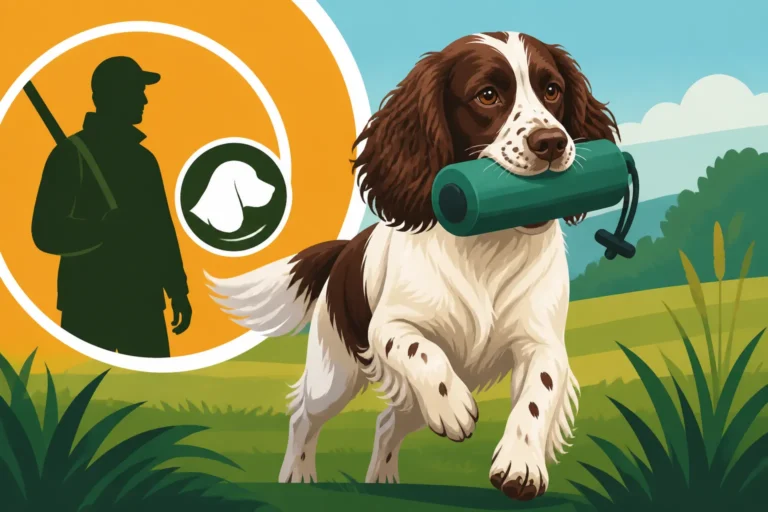
Sometimes, you hit a wall, or you feel like your Springer's recall just isn't sticking. That's perfectly normal, and it's okay to ask for help. A professional gundog trainer or a certified positive reinforcement dog trainer who understands the working nature of a Springer Spaniel can provide invaluable guidance. They can assess your dog's specific motivations, identify gaps in your training, and offer tailored strategies to improve recall. They might introduce advanced techniques, like whistle training, which can be incredibly effective for Springers as it cuts through distractions more effectively than a human voice.
Working with a trainer doesn't mean you've failed; it means you're committed to your dog's safety and well-being. They can also help you understand Whether an Electronic Collar Belongs on a Springer Spaniel and, if so, how to use it safely and humanely as a communication tool rather than a punishment device, typically only for advanced recall proofing in high-distraction environments under expert guidance. Always choose a trainer who prioritizes positive, force-free methods and focuses on building a strong relationship with your dog.
Creating a Safe Environment
Ultimately, the best strategy is proactive safety. This means being realistic about where and when you let your Springer off-leash. If you're in an unfamiliar area, near a busy road, or in a place teeming with wildlife, keep them on a leash or a long line. Even the best-trained dog can have an "off" day, or encounter a distraction so overwhelming that their training falters. Utilize secure, fenced dog parks or private fields when possible for true off-leash freedom.
Consider your dog's individual temperament. Some Springers are naturally more "biddable" than others. Respect their limits and instincts. Providing ample mental and physical exercise before expecting a flawless recall in a distracting environment can also help. A tired Springer with a satisfied brain is often more likely to listen than a bored, pent-up one. By combining consistent training, appropriate tools, and mindful management, you can give your Springer the freedom to explore safely, knowing they'll always choose to come back to you.
Disclaimer
This article is for general informational purposes only and does not constitute professional advice. Laws, prices and regulations vary by location and change over time. Consult a qualified professional for guidance on your specific situation.