Whether a Springer Spaniel Has a Soft Mouth
One of the most common questions I get from people thinking about getting an English Springer Spaniel, or even those who already have one, revolves around their mouth. Specifically, whether these eager, retrieving dogs possess what we call a "soft mouth." It's a valid concern, especially if you picture your beautiful Springer gently cradling a pheasant, or perhaps even a child's favorite stuffed animal, instead of crunching down on it like a chew toy. This guide dives deep into what a soft mouth really means for a Springer Spaniel, why it's so important, and how you can help cultivate this desirable trait in your own companion.
Understanding the "Soft Mouth" in a Springer Spaniel
The term "soft mouth" in the dog world, particularly for gundogs like Springer Spaniels, isn't just a nice-to-have; it's a fundamental characteristic that speaks volumes about their training, temperament, and inherent nature. It means a dog can pick up and carry objects—especially fragile ones like game birds, or even eggs in a training exercise—without biting down hard, crushing, or damaging them. For a gundog, a soft mouth ensures that retrieved game is presented to the hunter in prime condition, ready for the table. For a family pet, it means they're less likely to damage their toys, your shoes, or inadvertently hurt someone's hand during play.
What "Soft Mouth" Really Means
When we talk about a soft mouth, it's not about a dog having physically weaker jaws or fewer teeth. Far from it! Springer Spaniels are robust dogs with strong jaws, designed for holding onto things. A soft mouth is primarily a behavioral trait, a testament to control, gentleness, and an understanding of appropriate pressure. It’s about the dog choosing to use minimal pressure, rather than being physically incapable of using more. Think of it less as a physical limitation and more as a learned or innate delicacy in how they handle objects.
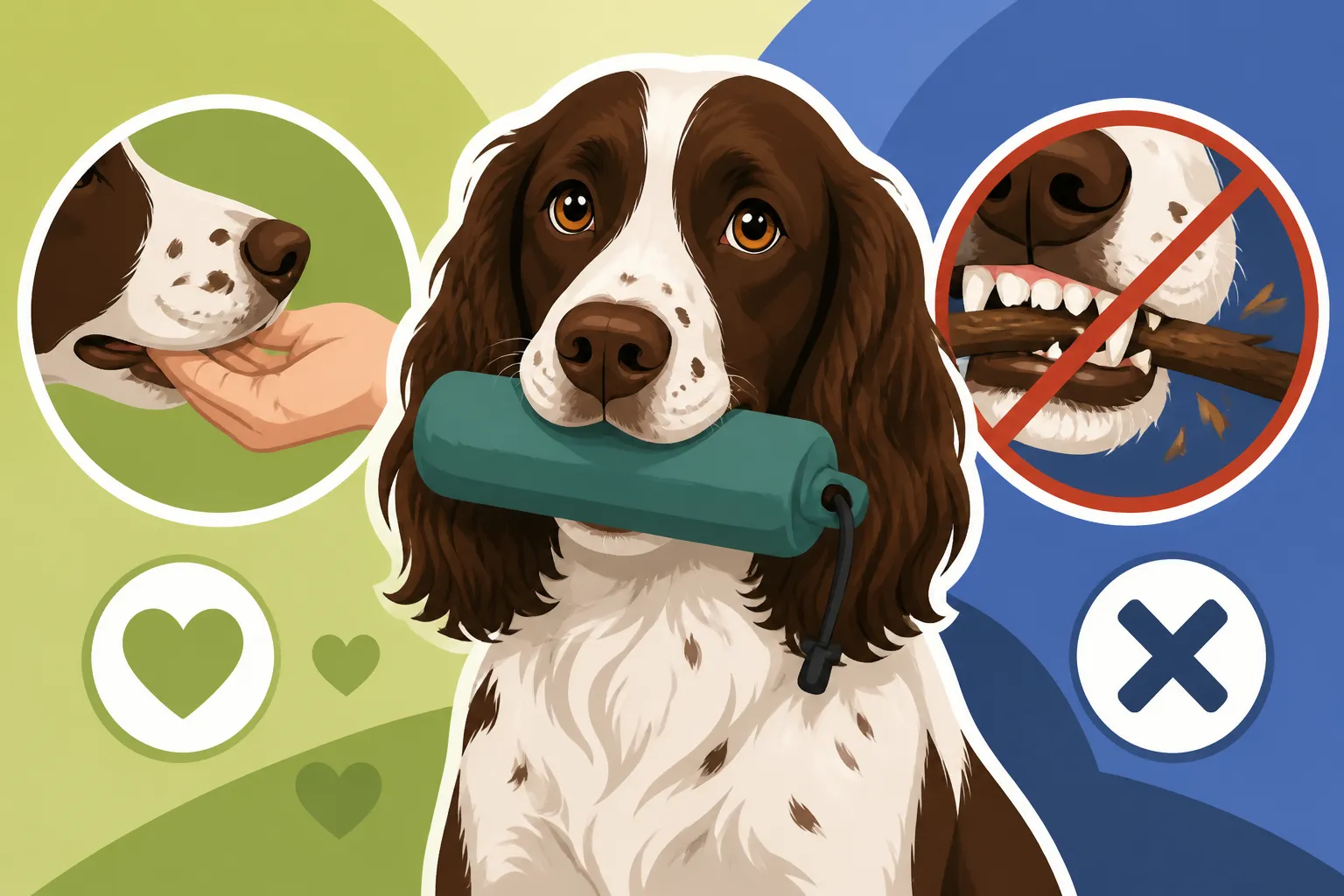
This gentleness extends beyond just retrieving game. A Springer Spaniel with a truly soft mouth will often carry a toy around the house without gnawing on it, or carefully take a treat from your fingers without snapping. It's a reflection of their overall manner and respect for the objects they interact with. It's a sign of a well-adjusted and well-trained dog, one that understands the value of what's in their mouth, whether it's a valuable pheasant or just their favorite What a Springer Spaniel Retrieves.
Why It's Crucial for Springer Spaniels
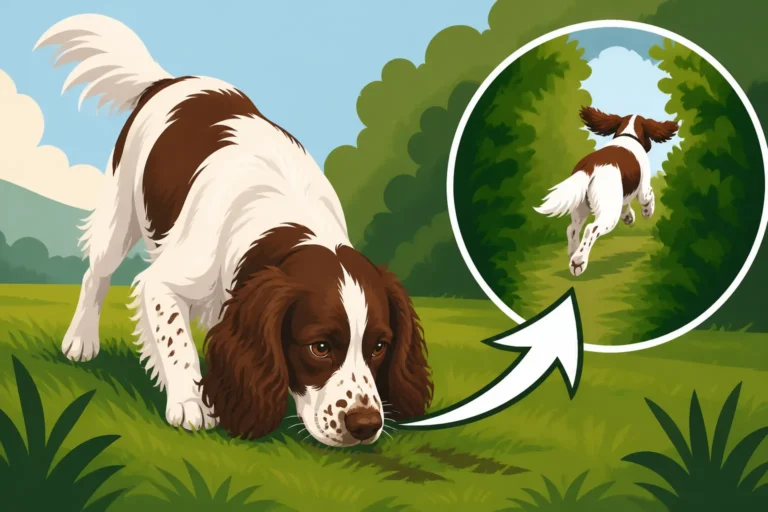
For centuries, Springer Spaniels were bred to "spring" game, flushing it from cover, and then to retrieve it. This dual role meant they needed to be enthusiastic and driven in the field, but equally gentle when bringing back a bird. A Springer Spaniel that damages game birds in retrieval isn't much use to a hunter. The historical purpose of the breed deeply ingrains the need for a soft mouth.
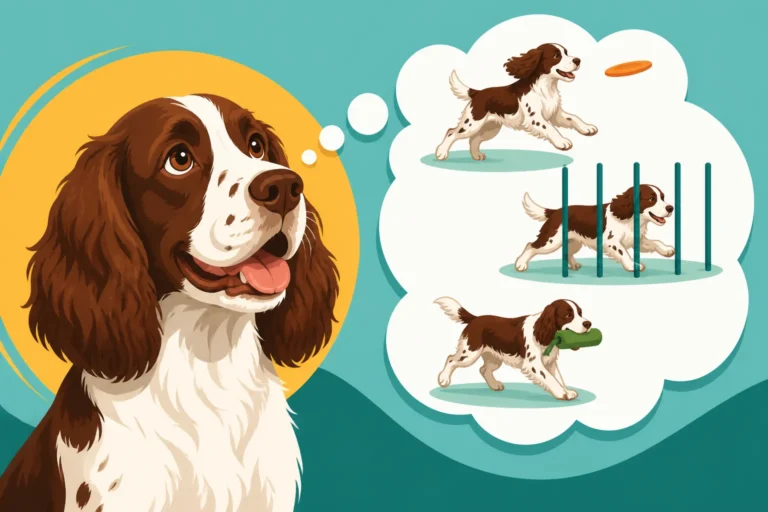
Beyond their working heritage, a soft mouth is incredibly valuable for Springer Spaniels in pet homes too. These dogs are often exuberant and love to carry things. If they have a hard mouth, that enthusiasm can quickly turn into ruined items or, worse, accidental nips during excited play. Having a dog that naturally, or through careful training, understands how to be gentle is a huge relief for owners, especially those with children or other small pets. It prevents a lot of heartache over damaged belongings and fosters a safer, more harmonious household.
Nurturing a Soft Mouth: From Puppyhood to Adulthood
While some Springer Spaniels might have a natural inclination towards a softer mouth, it's very much a trait that can, and often should, be actively nurtured and trained from a young age. Just like teaching good manners, cultivating a soft mouth is a process that involves consistency, patience, and positive reinforcement.
Starting Early with Your Springer Spaniel Puppy
The foundations for a soft mouth are laid when your Springer Spaniel is just a tiny bundle of fluff. Puppy biting and mouthing are completely normal—it's how they explore their world and learn bite inhibition from their littermates. However, it's your job to teach them what's acceptable pressure and what's not.
Early Lessons in Gentleness:
When your puppy mouths you too hard, make a high-pitched yelp or "ouch!" and immediately withdraw your hand, ending play for a few seconds. This mimics how their littermates would react. When they respond by softening their bite, praise them and resume play. This teaches them that gentle mouths lead to continued fun, while hard bites make the fun stop. You'll be amazed at how quickly The Age a Springer Spaniel Puppy Stops Mouthing if you are consistent.
Offer a variety of appropriate chew toys. If they start gnawing on something inappropriate, gently redirect them to a proper toy. Consistency is key here. If you sometimes allow them to chew on an old shoe, but other times scold them for it, they'll be confused. Make sure everyone in the household is on the same page with these rules. Some fantastic resources, like the online puppy training program from BAXTER & Bella, offer structured guidance on these early stages, helping you build a solid foundation from the start.
The Role of Training and Positive Reinforcement
Formal training plays a huge part in developing a reliable soft mouth. This isn't just about preventing damage; it's about building control and confidence in your dog.
Structured Retrieve Training:
Start with simple retrieve games using items that aren't too precious. A soft fabric toy or a retrieve dummy is perfect. Encourage them to pick up the item, bring it back, and hold it gently before releasing it. Avoid snatching the item from their mouth, as this can encourage them to grip tighter. Instead, trade them for a high-value treat, or ask for a "drop it" command and reward heavily when they comply gently. The focus is on controlled carrying and releasing, not just grabbing and letting go.
As they progress, you can introduce different textures and objects, always reinforcing gentle handling. Some trainers even use an egg in a retrieve exercise as the ultimate test of a soft mouth, though I'd recommend building up to that! Remember, positive reinforcement is always the most effective approach for a sensitive breed like the Springer Spaniel. They thrive on praise and rewards, not harsh corrections. If you want to know more about the effectiveness of positive training, consider reading Whether Positive Training Alone Works on a Springer Spaniel.
Preventing "Hard Mouth" Habits:
A "hard mouth" can develop if a dog feels insecure about their retrieve, thinking you might take the object away, or if they're left to self-soothe by chewing excessively on fetched items. Always make the exchange positive and rewarding. If you notice your Springer starting to grip items too tightly during play, immediately switch to a different game or toy that encourages gentler interaction.
For dogs used in field work, this training becomes even more vital. A gundog trainer often has specialized techniques for reinforcing a soft mouth under the pressures of a hunt. They understand the nuances of how a dog uses its mouth and can help fine-tune that gentleness. Building these habits early ensures that when your Springer retrieves a bird, they do it with the delicacy required, avoiding instances of Whether a Springer Spaniel Damages Birds.
Common Challenges and Solutions
Even with the best intentions, you might encounter some bumps in the road when working on a soft mouth with your Springer Spaniel. It’s important to understand that these challenges are often solvable with consistency and the right approach.
When Your Springer Spaniel Grips Too Hard
One of the most frustrating things for an owner is when your Springer Spaniel consistently grips things too tightly, even after initial training. This can manifest in several ways: crushing toys, leaving teeth marks on everything they retrieve, or accidentally pinching your fingers during play.
Understanding the Root Cause:
Often, a "hard mouth" isn't malicious; it's a habit that's developed or a lack of understanding. It could stem from:
- Excitement: An overly excited Springer might inadvertently grip harder. Their enthusiasm simply overflows.
- Insecurity: If a dog thinks you're going to take an object away forcefully, they might instinctively tighten their grip to "protect" it.
- Lack of Training: Simply put, they might not have been taught how to be gentle.
- Individual Temperament: Some dogs are just naturally more mouthy or less inhibited than others.
Strategies for Correction:
- "Hold" and "Give" Practice: Start with a neutral object they don't value highly. Ask them to "hold" it. If they grip too hard, immediately say "no" or "easy" in a calm voice, and use a treat to encourage them to relax their mouth. As soon as they loosen, praise and reward. Then ask for "give" or "drop." Repeat this many, many times. The goal is to build muscle memory for gentle holding.
- Trade-Up Game: Always make giving something up a positive experience. If they have an item and are gripping hard, don't try to pull it out. Instead, offer a higher-value treat right to their nose. As they open their mouth to take the treat, the object will drop. Immediately praise them. This teaches them that letting go leads to something better.
- Manage Excitement: If excitement is the culprit, try to introduce retrieves when your Springer is calmer. Practice short, controlled retrieves rather than long, high-energy sessions. Teach them to settle before and after retrieves. This also applies to general play. Understanding How Many Repetitions a Springer Spaniel Needs will help here, as frequent, short sessions are more effective than infrequent, long ones.
- Appropriate Toys: Ensure they have plenty of durable, appropriate chew toys. If they consistently destroy soft toys, they might need something tougher to satisfy their chewing instincts, reserving softer items for gentle retrieves.
Seeking Professional Guidance for Persistent Issues
Sometimes, despite your best efforts, a hard mouth can be a stubborn habit to break. This is particularly true for older dogs who might have ingrained behaviors or for those with very high drive. Don't feel discouraged if you find yourself in this situation.
When to Call in the Pros:
If you've been consistent with positive reinforcement and structured training for several weeks or months, and your Springer Spaniel is still displaying a hard mouth, it might be time to seek professional help. A qualified gundog trainer or a certified professional dog trainer with experience in retrieving breeds can be an invaluable resource.
What a Professional Can Offer:
- Experienced Eye: A trainer can observe your dog's behavior and pinpoint the exact triggers or reasons for the hard mouth that you might be missing.
- Tailored Program: They can design a specific training plan tailored to your dog's individual needs and temperament. This might involve using specialized equipment, like different types of retrieve dummies, or introducing new cues.
- Handling Techniques: They can teach you refined handling techniques to encourage gentleness, especially during retrieves. For instance, they might show you how to subtly use body language or specific verbal cues to prompt a softer grip.
- Advanced Drills: For working Springers, a gundog trainer will have drills specifically designed to reinforce a soft mouth under various field conditions. They can also provide guidance on Whether a Springer Spaniel Needs a Gundog Trainer for more advanced work.
- Behavioral Insights: In rare cases, a hard mouth might be linked to underlying anxiety or frustration. A professional behaviorist can help address these deeper behavioral issues.
Remember, investing in professional training isn't a sign of failure; it's a commitment to your dog's well-being and your shared enjoyment. It ensures your Springer Spaniel develops into the gentle, capable companion you always envisioned.
| Aspect of Soft Mouth | Description | Why it's Important for Springer Spaniels | How to Nurture It |
|---|---|---|---|
| Definition | Gentle grip, holding without crushing or damaging. | Preserves game, protects household items & people. | Early bite inhibition, positive retrieve training. |
| Nature | Primarily behavioral, learned or innate control. | Reflects good manners, responsiveness. | Consistent positive reinforcement, clear expectations. |
| Development | Starts in puppyhood, refined through maturity. | Prevents hard mouth habits from forming. | Puppy mouthing games, "hold" and "drop" commands. |
| Challenges | Over-excitement, insecurity, lack of understanding. | Can lead to damaged items, accidental nips. | Calm training environment, trade-up games, professional help. |
| Goal | Confident, gentle retrieval and carrying. | Ensures dog is a valuable companion in any role. | Patience, consistency, appropriate training tools (e.g., dummies from Amazon). |
Living with a Soft-Mouthed Springer Spaniel
Once you've nurtured a soft mouth in your Springer Spaniel, the benefits extend far beyond just retrieving game. It fundamentally changes the way you interact with your dog and how they engage with their world.
Everyday Benefits in a Pet Home
A soft-mouthed Springer Spaniel is a joy to live with. Imagine your dog bringing you the remote control without leaving teeth marks, or gently taking a toy from a child's hand. This gentleness isn't just a party trick; it's a cornerstone of a well-behaved family member.
They can carry delicate items, whether it's the mail or a specific toy you've asked them to "go find," without you having to worry about damage. This skill set also often translates to a generally more respectful mouth, meaning less inadvertent nipping during boisterous play and a better understanding of boundaries. This is especially vital in homes with little ones, as A Springer Spaniel in a House With Children can thrive when the dog understands gentle interaction. It's a testament to the training you've put in, allowing their natural eagerness to retrieve to shine through responsibly.
The Hunter's Pride: Undamaged Game
For those who hunt with their Springer Spaniels, a truly soft mouth is the ultimate badge of honor. There's immense satisfaction in having your dog return with a bird, whether it's a pheasant or a woodcock, presented to hand in perfect condition. It speaks to the quality of your dog's breeding and, crucially, the dedication to their training.
A soft-mouthed gundog means fewer lost birds, less damage to game, and a more ethical hunting experience overall. It demonstrates the dog's control and understanding of its job, even in the high-stakes environment of the field. This skill is something that takes time to hone, often spanning The First Year With a Springer Spaniel Puppy and well into their adult working career, but the rewards are immeasurable. It allows the Springer Spaniel to fulfill its centuries-old purpose with grace and precision.
It takes effort and consistency, but helping your Springer Spaniel develop a soft mouth is one of the most rewarding training journeys you can embark on. It transforms a boisterous retriever into a gentle, capable companion, whether they're bringing back your slippers or a prize bird from the marsh.
Disclaimer
This article is for general informational purposes only and does not constitute professional advice. Laws, prices and regulations vary by location and change over time. Consult a qualified professional for guidance on your specific situation.