Whether a Springer Spaniel Can Be Cured of Gun Shyness
It's heartbreaking to witness your once-confident Springer Spaniel cower or bolt at the sound of a distant gunshot, fireworks, or even a sudden clap of thunder. This isn't just a minor inconvenience; it's a deep-seated fear that can shatter their quality of life and your dreams of enjoying activities together. This guide delves into the complexities of gun shyness in English Springer Spaniels, exploring whether it can truly be "cured" and, more importantly, how you can help your beloved companion overcome this debilitating anxiety.
Understanding Gun Shyness in Springer Spaniels
Gun shyness isn't a simple behavioral quirk; it's a profound fear response to loud, sudden noises, specifically those associated with firearms. For a breed like the Springer Spaniel, so often bred for field work, this can feel like a profound betrayal of their very nature. Yet, it's a real and deeply distressing issue for many owners. It’s not about disobedience; it’s about terror.
What Causes Gun Shyness? Nature vs. Nurture
The origins of gun shyness are often a complex mix of genetics and early experiences. Some Springer Spaniels are simply born with a more sensitive nervous system, making them predisposed to being easily startled or overwhelmed by loud noises. This isn't a fault of the breeder necessarily, but a genetic lottery that sometimes results in a dog less resilient to auditory stimuli. If a puppy has a parent or grandparent who was gun-shy, their chances of inheriting that sensitivity might be higher. This is why a reputable breeder will carefully screen their lines not just for physical health but also for temperament and nerve.
However, nurture plays an enormous role too. A single traumatic event can trigger gun shyness. Imagine a young, inexperienced Springer Spaniel puppy, full of zest, on its first hunting trip. A gun goes off too close, too suddenly, without proper introduction, or perhaps when the puppy is already feeling insecure or overwhelmed by the new environment. That sudden, deafening bang, perhaps coupled with physical discomfort from the concussive force, can imprint a powerful negative association with the sound. Even in non-hunting homes, a sudden loud noise like a dropped pan, a car backfiring, or a close-range firework can spark this fear in a sensitive pup. It's not always a dramatic event; sometimes it's a series of small, startling experiences that build up.
How Gun Shyness Manifests Itself
The signs of gun shyness can range from subtle anxiety to outright panic. In its mildest forms, you might notice your Springer Spaniel becoming tense, flattening its ears, tucking its tail, or seeking comfort when a distant bang occurs. They might pause their activity, look around nervously, and then slowly resume, albeit with heightened awareness. This is often the earliest warning sign, and it's crucial to address it before it escalates.
At the more severe end of the spectrum, a gun-shy Springer Spaniel might exhibit full-blown panic. This can include uncontrollable trembling, excessive drooling, destructive chewing, frantic pacing, attempting to escape (even through windows or fences), defecating or urinating, or even becoming unresponsive and shutting down. Some dogs will try to hide in the smallest, darkest spaces they can find, while others become hyper-vigilant and reactive to any sudden sound, anticipating the next boom. These dogs aren't being "naughty" or "stubborn"; they are genuinely terrified, and their survival instincts are screaming at them to flee from a perceived threat. You can see how distressing this is, and it's why understanding What Sudden Onset Aggression Looks Like in a Springer Spaniel is also important, as sometimes fear can be misread.
Recognizing the Early Warnings and Full-Blown Panic
Catching gun shyness early can make a world of difference in its potential to be managed, or even "cured." It's not always a sudden flip of a switch; often, there are subtle indicators that tell you your Springer is struggling with noise sensitivity. Being observant and understanding these cues is your first line of defense.
Subtle Signs of Noise Sensitivity
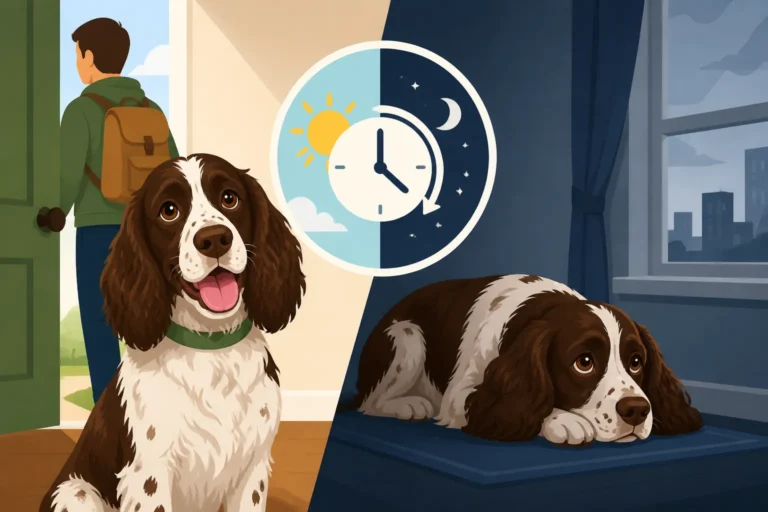
Before full-blown gun shyness develops, many Springer Spaniels will show more subtle signs of noise sensitivity. These might be reactions to everyday sounds that most dogs ignore. Perhaps your dog startles easily at the vacuum cleaner, a car door slamming, or the mail carrier's truck. They might jump, flinch, or quickly look towards the source of the sound. You might notice them freezing momentarily or their ears swiveling frantically. Some dogs might yawn, lick their lips, or turn their head away – these are often appeasement gestures, indicating discomfort. They may also begin to exhibit what's known as "sticky" behavior, staying glued to your side, refusing to leave even for a quick bathroom break, because they feel safer near you. If your normally bold Springer Spaniel suddenly becomes The Soft Springer Spaniel That Shuts Down If You Shout, this could be an early warning sign of a sensitive nature that could lead to gun shyness with improper exposure.
Another subtle sign is a change in body language. A happy, confident Springer Spaniel holds its tail high or wags it freely. A dog becoming noise-sensitive might tuck its tail slightly, lower its head, or carry its body in a more compressed, less expansive way. Their stride might become shorter, or they might walk closer to your leg. These are all indicators that they are feeling vulnerable or anxious about their surroundings. Don't dismiss these early signals; they are your dog's way of communicating distress.
Escalation to Full-Blown Panic
When gun shyness takes hold, these subtle signs escalate into overt fear and panic. The dog's reaction is no longer a startle; it's a full-body, visceral response. Common manifestations of full-blown panic include:
- Freezing or Bolting: Some dogs will freeze in place, becoming completely unresponsive to your commands, while others will bolt in a desperate attempt to escape the sound, often without regard for their own safety.
- Excessive Trembling, Panting, or Drooling: These are physiological responses to extreme stress and fear. The dog's heart rate will be elevated, and they may drool uncontrollably, leaving wet patches around their mouth.
- Destructive Behavior: In their panic, some dogs will chew through crates, furniture, or doorframes, trying to get away or self-soothe. This isn't malice; it's a frantic effort to cope.
- Hiding or Seeking Extreme Closeness: The dog might try to wedge itself into small spaces, under beds, or behind toilets. Others will climb onto you, pushing their body against yours, desperate for reassurance and protection.
- Loss of Bladder/Bowel Control: In extreme fear, dogs can lose control of their bodily functions. This is not a defiance issue; it's an involuntary response to overwhelming terror.
It's crucial to understand that punishing these reactions will only make the fear worse. Your Springer Spaniel isn't choosing to be afraid; their fear response is involuntary and deeply primal. Yelling or physically reprimanding them for their fear will only damage your bond and confirm to them that the world, and even you, are unsafe.
Can a Springer Spaniel Be Cured? Navigating Training and Expectations
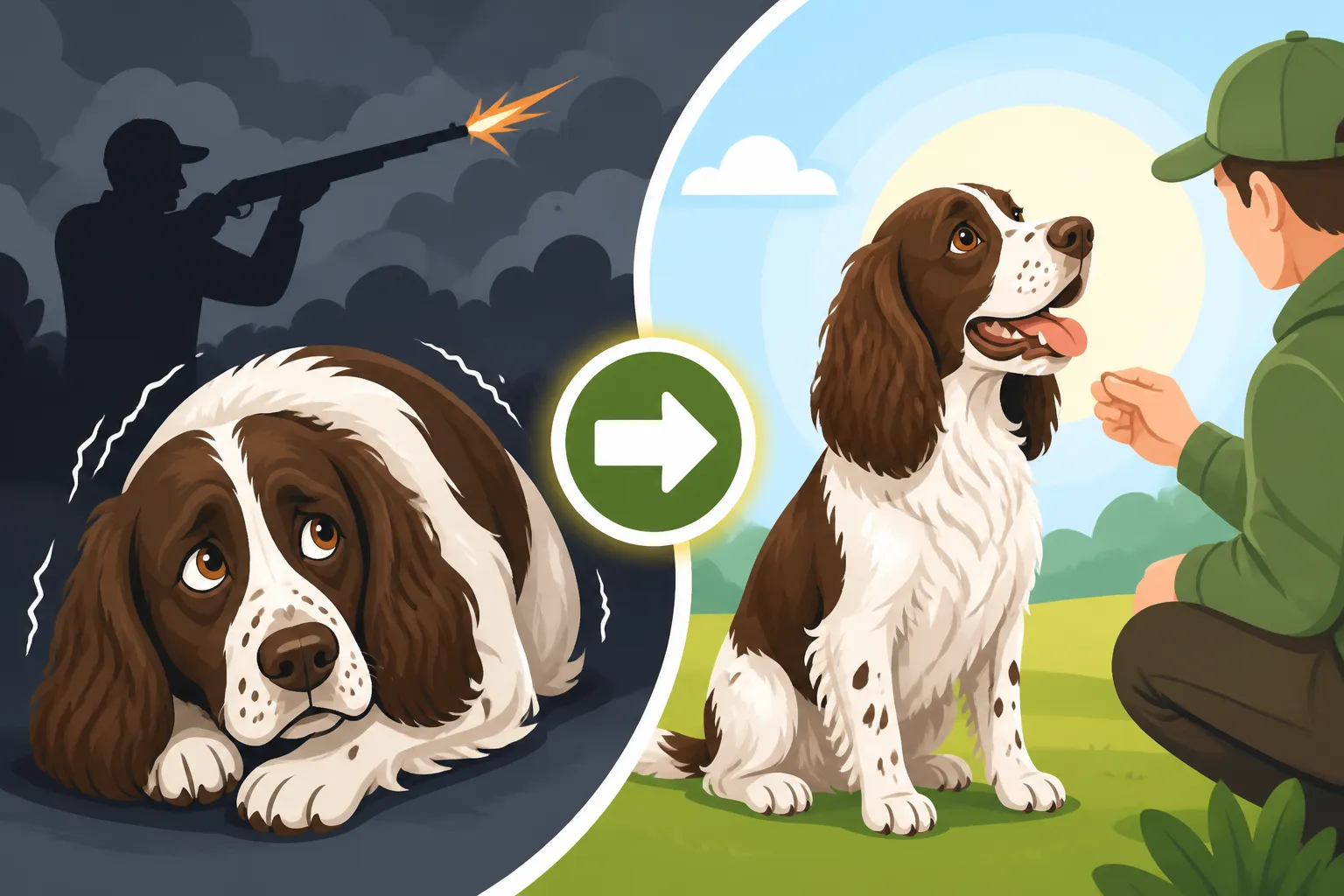
The word "cure" can be a bit misleading when it comes to gun shyness. It implies a complete eradication of the issue, as if it never existed. For some mild cases, especially if caught early, a dog can make a remarkable recovery and become genuinely comfortable with loud noises. For others, it's more about careful management and significant improvement rather than a total cure. The goal is to change your Springer Spaniel's emotional response from fear to neutrality or even positive anticipation. This requires immense patience, consistency, and often, professional guidance.
The Desensitization and Counter-Conditioning Process
The primary training approach for gun shyness is desensitization and counter-conditioning. This is a gradual, systematic process designed to change your dog's emotional association with gun-like sounds.
- Start Small and Controlled: You begin by playing very low-volume recordings of gunshots or similar sounds. The key is to start at a volume so low that your Springer Spaniel barely reacts, or ideally, doesn't react at all. You can find many sound effect apps or CDs on platforms like Amazon that allow for precise volume control.
- Pair with Positive Experiences: While the sound is playing at this imperceptible level, engage your dog in something they absolutely love. This could be playing with their favorite toy, giving them high-value treats (like cooked chicken or cheese), or offering a special massage. The goal is to create a new, positive association: "Loud sound equals wonderful things!"
- Gradual Increase: Over many, many sessions, and only if your dog remains relaxed and happy at the current volume, you incrementally increase the sound. This might mean raising the volume by the tiniest notch each time, perhaps over weeks or months. The process cannot be rushed. If your dog shows any sign of anxiety (ears back, tail tucked, stopping play, looking for the sound), you've gone too far, too fast. Immediately reduce the volume and continue at a level where they are comfortable.
- Varying Environments: Once your dog is comfortable with the sounds indoors, you can slowly introduce them in different, controlled outdoor environments, always starting at a very low volume again.
This methodical approach can be incredibly effective, but it takes time, dedication, and a deep understanding of your dog's body language. It's not a quick fix, and any setbacks should be met with patience, not frustration. Remember, Whether a Springer Spaniel Recovers From Rough Handling is often tied to trust, and fear-based training will only make things worse.
When to Bring in a Professional Trainer
While DIY desensitization can work for mild cases, severe gun shyness often benefits immensely from the expertise of a professional. Not just any trainer, but one who specializes in fear-based behaviors and uses positive reinforcement, force-free methods. A certified professional dog trainer (CPDT) or a veterinary behaviorist can assess the severity of your Springer Spaniel's fear, identify potential triggers you might be missing, and create a tailored desensitization plan. They can also teach you advanced counter-conditioning techniques and guide you through the process, providing invaluable support and troubleshooting.
Sometimes, medication might be considered as an adjunct to behavioral modification, especially for severe cases. A veterinary behaviorist can prescribe anti-anxiety medications that help reduce your dog's overall stress levels, making them more receptive to training. This isn't a "cure" on its own, but it can lower the baseline anxiety enough for the behavioral work to be effective. Think of it as taking the edge off so your dog can actually learn and respond, rather than being constantly overwhelmed by panic. If you're struggling, don't hesitate to seek out a professional. Many online platforms, like those offered by BAXTER & Bella, also provide comprehensive training resources that can complement professional, in-person guidance. A solid foundation in obedience and trust is key, so consider foundational training like Whether Positive Training Alone Works on a Springer Spaniel.
Living with and Preventing Gun Shyness
Even if your Springer Spaniel never becomes completely "cured" in the traditional sense, they can still lead a happy, fulfilling life with the right management and preventative measures. The focus shifts from elimination to creating an environment where they feel safe and confident, even if some limitations remain.
Management Strategies for a Gun-Shy Dog
For a Springer Spaniel that struggles with gun shyness, management is key. This means proactively avoiding triggers where possible and preparing for unavoidable ones.
- Trigger Avoidance: The simplest solution is often the most effective: avoid situations where gunshots or similar loud noises are likely. This means knowing local hunting seasons, avoiding shooting ranges, and planning walks away from areas where fireworks or loud construction might occur. If you live in an area prone to fireworks (like around the Fourth of July or New Year's Eve), create a "safe haven" for your dog. This could be a secure, interior room with thick walls, where background noise (like a TV or white noise machine) can help mask external sounds.
- Comfort and Security: Ensure your Springer Spaniel has a designated safe space within your home. This might be a crate covered with a blanket, a den-like space under a desk, or a specific bed in a quiet room. Fill it with comfortable bedding and their favorite chew toys. During noisy events, ensure they have access to this sanctuary. You can offer high-value chews or puzzle toys to distract them and associate the space with positive, calming activities.
- Protective Gear: While not a cure, specialized ear protection for dogs can make a significant difference. Brands offer noise-canceling earmuffs or earplugs designed for canine anatomy. These can be introduced gradually and positively, perhaps starting with short wear times paired with treats, so your dog associates them with good things. While not perfect, they can significantly muffle sounds and reduce impact.
- Confidence Building: Engaging your Springer Spaniel in activities that build confidence and mental stimulation can help indirectly. Agility, scent work, obedience training, or even just regular structured walks where they feel secure and successful, can boost their overall resilience. A confident dog is generally better equipped to handle stressful situations. Exploring activities like Whether a Springer Spaniel Can Be Trained for Detection Work could provide an excellent alternative outlet for their working drive.
Preventing Gun Shyness in Puppies
Prevention is always better than cure, especially with something as deeply ingrained as fear. Introducing a Springer Spaniel puppy to gun-like sounds needs to be done with extreme care and patience, typically in a very controlled, positive manner.
- Early, Controlled Exposure: The critical period for socialization is between 3 and 16 weeks. During this time, gentle and positive exposure to a wide variety of sounds, including very distant, faint gunshots (often via recordings), can be beneficial. Always keep the sound volume extremely low – barely audible – and pair it with highly positive experiences, like feeding, playtime, or cuddles. The goal is to build a positive association, ensuring the puppy never shows fear. For an in-depth look at how to introduce these sounds, refer to How to Introduce a Springer Spaniel to Gunfire.
- Foundation of Trust and Confidence: Before introducing any loud noises, your puppy should have a solid foundation of trust in you and a general sense of confidence in its environment. This means positive reinforcement training, consistent routines, and plenty of positive social experiences. A confident puppy, secure in its bond with you, is far less likely to develop severe fear responses.
- Avoid Overwhelming Experiences: Never expose a young puppy to live gunfire or very loud, sudden noises without careful, gradual desensitization. A single traumatic event can set a puppy back significantly, potentially for life. Always prioritize their emotional well-being over pushing them too fast. If a puppy is already showing signs of being Whether a Springer Spaniel Is Gun Shy at a young age, immediately stop all potentially startling introductions and seek professional advice.
- Observe and Adapt: Every Springer Spaniel is an individual. What works for one might overwhelm another. Pay close attention to your puppy's body language. If they seem at all uncomfortable, back off. The process should always be on their terms, gradually expanding their comfort zone. If you have any concerns about your puppy's temperament or reactions, consult with a reputable gundog trainer or a veterinary behaviorist. They can help you determine the best path forward.
Remember, a gun-shy Springer Spaniel isn't a "broken" dog. They are a sensitive, intelligent creature experiencing profound fear. With understanding, patience, and the right approach, you can significantly improve their quality of life, even if a complete "cure" isn't always attainable. Your dedication can transform their terror into a manageable anxiety, allowing both of you to enjoy a much happier existence together.
| Aspect of Gun Shyness | Description | Approach | Potential Outcome |
|---|---|---|---|
| Mild Sensitivity | Dog startles, ears twitch, momentary pause, quickly recovers. | Early, gentle desensitization with low-volume sounds paired with treats/play. Avoid harsh corrections. Focus on confidence building. | Can often achieve complete comfort or near-neutrality towards gun sounds with consistent, positive training. |
| Moderate Anxiety | Dog tucks tail, seeks proximity, moderate panting, avoids area, may shake slightly. | Systematic desensitization and counter-conditioning. May benefit from professional trainer guidance. Safe haven creation. | Significant improvement, often able to enjoy activities with careful management; may still show mild anxiety in high-stress situations. |
| Severe Panic | Trembling, frantic escape attempts, destructive behavior, urination/defecation, unresponsive. | Intensive desensitization with a veterinary behaviorist, possibly medication. Strict trigger avoidance. Focus on comfort and security. | Management of symptoms, reduction of panic episodes. "Cure" unlikely, but quality of life can greatly improve with dedicated, professional support. |
Disclaimer
This article is for general informational purposes only and does not constitute professional advice. Laws, prices and regulations vary by location and change over time. Consult a qualified professional for guidance on your specific situation.