Whether a Springer Spaniel Tears a Cruciate Ligament
It's heartbreaking to see your vibrant, active Springer Spaniel suddenly lame, holding up a paw, or struggling to put weight on a leg. You immediately fear the worst, and often, for our energetic spaniels, a torn cruciate ligament is exactly what flashes through our minds. This guide will walk you through what a cruciate tear means for your Springer, how to recognize the signs, and what steps you can take to help them recover and prevent future injuries.
Understanding the Canine Cruciate Ligament
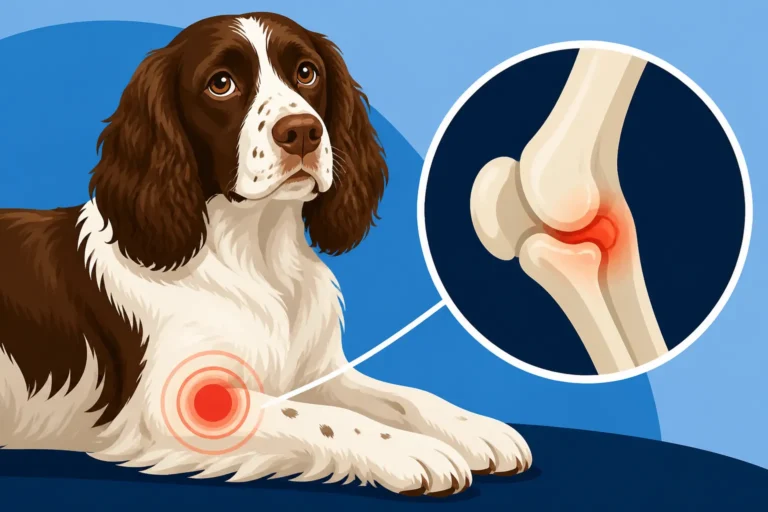
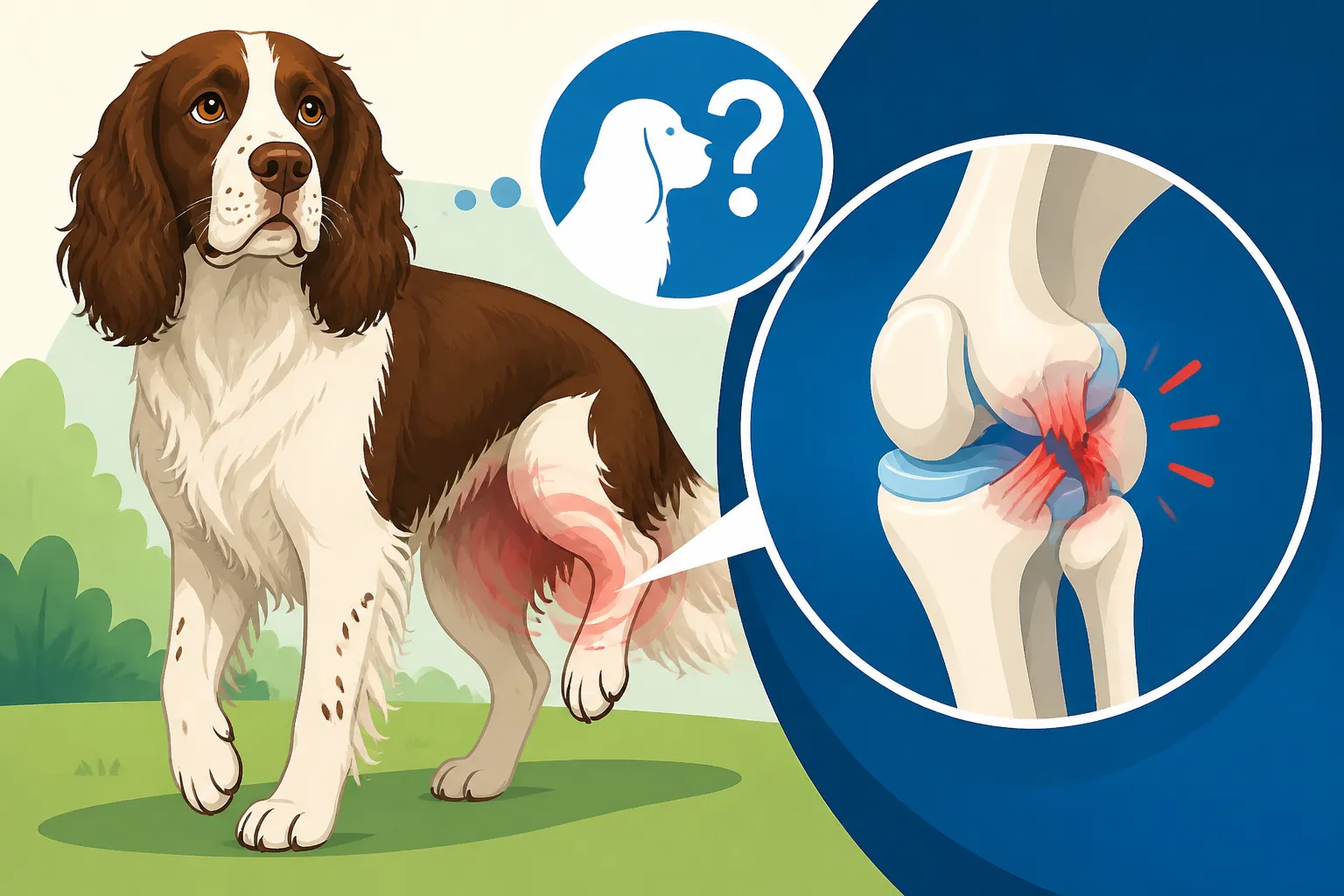
Imagine your dog's knee joint – or stifle, as veterinarians call it. It's a complex hinge that allows for incredible agility and power, crucial for a breed like the Springer Spaniel that loves to bound and work. At the heart of this joint are two vital bands of tissue known as cruciate ligaments: the cranial (anterior) cruciate ligament (CCL) and the caudal (posterior) cruciate ligament. These ligaments crisscross inside the knee, providing stability and preventing the tibia (shin bone) from sliding forward relative to the femur (thigh bone), and also limiting over-extension and rotation of the joint.
Anatomy and Function
The cranial cruciate ligament is the one most commonly injured in dogs, functionally similar to the anterior cruciate ligament (ACL) in humans, though there are important anatomical differences. It's under constant strain, especially with the high-impact movements typical of a Springer Spaniel. When your dog jumps, twists, or even just runs at full tilt and suddenly changes direction, this ligament is working overtime to keep the knee stable. A healthy CCL is tough and resilient, but it has its limits. Over time, or with an acute trauma, it can fray, partially tear, or rupture completely, leading to significant pain and instability.
How Cruciate Ligaments Differ from Human ACLs
While we often compare a dog's CCL tear to an athlete's ACL injury, there's a crucial distinction. In humans, ACL tears are usually acute traumatic events, like a sudden twist during a soccer game. For dogs, especially breeds like the English Springer Spaniel, CCL tears are frequently a degenerative process. The ligament can weaken over months or even years, slowly fraying until a seemingly minor movement causes the final tear. This underlying degeneration is often influenced by genetics, body conformation, and chronic stress on the joint, making it less of a singular "accident" and more of an inevitable progression for some dogs. Understanding this difference helps explain why some tears occur with dramatic suddenness, while others seem to develop gradually with intermittent lameness.
Why Springer Spaniels Are Prone to Cruciate Ligament Tears
Springer Spaniels are renowned for their boundless energy, athleticism, and enthusiasm for life. Whether they're field-bred working dogs or beloved family companions, they thrive on activity. Unfortunately, these very qualities, combined with certain breed predispositions, can make them more susceptible to cruciate ligament injuries than some other breeds. It’s not just one factor, but a combination that puts their knees at risk.
The Active Springer Lifestyle and Injury Risk
Think about a typical day for a Springer Spaniel: enthusiastic greetings, quick pivots during a game of fetch, leaping over obstacles in the yard, or navigating uneven terrain during a hunt. All these activities place considerable stress on their knee joints. A sudden stop, a misstep while jumping, or a sharp turn can place immense strain on the CCL. For a dog that's constantly on the go, sometimes without adequate warm-up or cool-down, the cumulative wear and tear on these vital ligaments can be significant. This constant, high-impact activity, while essential for their well-being, is also a double-edged sword when it comes to joint health. It's especially important for owners of working Springers to understand the risks involved with intense activity and how to manage them.
Genetic Predisposition and Conformation
Beyond their active lifestyle, genetics and body conformation play a substantial role in a Springer Spaniel's susceptibility to CCL tears. Some research suggests a hereditary component to CCL disease, meaning certain lines may be more prone to ligament degeneration. Additionally, the angle of the tibial plateau (the top surface of the shin bone) in some dogs can predispose them to injury. A steeper angle can cause the femur to slide backward on the tibia, constantly stressing the CCL. While breeders strive to produce sound dogs, these subtle anatomical variations can significantly increase risk. This is why paying attention to your dog's gait and overall physical condition, and even discussing family health history with your breeder, is so important. When considering a puppy, asking about the health history of the parents, especially regarding joint issues like Hip Dysplasia in a Springer Spaniel, can offer valuable insight into potential future problems.
Recognizing the Signs of a Torn Cruciate Ligament
Spotting a cruciate ligament tear can sometimes be tricky because the symptoms can range from subtle to overtly dramatic. As a Springer Spaniel owner, you know your dog's normal gait and energy levels better than anyone. Any deviation from that routine warrants careful attention, especially when it involves lameness or changes in movement. Don't dismiss a slight limp, as it could be the start of a more serious issue.
Acute vs. Chronic Symptoms
An acute tear, often the result of a sudden, strenuous activity, usually presents dramatically. Your Springer Spaniel might yelp, immediately stop weight-bearing on the affected leg, or hold it up completely. The knee joint itself might appear swollen, and your dog will be visibly distressed and in pain. They may struggle to sit squarely or lie down comfortably. If you notice a sudden, severe lameness after a burst of activity, especially one involving twisting or jumping, a complete CCL tear should be high on your list of concerns. This immediate, non-weight-bearing lameness is often what prompts an emergency vet visit.
On the other hand, chronic or partial tears tend to develop more subtly. You might first notice an intermittent limp that seems to get better with rest but returns with activity. Your Springer might favor the leg, or you might observe a stiffness, especially after resting or first waking up. They might seem hesitant to jump into the car, climb stairs, or engage in their usual enthusiastic play. Over time, muscle atrophy might become visible in the affected leg as they rely on it less. This type of gradual onset can be particularly frustrating, as you might keep thinking they've just "pulled something" until the lameness becomes persistent or a full tear finally occurs. If you're observing these kinds of subtle, recurring issues, it's worth a trip to the vet.
What to Do if You Suspect an Injury
If you suspect your Springer Spaniel has torn a cruciate ligament, the first and most crucial step is to restrict their activity immediately. Keep them on a leash for potty breaks only, avoid stairs, and prevent jumping. Any further stress on the compromised ligament can worsen the injury. Contact your veterinarian as soon as possible. They will need to perform a thorough orthopedic examination, which often includes a "cranial drawer test" and a "tibial compression test" to assess knee stability. X-rays are typically taken to rule out other bone issues, evaluate joint effusions, and assess the degree of osteoarthritis, which often accompanies chronic CCL disease. Early diagnosis is key, not only for managing pain but also for determining the best course of action to prevent further joint damage and the development of severe Arthritis in an Older Springer Spaniel. Many pet insurance providers, like Healthy Paws, emphasize the importance of timely veterinary care, which can be critical for both diagnosis and potential coverage of treatment costs.
Diagnosis and Treatment Options for Springer Spaniels
Once you've restricted your Springer's activity and sought veterinary advice, the next phase is diagnosis and determining the appropriate treatment. This can be a daunting time, as treatment often involves significant decisions and commitments, both financially and in terms of your dog's recovery journey.
Veterinary Examination and Diagnostics
Your veterinarian will conduct a comprehensive physical and orthopedic examination. The key diagnostic tests for a torn CCL are the cranial drawer test and the tibial compression test. During the cranial drawer test, the vet will attempt to move the tibia forward relative to the femur, much like opening a drawer. If there's instability, it indicates a tear. The tibial compression test also assesses this forward movement. However, in larger, more muscular dogs, or those in significant pain, these tests can sometimes be inconclusive, requiring sedation for an accurate assessment. X-rays are routinely taken to look for secondary signs of a CCL tear, such as joint effusion (fluid buildup), early osteoarthritis, or any concurrent fractures or bone abnormalities. While x-rays don't directly show the ligament, they are invaluable for assessing the overall health of the joint and ruling out other conditions. For a definitive diagnosis, particularly if a partial tear is suspected or if other issues are present, advanced imaging like an MRI may be recommended, though this is less common for routine CCL tears.
Surgical Interventions TPLO, TTA, Lateral Suture
For active breeds like Springer Spaniels, surgical repair is almost always the recommended course of action, especially for complete tears. Without surgical stabilization, the knee remains unstable, leading to rapid development of severe osteoarthritis and chronic pain. There are several effective surgical techniques:
- Tibial Plateau Leveling Osteotomy (TPLO): This is one of the most common and successful surgeries. The surgeon changes the angle of the tibial plateau by cutting and rotating a section of the tibia, then securing it with a bone plate and screws. This effectively neutralizes the forward thrust on the tibia, making the CCL redundant. It's often recommended for larger, more active dogs, including many Springer Spaniels, as it provides excellent long-term stability and function.
- Tibial Tuberosity Advancement (TTA): Similar to TPLO, TTA also aims to alter the biomechanics of the knee. A section of the tibia where the patellar ligament attaches is cut and advanced forward, changing the forces on the joint. This technique also aims to eliminate the need for the CCL. TTA has a good success rate, often comparable to TPLO for appropriate candidates.
- Lateral Suture (Extracapsular Repair): This is a simpler, less invasive, and generally less expensive procedure. It involves placing a strong suture material outside the joint capsule to mimic the function of the torn CCL. The suture helps to stabilize the joint until scar tissue forms and provides long-term stability. While effective, it might not provide the same level of long-term stability as TPLO or TTA for very active or larger Springer Spaniels, but it's often a good option for smaller, less active dogs or as a more affordable alternative.
The choice of surgery will depend on your dog's size, age, activity level, conformation, and the surgeon's experience and recommendation. Each procedure has its own recovery timeline, potential complications, and expected outcomes, so a thorough discussion with your veterinary surgeon is essential. Remember, pet insurance plans from providers like Healthy Paws can be a lifesaver when facing the high costs of these specialized surgeries, so it’s worth checking your coverage.
Conservative Management and Rehabilitation
While surgery is generally recommended for Springer Spaniels with CCL tears, conservative (non-surgical) management might be considered in very specific cases, such as very small, older, sedentary dogs, or if surgery is not an option due to other health concerns. This approach typically involves strict rest, pain medication, anti-inflammatory drugs, and physical therapy. However, it's crucial to understand that without surgical stabilization, the joint will continue to be unstable, leading to progressive osteoarthritis, chronic pain, and a high likelihood of tearing the cruciate ligament in the other knee due to compensatory overloading.
Regardless of whether surgery is performed, rehabilitation is absolutely vital for a successful outcome. Post-operative physical therapy helps rebuild muscle mass, restore range of motion, and improve proprioception (awareness of limb position). This can include underwater treadmill therapy, therapeutic exercises, laser therapy, and massage. This dedicated rehabilitation period, often lasting several months, is as important as the surgery itself. It's an investment of time and effort, but it pays off in restoring your Springer Spaniel's quality of life. Owners might find that a comprehensive approach including Joint Supplements for a Springer Spaniel can also aid in the recovery process, supporting cartilage health.
Preventing Cruciate Ligament Injuries in Your Springer
While you can't eliminate all risk of a cruciate ligament tear, especially given genetic predispositions, there's a lot you can do as a dedicated Springer Spaniel owner to significantly reduce the likelihood of your beloved companion suffering from this debilitating injury. Prevention is always better than cure, and it centers on responsible ownership practices.
Maintaining a Healthy Weight
This is perhaps one of the most critical factors in preventing joint problems, including CCL tears. Every extra pound your Springer Spaniel carries places additional stress on their joints, accelerating wear and tear on ligaments and cartilage. An overweight dog is much more likely to suffer a CCL injury, and recovery is also significantly more challenging. It's easy for an energetic Springer to pack on the pounds if their diet doesn't match their activity level, especially as they get older or if their exercise routine dips. Regularly assess your dog's body condition score – you should be able to feel their ribs without seeing them, and they should have a discernible waist. Discuss your dog's ideal weight and dietary needs with your vet, and ensure you're feeding them appropriately. Understanding How Much a Pet Springer Spaniel Should Eat versus a working dog is key to preventing obesity.
Controlled Exercise and Warm-ups
For a breed like the Springer Spaniel, which thrives on intense bursts of activity, controlled exercise and proper warm-ups are paramount. Instead of letting your dog go from zero to sixty in a flash, especially when playing fetch or heading out for a hunt, incorporate a warm-up routine. This could be a brisk walk for 5-10 minutes before letting them off-leash or engaging in high-impact activities. Similarly, a cool-down walk after strenuous exercise can help prevent stiffness and muscle soreness. Avoid sudden, erratic movements on slippery surfaces, as these can easily lead to a twist or misstep that overstresses the knee. Varying your Springer's exercise routine to include different types of movement, from swimming to steady trots, can build balanced muscle strength around the joints. It's a continuous balancing act to provide enough exercise without overdoing it, as outlined in discussions about The Daily Routine a Springer Spaniel Actually Needs to stay fit without risking injury.
Nutrition and Joint Supplements
A balanced, high-quality diet is fundamental for overall health, including joint health. Ensure your Springer Spaniel is receiving all the necessary nutrients for strong bones, muscles, and connective tissues. For some dogs, particularly those with a predisposition to joint issues, or highly active working dogs, specific supplements can be beneficial. Ingredients like glucosamine, chondroitin sulfate, MSM, and omega-3 fatty acids (like fish oil) are commonly used to support joint cartilage health and reduce inflammation. While supplements are not a magic bullet and won't prevent all injuries, they can contribute to joint resilience over time. Always discuss any supplements with your veterinarian to ensure they are appropriate for your dog and won't interact negatively with other medications. Some owners consider whether a performance formula is necessary for their working Springer to support their joints and energy levels. Regular veterinary check-ups are also crucial to monitor joint health and address any concerns early. This proactive approach, coupled with a vigilant eye on your dog's movement, can go a long way in keeping your Springer Spaniel happy, healthy, and on all four paws. Remember, while preventative measures are excellent, having comprehensive pet insurance, such as through Healthy Paws, can provide significant peace of mind knowing that unexpected and costly treatments like CCL surgery will be financially manageable should an injury occur.
Disclaimer
This article is intended for informational purposes only and does not constitute veterinary advice. Always consult with a qualified veterinarian for any health concerns or before making any decisions about your dog's medical care or treatment.