How Fast a Springer Spaniel Puppy Should Grow
Bringing home a Springer Spaniel puppy is a joyous, often chaotic, experience. Amidst the playful nips and sudden naps, many new owners find themselves constantly wondering: is my puppy growing at the right pace? It’s a common, valid concern, especially since every puppy feels like an individual, yet there are general guidelines. This comprehensive guide will walk you through the typical growth trajectory of an English Springer Spaniel puppy, from those first few weeks right up to their adult size, helping you understand what's normal and when it might be worth a chat with your vet.
Understanding the Springer Spaniel Growth Curve: What to Expect
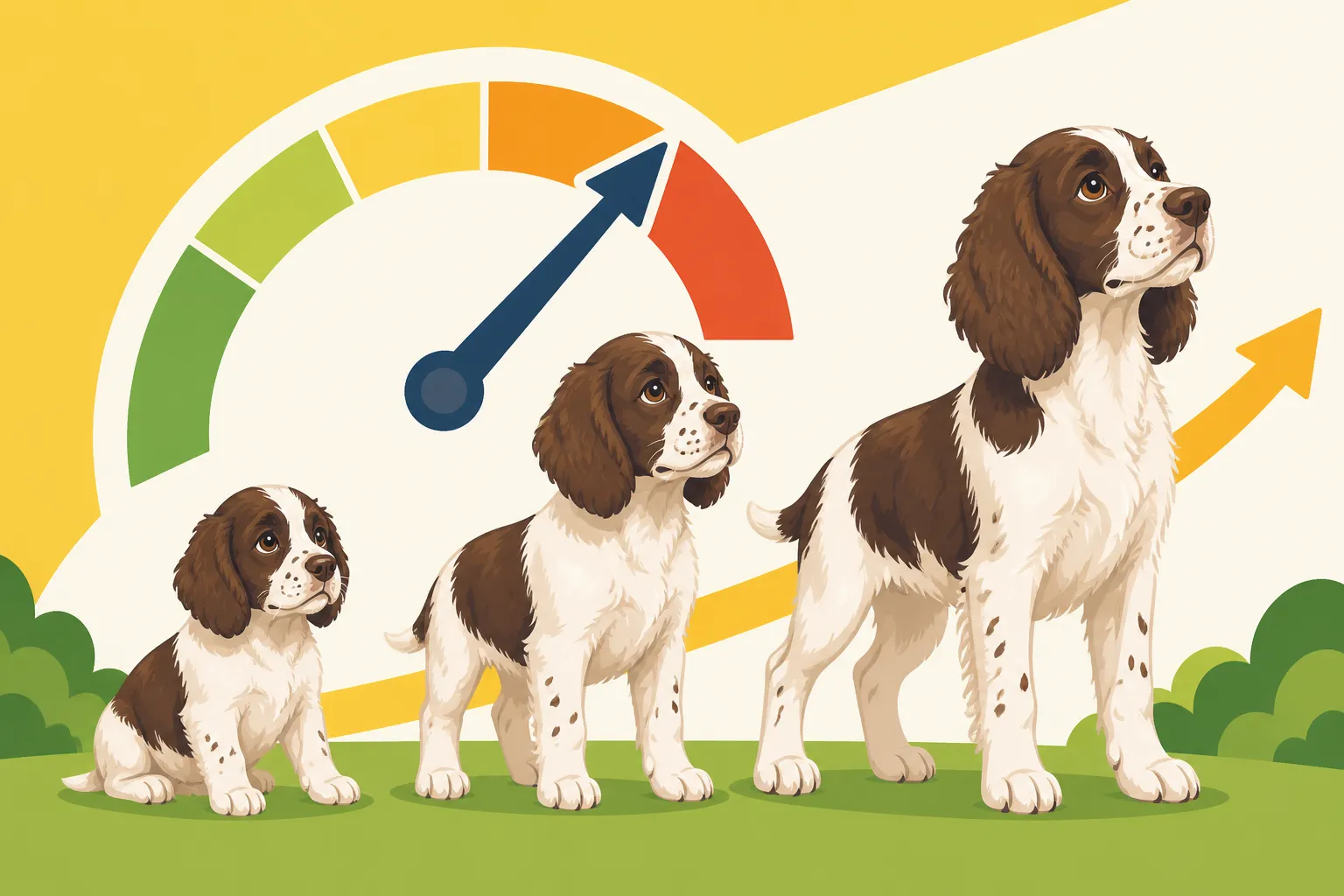
It’s natural to feel a bit overwhelmed when you bring a tiny, fluffy Springer Spaniel puppy home, trying to figure out if they’re hitting all their growth benchmarks. Just like human children, puppies don't grow at a perfectly uniform rate, but there's definitely a pattern. Generally, Springer Spaniel puppies experience rapid growth in their first six months, then slow down considerably, reaching their full height and often close to their adult weight by about 12 to 18 months. However, they may continue to fill out and gain muscle mass until they are two years old.
The key thing to remember is that there's a pretty wide range within what's considered "normal" for Springer Spaniels. Genetics play a huge role, so a puppy from smaller parents will likely be a smaller adult, and vice-versa. Also, whether your puppy is from field lines or show lines can make a noticeable difference. How Different the Two Springer Spaniel Types Look is an article that delves deeper into these distinctions. Field-bred Springers tend to be lighter-boned and more athletic, often reaching their full size a bit quicker, while show-bred Springers can be more substantial and might take a little longer to completely fill out their frame.
Don't fixate too much on exact numbers day-to-day, but rather look at the overall trend. A healthy puppy will have bright eyes, a good appetite, plenty of energy for play, and a shiny coat. They'll also be gaining weight steadily, not in huge sudden bursts or prolonged plateaus. Consistent growth is more important than hitting a specific weight on a particular day. You'll want to review The Feeding Chart a Springer Spaniel Puppy Follows to ensure they're getting the right nutrition to fuel this rapid development.
Early Weeks: Rapid Development
From the moment they're born, Springer Spaniel puppies are on a fast track to growth. The first eight weeks, spent with their littermates and mother, are crucial. They gain weight daily, open their eyes, start to hear, and begin to explore the world around them. By the time you bring your eight-week-old bundle of joy home, they'll likely weigh anywhere from 8 to 15 pounds, depending on their individual genetics and gender.
During these initial weeks at home (roughly 8 to 16 weeks old), your puppy will be growing at an astonishing rate. You'll literally see changes almost daily. They'll be gaining several pounds each week, their legs will seem to lengthen overnight, and their paws might look comically large compared to their body – a good sign they have more growing to do! This is also a critical period for socialization and basic training, as they are incredibly receptive to new experiences and learning. Keeping track of their weight with a simple kitchen scale (for very small puppies) or a bathroom scale (holding them, then subtracting your own weight) can be helpful for your own peace of mind, but don't obsess over it.
Adolescent Growth Spurt and Slowdown
After the initial burst, typically around 4-6 months, you might notice a slight plateau or a slowing of the extreme rapid growth. This is completely normal. They're still growing, but it's often more about refining their physique rather than just getting bigger. Their legs might start to look more proportionate to their body, and they’ll begin to develop that more athletic, leggy look characteristic of a Springer.
By 6-8 months, most Springer Spaniels are getting close to their adult height, though they're still quite lean and perhaps a bit awkward. They’ll continue to gain weight and muscle mass for several more months. For instance, a male Springer Spaniel, which typically aims for a mature weight around 45-55 pounds, might only be 35-45 pounds at eight months old. This filling out process can take until 18 months to two years of age. The Age a Springer Spaniel Finishes Growing provides more context on this extended development period.
Key Developmental Milestones: From Wee Pup to Adolescent Springer
Understanding the typical milestones for Springer Spaniels can help you gauge if your puppy is generally on track. Remember, these are averages, and individual pups will vary. A small variation isn't usually cause for concern unless accompanied by other worrying symptoms.
| Age Range | Approximate Weight (Field Type) | Approximate Weight (Show Type) | Key Milestones |
|---|---|---|---|
| 8 Weeks | 8-12 lbs | 10-15 lbs | Leaving litter, first vet visit, basic house training starts |
| 3 Months (12 wks) | 15-20 lbs | 18-25 lbs | Losing puppy teeth, increased energy, learning commands |
| 4 Months (16 wks) | 20-28 lbs | 25-35 lbs | More coordination, developing personality, formal training |
| 6 Months | 30-40 lbs | 38-48 lbs | Nearing adult height, sexual maturity, testing boundaries |
| 9 Months | 35-45 lbs | 45-55 lbs | Filling out, improving muscle tone, entering adolescence |
| 12 Months | 38-48 lbs | 50-60 lbs | Reached near-adult size/weight, still maturing mentally/physically |
| 18-24 Months | 40-50 lbs | 50-65 lbs | Full maturity, filled out muscle, established temperament |
Note: These weights are general ranges. Always consult your vet about your individual puppy's healthy weight and growth trajectory.
The First Few Months: Building a Foundation
The period from 8 weeks to about 6 months is when your Springer Spaniel puppy will do the bulk of their growing. Think of them like little sponges, not just absorbing information but also nutrients! They'll transition from their mother's milk (or a puppy formula if orphaned) to solid puppy food. Choosing a high-quality puppy food is paramount during this time. Options are abundant, from dry kibble available on sites like Chewy to fresh food delivery services like Ollie, all designed to support their rapid development.
This is also when those adorable puppy teeth fall out, making way for their adult set. You might notice them chewing more aggressively or finding tiny teeth around the house. Provide plenty of safe chew toys to help them through this stage and redirect them from chewing on your furniture. Keeping them active but not over-exercised is crucial. Long, strenuous runs are not good for growing joints. Instead, focus on shorter, more frequent play sessions. The article The First Year With a Springer Spaniel Puppy offers excellent guidance on managing these early months.
Adolescence: Reaching Full Stature
As your Springer Spaniel approaches and enters adolescence (roughly 6 to 18 months), their growth rate will slow significantly. This is when they transition from gangly puppy to a more refined, if still goofy, young adult. While their height might largely be achieved, they're still adding crucial muscle mass and filling out their chest and body. This can make them seem like they're taking forever to reach their "finished" look, but it's all part of the process.
During this time, pay attention to their body condition, not just their weight. You should be able to feel their ribs easily without seeing them, and they should have a discernible waist when viewed from above. An adolescent Springer Spaniel, especially a field-bred one, can be a whirlwind of energy, so managing their exercise and calorie intake to maintain a lean, healthy weight is key. Too much weight on growing joints can cause problems later on. You can refer to The Weight a Male Springer Spaniel Should Hold and The Weight a Female Springer Spaniel Should Hold for healthy adult weight ranges.
Factors Influencing Your Springer Spaniel Puppy's Growth
Many elements contribute to how quickly and how large your Springer Spaniel puppy will grow. It's a complex interplay of nature and nurture, and understanding these factors can help you provide the best possible environment for your growing companion.
Genetics and Lineage
Without a doubt, genetics are the primary driver of your puppy's eventual size and growth rate. Look at the parents of your puppy if you can. Are they large, robust Springers, or more on the petite side? This will give you the best indicator of your puppy's genetic potential. As mentioned earlier, there are distinct differences between field-bred and show-bred lines. Field Springers are typically bred for endurance and agility, resulting in a slightly smaller, leaner, and often quicker-maturing physique. They might hit their adult height and weight somewhat sooner.
Show Springers, on the other hand, are bred to conform to breed standards that sometimes favor a more substantial, heavier-boned dog. These dogs might have a longer growth period, taking more time to fill out their frame completely. Even within the same litter, there can be size variations. Often, males tend to be larger and grow a bit more slowly than females, reaching their full size at a slightly later age. It's always a good idea to chat with your breeder about the typical growth patterns they see in their lines. A reputable breeder will have a good understanding of what their puppies generally turn into.
Nutrition and Diet Quality
Just as crucial as genetics is the quality and quantity of food your puppy receives. A growing Springer Spaniel puppy needs a diet specifically formulated for puppies of medium to large breeds. These foods are balanced with the right amounts of protein, fat, vitamins, and minerals to support healthy bone and muscle development without promoting excessively rapid growth, which can sometimes lead to orthopedic issues. Avoid feeding adult dog food to a puppy, as it often lacks the concentrated nutrients and higher calorie count necessary for their intense growth phase.
Be careful not to overfeed your puppy, even with puppy food. While it might seem intuitive that more food equals bigger growth, overfeeding can lead to puppies growing too fast, which puts undue stress on their developing joints and can contribute to conditions like hip or elbow dysplasia later in life. Always follow the feeding guidelines on your chosen food (which you can easily find and order from online retailers like Amazon or Chewy) and adjust based on your puppy's individual energy level and body condition. If you're unsure, your vet can help you determine the right caloric intake. How Much a Springer Spaniel Eats Monthly is a helpful read for managing food bills and portions.
Exercise and Activity Levels
Exercise is vital for a growing Springer Spaniel, but it needs to be appropriate for their age. Young puppies have soft growth plates in their bones that aren't fully closed until they are around 12-18 months old. High-impact activities like excessive jumping, long-distance running, or intense agility training on hard surfaces can damage these growth plates and lead to permanent lameness or joint problems.
Instead, focus on moderate, controlled exercise. This means multiple short walks throughout the day, supervised playtime in a secure yard, and gentle games of fetch on soft surfaces. A field-bred Springer Spaniel will have immense energy, and you might feel compelled to run them hard, but resist the urge until they are physically mature. Gradual increases in activity as they age will help build strong muscles and healthy joints without putting them at risk. Remember, mental stimulation can be just as tiring as physical exercise for a young Springer.
General Health and Well-being
A healthy puppy is a growing puppy. Any chronic illness, parasitic infection (like worms), or significant stress can impact a puppy's growth rate. If your puppy is consistently lethargic, has a poor appetite, experiences frequent diarrhea or vomiting, or isn't gaining weight steadily, it's critical to consult your veterinarian. They can rule out underlying health issues that might be hindering proper development.
Regular veterinary check-ups are essential, not just for vaccinations and parasite prevention, but also for monitoring their growth and overall health. Your vet can assess their body condition score, listen to their heart and lungs, and check their joints. The Health Tests Both Springer Spaniel Parents Should Have is important to consider before bringing a puppy home, as it speaks to the genetic health foundation that can impact a puppy's well-being and growth throughout its life.
When to Worry: Signs of Abnormal Growth in a Springer Spaniel
While every puppy is unique, there are certain signs that might indicate their growth isn't proceeding as it should. It's always better to be cautious and seek veterinary advice if you have concerns. Your vet is your best resource for personalized guidance for your specific puppy.
Growing Too Slowly or Failing to Thrive
If your Springer Spaniel puppy seems significantly smaller than expected for their age, or if their weight gain is consistently slow or even stalling, it warrants attention. This isn't just about aesthetics; it can be a red flag for underlying health issues. Possible reasons for slow growth include:
- Parasites: Internal parasites like worms can steal nutrients, preventing your puppy from gaining weight.
- Poor Nutrition: An inadequate diet, either in quantity or quality, won't provide the fuel needed for growth.
- Underlying Illness: Conditions like chronic infections, organ issues, or even congenital defects could inhibit normal development.
- Malabsorption Issues: Some puppies struggle to properly absorb nutrients from their food.
Beyond just small size, look for other symptoms like dull coat, lethargy, persistent diarrhea, or lack of appetite. If your puppy seems to be falling behind their littermates or the general guidelines, a vet visit is essential to diagnose and address any issues promptly.
Growing Too Quickly or Being Overweight
Just as slow growth can be concerning, growing too fast can also be problematic, especially for breeds prone to joint issues like Springer Spaniels. Rapid weight gain, particularly during critical developmental phases, can place excessive stress on immature bones and joints. This can increase the risk or severity of orthopedic diseases such as hip dysplasia or elbow dysplasia.
Signs your puppy might be growing too quickly or carrying too much weight include:
- Lack of a Visible Waist: When looking down at your puppy, you shouldn't see a straight line from ribs to hips. They should have a noticeable tuck.
- Inability to Feel Ribs: You should be able to easily feel your puppy's ribs with light pressure, like feeling the back of your hand, not like feeling your knuckles (too thin) or your palm (too fat).
- Bulging Appearance: A round, bulging belly that persists even after they've eaten and relieved themselves could be a sign of excessive weight.
Overfeeding is the most common cause of growing too fast. Re-evaluate their food portions and ensure you're measuring accurately. Adjusting their diet, perhaps with the help of your vet, and ensuring appropriate exercise can help manage their weight and promote healthy, steady growth. Remember, a lean puppy is a healthier puppy in the long run.
Disclaimer
This article is for general informational purposes only and does not constitute professional advice. Laws, prices and regulations vary by location and change over time. Consult a qualified professional for guidance on your specific situation.