Whether a Springer Spaniel Needs Access to Water
An English Springer Spaniel does not need a pond, pool, or beach to be healthy, but it does need constant access to clean drinking water. Because many Springers love swimming and working outdoors, owners also need to plan for safe water during walks, training, and travel. This guide explains what water access really means, how to manage swimming, and which hazards deserve attention.
Everyday water access for a Springer Spaniel
Keep fresh drinking water available at home
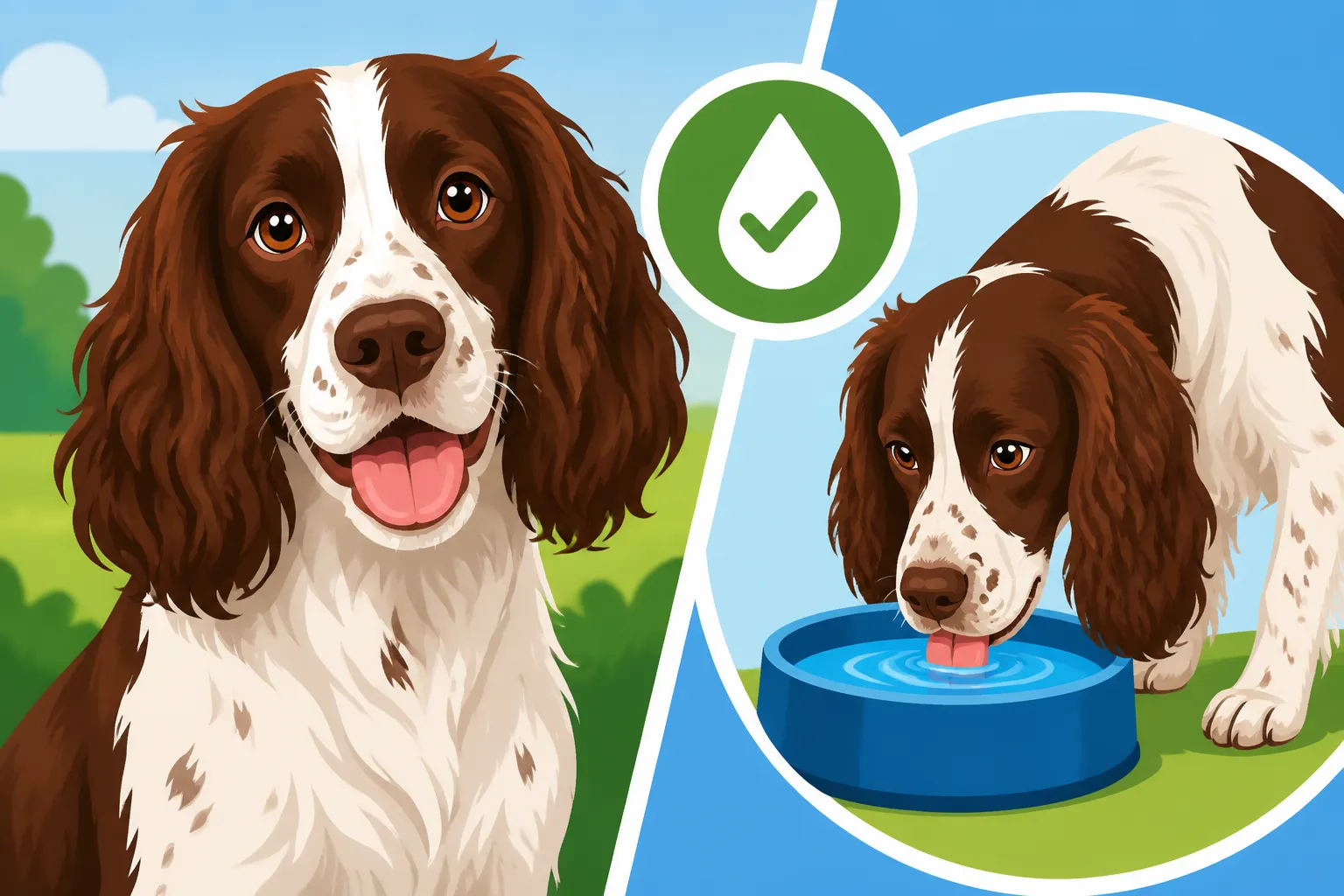
A Springer Spaniel should be able to reach fresh, clean drinking water throughout the day. There is no need to encourage a dog to drink from a lake or stream when a bowl of safe water is available. At home, place the bowl somewhere easy to reach and refill it when it is low or dirty. Wash the bowl regularly, since saliva, food crumbs, and outdoor debris can build up.
A dog may drink more after a long walk, a warm day, or energetic play. That does not necessarily mean anything is wrong, but a sudden, persistent change in drinking habits is worth discussing with a veterinarian. Similarly, if your dog seems unusually reluctant to drink, look for a practical reason first: the bowl may be empty, dirty, difficult to reach, or placed in a noisy spot. If the change continues or comes with other symptoms, ask your vet for advice.
Puppies, older dogs, and dogs with health conditions may need extra attention to make sure drinking water is accessible. For example, a senior Springer with stiff joints may find a bowl on a slippery floor awkward to use. A stable bowl placed on a nonslip mat can make the routine more comfortable. Follow any individual fluid guidance from your veterinarian rather than changing access on your own.
Bring water on walks and outings
A familiar route near a stream can make it tempting to rely on natural water sources. But clear-looking water is not necessarily clean, and streams can contain contaminants, animal waste, or organisms that may make a dog ill. Carrying drinking water and a portable bowl is the more dependable choice, particularly on longer walks, hikes, or days out.
For a short stroll near home, your dog may not need a drink break every few minutes. The useful habit is to bring water when the outing is long enough, warm enough, or active enough that your dog might need it. Offer a drink during breaks and after activity. Do not make your Springer wait until you return to the car or house if it is panting heavily and thirsty.
Some owners keep an outing kit with a collapsible bowl, a bottle of drinking water, and a towel. If you are assembling one, retailers such as Chewy are one place to look for portable bowls and other basic dog-walking supplies. The important part is choosing gear that is easy to use and remembering to refill it before you leave.
Match water breaks to the conditions
There is no single schedule that suits every dog. A Springer walking slowly in cool weather has different needs from one running through cover on a warm afternoon. Pay attention to your dog’s pace, panting, energy, and interest in continuing. Take breaks in shade when possible, and make drinking water available without turning the outing into an endurance test.
| Situation | Practical water plan | What to watch for |
|---|---|---|
| Short walk in mild weather | Bring water if convenient; offer it when your dog seems thirsty | Unusual fatigue or excessive panting |
| Long walk or hike | Carry enough clean water for the outing and offer breaks | Slowing down, heavy panting, or seeking shade |
| Warm-weather exercise | Keep activity gentle, plan shade and breaks, and bring water | Weakness, confusion, vomiting, or collapse |
| Swimming or water work | Provide fresh drinking water separately from the swimming water | Chilling, exhaustion, or repeated swallowing of lake water |
| Car travel | Bring water and stop safely for breaks | A hot vehicle or a dog unable to settle comfortably |
Water is important, but it is not a substitute for managing heat. A dog that is overheating needs to stop exercising and be moved to a cooler place. Heavy or labored panting, weakness, vomiting, confusion, collapse, or distress after exertion can be signs of an emergency. Contact a veterinarian promptly if you see these symptoms rather than assuming a drink alone will fix the problem.
Does a Springer Spaniel need access to swimming water
Water can be enjoyable, but it is not a requirement
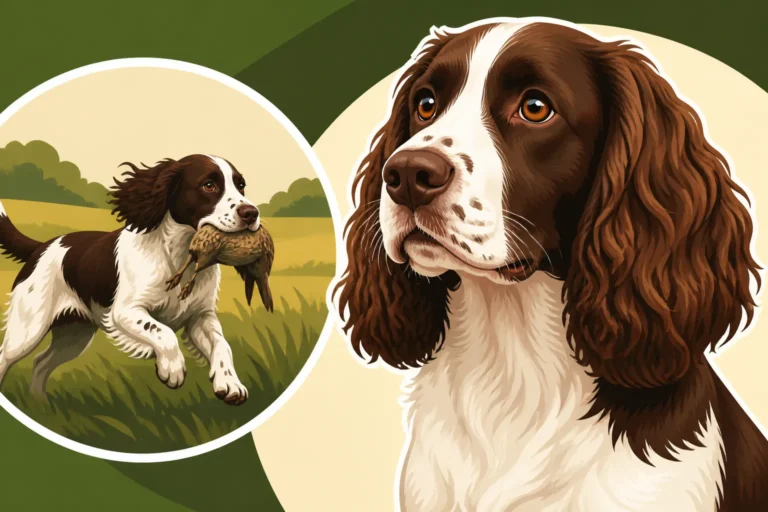
Many Springer Spaniels enjoy water, and the breed’s history as a flushing and retrieving gundog helps explain why some take readily to ponds, rivers, and retrieves. But liking water is an individual trait, not a rule. Some Springers rush in happily; others prefer to investigate the edge, paddle briefly, or stay dry altogether.
A Springer Spaniel can have a healthy, fulfilling life without regular swimming. Walks, training, scent activities, play, and companionship can meet a dog’s needs without a lake or pool. A home with a secure garden and a nearby pond is not automatically a better fit than a home without one. Access to safe exercise and thoughtful care matter more than access to a particular kind of water.
If you are curious whether your dog might enjoy swimming, start with calm, shallow water and let the dog choose whether to approach. Do not pull, push, or throw a dog into water. A nervous dog may become more fearful if its first experience is forced. If swimming is not appealing, respect that preference; the topic Whether a Springer Spaniel Should Swim at All explores why water play is optional rather than essential.
Introduce swimming slowly and supervise closely
Choose a calm, shallow location with an easy entry and exit. Walk alongside your dog and let it explore at its own pace. Avoid steep banks, slippery rocks, strong currents, deep drop-offs, and crowded areas where excitement could make it harder to keep track of your dog. A familiar recall cue can help, but it is not a substitute for close supervision.
Some dogs benefit from wearing a properly fitted canine life jacket, especially in unfamiliar water, on boats, or where conditions are more challenging. A life jacket does not make unsupervised swimming safe, and it should not be treated as permission to let a dog drift out of reach. If you are preparing a water-outing kit, Chewy is one possible place to browse for dog flotation gear; check fit carefully and let your dog get used to wearing it before the outing.
Keep the first sessions short. Swimming can be tiring, even for a fit dog, and excitement can hide fatigue until a dog has already overdone it. Take breaks on dry ground, offer fresh drinking water, and end the session if your dog seems tired, cold, distressed, or reluctant to continue. Avoid letting a dog gulp large amounts of lake or pool water while playing.
Choose water with care
A pond, lake, or stream can look inviting while still posing risks. Do not let your dog drink from water that smells foul, looks discolored or foamy, has visible algae, or sits stagnant. Harmful algal blooms can be dangerous to dogs. If you suspect your dog has swallowed questionable water or touched a suspicious bloom, contact a veterinarian or emergency clinic promptly and follow their instructions.
Salt water is another concern. Dogs that drink a lot of it can become ill, so interrupt repeated seawater drinking and offer fresh water instead. Rinse your dog after a beach visit to remove salt and grit, and check the paws and coat for debris. In a lake or pond, consider rinsing off mud and residue too. For more on this specific after-swim routine, see Whether a Springer Spaniel Should Be Rinsed After a Lake.
The safest place to swim is not always the one that looks prettiest. Check for local warnings, visible hazards, water quality notices, and safe access points. Keep your dog away from fishing line, sharp litter, broken glass, and areas with heavy boat traffic. If the water seems questionable, choose a walk without swimming instead.
Water-related risks during play and work
Avoid overheating and overexertion
Springers can become intensely focused on a retrieve, a scent, or the next lap of play. That enthusiasm can make it easy to miss the moment when a dog needs a break. On warm days, exercise during cooler parts of the day when practical, shorten strenuous sessions, and make shade and drinking water available. Do not rely on a dog to stop working simply because it is getting too hot.
Swimming does not automatically cool a dog safely. A dog can overheat while repeatedly retrieving, especially in warm weather, and can become exhausted in water. Keep sessions controlled and end them before your dog is depleted. After swimming, let the dog rest in a safe, shaded place and watch for signs of distress.
If your Springer is working in cover, carry drinking water even when there is a stream nearby. A dog focused on hunting or training may not pause to drink safely or may choose an unsafe source. After an outing, a nose-to-tail check can help you spot burrs, ticks, cuts, and other problems; What to Check on a Springer Spaniel After a Day in Cover offers a useful companion checklist.
Protect ears, coat, and paws after swimming
Water can remain trapped around a Springer’s drop ears, especially after a swim or a wet, muddy walk. Gently dry the outer ear leather with a towel and check for redness, odor, discharge, or repeated head shaking. Do not push cotton swabs or other objects into the ear canal. If your dog has a history of ear trouble, ask your veterinarian whether a drying or cleaning routine is appropriate. For practical post-swim care, read Drying a Springer Spaniel's Ears After Swimming and Why a Drop Ear Traps Moisture in a Springer Spaniel.
The coat and feathering can hold water, mud, and plant material. After swimming, rinse away obvious grit or residue and dry the dog comfortably, paying attention to areas that stay damp. Check between the toes and around the pads, where small stones, burrs, or plant fragments may hide. Regular brushing helps you find tangles and debris before they become uncomfortable mats.
A towel, a brush, and a clean drinking-water supply are useful basics for days out. For owners who frequently visit lakes or beaches, Chewy is one retailer to consider when looking for simple grooming and cleanup supplies. Choose items that suit your dog and routine, and avoid applying ear products unless they are appropriate for your dog and your veterinarian has advised their use.
Know when natural water may be unsafe
Pond and stream water may carry bacteria or parasites, and a dog can also swallow water while fetching or splashing. Watch for signs of illness after an outing, such as vomiting, diarrhea, unusual tiredness, reduced appetite, or a change in behavior. These symptoms can have many causes, so contact your veterinarian for advice rather than trying to diagnose the problem at home. The guide Whether Pond Water Gives a Springer Spaniel an Infection covers why a natural water source deserves caution.
Do not let your dog chew or eat dead fish, waterfowl, or other material found at the water’s edge. Also keep an eye out for hooks, fishing line, and sharp objects hidden in weeds or mud. If your dog swallows an object, drinks from a suspicious source, or becomes suddenly unwell, seek veterinary advice promptly.
For work in heavy cover near streams, water safety is only one part of the outing. A protective vest may help in some conditions, but it cannot prevent every cut or snag. Review Whether a Springer Spaniel Needs a Vest in Heavy Cover and Whether a Springer Spaniel Needs a Post Hunt Check Every Time when planning regular field days.
Building a safe water routine
Prepare a simple water kit
A small, consistent kit makes it easier to offer water when your Springer actually needs it. Keep clean drinking water in a container that will not leak, add a bowl your dog can drink from comfortably, and bring a towel for wet ears and feathering. On trips involving swimming, include a lead, waste bags, and any safety gear that fits your plans.
Before leaving, check that the water container is full and the bowl is clean. On the way home, empty and rinse the bowl rather than letting it sit in a warm car with saliva and debris inside. If you often go to the same walking areas, keeping a spare kit in the car can prevent the familiar “I thought the bottle was already in here” problem.
Chewy is one option owners may use to look for portable bowls or travel containers when putting together an outing kit. Regardless of where you get supplies, prioritize easy cleaning, secure storage, and gear your dog will tolerate. A complicated kit that stays at home is less useful than a simple one you remember to bring.
Adjust the plan to your dog
A young dog may need close supervision as it learns to drink and swim safely. An older Springer may tire more quickly or need easier access to water at home. A dog with a medical condition, a history of ear infections, or a past heat-related illness may need an individual plan from its veterinarian. Follow that advice even if it differs from what works for another dog.
Also consider your Springer’s personality. One dog may need help slowing down around a pond; another may be wary and benefit from calm, low-pressure exposure. A third may have no interest in entering water at all. None of these reactions means the dog is doing something wrong. Your role is to provide safe options and respect the dog’s limits.
Ultimately, a Springer Spaniel needs reliable access to clean drinking water, not a swimming spot. Water play can be a wonderful activity when the location is safe and the dog enjoys it, but it should remain supervised and optional. Bring fresh water, watch for fatigue and heat, and dry and check your dog afterward.
Disclaimer
This article is for general informational purposes only and does not constitute professional advice. Laws, prices and regulations vary by location and change over time. Consult a qualified professional for guidance on your specific situation.