Whether a Springer Spaniel Should Be Hand Stripped
One of the most perplexing decisions many Springer Spaniel owners face is how to best manage their dog's beautiful, yet often challenging, coat. It's not just about aesthetics; it's about comfort, health, and practicality. The confusion around terms like "hand-stripping" versus "clipping" can leave even experienced owners scratching their heads, wondering if they're doing the right thing for their beloved companion. This guide aims to clear up that confusion, diving deep into the nuances of Springer Spaniel coat care and helping you decide if hand-stripping is the right path for your dog.
Understanding the Springer Spaniel Coat: A Tale of Two Types
Before we even begin to talk about stripping or clipping, it's crucial to understand the very nature of a Springer Spaniel's coat. It's not just hair; it's a finely tuned piece of canine engineering, designed for a specific purpose. Ignoring this fundamental characteristic can lead to all sorts of grooming woes and even impact your dog's comfort and health.
The Double Coat and Its Purpose
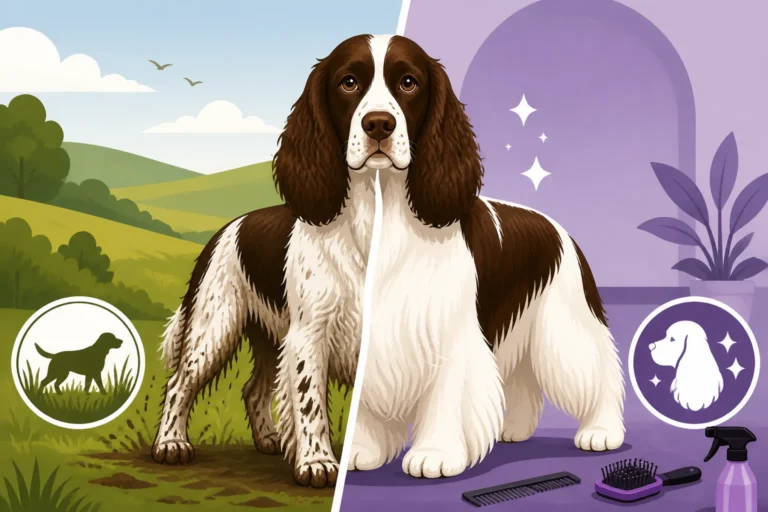
Every Springer Spaniel, whether destined for the show ring or the field, possesses a double coat. This isn't just a fancy term; it describes a critical two-layered system that has evolved over centuries to protect these active dogs. The outer layer, known as the guard coat or topcoat, consists of relatively harsh, water-repellent hairs. These stiff, resilient hairs act like a natural shield, shedding water, deflecting brambles, and providing insulation against both cold and heat. Think of it as their all-weather jacket.
Beneath this protective outer layer lies the undercoat. This second layer is much softer, denser, and woollier. Its primary role is to provide insulation, trapping air close to the dog's body to keep them warm in chilly weather and surprisingly, to help regulate their temperature in warmer conditions by preventing heat from penetrating directly to the skin. The constant shedding of this undercoat, especially seasonally, is what often leads to those tumbleweeds of dog hair floating around your home. This dual-layer system is incredibly effective, but it also dictates the specialized grooming techniques required to maintain its integrity.
Differences Between Field and Show Coats
While all Springer Spaniels have a double coat, there's a significant visual and textural difference between the coats of field-bred dogs and those from show lines. These differences aren't just cosmetic; they reflect divergent breeding goals and, consequently, different grooming needs. How a Show Springer Spaniel's Coat Differs is a topic many owners find fascinating, as it explains why one Springer might look sleek and another look like a walking feather duster.
Field-bred Springer Spaniels, often referred to as "working" Springers, are bred primarily for their abilities in hunting and retrieving. Their coats reflect this purpose: they tend to be shorter, denser, and coarser overall, with less profuse feathering on the legs, belly, and ears. This type of coat is highly practical, as it's less prone to snagging on briars, collecting burrs, and becoming waterlogged in the field. It’s designed for efficiency and minimal maintenance in harsh working conditions, shedding dirt and debris more readily.
Show-bred Springer Spaniels, on the other hand, are bred to conform to a specific breed standard that emphasizes a certain aesthetic. Their coats are typically longer, often softer, and feature much more abundant feathering. This luxurious growth, while beautiful in the show ring, requires considerably more grooming effort to keep tidy and free of mats. The feathering can be a magnet for dirt, mud, and debris, making daily brushing and regular professional grooming a necessity. Understanding which type of coat your Springer Spaniel has is the first step in deciding on the most appropriate grooming regimen.
What is Hand Stripping and Why Do It?
The concept of "hand-stripping" can sound intimidating to new dog owners, conjuring images of painful hair removal. However, when done correctly, it's a completely natural and beneficial process that many dogs tolerate and even enjoy. It's not about pulling out live hair; it's about removing dead, ready-to-shed hairs from the topcoat.
The Technique of Hand Stripping
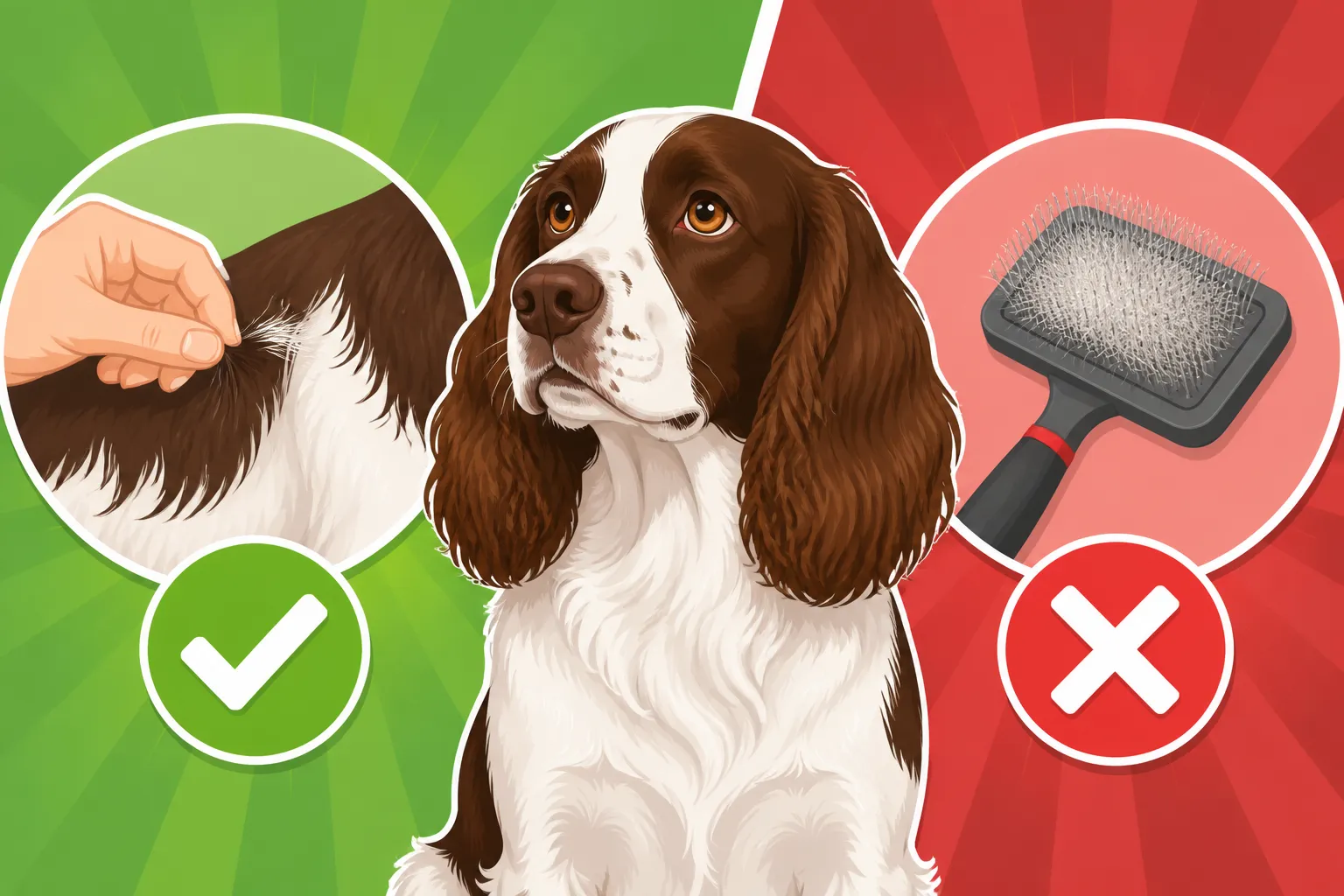
At its core, hand-stripping is the process of manually pulling out the dead hairs from a dog's outer coat, rather than cutting them with clippers or scissors. These are hairs that are already past their prime and have loosened in the follicle, ready to be shed. A skilled groomer, or an educated owner, uses their fingers, sometimes aided by specialized stripping knives or rubber thimbles, to grasp these dead hairs and pull them out in the direction of hair growth. This action stimulates new, healthy, harsh coat to grow in, maintaining the coat's natural texture, color, and protective qualities.
The sensation for the dog, when done properly on truly dead hair, is often akin to a light scratch or massage, not pain. The key is distinguishing between dead hair, which comes out easily, and live hair, which would be uncomfortable to pull. This is why technique and experience are so important. In contrast, clipping merely cuts the hair at the surface, leaving the dead hair shafts in the follicles and creating a softer, sometimes duller, coat over time.
Benefits of Hand Stripping for a Springer Spaniel
The advantages of hand-stripping a Springer Spaniel, particularly those with a traditional show-type coat or a pet whose coat is becoming soft, are numerous. Foremost among them is the preservation of the coat's natural texture and vibrant color. When a harsh topcoat is clipped, it often compromises the hair follicle, causing the new growth to come in softer, wavier, and sometimes lighter in pigment. This results in a "blown" or woolly coat that can absorb more moisture and dirt, mat more easily, and lose its protective qualities. Hand-stripping ensures that the coarse, water-resistant guard hairs continue to grow as intended, keeping the coat hard, shiny, and true to its breed standard.
Beyond aesthetics, hand-stripping promotes healthier skin. By removing the dead hair from the follicles, it allows the skin to breathe, reducing the risk of skin irritations, hot spots, and blocked pores. It also encourages better circulation. Furthermore, a properly stripped coat sheds less than a clipped coat because the dead hair is manually removed rather than waiting for the natural shedding cycle. For those concerned about allergens, a coarser, denser coat resulting from stripping can sometimes trap dander more effectively than a soft, clipped coat, though individual results vary. It’s also important to consider Whether Shaving a Springer Spaniel Ruins the Coat when making this grooming decision, as improper coat care can have long-lasting effects.
When Hand Stripping is Appropriate for a Springer Spaniel
Deciding whether to hand strip your Springer Spaniel really comes down to a few factors: their coat type, their lifestyle, and your goals for their appearance and health. It's not a one-size-fits-all solution, but it is certainly the gold standard for certain situations.
Show Dogs: Maintaining Breed Standard
For Springer Spaniels destined for the show ring, hand-stripping isn't just appropriate; it's practically mandatory. The breed standard for English Springer Spaniels calls for a medium-length, dense, close, and weather-resistant double coat, with a softer, denser undercoat. The outer coat should be harsh to the touch. Clipping this coat fundamentally alters its texture, softening the harsh outer layer and often dulling the natural richness of its color. Judges are trained to recognize and penalize coats that have been softened by clipping because it goes against the essence of the breed's working heritage and protective coat.
Regular hand-stripping maintains this desired harsh texture, ensuring the coat lies flat and provides proper protection, while also enhancing the definition of the dog's musculature and overall silhouette. Show groomers often employ a "rolling" technique, where small amounts of dead hair are stripped regularly (every few weeks) to maintain a consistently neat and well-maintained coat, ready for competition at any time. This meticulous approach is what keeps a show Springer looking its absolute best and in line with breed expectations. Many articles, such as Whether a Show Springer Spaniel Is Hand Stripped, delve deeper into this aspect for competitive owners.
Pet Dogs with Specific Coat Needs
Even if your Springer Spaniel is a beloved family pet with no aspirations for the show ring, hand-stripping might still be a beneficial grooming choice. This is especially true if your dog has a coat that naturally tends towards the coarser side, but you've noticed it becoming softer, woollier, or duller over time, perhaps from previous clipping. Some pet owners find that their Springer's clipped coat becomes a mat magnet, or that the clipped hair sheds constantly in short, prickly pieces that embed in furniture. In these cases, restoring the coat's natural texture through hand-stripping can actually make it easier to manage in the long run.
A stripped coat is generally less prone to matting than a soft, fluffy clipped coat, and its natural water repellency can be a huge bonus if your Springer loves to swim or romp in wet fields. However, it's a commitment. Hand-stripping requires more time and patience than clipping, whether you're doing it yourself or paying a professional. You'll need to consider if you have the time for regular, shorter stripping sessions, or the budget for a skilled groomer. For owners looking into managing their pet's coat themselves, resources like Whether a Springer Spaniel Owner Can Groom at Home offer valuable insights into DIY grooming techniques. It's a choice that balances the practicalities of pet ownership with the desire to maintain a healthy, natural coat.
When Clipping Might Be a Better Option
While hand-stripping offers many benefits, it's simply not the right choice for every Springer Spaniel or every owner. There are perfectly valid reasons why clipping might be a more practical, comfortable, or appropriate grooming method. Sometimes, the dog's lifestyle or the owner's circumstances dictate a different approach, and that's absolutely fine.
For the Field-Bred Springer Spaniel
The reality of a working field-bred Springer Spaniel's life often necessitates a more functional, low-maintenance coat than the traditional hand-stripped look. These dogs spend their days crashing through dense cover, wading through muddy water, and navigating thorny undergrowth. A long, heavily feathered coat, while beautiful, would quickly become a tangled mess, a magnet for burrs, sticks, and ticks. Such a coat would also hinder their movement, become waterlogged, and take ages to dry, leading to discomfort and potential skin issues.
For these hardy working dogs, a shorter, neatly clipped coat on the body, with feathering trimmed for practicality, is often the preferred solution. This allows the dog to move freely, prevents excessive matting, makes it easier to spot and remove parasites, and significantly reduces clean-up time after a long day in the field. While the clipping does alter the coat texture, the priority for a working dog is function and comfort over show-ring aesthetics. Many field owners find that Whether a Field Bred Springer Spaniel Saves on Grooming is a genuine perk, as the upkeep is simpler. Furthermore, specific guidance on Whether a Working Springer Spaniel Should Be Trimmed for Cover helps owners manage their dog's coat to maximize performance and minimize hassle.
Practicalities and Lifestyle Considerations
Beyond the specific needs of working dogs, many pet owners choose clipping for practical reasons that greatly simplify their lives and their dog's. The most obvious factor is time. Hand-stripping is a time-consuming process, whether you're performing it yourself or taking your dog to a professional. Multiple short sessions might be needed to achieve a full strip, or a longer, more costly appointment with a specialized groomer. Clipping, by contrast, is much quicker and can be done in a single session.
A dog's temperament also plays a huge role. While many dogs tolerate hand-stripping well, some simply find it too stressful or uncomfortable, no matter how gentle the groomer. An anxious or sensitive Springer Spaniel might benefit from the quicker, less intrusive process of clipping. Older dogs, or those with underlying health conditions like arthritis, might also find standing or being handled for extended stripping sessions to be too much. Their comfort and well-being should always take precedence over maintaining a specific coat texture.
Cost is another significant consideration. Hand-stripping typically costs more than a standard clipper groom due to the specialized skill, time, and effort involved. For an owner on a budget, regular hand-stripping might not be financially feasible. Factors like What a Full Groom on a Show Springer Spaniel Costs can quickly add up over a year, making clipping a more economical option for many. Ultimately, the best grooming method is one that fits the dog's individual needs, the owner's lifestyle, and their budget, ensuring the dog is healthy, comfortable, and happy.
The Hand Stripping Process: What to Expect
If you've decided that hand-stripping is the right choice for your Springer Spaniel, understanding the process, whether you're doing it yourself or entrusting a professional, is key. It's an art as much as a science, and patience is a virtue here.
Finding a Skilled Groomer
One of the most critical steps, if you're not planning to hand strip your Springer Spaniel yourself, is finding a groomer who is truly skilled and experienced in this technique. Not all groomers hand strip, and even fewer are proficient in stripping spaniel coats correctly. Clipping is far more common, and a groomer who primarily clips might inadvertently damage your dog's coat if they attempt to strip without proper knowledge.
When seeking a hand-stripping groomer, don't be afraid to ask questions. Inquire about their experience with spaniels and hand-stripping specifically. Ask to see photos of their previous hand-stripped work, or even if you can observe them working (if their facility allows). A good hand-stripping groomer will understand coat rotation, know how to identify dead hair, and prioritize the dog's comfort. They should be able to explain the process clearly and advise you on how often your Springer will need a session to maintain the desired coat quality. A referral from a local breed club or show enthusiast is often the best way to find a truly knowledgeable professional.
Tools and Techniques for Home Stripping
For those who are dedicated and patient, hand-stripping your Springer Spaniel at home is an achievable goal. It requires the right tools, a good understanding of the technique, and plenty of practice. You'll need a few essentials:
- Stripping Knives: These aren't sharp like kitchen knives, but rather have serrated edges designed to grip dead hair. They come in various grades (fine, medium, coarse) for different coat areas and hair textures. Brands like Mars Coat King or Groom Professional offer different options.
- Rubber Thimbles or Finger Cots: These provide extra grip on the hair and protect your fingers.
- Grooming Chalk or Powder: Sometimes used to enhance grip on very soft or slippery hair.
- A Sturdy Grooming Table with a Noose: This helps keep your dog steady and at a comfortable height for you.
- Good Lighting: Essential for seeing the subtle differences in coat texture and length.
The basic technique involves grasping a small section of dead topcoat hair between your thumb and the stripping knife (or just your thumb and forefinger). With a quick, firm flick of the wrist, pull the hair in the direction of growth. You'll soon learn to recognize the "give" of dead hair. The goal is often a "rolling coat," where you strip a small amount of hair every week or two, rather than doing a full strip every few months. This ensures there's always a healthy new coat growing in and a protective topcoat present. Start with short sessions, especially when first introducing your dog to the process, and always end on a positive note with praise and treats. Resources like What Clippers for a Springer Spaniel Cost and What Thinning Shears Cost a Springer Spaniel Owner might seem irrelevant to hand-stripping, but they highlight the different tool investments required for various grooming approaches. Many of these tools can be found on online retailers like Amazon or specialized pet supply stores like Chewy.
Aftercare and Ongoing Coat Maintenance
Once your Springer Spaniel has been hand-stripped, the work isn't entirely done. Proper aftercare and consistent ongoing maintenance are crucial to ensure the coat remains healthy, the skin stays comfortable, and the benefits of stripping are maximized.
Post-Stripping Care
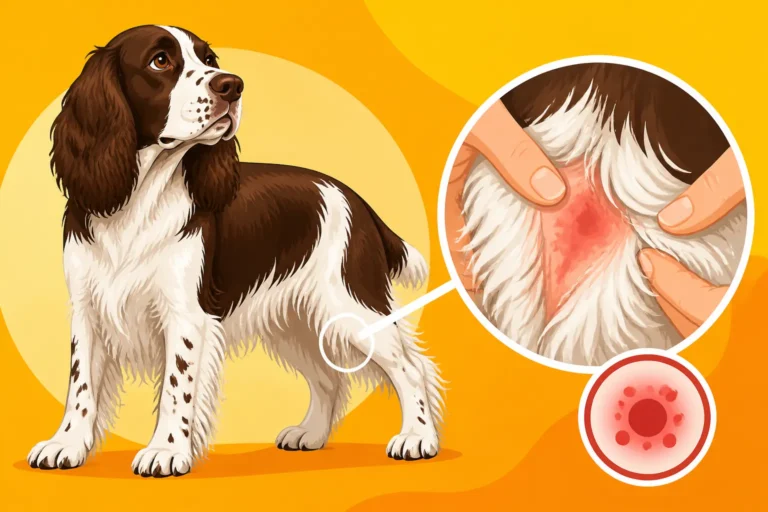
Immediately after a hand-stripping session, your Springer Spaniel's skin might be a little sensitive. Think about how your own skin feels after a deep exfoliation – it might be a bit red or tender. This is completely normal. The follicles have just released a lot of hair, and the skin is now more exposed. It's a good idea to avoid harsh shampoos or vigorous brushing for a few days immediately following a full strip.
If the skin appears particularly irritated, a gentle, soothing dog shampoo designed for sensitive skin can be used, but generally, wait a day or two before bathing. Avoid direct sunlight exposure for extended periods immediately after stripping, as the skin can be more susceptible to sunburn until the new coat starts growing in. Keep an eye out for any excessive licking or scratching, which could indicate lingering irritation, and consult your groomer or vet if you're concerned.
Maintaining the Coat Between Full Strips
The beauty of a hand-stripped coat lies in its texture and resilience, but it requires regular attention to stay that way. The "rolling coat" technique, where small amounts of dead hair are continually removed, is ideal for maintaining the coat's condition. This means incorporating short, frequent stripping sessions into your routine – perhaps 15-20 minutes every week or two, targeting areas where dead hair is evident. This prevents the coat from becoming overgrown and makes full stripping sessions less intense.
Daily brushing is also vital, particularly for the longer feathering on the legs, belly, and ears, which is more prone to matting. Even if the body is neatly stripped, these areas can still trap dirt and tangle easily. A good pin brush and a metal comb are indispensable tools. Which Brush Suits a Springer Spaniel can make a huge difference in the effectiveness and comfort of your daily grooming routine. Regular brushing not only removes loose hair and prevents mats but also distributes natural oils, keeping the coat healthy and shiny. Considering How Long Brushing a Springer Spaniel Takes might seem like a small detail, but consistent short sessions are far more effective than infrequent, long, arduous ones. For nutritional support that can contribute to a healthy coat, some owners explore fresh dog food options like those offered by Ollie, while others ensure their kibble is rich in omega fatty acids, available from retailers like Chewy.
Here’s a quick comparison of hand-stripping and clipping:
| Feature | Hand Stripping | Clipping |
|---|---|---|
| Method | Manual removal of dead topcoat hair from follicle | Cutting hair with clippers or scissors |
| Coat Texture | Preserves harsh, water-resistant texture | Softens coat, can become woolly |
| Coat Color | Maintains vibrant, natural pigmentation | Can dull or lighten coat color over time |
| Shedding | Reduces overall shedding (dead hair removed) | May increase perceived shedding of fine hairs |
| Skin Health | Promotes healthy skin, allows breathing | Can sometimes trap dead hair in follicles |
| Time/Effort | More time-consuming, requires skill/patience | Faster, generally easier |
| Cost | Typically more expensive (professional service) | Generally less expensive (professional service) |
| Best For | Show dogs, dogs with specific coat quality goals | Field dogs, pet dogs, owners prioritizing speed |
Disclaimer
This article is for general informational purposes only and does not constitute professional advice. Laws, prices and regulations vary by location and change over time. Consult a qualified professional for guidance on your specific situation.