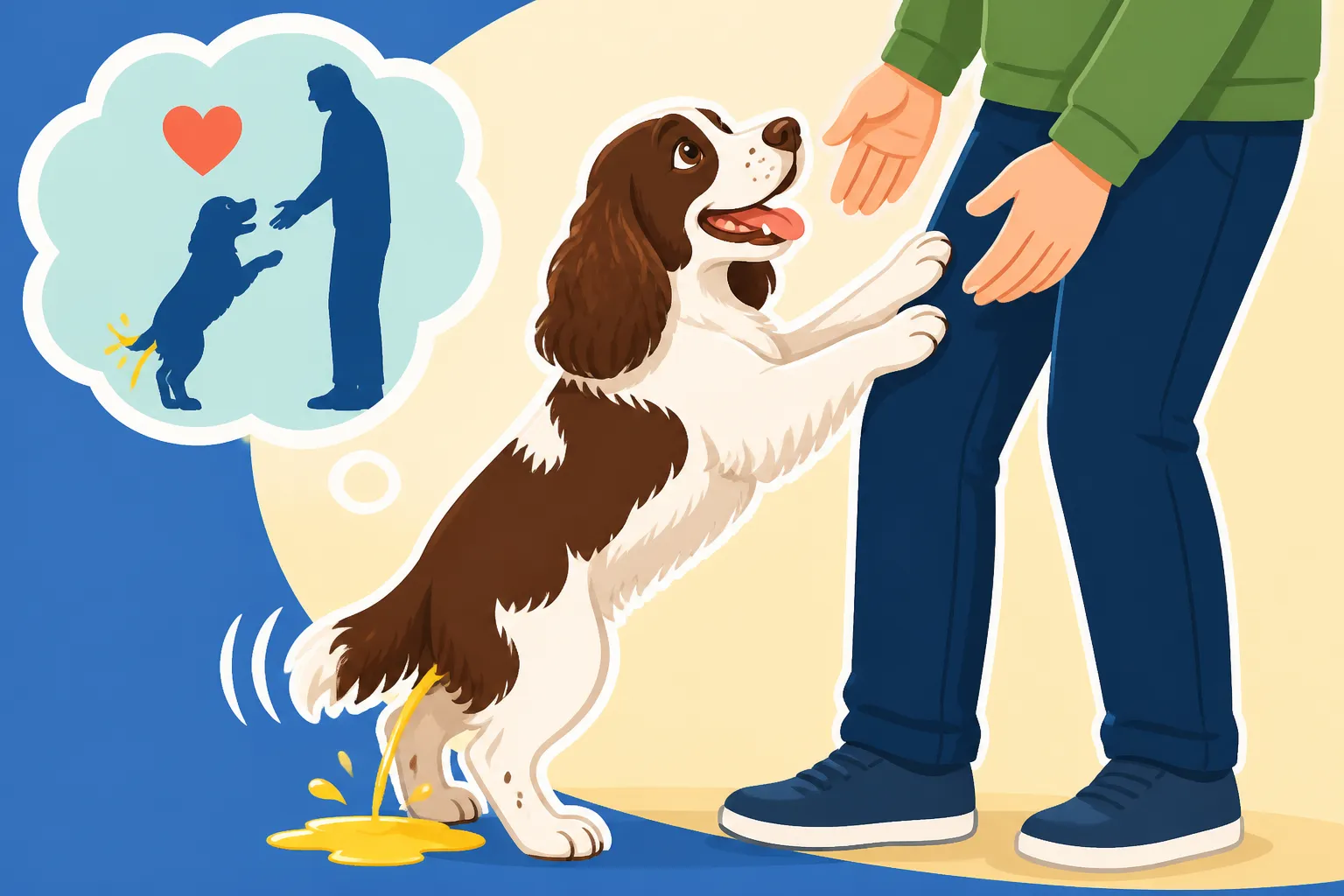
Why a Springer Spaniel Urinates on Greeting
It’s incredibly disheartening, and frankly, a bit embarrassing, when your otherwise perfectly house-trained English Springer Spaniel greets you or a guest with an excited puddle on the floor. You might feel frustrated, wondering if they’re doing it out of spite or if they’ll ever learn. This guide is here to shed light on why your beloved Springer Spaniel might be urinating when greeted and, more importantly, to offer practical, empathetic strategies to manage and overcome this common, yet often misunderstood, behavior.
Understanding the Root Cause: It's Not What You Think
When your Springer Spaniel greets someone and pees, it’s almost never an act of defiance or a lack of house-training. Instead, it’s a deeply ingrained, often involuntary, response to emotional states. Recognizing this fundamental truth is the first step toward effectively addressing the behavior. We’re talking about two primary drivers here: submissive urination and excitement urination, both of which can manifest in a breed as sensitive and enthusiastic as the Springer Spaniel.
Submissive Urination vs. Excitement Urination
While they look similar – a puddle on the floor during a greeting – the underlying emotional states driving submissive urination and excitement urination are actually quite different. Understanding this distinction is crucial because it informs how you approach a solution.
Submissive urination is a sign of deference. Your dog is essentially saying, "I mean no harm, please don't hurt me." This behavior often stems from a lack of confidence or feeling overwhelmed, intimidated, or threatened by a perceived higher-status individual or an intense interaction. Think about puppies: they often pee when an older, larger dog approaches them too quickly or intensely. It’s a carryover of this natural appeasement gesture. A Springer Spaniel might exhibit submissive urination if a person leans over them, makes direct eye contact, speaks loudly, or reaches out quickly. They might crouch, tuck their tail, or avert their gaze while urinating. It's their way of trying to de-escalate a situation they perceive as potentially confrontational, even if no harm is intended. For a sensitive breed like the Springer, anything that feels like a reprimand or too much pressure can trigger this. The Soft Springer Spaniel That Shuts Down If You Shout touches on this sensitivity.
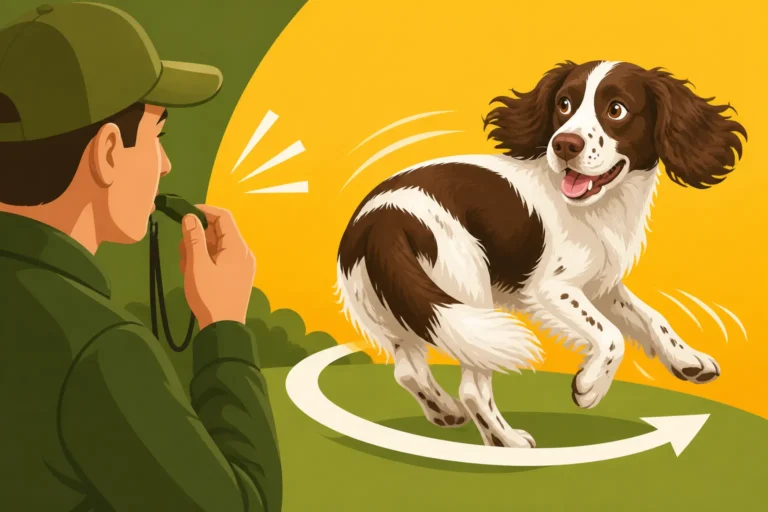
Excitement urination, on the other hand, is generally linked to an overflow of joy, enthusiasm, and sheer happiness. It's less about deference and more about a temporary loss of bladder control due to heightened arousal. Imagine the feeling of pure elation; for some dogs, especially young ones or those with less developed bladder control, this intense emotion can cause a physical release. Your Springer Spaniel might be wiggling, jumping, barking, and generally overflowing with glee when you walk through the door, only to release a small puddle. They’re not trying to be submissive; they’re simply so thrilled they can’t hold it. This is particularly common in puppies and young adolescents whose bladder control is still maturing, but some adult Springer Spaniels, given their exuberant nature, can continue this behavior.
The Springer Spaniel Temperament Factor
English Springer Spaniels are renowned for their outgoing, affectionate, and energetic personalities. They are intelligent, eager to please, and typically form very strong bonds with their families. These wonderful traits, however, can also contribute to both types of greeting urination. Their natural exuberance means they can get incredibly excited, making them prime candidates for excitement urination. Imagine the sheer joy they feel when their favorite human walks through the door – it’s a burst of energy and emotion that can be hard to contain, both emotionally and physically.
Furthermore, Springers are often quite sensitive. They thrive on positive reinforcement and can be quite perceptive to changes in tone or body language. This sensitivity, while making them highly trainable, also means they can be more prone to submissive behaviors if they perceive a greeting as too intense or overwhelming. A sharp, direct gaze or a loud, boisterous greeting, even if well-intentioned, might be interpreted by a sensitive Springer as a form of pressure or challenge, triggering that appeasement response. Their desire to please can also lead them to try too hard during greetings, getting overstimulated in the process. This combination of intense emotion, high energy, and sensitivity makes the Springer Spaniel a breed often susceptible to these greeting-related urination issues.
Triggers and Common Scenarios
Understanding why your Springer Spaniel urinates on greeting is one thing, but pinpointing the specific situations that trigger it can help you anticipate and manage the behavior. It’s often a combination of environmental factors, human interaction styles, and the dog’s individual emotional state.
Greeting Rituals Gone Wrong
For many of us, greeting our dog is a joyous occasion. We come home, eager to see our furry friend, and often respond with an equally enthusiastic greeting: bending down, making eye contact, using a high-pitched voice, or reaching out for a loving pat. While these gestures are born of affection, they can inadvertently contribute to greeting urination, especially in a Springer Spaniel.
Consider the perspective of a dog prone to submissive urination. Bending over them can be perceived as an intimidating posture, making you seem larger and more dominant. Direct eye contact, while a sign of affection to us, can be seen as a challenge or threat in the canine world. A loud, high-pitched voice, though it conveys excitement to us, can be overwhelming and trigger an appeasement response. Reaching out quickly can be startling. All these actions, combined, can trigger that involuntary submissive response, resulting in a puddle.
For the overly excitable Springer Spaniel, these same eager greetings from us just amplify their own already bubbling emotions. When you walk in, exclaim their name, and immediately engage with them in a high-energy way, it can push them past their threshold for bladder control. The sheer intensity of the reunion, fueled by your own excitement, might be more than their young or sensitive bladder can handle. It’s a vicious cycle where our loving intentions can unfortunately exacerbate the problem.
Visitors and Novelty
The arrival of guests often adds another layer of complexity to greeting urination, even for dogs who are generally better behaved with immediate family. Visitors bring a host of new stimuli that can intensify both excitement and submissive responses in a Springer Spaniel.
First, there’s the novelty factor. A new person, with new smells, new voices, and new movements, can be incredibly stimulating. For an excitable Springer, this novelty can be a huge thrill, leading to an even greater emotional overflow than with familiar family members. Their excitement levels can skyrocket, making them more likely to lose control of their bladder. Think of a teenager meeting their favorite celebrity – that surge of adrenaline and joy can be immense. For a Springer Spaniel, a new visitor can evoke a similar level of intense, overwhelming happiness. Whether a Springer Spaniel Is Overexcited by Visitors is a common concern for many owners.
Secondly, guests might not be aware of how to greet a dog sensitively. They might approach your Springer Spaniel directly, bend down quickly, or use a loud, booming voice, all of which can trigger a submissive urination response in a dog that is already a bit unsure or prone to deference. Even if your dog knows and loves the visitor, the initial shock and awe of their arrival can still be enough to cause an accident. The pressure to "be good" combined with unfamiliar interactions can be a perfect storm for a puddle. It's not uncommon for a Springer to manage greetings with immediate family perfectly well, only to have an accident every time a new face walks through the door.
Practical Strategies to Manage and Reduce Incidents
The good news is that greeting urination is almost always a manageable behavior, and with consistent effort and the right approach, you can significantly reduce or even eliminate it. The key lies in changing the interaction patterns and building your dog's confidence.
Changing Your Greeting Approach
The most impactful step you can take is to fundamentally alter the way you and others greet your Springer Spaniel. The goal is to lower the emotional intensity of the interaction, thereby reducing both extreme excitement and perceived threat.
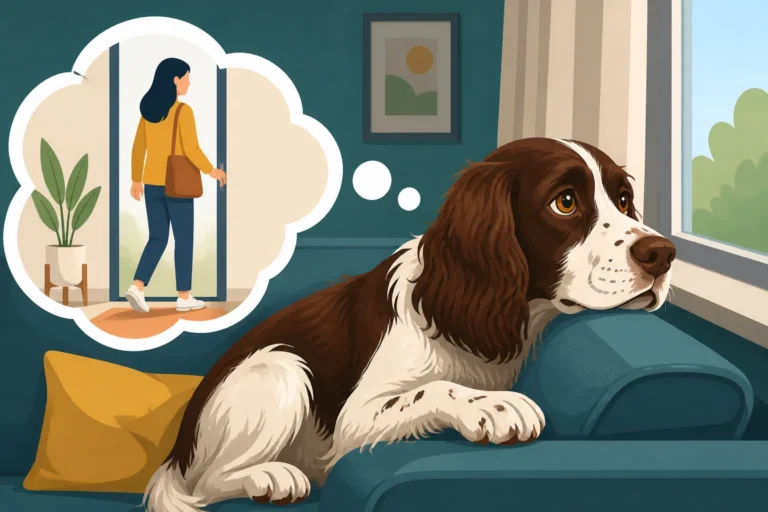
When you arrive home, especially after being away for a while, practice what’s often called a "no fuss" entry. This means ignoring your dog for the first few minutes. Yes, it feels counterintuitive and difficult, especially when your Springer is doing their adorable wiggle dance. But by not immediately engaging, you're preventing their excitement from escalating past the point of no return. Walk in calmly, put your things down, and don't make eye contact or speak to your dog. Let them settle down first. Once their initial enthusiasm has waned – they're no longer bouncing off the walls, maybe just sitting or lying down calmly – then you can initiate a calm greeting.
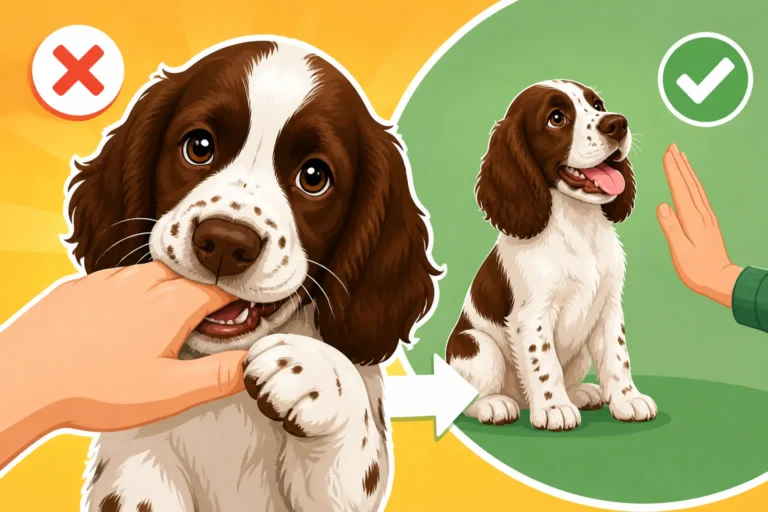
When you do greet them, aim for low-key interactions. Instead of bending over them, squat down to their level, but turn your body slightly to the side to avoid appearing confrontational. Speak in a soft, calm tone, rather than a high-pitched, excited one. Avoid direct, prolonged eye contact initially. Offer a gentle scratch under the chin or on the chest, rather than patting them on the head, which can be seen as dominant. If your dog still gets overly excited or starts to show signs of submission (crouching, tail tucking), pause the greeting until they calm down again. The goal is to teach them that calm greetings are the most rewarding. This gradual approach reinforces that staying relaxed leads to positive attention. Whether Ignoring a Springer Spaniel Stops the Puddles delves deeper into this strategy.
Environmental Management and Training
Beyond changing your greeting style, setting up your environment for success and incorporating specific training can make a huge difference. These strategies help prevent accidents and build your Springer Spaniel's confidence and bladder control.
First and foremost, always ensure your Springer Spaniel has had the opportunity to relieve themselves immediately before any anticipated greeting, whether it's your return home or the arrival of guests. A full bladder is much harder to control when excitement or anxiety hits. Make a quick trip outside part of your routine before letting guests in, or take your dog out immediately upon your calm entry home, before any greetings happen.
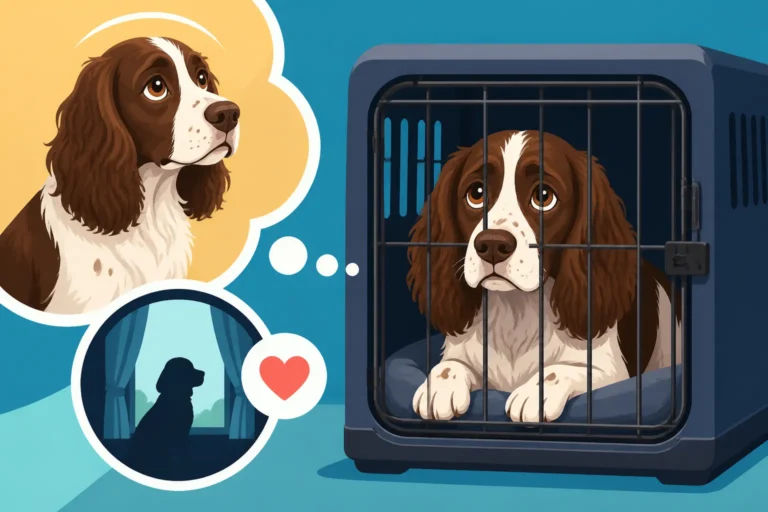
Consider designating a "greeting zone," ideally outdoors. If your dog reliably urinates when people arrive, simply meet guests outside or immediately take your dog outside when someone arrives. This way, if an accident happens, it's not on your rug. For indoor greetings, using tools like baby gates or even a crate can be invaluable during initial, high-energy arrivals. You can place your Springer in a safe, confined area with a chew toy just before guests arrive, allowing them to witness the commotion from a distance and calm down before being introduced. Once they are calm, they can be brought out on a leash for a controlled, calm greeting. You can find a variety of suitable baby gates and crates on sites like Amazon.
Incorporating confidence-building exercises into your dog's daily routine can also be highly beneficial, especially for Springers prone to submissive urination. Obedience training, where they learn commands like "sit," "stay," and "down," gives them a sense of control and predictability in interactions. Teaching a "settle" command can be particularly useful, encouraging them to relax on a mat or bed during stimulating times. Positive reinforcement is key here – reward calm behavior lavishly. Think about engaging them in scent work or agility, which builds mental and physical confidence without pressure. Whether Confidence Training Helps a Springer Spaniel explores these techniques further.
Finally, while not a brand specifically for products, BAXTER & Bella offers online puppy and dog training programs that focus heavily on positive reinforcement and building a strong foundation. Their structured approach could be a great resource for owners looking to enhance their Springer's confidence and teach impulse control, which are both vital in managing greeting urination. Learning how to effectively communicate and reward desired behaviors can make a world of difference.
| Behavior Type | Primary Cause | Typical Body Language (during urination) | Effective Strategies | What NOT to Do |
|---|---|---|---|---|
| Submissive Urination | Fear, anxiety, deference | Crouching, tail tucked, averted gaze, flattened ears, trembling | Calm, quiet greetings; avoid direct eye contact/leaning; build confidence; seek professional help for severe anxiety | Punish, yell, act aggressively |
| Excitement Urination | Over-arousal, lack of bladder control | Wiggling, jumping, tail wagging vigorously, sometimes barking, puppy-like enthusiasm | "No fuss" entries; immediate outdoor potty break; calm greetings; practice bladder control with short outings | Encourage over-excitement, reprimand (can turn into submissive behavior) |
When to Seek Professional Help
While most cases of greeting urination can be managed with consistent behavioral adjustments, there are times when it’s wise to bring in a professional. Ignoring the problem, or inadvertently making it worse through incorrect responses, can lead to prolonged frustration for both you and your Springer Spaniel.
First, consider a veterinary check-up. Persistent urination, especially if it seems involuntary and happens outside of greeting contexts, could indicate an underlying medical issue. Urinary tract infections (UTIs), bladder stones, or hormonal imbalances can all affect bladder control. It’s always best to rule out any physical causes before assuming it's purely behavioral. Whether a Springer Spaniel's Submissive Urination Is Medical highlights the importance of this step. Your vet can perform tests to ensure your Springer is physically healthy.
If medical issues are ruled out, and you’re still struggling despite implementing the above strategies, a certified professional dog trainer or a veterinary behaviorist can provide invaluable guidance. They can observe your specific interactions, identify subtle triggers you might be missing, and develop a tailored training plan. For instance, a behaviorist might notice that a particular scent or sound consistently precedes your dog's urination, or that your body language, despite your best efforts, is still being misinterpreted. They can teach you more advanced techniques for desensitization and counter-conditioning, gradually helping your Springer Spaniel associate greetings with calm, positive feelings rather than overwhelming emotions.
It's crucial to remember that your Springer Spaniel is not urinating out of spite. This behavior is an involuntary response, and punishing them for it will only exacerbate the problem, potentially turning excitement urination into fear-based submissive urination, or worsening existing submission. Whether a Springer Spaniel Recovers From Rough Handling clearly indicates the negative impact of harsh corrections. Punishment increases fear and anxiety, making your dog more likely to pee in an attempt to appease you, creating a cycle of frustration. A positive, patient, and consistent approach, sometimes with the help of a professional, is always the most effective path forward. Investing in a consultation with a qualified behaviorist, even if it has a What a Behaviorist Costs a Springer Spaniel Owner associated, can save you years of cleaning and stress.
Disclaimer
This article is for general informational purposes only and does not constitute professional advice. Laws, prices and regulations vary by location and change over time. Consult a qualified professional for guidance on your specific situation.