Whether a Springer Spaniel Should Wear a GPS Collar
Many English Springer Spaniel owners know that heart-stopping moment when their beloved dog locks onto a scent and simply… vanishes. It's a familiar panic, whether you're in a sprawling park, a dense woodland, or even your own seemingly secure backyard. For a breed so driven by instinct and nose, the question isn't if they'll wander, but when and how far. This comprehensive guide delves into why a GPS collar might be more than just a gadget for your Springer; it could be a vital tool for their safety and your peace of mind.
The Unmistakable Springer Spaniel Wanderlust and Why a GPS Collar Becomes Essential
Let's be real: Springer Spaniels are not known for being homebodies, especially when a tantalizing scent hits their powerful noses. Their history as flushing gundogs means they're hardwired to cover ground, follow trails, and ignore distractions when on a mission. This incredible drive, while magnificent in the field, can be a constant source of anxiety for owners trying to keep them safe in an unpredictable world.
The Allure of Scent: Why Your Springer's Nose Takes Over
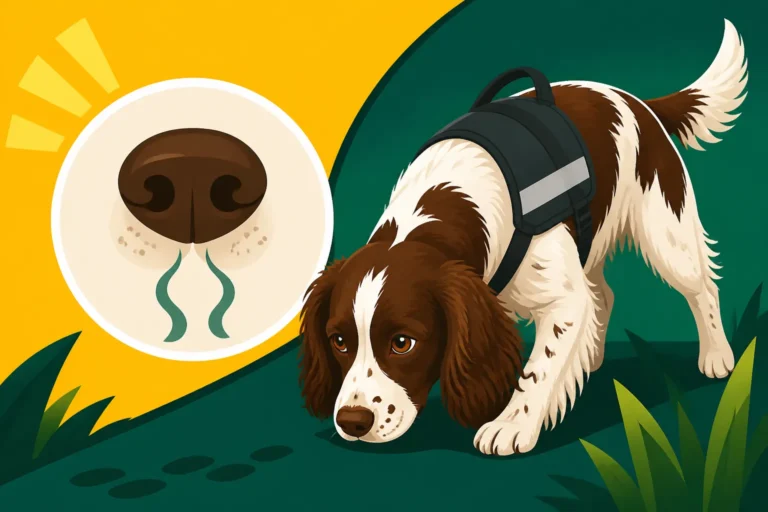
Imagine having a superpower that lets you "see" the world through a kaleidoscope of smells. That's your Springer's reality. Their noses are incredibly sensitive, capable of detecting odors faint to humans and following them with unwavering focus. This isn't just a casual sniff; it's a deep, immersive experience that can override everything else, including your desperate calls.
I've heard countless stories, and experienced a few myself, where a Springer, usually so responsive, suddenly becomes "deaf" to all commands. One minute, they're quartering happily in a field, the next, their nose hits a hot rabbit trail, and they're gone, a small brown-and-white blur disappearing over the horizon. It's not defiance; it's instinct. They are simply doing what generations of their ancestors were bred to do: follow scent to its source. For more on this, you might find Why a Springer Spaniel Puts Its Nose to the Ground and Vanishes particularly insightful. This intense focus means that even the most well-trained Springer can have a momentary lapse of obedience when faced with an irresistible scent, making a recovery strategy like a GPS collar invaluable.
The "Go-Big-Or-Go-Home" Energy: Miles Covered in Minutes
Springer Spaniels are athletes. They have boundless energy and can cover an astonishing amount of ground in a very short time. What might take you five minutes to walk, they can run in one, especially if they're hot on a trail. A simple distraction or a momentary lapse in attention from you, and they can be out of sight and out of earshot surprisingly quickly.
Consider a walk in a local nature preserve. One minute, your Springer is right beside you, sniffing at a bush. The next, a deer bounds across their path just out of your peripheral vision, and before you can even react, your dog is off like a shot, determined to investigate. Within moments, they could be hundreds of yards away, navigating dense undergrowth that makes it impossible for you to see them. Their stamina means they won't tire easily, and their drive means they won't stop until the scent cools or they hit an obstacle. This propensity for rapid, far-ranging exploration is a key reason why many owners look to GPS technology. The sheer speed at which they can disappear makes traditional searching methods incredibly inefficient.
When Training Isn't Enough: The Limits of Recall
We all strive for that perfect recall, where our dog snaps back to us no matter the distraction. And many Springer Spaniels can achieve an excellent recall with consistent training, positive reinforcement, and a strong bond. However, it's crucial to acknowledge the inherent limitations, especially for a breed so driven by scent. There's a reason why gundog trainers spend countless hours perfecting "heel" and "hup" commands in high-distraction environments.
Even with dedicated effort, some situations can overwhelm a dog's training. A panicked deer, a flushing pheasant, or the intoxicating smell of a den of raccoons can trigger an instinct so profound that a dog's conscious training takes a backseat. This isn't a failure on your part or your dog's; it's a testament to the power of their genetics. This is where a GPS collar steps in, not as a replacement for training, but as a critical safety net. It offers a solution for those rare but potentially dangerous moments when even the most reliable Whether a Springer Spaniel's Recall Can Be Trusted falters, ensuring that a brief lapse doesn't lead to a permanent loss.
Understanding GPS Collars: Features, Types, and How They Work
GPS (Global Positioning System) collars have evolved significantly, offering more than just basic location tracking. They are sophisticated devices designed to provide real-time data, create virtual boundaries, and even monitor your dog's activity levels. When considering one for your Springer, understanding the different features and technologies available is key to making an informed choice.
Real-Time Tracking vs. Activity Monitoring
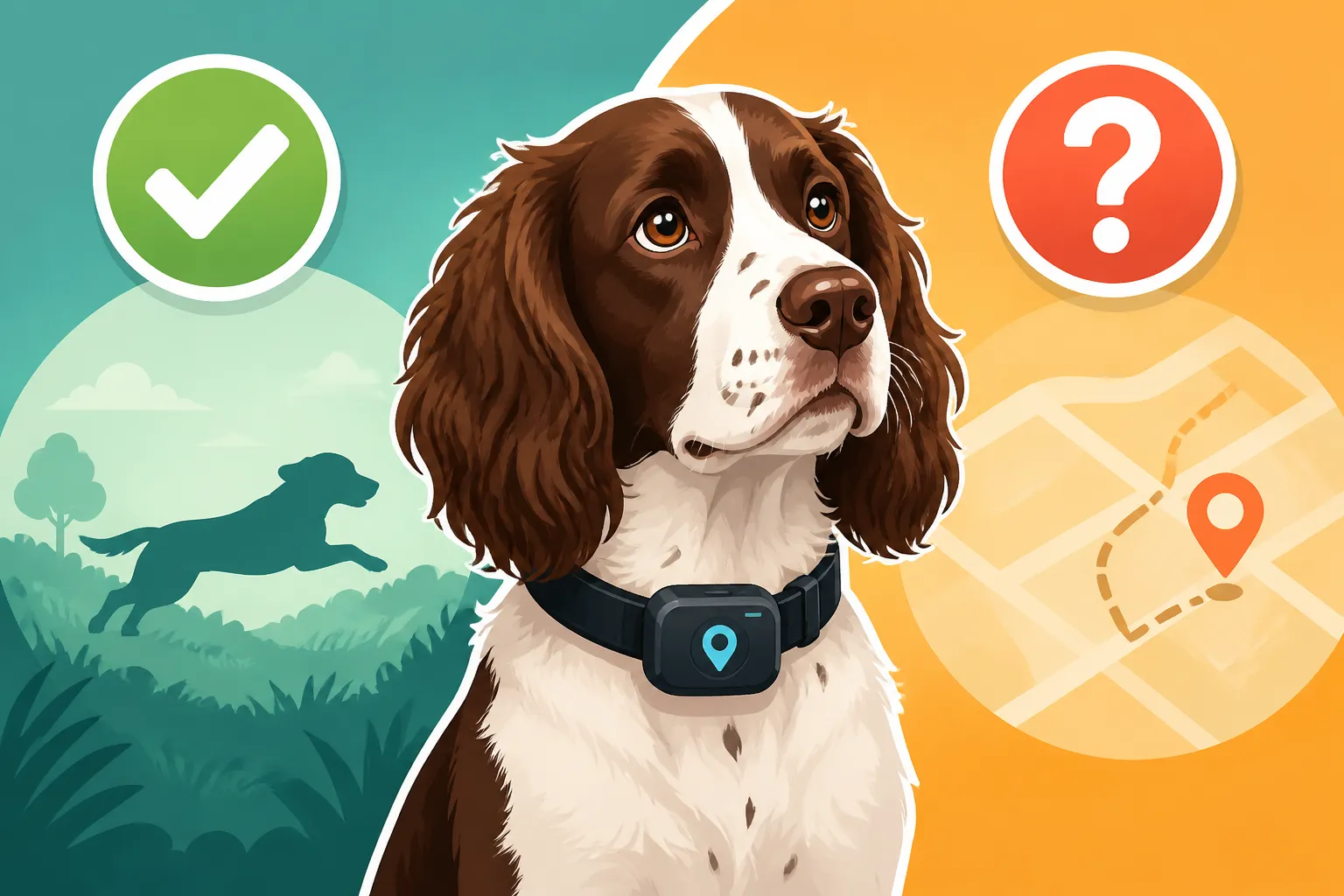
At its core, a GPS collar tracks your dog's location. This can range from updating every few seconds for "live" tracking to every few minutes for more battery-efficient models. Real-time tracking is invaluable in an emergency, allowing you to pinpoint your dog's exact movements as they happen. If your Springer bolts, you can literally watch their icon move across a map on your phone, guiding you directly to them.
Many modern GPS collars also incorporate activity monitoring features, similar to a fitness tracker for humans. These can track steps, distance traveled, calories burned, and even sleep patterns. For a high-energy breed like a Springer, this data can be incredibly useful. You can ensure they're getting enough exercise, especially if you have a field-bred Springer Spaniel with significant drive, or detect changes in their activity that might indicate a health issue. This dual functionality means the collar isn't just for emergencies; it's a tool for daily wellness monitoring too.
Geofencing, Alerts, and Battery Life Considerations
One of the most powerful features of many GPS collars is "geofencing." This allows you to set virtual boundaries on a map – around your yard, a dog park, or a particular hiking trail. If your Springer crosses this invisible fence, you receive an instant alert on your phone. This proactive notification is a game-changer; you're not waiting until you notice they're gone; you're informed the moment they make a break for it.
Alerts can also be set for low battery, unusual activity patterns, or if your dog travels beyond a certain distance from you. Battery life is a crucial consideration, as a dead battery renders the collar useless. Some collars offer impressive battery life lasting several days, while others with more frequent tracking or advanced features might need charging daily. It's often a trade-off between tracking frequency/features and battery longevity. When you're frantically searching for a lost dog, the last thing you want is the collar to die just as you get close.
Subscription Models and Device Costs
It's important to understand that most GPS collars require a subscription plan, much like a cell phone. The device itself is a one-time purchase, which can vary significantly in price, but the real cost comes with the monthly or annual service fee. This fee covers the cellular network data required for the GPS unit to communicate its location to your phone.
Subscription plans vary, offering different levels of service, tracking frequency, and features. Some might offer discounts for annual payments, while others provide premium tiers with enhanced health tracking or extended warranty options. Always factor in these ongoing costs when budgeting for a GPS collar. A quick search on platforms like Amazon will show you a range of devices and pricing structures, but always check the manufacturer's website for the most current subscription details. This table provides a general overview of common GPS collar features:
| Feature | Description | Benefit for Springer Owners | Consideration |
|---|---|---|---|
| Real-Time Tracking | Updates location every few seconds/minutes | Pinpoints exact location during escapes | Higher battery drain |
| Geofencing | Virtual boundaries with instant alerts | Notifies immediately if dog leaves a safe zone | Requires setup |
| Activity Monitoring | Tracks steps, distance, calories, sleep | Ensures adequate exercise, detects health changes | May require more data/battery |
| Long Battery Life | Lasts multiple days on a single charge | Reduces charging frequency, reliable for longer adventures | Might have slower tracking |
| Waterproof/Durable | Withstands submersion, rough play, and outdoor elements | Essential for a water-loving, active breed | Adds to cost |
| Lightweight Design | Comfortable for prolonged wear without irritation | Prevents discomfort, especially on long walks | May compromise battery/durability |
| Subscription Plan | Required for cellular data transmission | Enables continuous communication and tracking | Ongoing monthly/annual cost |
The Peace of Mind and Practical Benefits of a GPS Collar
Beyond the immediate crisis of a lost dog, a GPS collar offers a range of practical benefits that contribute to responsible pet ownership, especially for an active and intelligent breed like the English Springer Spaniel. It's about proactive safety, data-driven insights, and simply feeling more secure.
Rapid Retrieval in Emergency Situations
This is, without a doubt, the primary benefit. If your Springer slips its leash, digs under a fence, or simply decides to explore How Far a Springer Spaniel Will Go on a Scent after an enticing smell, a GPS collar can dramatically reduce the time and stress of finding them. Instead of aimlessly wandering, shouting their name, and retracing your steps, you can follow a clear map directly to their location.
Imagine your worst-case scenario: you're out hiking, and your dog spooks and bolts into thick woods. Without a GPS collar, you'd be relying on luck, scent trails, and the hope someone finds them. With one, you could be tracking them through the undergrowth, getting updates on their exact position, and potentially intercepting them before they reach a road or get into real trouble. This rapid retrieval capability isn't just convenient; it can be life-saving, preventing accidents, encounters with wildlife, or even theft.
Monitoring Exercise and Health Patterns
As mentioned, many GPS collars come with activity trackers. For a breed that requires substantial exercise, knowing if they're truly getting enough activity can be invaluable. Is your field-bred Springer getting sufficient mileage each day? Is your show-bred Springer still getting adequate mental and physical stimulation? These devices provide objective data that helps you adjust their routine.
Beyond just exercise, consistent monitoring can highlight subtle changes in your dog's behavior that might indicate a health issue. A sudden drop in activity, an increase in restlessness at night, or a change in their typical movement patterns could all be early indicators of discomfort, pain, or illness. While not a diagnostic tool, this data can prompt you to consult your veterinarian sooner, potentially leading to earlier intervention and better outcomes. It's a way to keep tabs on your active companion's overall well-being, complementing the careful observations you already make.
Supplementing Training and Responsible Ownership
A GPS collar doesn't replace good training, but it can certainly supplement it. For dogs with a strong prey drive or a tendency to explore, knowing you can always locate them can build confidence during off-leash training sessions in secure environments. This might allow you to work on their Teaching a Springer Spaniel to Stay in Range or improve their general recall in varied settings, without the constant fear of losing them permanently.
Furthermore, owning a GPS collar demonstrates a commitment to responsible pet ownership. It shows you've invested in your dog's safety and are prepared for potential challenges. It provides a layer of security that traditional methods like microchipping or ID tags can't offer in real-time. While microchips are vital for identification once found, they don't help you find a lost dog. A GPS collar bridges that gap, offering an active solution to a very common problem for highly active breeds like the Springer Spaniel. It's also a fantastic way to ensure your dog is getting enough activity if you're working on Keeping a Springer Spaniel at a Working Weight.
Choosing the Right GPS Collar for Your Springer Spaniel
With so many options on the market, selecting the perfect GPS collar for your Springer Spaniel can feel a bit overwhelming. It's not a one-size-fits-all solution, and what works best for one dog or owner might not be ideal for another. You need to consider your dog's individual needs, your lifestyle, and the specific environments you frequent.
Assessing Your Dog's Lifestyle and Escape Risk
Start by honestly evaluating your Springer Spaniel's tendencies. Do they have a particularly high prey drive? Are they prone to digging or fence-jumping? How reliable is their recall, especially under distraction? If your Springer spends a lot of time off-leash in varied terrains, or if you live near busy roads, your need for robust, real-time tracking will be higher.
Consider their activity levels too. If they're a working gundog, the collar needs to be exceptionally durable and waterproof, ready for anything the field throws at it. If they're more of a family companion enjoying daily walks and backyard play, a less rugged model might suffice. Understanding your dog's personality and potential "escape artist" tendencies will guide you toward the right feature set. If you're pondering Whether a Field Bred Springer Spaniel Can Be a House Pet, a GPS collar can offer added security for their high drive in a suburban setting.
Key Features to Prioritize: Durability, Fit, and Range
- Durability and Waterproofing: For a Springer Spaniel, these are non-negotiable. They love water, they crash through brush, and they're generally tough on their gear. Look for collars explicitly rated as waterproof (IPX7 or IPX8 is ideal) and built with sturdy materials that can withstand scrapes and impacts. A flimsy collar won't last a week on an active Springer.
- Secure Fit: The collar needs to be snug enough not to slip off, but comfortable enough for all-day wear. Measure your dog's neck carefully. Adjustable straps and ergonomic designs are important. You don't want a collar that chafes or gets caught on branches easily.
- Tracking Range and Accuracy: Most GPS collars work wherever there's cellular service, as they rely on cell towers to transmit data. Ensure the brand you choose has good coverage in your typical walking areas. Accuracy is also vital; a collar that shows your dog in a 50-foot radius when you need to know which bush they're in isn't much help. Look for devices that boast high accuracy, often down to a few feet.
- Battery Life: As discussed, this is critical. Prioritize longer battery life if your dog spends extended periods outdoors or if you're not diligent about daily charging.
Popular brands often found on sites like Amazon offer a variety of features, so reading user reviews specific to active breeds can provide real-world insights into a product's performance. Also, for additional training support that can reduce wandering, resources like BAXTER & Bella provide comprehensive puppy training programs that emphasize strong recall and connection, which can be an excellent complement to a physical safety device.
Integrating GPS with Other Safety Measures
A GPS collar is a fantastic tool, but it should be part of a multi-layered approach to your Springer's safety. It's not a magic bullet that makes other precautions unnecessary.
- Microchipping: Always, always microchip your dog. If their collar comes off, or the battery dies, a microchip is their permanent ID. This is often the first thing a vet or shelter checks if a lost dog is found.
- ID Tags: An up-to-date ID tag with your phone number is a simple, immediate way for someone to contact you if they find your dog.
- Consistent Training: Never stop working on your Springer's recall and general obedience. The goal should always be to prevent them from wandering in the first place, with the GPS collar as a backup. Resources from BAXTER & Bella, for instance, can help reinforce those foundational commands that make your dog a safer, more integrated member of your family. Strong training around commands like "stay" and "come" can prevent many bolting scenarios.
- Secure Environment: Regularly check your fences for weak spots, ensure gates are latched, and supervise your Springer closely, especially in new or unfamiliar areas.
By combining the proactive tracking capabilities of a GPS collar with these other essential safety measures and ongoing training, you can significantly enhance your English Springer Spaniel's safety, allowing them to enjoy their adventurous spirit while giving you profound peace of mind.
Disclaimer
This article is for general informational purposes only and does not constitute professional advice. Laws, prices and regulations vary by location and change over time. Consult a qualified professional for guidance on your specific situation.