Whether a Springer Spaniel Points
It’s a common question, especially for those new to the world of gundogs or even just curious about their Springer Spaniel's unique traits: do Springer Spaniels point? You might have seen elegant Pointers or Setters freeze mid-stride, nose stretched out, one paw raised, indicating hidden game. It's a beautiful, iconic image. But if you're waiting for your bouncy Springer to perform this graceful, statuesque pose, you're likely to be waiting a very long time! This guide is here to help you understand why your Springer Spaniel has a completely different, but equally fascinating, way of finding and working game, and how to embrace their natural instincts.
What "Pointing" Really Means in the Gundog World
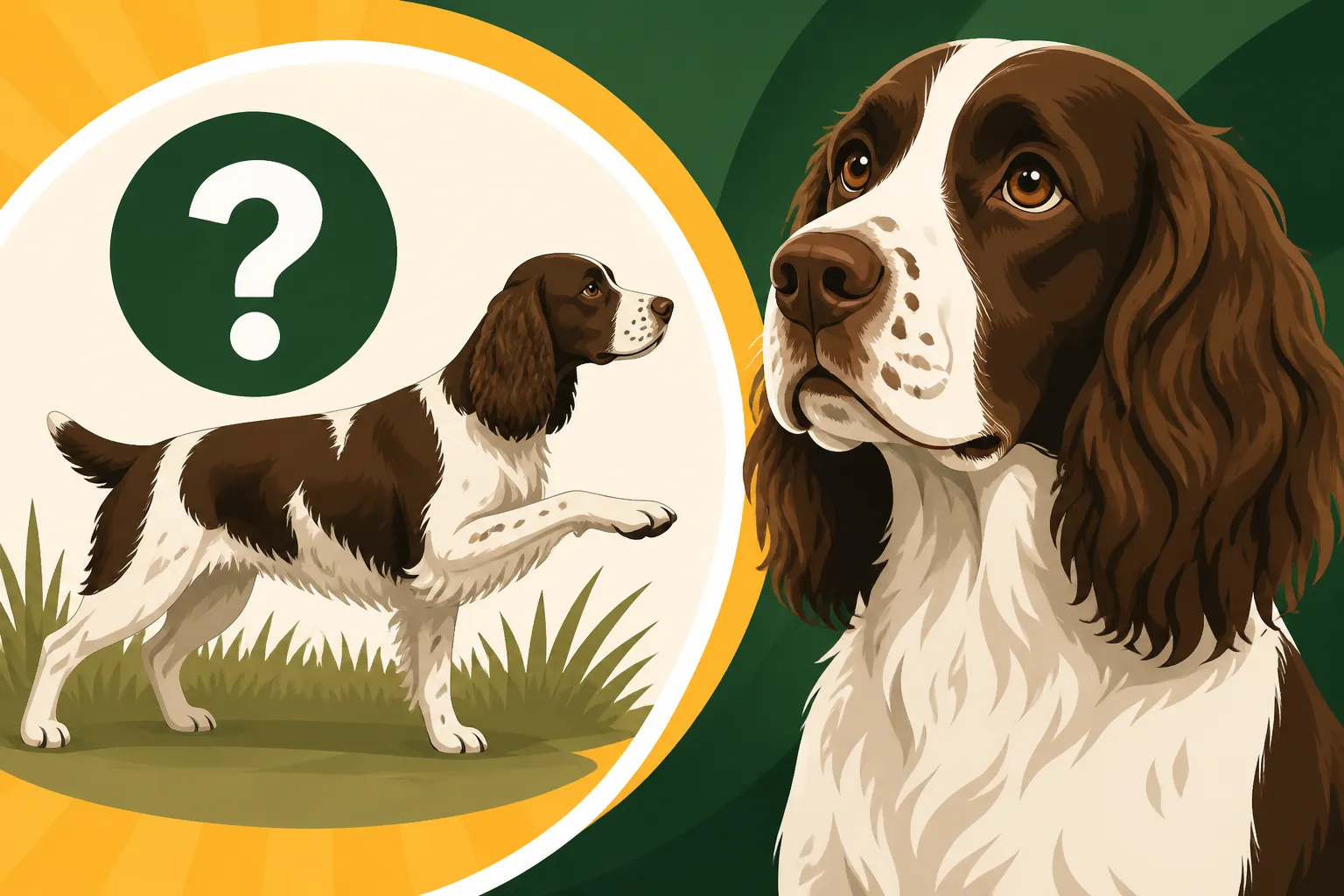
Before we dive into why your Springer Spaniel doesn't point, let's clarify what pointing actually entails. In the world of gundogs, "pointing" is a specific behavior exhibited by certain breeds, primarily those known as "pointers" or "setters." Imagine a dog, trotting through a field, suddenly catching a whiff of a pheasant or quail. Instead of rushing in, the dog slams to a halt, often freezing in a dramatic pose: head high, tail rigid, one front paw usually lifted, body angled directly towards the scent of the hidden bird.
This isn't just a quirky habit; it's an incredibly valuable hunting behavior. The dog "points" to tell the hunter, "Hey! There's game right there." It allows the hunter to approach cautiously, get into position, and then instruct the dog to "flush" or push the bird into the air for a shot. This pause, this silent communication, is what sets pointing breeds apart. Breeds like the German Shorthaired Pointer, English Setter, or Brittany are masters of this art. Their entire genetic makeup has been honed over centuries to perform this specific task, holding the bird in place by scent alone, without disturbing it, until the hunter is ready. It's a testament to selective breeding and a truly cooperative hunting style.
Why the Springer Spaniel is a "Flushing" Dog, Not a Pointer
Now, let's talk about our beloved Springer Spaniels. The short answer to "do Springer Spaniels point?" is a definitive no. Springer Spaniels are, by definition and design, "flushing" or "springing" dogs. In fact, their very name, "Springer," comes from their job: to "spring" game from its hiding place.
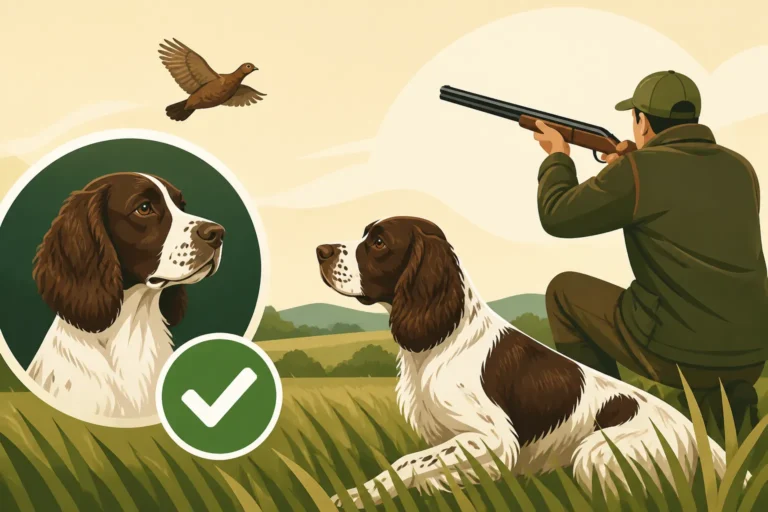
Think about how a Springer operates in the field. Unlike a pointer that indicates and then waits, a Springer's job is to work relatively close to the hunter, systematically covering ground in a pattern often referred to as "quartering." As they scent game, their instinct isn't to freeze and hold a point, but to burst into action, driving the bird out into the open. This sudden, energetic explosion is precisely what a hunter needs to get the game airborne for a shot.
This distinction is crucial to understanding the breed. Springer Spaniels were developed for a different type of hunting, one where the dog finds the game and then, on command or instinct, sends it flying. They are often used for upland game like pheasants, quail, or grouse in denser cover where a pointing dog might be out of sight, or where the objective is to get the birds up quickly. The 1902 Split That Separated Springer From Cocker and the historical development of gundogs further illustrate how breeds like the Springer were specialized for particular tasks long ago.
Imagine hunting thick brambles or dense cover. A pointing dog might indicate a bird, but if the cover is too thick, the hunter can't see the bird, let alone get a shot. A Springer, with its powerful drive and tenacious spirit, will plunge into that cover, flushing the bird out where the hunter can see it. Their job is active and dynamic, always moving, pushing forward, scenting, and then springing the game.
The Instinctive Working Style of a Springer Spaniel
The Springer Spaniel's working style is deeply ingrained, a product of centuries of selective breeding. It's a beautiful, high-energy dance between dog and handler, built on trust, training, and a profound understanding of the dog's natural instincts.
Quartering: The Signature Move
The hallmark of a well-trained or naturally gifted Springer Spaniel in the field is its "quartering" pattern. Picture a dog ranging back and forth in front of the hunter, weaving a zigzag pattern to cover the ground thoroughly. This isn't random; it's a systematic sweep, ensuring no scent is missed. The dog learns to work "to the gun," meaning it stays within gun range so that when a bird is flushed, the hunter has a clear shot. This natural drive to sweep and cover ground is what makes them such effective flushing dogs. What Quartering Means in a Springer Spaniel delves deeper into this fascinating behavior.
For a pet owner, this instinct often translates into a dog that loves to patrol the yard, sniffing every corner and edge. You might see your Springer working a pattern in your own backyard, even without any game present, driven by that intrinsic desire to find and explore scents. This is why giving them ample exercise and mental stimulation is so vital; an unfulfilled Springer will find its own "job," which might involve digging up your prize-winning roses!
The Flush: Explosive Energy
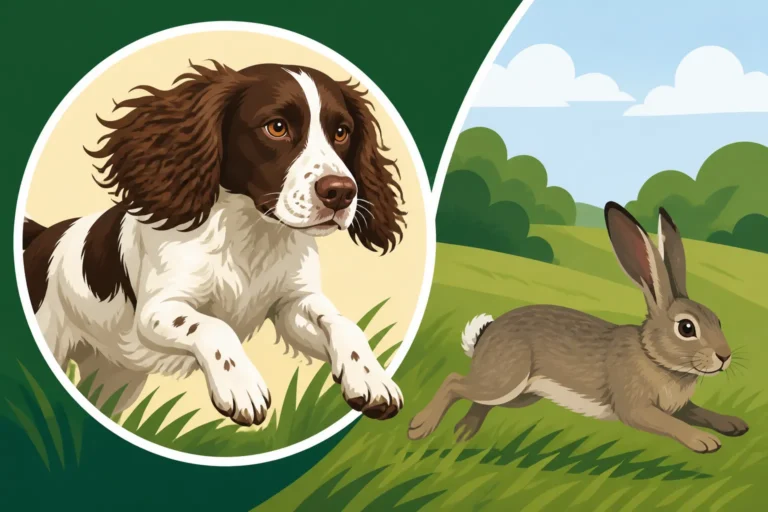
When a Springer hits a hot scent, there’s no gentle freeze. Instead, there's an immediate, often explosive, reaction. Their body language shifts, their tail wags furiously, and they dive headfirst into the cover, pushing the bird out. This sudden, forceful action is what we call a "flush." It's exciting to watch and incredibly effective for the type of hunting they were bred for.
This explosive energy is also why early and consistent training is so important. A Springer needs to be Steadying a Springer Spaniel to Flush so they don't chase the bird immediately, but wait for the shot and then retrieve. Without proper training, that powerful flush can lead to a dog that's far out of control, chasing game into the next county. Their exuberance is a strength, but it needs channeling.
The Retrieve: Soft Mouth and Eagerness
After the flush and the shot, the Springer's next job is the retrieve. They are known for their "soft mouth," meaning they can gently pick up and carry game without damaging it. Their eagerness to please, combined with their natural retrieving drive, makes them excellent at bringing birds back to hand. Whether it's a downed pheasant or a training bumper, a Springer loves to retrieve. What a Springer Spaniel Retrieves highlights this aspect of their work.
This drive to carry things often extends into daily life. Many Springer owners will tell you their dog constantly carries toys, socks, or even the remote control around the house. It's just another manifestation of that ingrained retrieving instinct. You might find yourself saying "Thank you!" as your Springer proudly delivers a random item from another room.
| Trait | Pointing Breeds (e.g., German Shorthaired Pointer) | Flushing Breeds (e.g., English Springer Spaniel) |
|---|---|---|
| Primary Job | Locate game, indicate its presence by freezing. | Locate game, drive it into the open. |
| Behavior | Stands still, rigid, nose pointed at game. | Actively enters cover, pushes game out. |
| Range | Often work wider, covering larger areas. | Typically work closer to the hunter. |
| Purpose | Allows hunter to approach and prepare for shot. | Gets game airborne quickly, especially in dense cover. |
| Pace | Deliberate, methodical until scent is found, then frozen. | Energetic, systematic, and dynamic throughout. |
| Retrieving | Often retrieve, but primary focus is pointing. | Highly enthusiastic and capable retrievers. |
Training Your Springer Spaniel to Work in Harmony With Their Instincts
Understanding that your Springer Spaniel is a flusher, not a pointer, is the first step towards a harmonious relationship and effective training. You're not fighting against an innate behavior, but rather channeling and refining it.
Embrace Their Drive to Hunt
Instead of trying to suppress their natural inclinations, lean into them. Their strong scent drive and desire to range are assets. For a pet Springer, this might mean incorporating scent work or Scent Games Tire a Springer Spaniel into your daily routine. Hide treats around the house or yard and encourage them to find them. This engages their powerful nose and gives them a "job," which is crucial for a happy, well-adjusted Springer.
If you're interested in gundog work, even just for fun, start with basic obedience that forms the foundation of all fieldwork. A solid "come" (recall) is non-negotiable for a dog that loves to follow its nose. Whether a Springer Spaniel's Recall Can Be Trusted is a question every owner of this breed will ask themselves at some point. Commands like "heel," "sit," and "stay" are also paramount.
Focus on Control and Communication
Because Springers are so driven, control is key. This doesn't mean harshness; Springers are The Soft Springer Spaniel That Shuts Down If You Shout and respond best to positive reinforcement. It means clear, consistent communication. Whistle commands are incredibly effective for Springers, especially in the field where your voice might not carry. A single blast for "sit" or a series of pips for "come" can be much more impactful than shouting. You can find excellent gundog whistles on Amazon, and resources from training programs like BAXTER & Bella can help lay a strong foundation for communication with your energetic pup. Teaching a Springer Spaniel Whistle Commands can transform your walks and potential fieldwork.
For example, when teaching recall, make it the most rewarding thing your dog can do. When they come, have a party! High-value treats, lots of praise, and excited body language. This builds a positive association that can compete with the allure of a tempting scent.
Encourage Their Retrieving Instinct
Springers live to retrieve. Use this to your advantage in training and play. Instead of just throwing a ball, make retrieving a structured activity. Teach them to "fetch" and "drop" on command. This not only burns energy but also builds focus and obedience. Retrieve training can be a wonderful bonding activity and a fantastic way to exercise their bodies and minds.
You can also use retrieving games to reinforce other commands. Have them sit, then throw a toy a short distance, release them with "fetch," and then have them "come" back to you with the toy and "drop" it. This integrates multiple commands into a fun, rewarding sequence.
Provide Ample Exercise and Mental Stimulation
An under-exercised Springer Spaniel is often a mischievous Springer Spaniel. They have boundless energy and a keen intelligence. A daily walk around the block isn't going to cut it for most Springers, especially the field-bred lines. They need opportunities to run, explore, and use their noses.
Consider activities like long hikes, trail runs, or even just extended sessions of fetch in a secure area. Puzzle toys can also provide mental stimulation when you're indoors. Whether a Springer Spaniel Needs a Job is a common question, and the answer is almost always yes, in some form! Whether it's formal gundog training, agility, or just intense games of hide-and-seek, giving them a purpose will make them happier companions. Remember, a tired Springer is usually a well-behaved Springer!
By understanding and working with your Springer Spaniel's inherent flushing instinct, rather than against it, you can develop a deep, rewarding partnership with this amazing breed. They may not point, but their enthusiasm, drive, and affectionate nature make them truly exceptional dogs.
Disclaimer
This article is for general informational purposes only and does not constitute professional advice. Laws, prices and regulations vary by location and change over time. Consult a qualified professional for guidance on your specific situation.