Whether a Springer Spaniel Chews Through a Crate
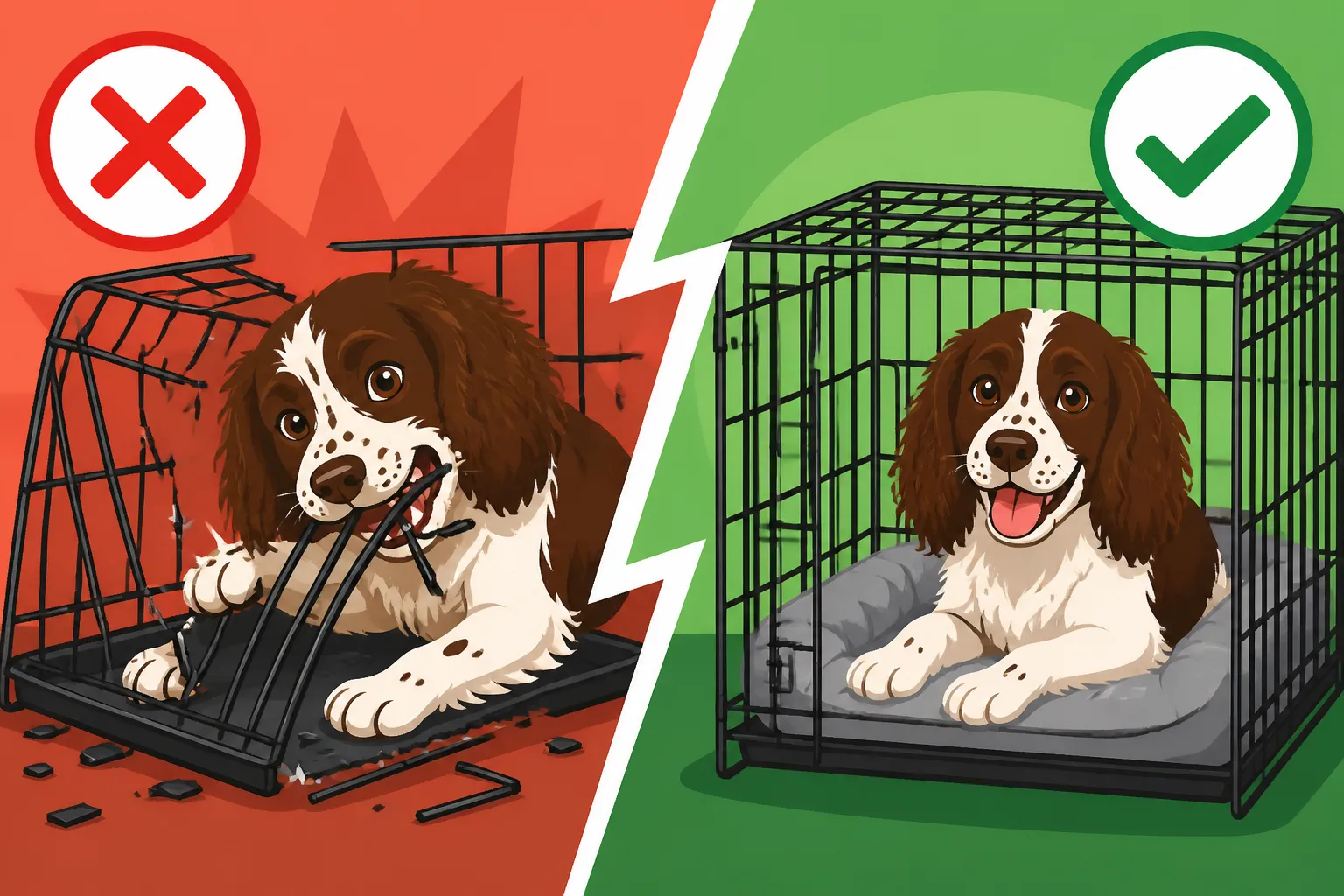
It's incredibly frustrating, not to mention a little heartbreaking, to come home and find your beloved English Springer Spaniel has gnawed its way through their crate, or at least made a valiant effort. You've invested in a safe space for them, hoping it would be their cozy den, only to discover it's become a chew toy, or worse, a mangled escape route. This isn't just about replacing equipment; it's about understanding why your Springer is doing this and finding real solutions to keep them safe, happy, and non-destructive. This guide dives deep into the reasons behind crate chewing and offers practical, empathetic strategies to address it.
The Energetic Springer Spaniel and the Temptation to Chew
Springer Spaniels are bundles of energy, intelligence, and boundless enthusiasm. These traits, while endearing, can also lead to destructive behaviors like crate chewing if not channeled properly. It’s not about them being "bad"; it's about them trying to communicate or cope.
Why a Springer Spaniel Might See Its Crate as a Chew Toy
Let's face it, a Springer Spaniel’s mind is always working, and their body always wants to move. If they're left alone for long periods without adequate physical or mental stimulation, that pent-up energy has to go somewhere. Chewing is a natural, instinctual behavior for dogs. It helps them relieve stress, explore their environment, and strengthen their jaws. For a highly intelligent and active breed like a Springer, an unstimulating environment, even a crate, can quickly become boring.
Imagine your Springer. They’ve had a quick walk, maybe eaten their breakfast, and then they're crated. If that's all they've had, their "energy bucket" is still overflowing. To a bored Springer, the crate bars, the plastic tray, or even the bedding can seem like the most interesting thing to interact with. They're not being malicious; they're simply trying to entertain themselves, to engage their powerful jaws and keen minds. A human might fiddle with a pen or pace if bored; a Springer will often resort to chewing whatever is available, and if that's the crate itself, then so be it. This is why The Daily Routine a Springer Spaniel Actually Needs is so crucial, incorporating both physical exercise and mental challenges.
Separation Anxiety: The Deeper Reason Behind Crate Destruction
Sometimes, crate chewing isn't about boredom at all; it's a desperate plea rooted in anxiety. English Springer Spaniels are highly social dogs, renowned for their strong bonds with their human families. This wonderful trait can, unfortunately, make them prone to Separation Anxiety in a Springer Spaniel. When a dog with separation anxiety is crated and left alone, their attempts to chew through the crate aren't about mere mischief; they are frantic efforts to escape perceived isolation and reunite with their pack.
The signs of anxiety-driven chewing differ significantly from boredom chewing. You might notice excessive drooling, panting, frantic pacing, incessant barking or howling, and a palpable sense of panic. The chewing itself often appears urgent and desperate, causing actual injury to their teeth or gums as they try to bend or break bars. They're not just gnawing idly; they're trying to literally tear their way out. This can be heartbreaking to witness, either in person or captured on a pet camera. Understanding Whether a Springer Spaniel Panics When Crated Alone is key to addressing this, as it requires a different approach than simple boredom.
Puppyhood Chewing: A Natural (But Manageable) Phase
Before we jump to conclusions about anxiety or severe boredom, it's vital to remember puppyhood. Just like human babies, Springer Spaniel puppies go through a teething phase, and chewing is a perfectly natural and necessary part of their development. Those sharp puppy teeth need to fall out, and adult teeth need to come in, and chewing helps facilitate this process. During The First Year With a Springer Spaniel Puppy, everything goes into their mouth as they explore their world.
A puppy exploring their crate with their mouth isn't necessarily a sign of trouble, as long as it's not frantic or accompanied by other signs of distress. They might chew on the bars, the plastic tray, or their toys within the crate as a way to learn about textures and relieve gum discomfort. The challenge for us as owners is to redirect this natural urge to appropriate chew toys, ensuring their crate remains a safe and positive space, not just another object to demolish. Learning to differentiate this normal developmental chewing from more problematic behaviors is crucial for effective intervention.
Choosing the Right Fortress: Crate Types for a Determined Chewer
Once you've identified why your Springer Spaniel might be chewing their crate, the next step is often to ensure the crate itself is up to the task – and safe for them. Not all crates are created equal, especially when dealing with a strong, motivated chewer.
Wire Crates: The Good, The Bad, and The Bent
Standard wire crates are probably the most common type you'll see. They're affordable, offer great ventilation, allow your dog to see what's going on around them, and often fold flat for easy storage or travel. For a Springer Spaniel that is already well crate-trained and doesn't have a strong chewing habit, they can be perfectly adequate.
However, for a determined chewer, especially one driven by anxiety, standard wire crates can quickly become a liability. The thinner gauge wire can be bent, broken, or even chewed through by a persistent Springer. A strong dog can create sharp edges when bending the wire, posing a serious risk of injury to their mouth, paws, or even eyes. I’ve heard countless stories of dogs injuring themselves trying to escape a wire crate. Even if they don't escape, ingesting small pieces of metal or plastic coating from the wires can lead to serious internal issues. If your Springer manages to bend or break the wires of a standard crate, it’s a clear sign you need to upgrade for their safety and your peace of mind. Some manufacturers offer heavier-gauge wire crates, which are a step up but still might not be enough for the most determined escape artists.
Heavy-Duty Metal Crates: The Tank of the Crate World
For Springer Spaniels that laugh in the face of standard wire crates, a heavy-duty metal crate often becomes the only viable option. These are the "tanks" of the crate world, built with much thicker steel bars, reinforced welds, and secure latching mechanisms. You'll find a good selection of these on platforms like Amazon, often marketed as "escape-proof" or "chew-proof."
These crates are designed to withstand significant force and persistent chewing. They typically feature heavy-gauge steel, sometimes powder-coated, and have very few points of weakness. While they are a significant investment and much heavier than standard crates, they offer unparalleled security and peace of mind. For a dog with severe separation anxiety or an intense desire to escape, this type of crate might be the only way to keep them contained safely. Be aware that while they prevent escape and serious damage to the crate itself, they don't solve the underlying anxiety or boredom. They simply contain it more effectively, buying you time to work on behavioral modification.
Plastic and Soft-Sided Crates: Not for the Serious Springer Chewer
When it comes to chewing, plastic and soft-sided crates are almost universally unsuitable for a Springer Spaniel with a chewing habit. Plastic airline-style crates, while great for travel and providing a den-like feel for non-chewers, can be easily gnawed through by a determined Springer. The plastic edges and vents offer inviting opportunities for their powerful jaws to get a grip, and ingesting plastic shards is a serious choking hazard or can lead to internal obstructions.
Soft-sided crates, made of fabric and mesh, are even less durable. While incredibly lightweight and comfortable for very calm, non-destructive dogs, they offer absolutely no resistance to chewing. A Springer Spaniel could shred a soft-sided crate in minutes, turning it into a pile of fabric confetti and creating a dangerous ingestion risk. These types of crates are best reserved for situations where you know your dog is completely trustworthy and has no inclination to chew, perhaps for temporary confinement in a safe, supervised setting or for very short trips to the vet for an older, calm dog. They are definitely not the choice for a young, energetic, or anxious Springer who views everything as fair game for their teeth.
Here's a quick comparison of common crate types:
| Crate Type | Pros | Cons | Best for |
|---|---|---|---|
| Standard Wire | Affordable, good ventilation, foldable | Easily bent/chewed by determined dogs, wires can be sharp | Mild chewers, already crate-trained dogs, temporary use, visibility |
| Heavy-Duty Wire | More durable than standard, still good airflow | Heavier, more expensive, still possible to bend for extreme chewers | Moderate chewers, larger Springers, those needing better security |
| Heavy-Duty Metal | Extremely durable, escape-proof | Very expensive, heavy, can be less portable, some dogs feel enclosed | Serious chewers, escape artists, dogs with separation anxiety (with training) |
| Plastic (Airline) | Good for travel, solid sides | Can be chewed through, limited ventilation, less visibility | Non-chewers, travel, den-like feel, already crate-trained dogs |
| Soft-Sided | Lightweight, portable, comfortable | Easily destroyed, ingestion risk, no real security | Not recommended for chewers, light travel for non-destructive dogs |
Strategies to Stop the Chomping: Training and Management
Having the right crate is only one piece of the puzzle. The real solution lies in a combination of positive training, appropriate management, and addressing the root cause of the chewing behavior.
Positive Crate Training: Making the Crate a Haven, Not a Prison
The foundation for a Springer Spaniel that accepts and even enjoys their crate lies in positive, gradual training. Your goal is to make the crate their personal den, a safe, comfortable, and inviting space, not a place of punishment or forced confinement. Start small:
- Introduce gradually: Never just shove them in. Let them explore it.
- Positive associations: Feed meals in the crate, toss high-value treats inside, or give them a special chew toy they only get in the crate.
- Short durations: Begin with very short periods, even just a few minutes, while you're still in the room. Gradually increase the time and your absence.
- Never for punishment: Associating the crate with negative experiences will only amplify any anxiety or resentment.
Utilizing structured guidance from resources like BAXTER & Bella can be incredibly helpful for establishing a solid foundation in crate training. Their programs often break down the process into manageable steps, focusing on positive reinforcement to build a dog's confidence and comfort with their crate, which is especially important for a sensitive breed like the Springer. Remember, your Springer Spaniel is The Soft Springer Spaniel That Shuts Down If You Shout, so a gentle, consistent approach is always best.
Exercise and Mental Stimulation: Draining the Springer's Energy Bucket
A tired Springer Spaniel is a good Springer Spaniel, and a mentally stimulated one is even better. Their boundless energy and intelligence demand an outlet. Before crating your dog, ensure they've had ample physical exercise and mental engagement:
- Physical exertion: A vigorous walk, a solid game of fetch, or a run in a secure area can work wonders. A field-bred Springer, in particular, will need substantial exercise, more than a simple stroll around the block.
- Mental challenges: Engage their minds with training sessions, puzzle toys (stuffed with peanut butter or kibble), or scent games. A few minutes of brain work can be as tiring as a long run.
- Chew Toys: Always provide safe, durable chew toys inside the crate. These should be strong enough to withstand their chewing without breaking into ingestible pieces. Rotate toys to keep them novel and interesting.
Consider whether Whether a Bored Springer Spaniel Destroys Things might be the underlying issue. If your schedule doesn't allow for enough daily interaction, looking into options like Whether Daycare Helps a Springer Spaniel With Anxiety could provide a valuable outlet for their energy and social needs. The more fulfilled your Springer feels, the less likely they are to resort to destructive chewing out of boredom.
Safe Chewing Alternatives: Redirecting the Urge
Even with proper exercise and training, Springers have a natural desire to chew. The trick is to redirect that urge to appropriate, safe items.
- Durable Chews: Invest in high-quality, long-lasting chew toys that are size-appropriate for your Springer. Think tough rubber toys, solid nylon chews, or natural chews like antlers (with supervision).
- Avoid Risky Items: Steer clear of rawhide (can cause blockages), cooked bones (splintering hazard), or toys that can easily be torn apart and ingested.
- Supervision: Always supervise your Springer with new chew toys to ensure they are safe and don't pose a choking risk. If a toy starts to break down, replace it.
- Variety: Offer a variety of textures and shapes to keep their interest. You can find an extensive range of durable chew toys on platforms like Amazon, so you can experiment to see what your Springer enjoys most and what lasts longest.
By providing appealing and safe alternatives, you give your Springer Spaniel an appropriate way to satisfy their natural chewing instinct, rather than leaving them to target their crate.
When Crate Chewing Signals a Bigger Problem
Sometimes, crate chewing isn't just about a bored puppy or a lack of exercise. It can be a significant indicator of underlying stress or behavioral issues that require a more targeted approach. Ignoring these signs can lead to worsening problems for both you and your Springer.
Recognizing the Red Flags: More Than Just Nuisance Chewing
It's important to distinguish between mild, exploratory chewing and something more serious. If your Springer Spaniel is displaying any of the following, it's a red flag that something deeper is going on:
- Self-harm: Injuring their teeth, gums, or paws in desperate attempts to escape.
- Excessive vocalization: Persistent barking, howling, or whining when left alone in the crate.
- Elimination issues: Urinating or defecating in the crate, even if they are otherwise house-trained. This often indicates panic.
- Hyper-attachment: Following you everywhere (Why a Springer Spaniel Follows You Everywhere) could be a sign of developing separation anxiety.
- Panic behaviors: Drooling, panting, trembling, pacing, or frantic digging in the crate when alone.
These aren't just annoying behaviors; they're distress signals. A Springer Spaniel that is displaying these signs is not happy or comfortable in their crate, and the chewing is a symptom of that distress.
Consulting a Veterinarian or Certified Professional Dog Trainer
If you suspect your Springer's crate chewing is driven by anxiety, fear, or an inability to cope with confinement, it's crucial to seek professional help.
- Veterinary Check-up: First, always consult your veterinarian. They can rule out any underlying medical conditions that might contribute to anxiety or discomfort. They can also discuss potential options like Whether Medication Helps a Springer Spaniel's Separation Anxiety if the anxiety is severe and impacting your dog's quality of life.
- Certified Professional Dog Trainer (CPDT): A trainer specializing in positive reinforcement and behavioral issues can assess your dog's specific situation and develop a tailored training plan. They can help you gradually desensitize your Springer to being alone and build positive associations with the crate.
- Veterinary Behaviorist: For severe cases of separation anxiety or other complex behavioral issues, a veterinary behaviorist (a vet with specialized training in animal behavior) is the best resource. They can provide a comprehensive diagnosis and create a multi-faceted treatment plan, which may include medication alongside behavior modification techniques.
Trying to tackle severe anxiety on your own can be overwhelming and may inadvertently worsen the problem. Professional guidance provides the expertise and support needed to address these deep-seated issues effectively.
Monitoring and Adjustment: Learning from Your Springer
Throughout this process, monitoring your Springer Spaniel's behavior is vital. A pet camera (easily found on Amazon, often with two-way audio) can be an invaluable tool. It allows you to observe what your dog is doing before you return home, giving you critical insights into the triggers and progression of their anxiety or boredom. You can see if they start pacing immediately, if they sleep soundly for a while before waking, or exactly when the chewing begins.
Based on these observations, you can adjust your strategies. Perhaps your Springer does fine for 30 minutes but starts to panic at 45 minutes; this tells you to gradually build up time more slowly. Maybe a specific type of puzzle toy keeps them engaged longer. It’s an ongoing process of learning and adapting. Remember that addressing crate chewing, especially when rooted in anxiety, requires patience, consistency, and empathy. It’s about building trust and comfort, ensuring your Springer views their crate not as a cage, but as their own special, safe space.
Disclaimer
This article is for general informational purposes only and does not constitute professional advice. Laws, prices and regulations vary by location and change over time. Consult a qualified professional for guidance on your specific situation.