How Long a Springer Spaniel Puppy Takes to House Train
Ah, the joys and sometimes intense frustrations of bringing a new Springer Spaniel puppy home! One of the biggest hurdles many new owners face is figuring out the whole house training thing. It's not always a quick, straightforward process, and it can feel like you're constantly scrubbing puddles or running outside every five minutes, wondering if your sweet little spaniel will ever get it. But don't despair! This comprehensive guide is here to walk you through exactly what to expect, how to approach house training with patience and consistency, and how long it typically takes for your Springer Spaniel puppy to truly be reliable indoors.
Understanding the Springer Spaniel Puppy's Potty Habits
Before we even get to the "how-to," it’s crucial to understand why puppies, and particularly Springer Spaniel puppies with their boundless energy and sometimes busy minds, behave the way they do when it comes to potty breaks. It’s not about spite or rebellion; it's about biology, development, and learning.
The Instinctual Need to Go
Puppies, especially young ones, have incredibly tiny bladders. Think of it like a human infant – they can't hold it for long because their bodies simply aren't developed enough to do so. A good rule of thumb is that a puppy can generally hold its bladder for approximately one hour per month of age. So, an 8-week-old (2-month-old) puppy can barely hold it for two hours, and often much less when awake and active. They also have underdeveloped bowel control, meaning when they need to go, they need to go now.
For a Springer Spaniel puppy, this natural urge is often combined with their inherent curiosity and high energy levels. They might be so engrossed in playing or exploring that they simply forget to signal until it's an emergency, or they might not even realize they're going until it's too late. It’s not that they don't want to be clean; it's that their physical capabilities and mental focus are still developing. Expecting a tiny puppy to have the bladder control of an adult dog is like expecting a toddler to drive a car – it's just not going to happen.
Reading Your Puppy's Cues
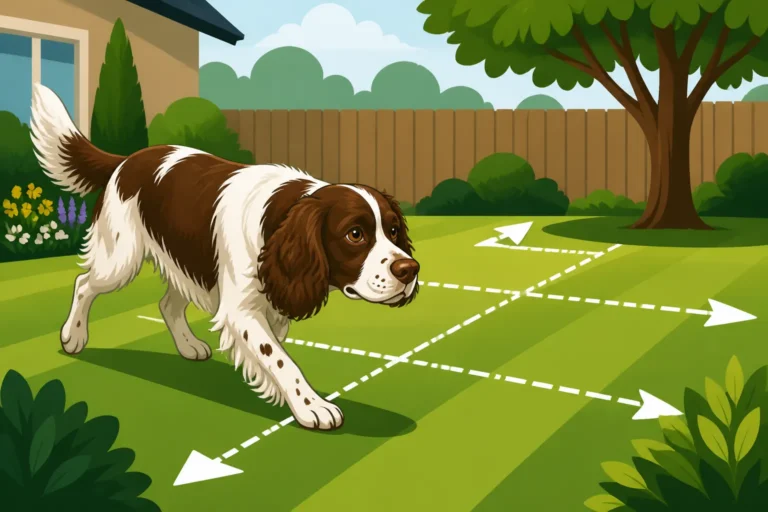
One of the most valuable skills you'll develop as a Springer Spaniel owner during house training is learning to read your puppy's subtle (and sometimes not-so-subtle) cues. Your puppy is constantly trying to communicate with you, even if you don't always understand at first. Common signs that your Springer Spaniel needs to go out include:
- Sniffing the ground intensely: This is often the first and most common sign. They're looking for a suitable spot.
- Circling: Similar to sniffing, they might walk in small circles, trying to find just the right patch of carpet or floor.
- Whining or barking: Some puppies will voice their need, especially if they've been ignored or if their usual signal isn't getting a response.
- Restlessness: Pacing, wandering to the door, or generally seeming agitated.
- Suddenly stopping play: A puppy deeply involved in a game that abruptly freezes or walks away might be about to relieve itself.
- Going to the door: This is the ultimate goal, and you'll eventually want to encourage this behavior with a bell.
The key here is observation. Spend the first few days shadowing your puppy, noting every time they sniff, circle, or shift their weight. The more quickly you identify these cues, the faster you can intervene and guide them to the appropriate outdoor spot, reinforcing the positive behavior. It requires a lot of vigilance, especially during the crucial first few weeks.
Setting Up for House Training Success
Successful house training isn't just about rushing your puppy outside. It's about creating an environment and a routine that sets your Springer Spaniel up to succeed, minimizing opportunities for accidents and maximizing chances for positive reinforcement.
Crate Training as a Foundation
For many Springer Spaniel owners, the crate becomes an indispensable tool in house training. Why? Because dogs are naturally den animals and instinctively do not want to soil their sleeping area. A crate, when used correctly, taps into this natural instinct. It provides a safe, comfortable space where your puppy feels secure, but more importantly, it limits their ability to wander off and have an accident unnoticed.
When choosing a crate, make sure it's appropriately sized. Your Springer Spaniel puppy should have enough room to stand up, turn around, and lie down comfortably, but not so much space that they can designate a "bathroom" corner away from their sleeping area. Many crates come with dividers, which are fantastic for adjusting the size as your puppy grows. Introduce the crate positively with treats and toys, never as punishment. Your puppy should see it as their private, cozy haven. For more on this, check out Whether a Springer Spaniel Puppy Should Be Crated. A well-chosen crate from a retailer like Amazon, perhaps one with a soft bed and a few favorite toys, can make a huge difference in those early house training days.
Establishing a Consistent Schedule
Consistency is absolutely non-negotiable in house training a Springer Spaniel. Puppies thrive on routine, and a predictable schedule helps them learn when and where they are expected to go. Here’s how to build one:
- Wake Up/First Thing Out: The moment your puppy wakes up, carry them outside to their designated potty spot. Bladders are full after sleep!
- After Eating/Drinking: Within 5-15 minutes of finishing a meal or a big drink of water, your puppy will likely need to go.
- After Play Sessions: High-energy play stimulates bowels and bladders. Take them out immediately after a vigorous play session.
- After Naps: Just like waking up in the morning, waking from any nap requires an immediate trip outside.
- Before Bedtime: A final potty break right before you tuck them in for the night is essential.
- Hourly Check-ins (or more often): Especially for very young puppies, aim for hourly trips outside, even if they haven't given clear signals. It's better to be safe than sorry.
It helps to write down your schedule initially. Track feeding times, potty breaks, and any accidents. This allows you to identify patterns and fine-tune your routine. Remember, your Springer Spaniel puppy is a creature of habit, and creating this predictable rhythm dramatically increases their chances of success.
Designating a Potty Spot
This might seem trivial, but having a consistent outdoor potty spot can significantly speed up house training. When you take your puppy to the same area every time, they start to associate that specific smell and location with relieving themselves. This familiarity helps trigger the "go" response.
Choose a quiet, accessible spot in your yard that you can easily clean. Take your puppy directly to this spot on a leash, even if you have a fenced yard. The leash helps keep them focused on the task at hand rather than getting distracted by every leaf and squirrel. When they do their business in this spot, shower them with praise and perhaps a high-value treat. Avoid turning it into playtime until after they've done their business. The goal is to make the potty spot a place of immediate business and positive reinforcement. If your Springer Spaniel is easily distracted, like when they ignore you on a scent (Why a Springer Spaniel Ignores You on a Scent), keeping them on a short leash in a designated, less stimulating area can be especially helpful.
The House Training Process: Step-by-Step
Now that you've got the foundation laid, let's get into the nitty-gritty of the actual house training process. It's all about repetition, patience, and clear communication.
Taking Your Puppy Out
Every time you take your Springer Spaniel puppy out for a potty break, follow these steps:
- Leash Up: Always put your puppy on a leash and guide them directly to their designated potty spot. This prevents them from wandering and getting distracted.
- Use a Potty Cue: As they start to relieve themselves, quietly use a consistent verbal cue like "Go potty," "Get busy," or "Hurry up." This associates the phrase with the act, which can be incredibly useful for future command-based potty breaks, especially in unfamiliar places.
- Praise Immediately: The moment your puppy finishes, praise them enthusiastically! "Good potty!" or "Yes!" delivered with genuine excitement, along with a special treat, reinforces that they've done the right thing in the right place. The timing of this praise is critical – it needs to happen during or immediately after the act, not five minutes later when they're sniffing a bush.
- Supervise Indoors: After they've done their business outside, bring them back in. If you can't actively supervise them (eyes on them, even if you're doing something else), they should be in their crate or a puppy-proofed, confined area with you. This prevents sneaky accidents.
- Extend Time Gradually: As your puppy gets older and more reliable, you can gradually extend the time between potty breaks. For a typical Springer Spaniel, this means slowly moving from hourly breaks to every 2-3 hours during the day, and eventually, through the night. Be realistic – Whether a Springer Spaniel Can Be Left Eight Hours is a major milestone that takes time to achieve, usually not until they are much older and fully house-trained.
Handling Accidents Indoors
Accidents will happen. No puppy is perfectly house trained from day one, and even fully trained dogs can have an off day. How you react to an indoor accident is incredibly important:
- No Punishment: Never, ever punish your Springer Spaniel for an accident. They don't understand why they're being punished, only that you're angry. This can lead to them becoming fearful of you, hiding their accidents, or even eating their waste to hide the evidence, making house training much harder. If you catch them in the act, a sharp "Ah-ah!" or clap can interrupt them. Immediately pick them up (or guide them) and rush them outside to their potty spot. If they finish outside, praise them.
- Clean Thoroughly: Puppy urine and feces leave behind scents that can attract your Springer Spaniel back to the same spot. Use an enzymatic cleaner (you can find many effective options on Amazon) specifically designed to neutralize pet odors. Standard household cleaners might mask the smell to your nose, but your dog's sensitive nose can still detect it. Failing to clean thoroughly can lead to repeated accidents in the same spot, creating a difficult habit to break.
- Reflect and Adjust: An accident is almost always a human error in supervision, timing, or routine. Ask yourself: Was it too long between breaks? Was I distracted? Did I miss their cues? Use accidents as learning opportunities to tighten up your routine.
Moving Beyond Puppy Pads (If Used)
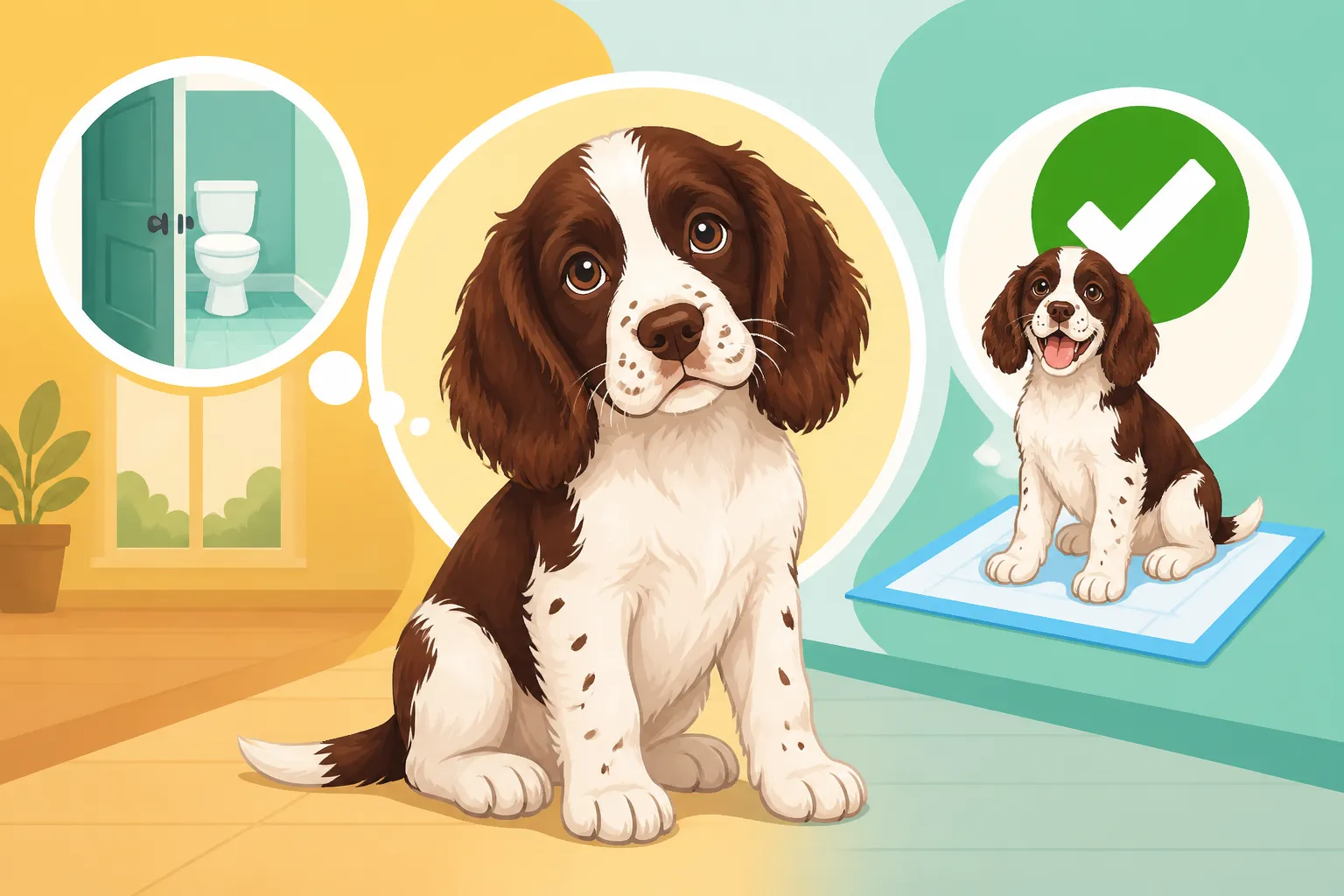
Puppy pads can be a double-edged sword. For some owners, especially those in apartments or with very young puppies, they offer a temporary solution. However, they can also prolong the house training process, as they teach your Springer Spaniel that it's okay to relieve themselves inside the house. This makes the transition to exclusively outdoor potty breaks more challenging.
If you've used puppy pads, here's how to transition away:
- Gradual Movement: Slowly move the pad closer and closer to the door over several days.
- Outside First: Take your puppy out before offering the pad. Reinforce outdoor potty breaks heavily.
- Decrease Pad Size: Once the pad is near the door, start cutting it down in size.
- Remove: Eventually, remove the pad entirely and rely solely on outdoor trips.
- Be Prepared for Setbacks: This transition can be confusing for some puppies, so be extra vigilant during this period.
It's generally easier to forgo pads altogether if possible and jump straight to outdoor training. This avoids the confusion of teaching them "inside is sometimes okay, but only here, but eventually not at all."
Common House Training Challenges and Solutions
House training isn't always a smooth, linear path. You'll likely encounter bumps along the way. Understanding these common challenges can help you navigate them effectively.
Submissive and Excitement Urination
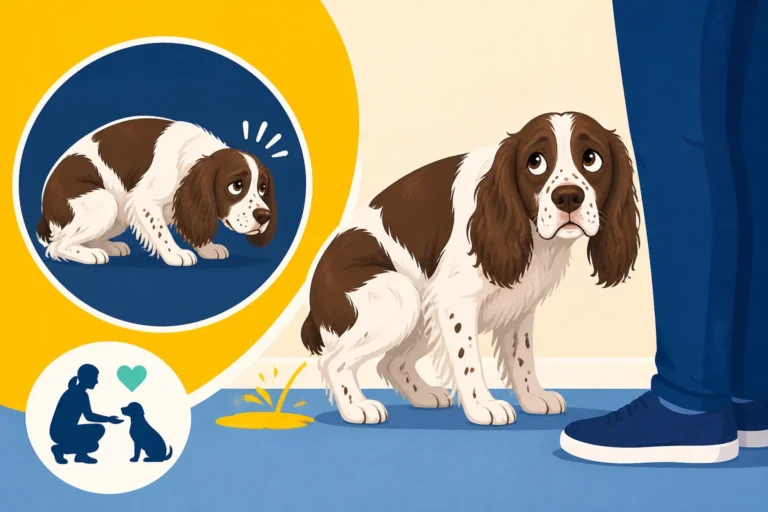
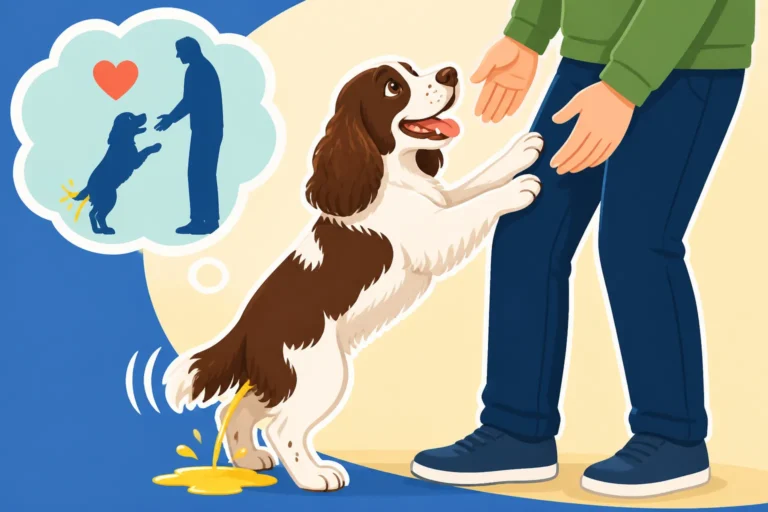
This is a behavior often confused with poor house training, but it's fundamentally different. Why a Springer Spaniel Pees When Greeted is a perfect example of how this can manifest. Submissive urination occurs when a puppy feels intimidated, unsure, or is showing deference, often when being approached by a perceived authority figure (like a human) or another dog. Excitement urination happens when a puppy simply can't contain themselves due to overwhelming joy or stimulation, like when you arrive home after being away.
Here's how to manage these behaviors:
- Minimize Triggers: For submissive urination, avoid towering over your puppy, making direct eye contact, or using loud voices. Approach them slowly, get down to their level, and offer a gentle hand for sniffing. For excitement urination, keep greetings calm and low-key.
- Ignore the Act: If an accident occurs due to submission or excitement, simply clean it up calmly with an enzymatic cleaner. Do not scold or react strongly, as this can worsen the behavior. Remember, Whether Ignoring a Springer Spaniel Stops the Puddles is often the best approach for these specific types of accidents, as a reaction only adds to their stress or excitement.
- Build Confidence: Gradually introduce your puppy to new people and situations in a positive, controlled way. Enroll in a well-run puppy class (like those recommended by BAXTER & Bella) to help build their confidence and social skills. This can help them learn to manage their emotions better.
- Potty First: Take your puppy outside to potty right before any potentially exciting or stimulating event, like guests arriving or your return home. A mostly empty bladder is less likely to leak!
Regression and Setbacks
Just when you think your Springer Spaniel has it all figured out, they might start having accidents again. This "regression" is normal and can happen for several reasons:
- Developmental Stages: Adolescence (around 6-12 months) can bring a temporary lapse in good habits as puppies test boundaries and their hormones begin to surge. Their brains are still developing, and sometimes they just "forget" what they know.
- Changes in Routine: Any significant change—a new family member, a move, a shift in your work schedule—can cause stress and disrupt their established routine, leading to accidents.
- Medical Issues: Always rule out medical causes first. A sudden increase in accidents could indicate a urinary tract infection, bladder stones, or other health problems. A vet visit is crucial to eliminate these possibilities.
- Lack of Supervision: As puppies get older, we sometimes become complacent about supervision. A lapse in vigilance can quickly lead to an accident and re-establish a bad habit.
When regression occurs, the best approach is to go back to basics. Treat your Springer Spaniel like a brand-new puppy again:
- Increase frequency of potty breaks.
- Increase supervision (leash them to you indoors if necessary).
- Reinforce successful outdoor potties with high-value treats and praise.
- Revisit crate training principles if they've been given more freedom.
The "Holds It In" Puppy
Some puppies, particularly intelligent or sensitive Springer Spaniels, might learn to hold their bladder for extended periods while outside, only to relieve themselves the moment they come back indoors. This can be incredibly frustrating!
Reasons for this behavior can include:
- Distraction: The outdoor environment is simply too exciting! Every scent, sound, and movement pulls their attention away from the task at hand. Your Springer Spaniel's powerful nose can easily override their other senses, as explored in Whether a Springer Spaniel's Nose Overrides Its Ears.
- Fear/Discomfort: They might be uncomfortable with the weather, an unfamiliar noise, or a perceived threat outside.
- Learned Behavior: If they were accidentally punished for an indoor accident, they might now associate going potty in front of you (even outside) with negativity.
Solutions for the "holds it in" puppy:
- Minimize Distractions: Take them to a boring, quiet part of the yard. Keep them on a short leash to prevent wandering. Don't engage in play until after they've pottied.
- Stay Out Longer: Be prepared to wait. Sometimes it takes 15-20 minutes or more. Dress for the weather and be patient.
- "Potty Dance" Ritual: Walk a small, consistent circle in their potty spot. The movement can sometimes stimulate the urge to go.
- Observe and Reward: When they finally do go outside, make it the biggest party ever! Treats, praise, excited voice. Make it clear this is the best thing ever.
- Crate Immediately: If they refuse to go outside, bring them back in and immediately put them in their crate for 10-15 minutes. Then, take them back out to try again. This cycle teaches them that refusing to go outside means more crate time, not freedom indoors.
How Long Does It Really Take? Realistic Expectations
This is the burning question for every new puppy owner, and the honest answer is: it varies! There's no one-size-fits-all timeline, but we can talk about realistic expectations for your Springer Spaniel.
Factors Influencing Training Time
Several factors play a significant role in how quickly your Springer Spaniel puppy becomes reliably house trained:
- Age: Younger puppies have less bladder control and need more frequent breaks. An 8-week-old will take longer than a 5-month-old.
- Individual Puppy: Just like people, some puppies grasp concepts faster than others. Some Springer Spaniels are quick learners, while others need more repetition.
- Owner Consistency: This is perhaps the biggest factor. Owners who are highly consistent with schedules, supervision, and positive reinforcement will see faster results. Inconsistent owners will inevitably face a longer, more frustrating journey.
- Previous Environment: If your puppy came from a breeder who started house training or kept a very clean whelping area, they might have a head start. If they came from an environment where they were allowed to soil their living space, it might take longer to reverse those habits.
- Living Situation: Owners in apartments may find it slightly more challenging than those with immediate yard access, simply due to the added time it takes to get outside.
The Typical Timeline for a Springer Spaniel
Generally, a Springer Spaniel puppy can become reliably house trained between 4 to 6 months of age, if you are highly consistent and diligent. Some might get it as early as 3 months, while others might take closer to 8 or 9 months, especially if there have been setbacks or inconsistencies.
Here's a rough breakdown:
| Age of Springer Spaniel Puppy | Typical Bladder Control (Awake) | House Training Status | Notes |
|---|---|---|---|
| 8-10 Weeks | 1-2 hours | Beginning | Very frequent breaks needed, high chance of accidents. |
| 10-12 Weeks | 2-3 hours | Learning | Starting to understand, but still many accidents if not supervised. |
| 3-4 Months | 3-4 hours | Progressing | Fewer accidents, better signaling, can hold it through some naps. |
| 4-6 Months | 4-5 hours | Mostly Reliable | Can go longer, good signaling, occasional accidents if routine slips. |
| 6+ Months | 6+ hours | Fully House Trained | Reliably holds it, signals consistently. |
Remember, these are averages. Your Springer Spaniel's journey may be unique. Don't compare your puppy to a friend's! Focus on your individual dog and their progress. The goal is consistent success, not lightning-fast results. You'll find that your puppy starts to settle down more broadly around The Age a Springer Spaniel Finally Settles, and often that coincides with a more reliable bladder too.
When Your Springer Spaniel is Truly House Trained
When can you breathe a sigh of relief and declare your Springer Spaniel fully house trained? It's not just about a week or two without accidents. True house training means:
- Consistent Signaling: Your dog consistently gives you a clear signal (going to the door, ringing a bell, barking) that they need to go out.
- Holds It for Appropriate Periods: They can comfortably hold their bladder and bowels for an age-appropriate amount of time, even when you're busy or distracted.
- No Accidents (Rarely): Accidents become a rare occurrence, usually only happening if they are unwell, extremely stressed, or if you've been negligent in getting them out.
- Reliable in New Environments: They understand that the rules apply in new places (e.g., visiting a friend's house) and will still signal to go outside.
This level of reliability usually takes several months of consistent effort. It's a marathon, not a sprint, but the reward of a clean house and a confident, well-adjusted Springer Spaniel is absolutely worth it.
Essential Tools and Resources
While house training is primarily about consistency and communication, having the right tools and knowing where to find support can make the process significantly smoother.
Must-Have Supplies
Equipping yourself with the right gear can prevent headaches and make clean-up a breeze.
- Crate: As discussed, a properly sized crate is invaluable. Look for one with a divider that can adjust as your Springer Spaniel puppy grows. Consider the type: wire crates offer good ventilation, while plastic crates can feel more den-like. You can find a wide range of options, often with customer reviews that highlight durability and ease of cleaning, on platforms like Amazon.
- Enzymatic Cleaner: This is non-negotiable for cleaning up accidents. Brands like Nature's Miracle or Rocco & Roxie Supply Co. are popular choices that effectively break down urine crystals and eliminate odors, preventing your puppy from being attracted back to the same spot. Stock up!
- Durable Leash and Collar/Harness: A comfortable, secure leash and collar or harness are essential for those frequent trips outside. For a Springer Spaniel puppy, a lightweight, easy-to-manage leash is best.
- High-Value Treats: Small, soft, incredibly tasty treats are your best friend for rewarding successful outdoor potty breaks. Think cooked chicken, cheese, or specialized training treats. Make them special – don't use the same kibble they eat every day.
- Potty Bells: Many owners find success teaching their Springer Spaniel to ring a bell by the door when they need to go out. This gives your puppy a clear, audible way to communicate their needs. You can buy these online or make your own.
Training Support and Online Programs
Sometimes, despite your best efforts, you might feel stuck or just need some extra guidance. Don't hesitate to seek support!
- Puppy Classes: Enrolling your Springer Spaniel puppy in a local puppy class is fantastic for socialization, basic obedience, and getting direct advice from a professional trainer. They can observe your puppy's behavior and offer tailored tips. While What a Springer Spaniel Puppy Class Costs can vary, the investment is often well worth it for the foundational skills and confidence it builds.
- Online Training Programs: For those who prefer to learn at their own pace or need more flexible options, online programs can be a lifesaver. Companies like BAXTER & Bella offer comprehensive online puppy training programs that cover everything from house training to obedience, often with live support and step-by-step video tutorials. These programs provide structured learning that can be incredibly beneficial for busy owners.
- Veterinarian Consultation: If you suspect a medical issue or are struggling with persistent accidents despite following all the rules, talk to your vet. They can rule out health problems and may even have recommendations for local trainers or behaviorists.
House training your Springer Spaniel puppy is a significant undertaking, but it's also one of the most rewarding steps in building a strong bond and a well-behaved companion. With patience, consistency, the right tools, and a realistic understanding of the process, you'll soon have a reliably house-trained Springer Spaniel who brings joy (and dry floors!) to your home.
Disclaimer
This article is for general informational purposes only and does not constitute professional advice. Laws, prices and regulations vary by location and change over time. Consult a qualified professional for guidance on your specific situation.