Why a Springer Spaniel Ignores You on a Scent
Oh, the sheer frustration of watching your beloved English Springer Spaniel put their nose to the ground, lock onto a scent, and completely, utterly, and infuriatingly ignore every single word, whistle, or desperate plea you utter! It's a tale as old as time for Springer owners, and if you've ever stood in a field shouting yourself hoarse while your dog becomes a furry, four-legged scent-detection missile, you know exactly the sinking feeling I'm talking about. This guide is for you – it's about understanding why this happens and what practical steps you can take to make sure your Springer still hears you, even when the call of the wild is screaming in their ears.
The Irresistible Call of Scent: A Springer's Primal Drive
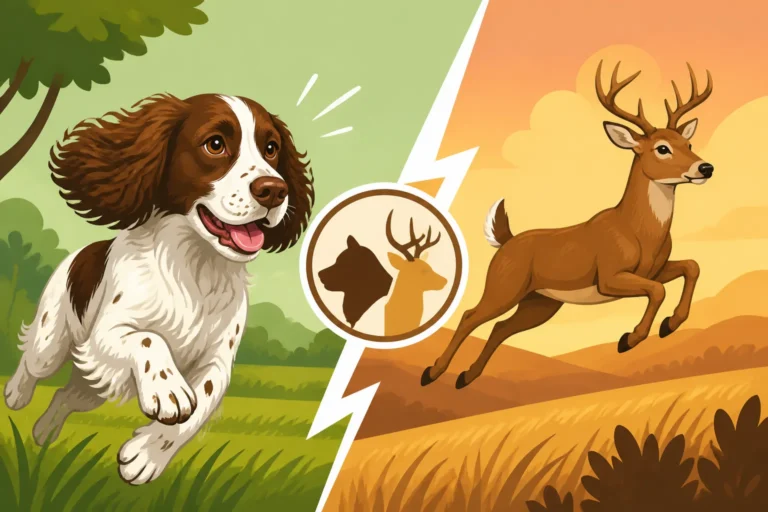
Let's be real: your Springer Spaniel isn't ignoring you out of malice. They're doing what they were bred for, often for centuries. Their entire being is hardwired for scent work, for quartering a field, and for "springing" game. When they lock onto a scent, it's not just a casual interest; it's an overwhelming, instinctual drive that can feel almost impossible for them to break away from. It's like asking a dedicated chef to ignore the most exquisite aroma wafting from a perfect dish – their focus is entirely consumed.
A Nose Designed for the Field
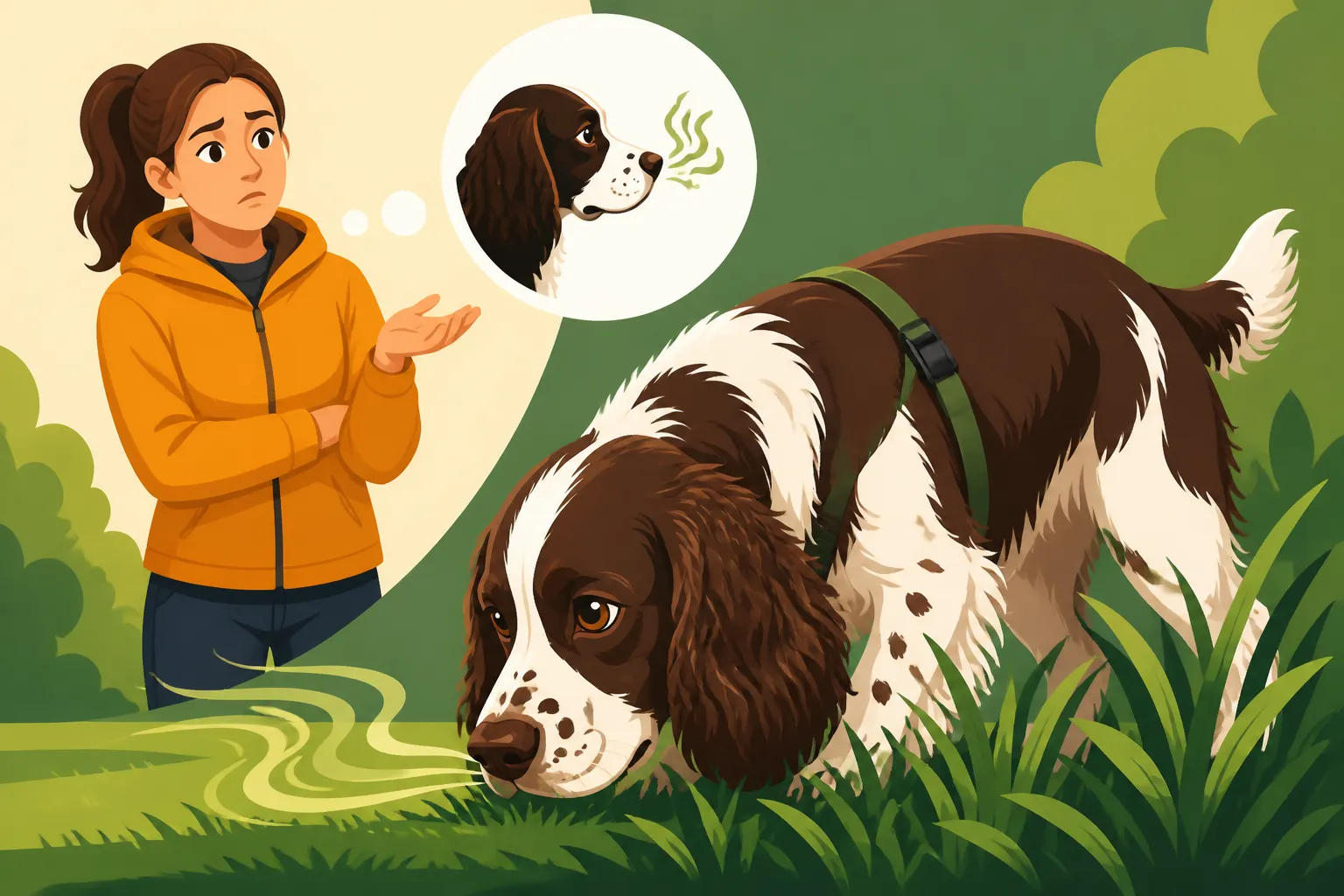
Think of your Springer's nose as a highly specialized, incredibly powerful instrument. It's not just for sniffing out dinner or greeting another dog. It's a finely tuned detection system, capable of processing an astounding amount of olfactory information. They don't just smell "a rabbit"; they smell which rabbit, how long ago it was there, which way it went, and probably even what it had for breakfast. Their nasal passages are filled with millions more olfactory receptors than ours, and a significant portion of their brain is dedicated solely to processing these smells.
This incredible olfactory ability is why they are so indispensable in hunting and why they excel in detection work. For a Springer, the world is a symphony of smells, and when a particularly strong or novel scent hits those receptors, it triggers an ancient cascade of instincts. Their body language changes: head down, tail often wagging in a low, determined arc, and those long ears, originally designed to help funnel scent towards the nose, become even more focused. This isn't naughtiness; it's pure, unadulterated breed purpose in action.
The Sensory Overload of a Scent Trail
Imagine walking into a bustling market. You hear conversations, music, street vendors, and then suddenly, someone starts yelling right next to you. You'd probably struggle to process all the sounds at once, right? For a Springer on a scent, it's a similar sensory overload, but with smells. When they're deeply engrossed in unraveling a scent trail, every other sensory input – including your voice – can be drowned out.
The scent itself isn't just one note; it's a complex tapestry. There are layers of old scent, new scent, the underlying scent of the soil, the flora, and countless other environmental factors. Their brain is working overtime to interpret all of this data, piecing together a story from invisible molecules. When they're in this state of deep concentration, their auditory processing takes a backseat. They might hear you in a physical sense, but their brain isn't prioritizing that sound over the overwhelming information coming through their nose. It's not that they choose to ignore you; it's that their primary focus is so utterly captivated and driven by instinct that your voice simply doesn't register as important enough to break the spell.
Genetic Predisposition vs. Training
The divide between the natural instincts of a Springer Spaniel and our human desire for obedience can feel like a chasm. These dogs were bred over generations to be independent thinkers when it came to following a scent. A gundog, after all, needs to be confident and driven to push through thick cover and flush game, even if it means momentarily losing sight or sound of their handler. This isn't a fault; it's a feature.
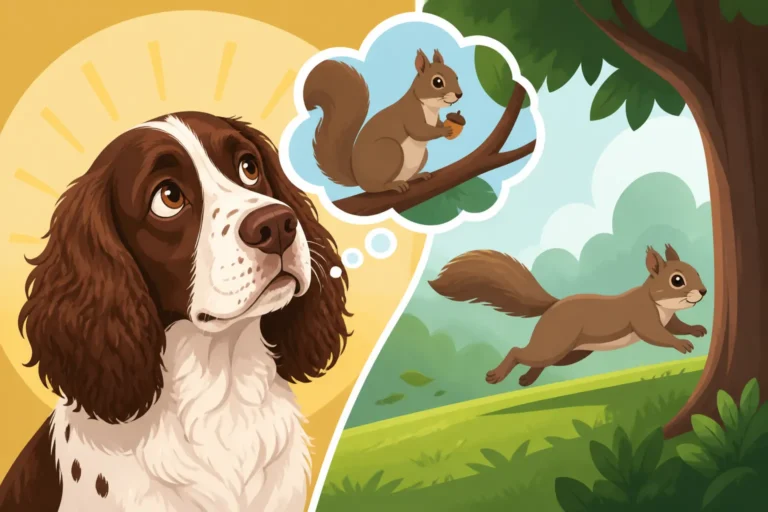
However, in a modern pet home, this "feature" can quickly become a serious safety concern. A Springer hot on the trail of a squirrel or rabbit isn't thinking about traffic, property lines, or that expensive bag of treats you have in your pocket. This is where training absolutely must step in to bridge the gap. We can't eliminate their genetic predisposition – nor would we want to, as it's part of what makes them such amazing dogs – but we can certainly teach them to toggle that drive when it's appropriate, and to recognize that your command trumps the scent when safety or good manners are on the line. It requires consistent, dedicated effort that respects their innate abilities while guiding them towards desired behaviors. It's a dance between nature and nurture, and it's a dance you'll likely be doing for your Springer's entire life.
Understanding the "Selective Hearing" Phenomenon
It’s often referred to as "selective hearing," and boy, doesn't it feel that way sometimes? You call their name in a clear, calm voice, nothing. You use your excited "come!" voice, still nothing. Then you shout, panic rising in your chest, and they might finally flick an ear, but their nose remains glued to the ground, pulling them further and further away. It's not that they suddenly went deaf; it's a complex interplay of instinct, environment, and learned behavior (or lack thereof).
The Strength of Distraction
Let's call a spade a spade: a fresh, tantalizing scent is one of the most potent distractions imaginable for a Springer Spaniel. It trumps almost everything else. Imagine you're engrossed in an incredibly thrilling movie, and someone keeps asking you mundane questions. You might hear them, but your brain is so focused on the film that their words just don't stick. For your Springer, that scent trail is their blockbuster movie, and your voice is just background noise, easily filtered out.
The strength of this distraction is compounded by the sheer sensory input. They're not just smelling; they might be digging, sniffing vigorously, occasionally vocalizing a low whine or grunt of excitement. Their entire physical and mental being is oriented towards that trail. Breaking that focus requires something even more compelling, something that truly competes with the primal reward of the chase or the satisfaction of deciphering the scent. Without that, their focus remains steadfastly on the ground, leaving you to feel like you're talking to a brick wall.
Prioritizing Instinct Over Instruction
Your Springer Spaniel isn't being disobedient in the human sense. They're being a spaniel. Their default programming, perfected over generations, tells them to follow that scent, to pursue that game. When you call them, you're essentially asking them to override that deep-seated instinct, which is a monumental task for a dog. It's a conflict within them: the desire to please you (or avoid a consequence) versus the overwhelming, self-rewarding drive of the hunt.
Without consistent, high-value reinforcement for coming when called in highly distracting environments, the instinct will almost always win. The immediate, intrinsic reward of following the scent far outweighs the delayed, less certain reward of returning to you. This is why it's so critical that our training makes us more rewarding and more compelling than any squirrel, rabbit, or deer track. We need to stack the deck in our favor, making the choice to return to us the most obvious and appealing option, even when every fiber of their being is screaming "chase!" You can read more about Why a Springer Spaniel Puts Its Nose to the Ground and Vanishes in our dedicated article.
The Role of Novelty and Intensity
Not all scents are created equal. A routine walk down a familiar path might have your Springer sniffing along politely. But introduce a novel scent – say, the fresh tracks of a deer that just passed through, or the lingering odor of a badger that's rarely seen – and the game changes entirely. Novelty amplifies the drive. It’s the thrill of the unknown, the puzzle to be solved, the new adventure. This heightened sense of excitement and discovery makes it even harder for them to disengage.
Similarly, the intensity of the scent plays a huge role. A strong, fresh scent trail, especially of an animal that's recently departed, is like a neon sign for your Springer. It's simply too loud, too clear, too inviting to ignore. This is often why they seem to suddenly "switch off" from you in particular areas or at certain times – they've hit a jackpot of scent information that completely overwhelms their capacity to focus on anything else. Recognizing these triggers can help you manage situations proactively, perhaps by keeping them on a long line in areas known for high wildlife activity.
Common Training Gaps That Worsen the Problem
It's easy to blame the dog when they ignore us, but often, the foundation of the problem lies in our training methods (or lack thereof). No one sets out to have a dog with a spotty recall, but subtle inconsistencies and oversights in training can truly undermine our efforts, especially with a breed as scent-driven as a Springer Spaniel.
Inconsistent Recall Training
This is probably the biggest culprit. We often practice recall in low-distraction environments – the living room, a quiet backyard – and then expect it to hold up when our Springer is faced with the ultimate distraction of a hot scent. The truth is, recall needs to be practiced everywhere, in every condition, and every single time you call them, they need to come.
If you sometimes call your dog and then scold them for something they did before coming, or if you call them just to clip on the leash and end the fun, you're inadvertently poisoning your recall. Your dog learns that "come" can sometimes mean something unpleasant or the end of a good time. Instead, "come" should always be a positive, high-reward experience. This means practicing in progressively more distracting environments, always using top-tier treats or toys as rewards, and sometimes even calling them, rewarding them, and then immediately releasing them back to play. This builds a powerful association: "coming to my human means awesome things happen!"
Another common mistake is calling your Springer multiple times. If you say "Fido, come!" and they don't respond, and then you repeat it, you're teaching them that the first (or second, or third) command is optional. Wait until they respond to the first clear command before repeating, or go get them if they don't. For a deep dive into this, check out our guide on Whether a Springer Spaniel's Recall Can Be Trusted.
Insufficient High-Value Rewards
When you're competing with the thrill of a chase or the sheer joy of following a scent trail, a boring piece of kibble just isn't going to cut it. Your Springer Spaniel needs to perceive that returning to you offers a better reward than whatever captivating scent they're currently sniffing. This means breaking out the big guns: tiny pieces of cooked chicken, cheese, hot dogs, or a squeaky toy they absolutely adore.
The reward should be immediate and generous. When they come, it should be like hitting the jackpot. Don't just give one tiny treat; offer a rapid succession of treats (a "jackpot" reward), accompanied by enthusiastic praise and petting. This creates an incredibly strong positive association with coming when called, elevating your presence and your commands above all other distractions. Without this level of reward, especially in the early stages of proofing recall in high-distraction environments, you're asking your Springer to choose a lesser prize, and their instincts will naturally opt for the more exciting option on the ground.
Lack of Proofing in Diverse Environments
Many owners make the mistake of assuming that once their dog has a reliable recall in the park, it's good everywhere. Not so for a Springer! "Proofing" means practicing a behavior in every conceivable environment, with increasing levels of distraction. If your Springer comes reliably in an open field with no scent, great. Now, try it near a patch of woods, then near a pond where ducks might have been, then in an area known for deer tracks.
Each new environment and each new level of distraction needs to be treated as a new challenge, starting with lower expectations and building up. Use a long line for safety during these sessions. This methodical approach is crucial. If you jump straight from your quiet backyard to a game-rich forest and expect perfection, you're setting your Springer up to fail, and each failure weakens their understanding and reliability. You have to teach them that "come" means "come, no matter what awesome smell is around me," and that takes systematic, thoughtful practice in diverse settings. Online training programs like those offered by BAXTER & Bella can provide structured courses to help with this progressive proofing, guiding you through the steps to strengthen recall in varied situations.
Strategies to Re-Engage Your Springer on Scent
Okay, so we understand why they do it. Now, what do we do about it? Re-engaging a Springer Spaniel when they're locked onto a scent requires a multi-faceted approach, combining robust training techniques, smart management tools, and a deep understanding of their innate drives. It's about building a connection that's stronger than any distraction.
Building an Iron-Clad Recall Foundation
An iron-clad recall isn't just a command; it's a relationship built on trust and consistent positive reinforcement. It needs to start in low-distraction environments, making sure your Springer understands exactly what "come" means. Use a unique, happy-sounding word or whistle for recall – not just their name. This distinctive sound cuts through other noises and signals something important. Many gundog handlers swear by Whistle Work: The Language a Springer Spaniel Learns to communicate over distances.
Once they're reliable indoors, gradually introduce distractions. Begin in a fenced yard, then a quiet park, always on a long line initially. Use only the most delectable treats or their favorite toy as a reward. When they come, don't just give the reward and walk away; make a fuss, praise them, and then sometimes release them back to sniff. This teaches them that coming to you doesn't always mean the fun is over. It reinforces the idea that you are the source of all good things, even when there are tempting scents around. This consistent, positive association will slowly but surely build a recall that can withstand the siren call of a scent.
Using Long Lines and GPS Tracking
Until your recall is genuinely bulletproof in every scenario, managing your Springer's freedom responsibly is paramount. This is where tools like long lines and GPS collars become indispensable. A long line, ranging from 15 to 50 feet, allows your dog to explore and follow scents while still giving you control. You can step on the line if they ignore your call, preventing them from vanishing completely and allowing you to calmly reel them in to reinforce the recall. It's a bridge between leash walking and off-leash freedom, ensuring safety while you train. You can find a good selection of durable long lines on Amazon, suitable for active breeds like Springers.
For those times when your Springer does manage to get away on a scent, or for extra peace of mind during off-leash training in open spaces, a GPS tracking collar is a game-changer. These devices allow you to pinpoint your dog's location in real-time, greatly increasing your chances of finding them quickly. This removes some of the anxiety associated with a Springer's powerful nose leading them astray and can save them from dangerous situations like busy roads or getting lost. You can also refer to Whether a Springer Spaniel Should Wear a GPS Collar for more information.
Scent Work as a Training Tool
This might sound counterintuitive – more scent work? But hear me out: channeling your Springer's natural drive into structured, rewarding scent work can actually improve their focus and responsiveness to you, even when other scents are present. By teaching them specific scent detection tasks (like finding hidden treats or designated articles), you're teaching them to engage their nose on command and to check in with you for direction.
This transforms their impulsive scent following into a partnership. They learn that while following a scent is fun, doing it with you and for a specific purpose is even better and comes with rewards. This type of controlled scent work can be done in a variety of environments, gradually introducing distractions while always maintaining your role as the guide and ultimate reward source. It helps them understand that their incredible nose is a tool you can use together, rather than a force that pulls them away from you. Plus, it's a fantastic mental workout that can tire them out as much as physical exercise, leading to a calmer, more attentive dog. For more ideas on constructive sniffing, see Whether Scent Games Tire a Springer Spaniel.
Managing Expectations and Embracing the Breed's Nature
It’s crucial to remember that you own a Springer Spaniel, a dog explicitly bred for hunting with an unmatched nose and boundless enthusiasm. You can train them, manage them, and channel their instincts, but you can’t fundamentally change who they are. Managing your expectations and embracing their scent-driven nature is key to a happy, harmonious life together.
The Ongoing Commitment to Training
Training a Springer Spaniel isn't a one-and-done deal. Their powerful drives mean that consistency and ongoing reinforcement are absolutely vital throughout their lives. Just like an athlete needs to maintain their conditioning, your Springer needs regular "tune-ups" for their recall and other critical commands, especially in the face of enticing scents.
This means continuing to use high-value rewards for coming when called, even when they're adults. It means periodically practicing in new, challenging environments, and always being prepared to manage situations with a long line or a quick leash-up if the distraction is too great. Think of it as a lifelong conversation: you're constantly reminding them that you are their leader, their partner, and the source of all security and good things, even when the world smells unbelievably exciting. This sustained effort helps reinforce that your connection is stronger than any passing rabbit scent.
Safety First: Preventing the Chase
Ultimately, the most important thing is your Springer's safety. If you know you're in an area with a high likelihood of deer, rabbits, or other enticing wildlife, and your dog's recall isn't 100% bomb-proof in those specific conditions, then proactive management is the only responsible choice. This might mean keeping them on a leash, or a long line, or choosing a different, more secure location for off-leash exercise. It’s far better to prevent a dangerous chase than to try to fix it once it's already happening.
Consider the environment you're in. Are there roads nearby? Other dogs? Potential hazards? How Far a Springer Spaniel Will Go on a Scent can be surprisingly far, putting them in harm's way before you even realize it. A brief moment of excitement can turn into a frantic search or worse. Always carry extra-high-value treats, a reliable whistle, and your phone (with your GPS collar app open if you use one). Your vigilance is their first line of defense against their own powerful instincts.
Finding Balance in a Scent-Driven World
Living with a Springer Spaniel means finding a balance between allowing them to express their natural behaviors and ensuring they are well-behaved and safe members of society. Provide ample opportunities for them to use their incredible noses in safe, controlled ways. Engage them in hide-and-seek games, scatter their kibble in the yard, or explore local sniffer dog classes. This allows them to satisfy that innate drive without the risks associated with unchecked pursuit.
Embrace their enthusiasm! Their joy in following a scent is infectious, and it's a beautiful thing to witness a dog so utterly fulfilled by their purpose. By understanding their motivations, being diligent with training, and using smart management tools, you can enjoy the incredible companion that a Springer Spaniel is, celebrating their unique abilities while confidently knowing they'll still come back to you, even when the call of the wild is strong. It's a journey, not a destination, but a profoundly rewarding one with these incredible dogs.
| Training Element | Description | Why It Helps with Scent Distraction | Key Considerations |
|---|---|---|---|
| High-Value Rewards | Treats like cooked chicken, cheese, hot dogs; favorite squeaky toys. | Makes returning to you more appealing than the scent itself. Overrides primal reward. | Must be truly high-value to your dog; rotate to maintain novelty. |
| Long Line Training | 15-50 ft leash for supervised freedom. | Allows sniffing/exploration while maintaining physical control to prevent escape and reinforce recall. | Ensure line is not tangled or a tripping hazard. Gradual release of length. |
| Whistle Recall | Training a distinct whistle sound for "come." | Cuts through environmental noise better than voice; less emotional tone than shouting. | Requires consistent pairing with rewards; ensure whistle carries well. |
| Scent Work (Controlled) | Teaching specific search/find games for treats or articles. | Channels natural drive, teaches focus on command, and reinforces partnership in scenting. | Start simple, gradually increase complexity and distraction; always reward success. |
| GPS Tracking Collar | Device worn by dog that tracks real-time location. | Provides peace of mind and assists in locating a dog that has gone off-trail on a scent. | Not a substitute for training; needs good battery life and reliable signal. |
| Proofing Recall | Practicing recall in progressively more distracting and varied environments. | Generalizes the "come" command so it's reliable regardless of location or ambient scents. | Introduce distractions slowly; maintain high success rate with strong rewards. |
Disclaimer
This article is for general informational purposes only and does not constitute professional advice. Laws, prices and regulations vary by location and change over time. Consult a qualified professional for guidance on your specific situation.