Whether Insurance Excludes a Springer Spaniel’s Eyes
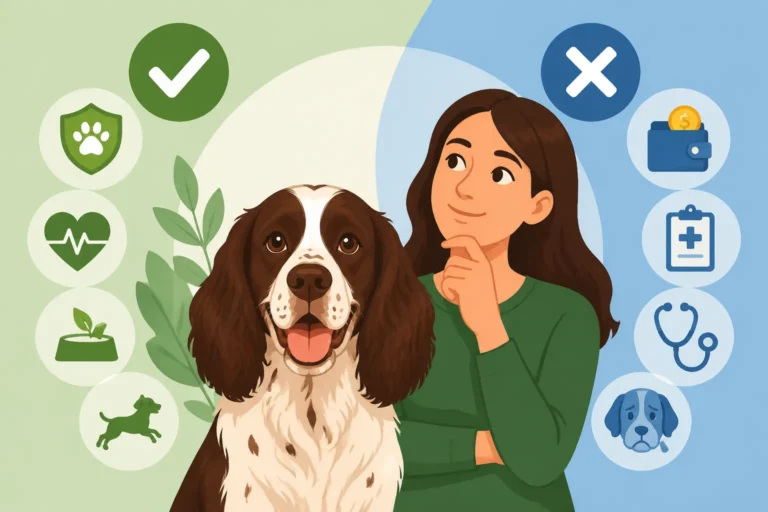
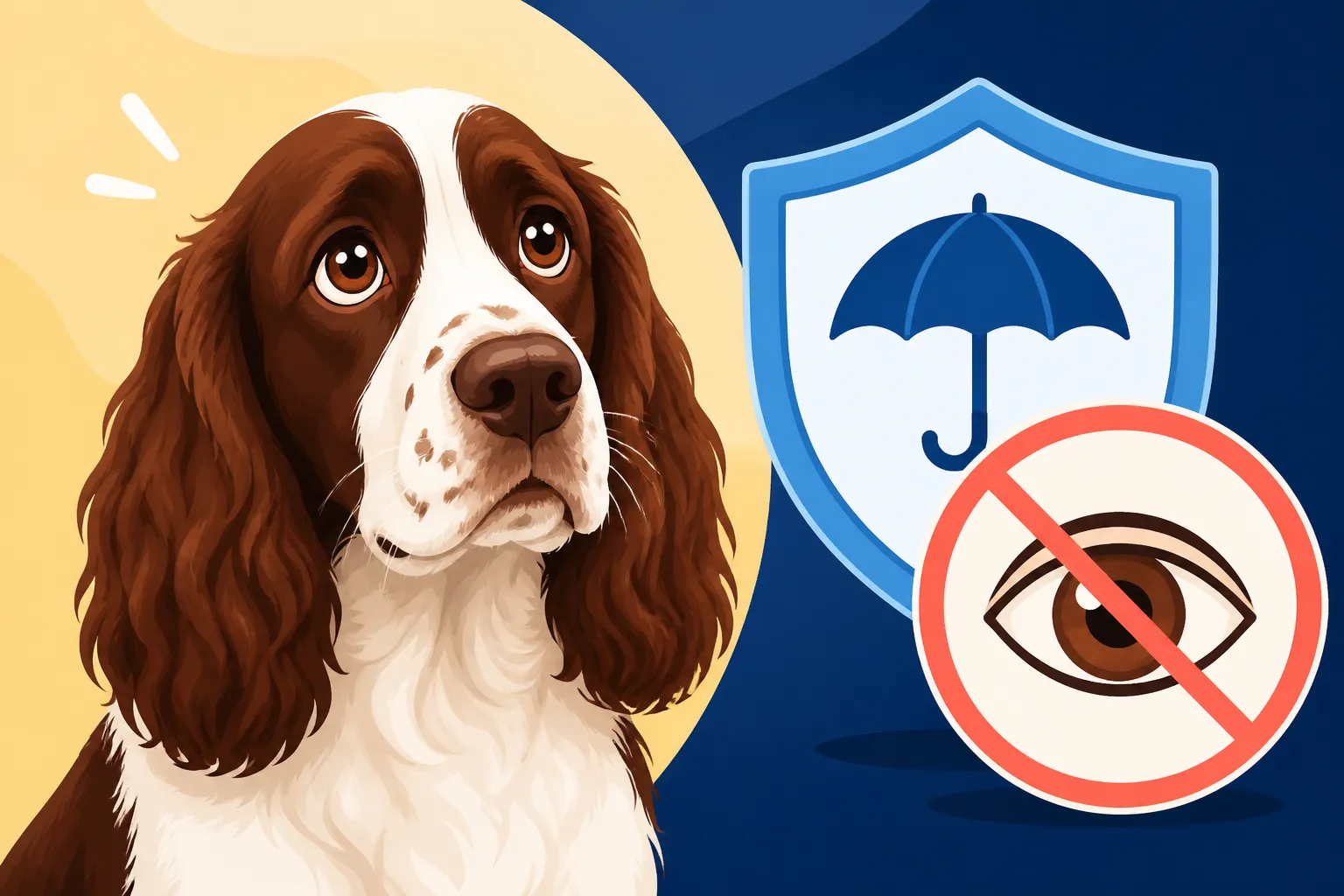
One of the biggest worries for any Springer Spaniel owner is the potential for unexpected vet bills, especially when it comes to common breed-specific health issues like eye problems. It's truly heartbreaking to see your beloved companion in discomfort, and the financial stress of treatment can feel overwhelming. This guide is here to help you navigate the often-confusing world of pet insurance, specifically addressing whether those crucial eye conditions in your Springer Spaniel are actually covered and what you need to look out for in a policy.
Understanding Pet Insurance and Pre-Existing Conditions
The world of pet insurance can feel like a maze, full of jargon and fine print that makes you want to pull your hair out. But understanding the core concepts, especially around pre-existing conditions, is absolutely vital, particularly when you’re thinking about those sensitive Springer Spaniel eyes. Many owners assume that once they get a policy, everything is covered, but that’s not always the case, and this misunderstanding can lead to immense frustration and unexpected costs down the line.
What Counts as a Pre-Existing Condition?
The term "pre-existing condition" is perhaps the most misunderstood and frustrating aspect of pet insurance. In simple terms, it refers to any illness or injury your Springer Spaniel had before your insurance policy began, or before the waiting period for a specific condition ended. This doesn't just mean a formal diagnosis from a vet; it can also include signs or symptoms that were noted in your dog's medical records, even if a definitive diagnosis hadn't been made yet. It’s about when the problem first manifested or was observed, not just when the vet officially put a name to it.
For instance, if your Springer Spaniel had watery eyes, squinting, or a cloudy lens noted by your vet before you signed up for a policy or completed the waiting period, and later those symptoms escalated into a diagnosis of glaucoma, the insurance company might consider the glaucoma a pre-existing condition. Even something as subtle as "mild redness in left eye" could, in theory, be used to deny coverage for a later, more severe eye issue. This is why thorough vet records are so important, both for you to understand and for the insurance company to assess, and why a clear bill of health before enrollment is paramount.
This can be incredibly frustrating for owners. You might only realize the severity of an issue later, but if those early, subtle signs were documented, it can impact coverage. It's a tough lesson many learn the hard way, feeling like they've done everything right by getting insurance, only to find a crucial condition isn't covered because of a past visit they barely remember. This often leads to feelings of betrayal, making you question the value of insurance altogether. Always be upfront and review your pet's full medical history before committing to a plan, and if you have any doubts, discuss them directly with the insurer.
The Importance of Early Enrollment
This brings us to the golden rule of pet insurance: enroll your Springer Spaniel as early as possible. When your puppy is young and ideally free of any health concerns, that’s the prime time to secure a policy. By doing so, you minimize the chances of any conditions being deemed pre-existing down the line. Imagine bringing home a vibrant Springer puppy, full of boundless energy and curiosity, and getting them insured right away. Every sniffle, every minor stumble, every developing characteristic will likely be covered as a new condition, provided it isn't during an initial waiting period that applies to all new policies.
Waiting until your Springer Spaniel shows signs of a problem, even if it's something as seemingly minor as a persistent eye discharge or a slight cloudiness in their vision, can jeopardize your chances of getting that particular issue covered. Insurance companies are in the business of assessing risk, and if a condition is already brewing, they're less likely to cover it. It’s like trying to buy car insurance after you’ve already had an accident; it just doesn't work that way for existing damage or conditions that have already presented symptoms.
Think of it as an investment in your Springer Spaniel's long-term health and your peace of mind. While it might seem like an extra expense when your puppy is bouncing off the walls, it can be a lifesaver years later when those breed-specific issues, like certain eye conditions, are more likely to appear. Proactive enrollment can literally save you thousands of dollars and countless hours of worry down the road, ensuring your dog gets the best possible care without you having to second-guess the cost of crucial diagnostics or treatments. You might also find that Whether Insuring a Springer Spaniel Puppy Early Is Cheaper can be a real advantage, as premiums tend to increase with age.
Common Springer Spaniel Eye Conditions and Insurance Coverage
Springer Spaniels, with their expressive, soulful eyes, are unfortunately prone to a few specific eye conditions. As an owner, it's vital to be aware of these, not just for your dog's health, but also to understand how they might interact with your pet insurance policy. The good news is that if these conditions develop after your policy is in force and past any waiting periods, most comprehensive plans should offer coverage, but there are nuances to consider.
Glaucoma and its Insurance Implications
Glaucoma is a painful and devastating eye condition that Springer Spaniels, sadly, can be predisposed to, particularly Primary Glaucoma. It's characterized by increased pressure within the eye, which can lead to rapid vision loss and even require eye removal if not managed aggressively and quickly. The onset can be sudden and incredibly distressing, often presenting as an emergency. If your Springer Spaniel suddenly starts showing signs like a dilated pupil, a cloudy or blue appearance to the eye, severe pain (manifesting as pawing at the eye, rubbing their face, or being withdrawn), it’s an urgent situation that needs immediate veterinary attention.
From an insurance perspective, coverage for glaucoma largely hinges on whether it's considered primary or secondary, and crucially, when the first signs appeared. If your dog is diagnosed with primary glaucoma, meaning it's an inherited predisposition, and the first eye shows symptoms after your waiting period and without any prior indications, then most comprehensive pet insurance policies should cover it. However, many policies consider glaucoma a "bilateral condition," meaning if one eye develops it, the other eye is often considered genetically predisposed and might not be covered if it develops later. This can be a huge shock for owners, so it's vital to check your policy's stance on How Primary Glaucoma Blinds a Springer Spaniel and bilateral conditions. Many owners have faced heart-wrenching decisions over this exact clause.
If, on the other hand, the glaucoma is secondary to another condition, like an injury, tumor, or another eye disease, then the coverage might depend on whether that underlying condition was covered. It gets complicated quickly, which is why understanding the nuances of your policy is so important. You might think you're fully covered, only to find a critical exclusion when you're at your most vulnerable, trying to get treatment for Primary Glaucoma and the Springer Spaniel That Loses an Eye. It's worth a specific call to your insurance provider to clarify how they handle primary glaucoma in your specific breed, especially given its prevalence in Springers.
Progressive Retinal Atrophy PRA and Coverage
Progressive Retinal Atrophy, or PRA, is another inherited eye disease that can affect Springer Spaniels, leading to gradual blindness. It’s a heartbreaking condition where the photoreceptor cells in the retina slowly degenerate, eventually rendering your dog completely blind. The signs often start subtly with night blindness, progressing to difficulty seeing in all light conditions. It's typically diagnosed through an ophthalmic exam, sometimes combined with genetic testing. Owners often report their dogs bumping into things in dim light first, or being hesitant to navigate familiar spaces after dark, gradually losing confidence in their environment.
Because PRA is hereditary, its insurance coverage often comes down to the timing of your policy and any genetic testing that may have been done. If a DNA test for PRA was done before enrollment or during the waiting period and indicated your dog was at risk, or if early symptoms were noted, it could be deemed pre-existing. However, if your Springer Spaniel was insured as a healthy puppy and developed PRA later in life with no prior clinical signs, a good policy should cover the diagnostic tests and supportive care, like regular ophthalmic check-ups to monitor progression. This is where early enrollment is key to avoid exclusions based on pre-existing genetic predispositions for conditions like Progressive Retinal Atrophy in a Springer Spaniel.
It's a frustrating reality that many genetic conditions, while not immediately apparent in puppies, can emerge later and then be viewed through the lens of a pre-existing condition if not managed properly with early insurance. Some pet insurance providers, like Healthy Paws, are known for their comprehensive accident and illness plans, but even with those, the timing of enrollment in relation to a genetic diagnosis is paramount. Always check what specific genetic conditions are covered and under what circumstances, and ideally, choose a breeder who conducts The Health Tests Both Springer Spaniel Parents Should Have.
Cataracts, Entropion, and Retinal Dysplasia
Beyond glaucoma and PRA, Springer Spaniels can also be prone to other eye conditions, each with its own insurance considerations. Cataracts, for example, involve the clouding of the eye's lens, leading to impaired vision. While some cataracts are age-related and develop later in life, others can be congenital (present at birth) or secondary to other diseases like diabetes. If a cataract is deemed to be related to a pre-existing condition, or if signs of it were present before coverage, it might be excluded. However, if it's a new, covered condition, surgical removal can be quite expensive, making insurance a huge help for Whether a Springer Spaniel Gets Cataracts.
Entropion, where the eyelid rolls inward, causing eyelashes or hair to rub against the delicate cornea, is another condition sometimes seen in Springers. This can cause chronic irritation, pain, and potentially serious corneal ulcers. It’s usually noticeable in puppies or young dogs, often causing them to squint or have excessive tearing. If your Springer Spaniel puppy has visible entropion, and you get insurance after the fact, it’s highly likely to be considered pre-existing. However, if symptoms were not recorded, or if it developed later in life and wasn't genetic or otherwise pre-existing, surgical correction would typically be covered. Reputable breeders usually screen for this as part of The Four Eye Diseases a Springer Spaniel Breeder Screens For.
Retinal dysplasia, characterized by abnormal development of the retina, is usually present from birth or early puppyhood. It can range from mild folds that don't affect vision much to severe detachments causing blindness. Like other congenital conditions, if diagnosed after the policy begins and the waiting period is over, it generally should be covered, provided there were no documented signs beforehand. This is where the importance of a puppy's initial vet check-ups and a clean bill of health before insurance enrollment truly shines for conditions like Retinal Dysplasia in a Springer Spaniel. A plan through a company like Chewy Pet Insurance might offer various tiers, so understanding what "congenital" means in their terms is vital.
Navigating Policy Exclusions and Limitations
It's easy to assume all pet insurance policies are created equal, but nothing could be further from the truth. The subtle differences in policy language, particularly concerning exclusions and limitations, can have a monumental impact on whether your Springer Spaniel’s eye condition will actually be covered. It's often when you’re facing a stressful vet visit that these clauses rear their ugly heads, leaving you feeling helpless and frustrated. Taking the time to understand these pitfalls now can save you immense heartache and expense later.
Reading the Fine Print: What to Look For
When you're comparing pet insurance policies, it’s easy to get caught up in the big numbers – the reimbursement percentages, the annual limits, the deductibles. But for your Springer Spaniel's eyes, the real devil is in the details of the exclusions and limitations. You absolutely must read the fine print. Don't just skim the brochure; get a sample policy document and go through it with a highlighter. Look specifically for clauses related to hereditary conditions, congenital conditions, and particularly, eye-specific exclusions or limitations that might single out conditions common in Springers.
Some policies might have blanket exclusions for certain breed-specific conditions, or they might limit payouts for genetic issues. For example, some insurers might cap the lifetime payout for a hereditary condition like PRA or glaucoma, even if it's generally covered. Others might require a specific breed health screening, such as those recommended by the OFA (Orthopedic Foundation for Animals) or other reputable organizations, to be completed before enrollment for certain conditions to be covered. It's a bit like navigating a legal document, and frankly, it can be overwhelming for the average pet owner who just wants to make sure their furry family member is protected.
Don't hesitate to call the insurance provider directly and ask pointed questions. It’s their job to clarify. Ask very specific questions: 'How do you handle Primary Glaucoma and the Springer Spaniel That Loses an Eye if it appears in one eye and then the other?' 'What's your stance on coverage for hereditary conditions like Retinal Dysplasia in a Springer Spaniel if my puppy has no symptoms but is from a line with a history of the condition?' Get their answers in writing if possible, via email or chat transcript. Being proactive here can prevent devastating surprises later, when you’re already under stress dealing with your dog's illness and worried about the vet bills.
Bilateral Conditions and Waiting Periods
Bilateral conditions are a major pitfall for many pet owners when it comes to eye coverage, and this clause catches a lot of people by surprise. This term refers to conditions that can affect both sides of the body, even if they initially appear in only one eye. Glaucoma is a classic example. If your Springer Spaniel develops glaucoma in one eye and it's covered, many policies will then consider the other eye to be at high risk or already "affected" by the same underlying condition (due to genetic predisposition), and may exclude or limit coverage if glaucoma appears in the second eye, even much later. This happens because the genetic predisposition is already known once it manifests in one eye, making it "pre-existing" for the other.
This can feel incredibly unfair, and it often is. You're left potentially paying for treatment for the second eye out of pocket, despite diligently having insurance for years. Always check your policy for a "bilateral exclusion" clause, especially for eye conditions known to be hereditary in Springer Spaniels like primary glaucoma or Entropion in a Springer Spaniel. It’s a common frustration, and one that causes immense financial strain on families already coping with their pet's illness.
Similarly, understanding waiting periods is critical. Most policies have an initial waiting period (often 14-30 days) before illness coverage kicks in. If any symptoms, no matter how minor, are noted by a vet during this period, even if you hadn’t realized their significance, they could be classified as pre-existing and excluded from coverage. Some conditions, particularly orthopedic issues, might have even longer waiting periods, sometimes up to 6 months or a year. While eye conditions typically fall under the general illness waiting period, it's something to be acutely aware of. If you enroll your Springer Spaniel in pet insurance today and they develop a noticeable eye issue next week, it likely won't be covered because it falls within that initial waiting period. This is another strong argument for insuring your puppy the moment you bring them home, minimizing the window for anything to pop up that could later be excluded.
Choosing the Right Policy for Your Springer Spaniel's Eyes
With all these complexities, selecting the right pet insurance can feel like an impossible task. But it doesn't have to be. By focusing on your Springer Spaniel's specific needs and understanding what you're truly getting, you can make an informed decision that provides genuine peace of mind and financial protection against those often-costly eye conditions. It’s about being a savvy consumer and advocating for your beloved companion.
Comparing Coverage Options
Selecting the right pet insurance for your Springer Spaniel means weighing various factors, especially when breed-specific eye conditions are a concern. You'll typically find a few main types of policies: accident-only, accident and illness, and comprehensive plans that might include wellness options. For chronic, hereditary eye conditions like glaucoma, PRA, or even recurrent entropion, an accident and illness policy is the absolute minimum you should consider. Accident-only plans are great for sudden injuries, like if your Springer gets a corneal scratch running through thick cover, but they won't help with genetic diseases or illnesses.
When comparing accident and illness policies, look closely at these key features:
| Feature | What to Look For | Importance for Springer Eye Conditions |
|---|---|---|
| Annual Limits | High limits or unlimited coverage | Treatments for glaucoma or PRA can be very expensive and ongoing. |
| Deductible | What you're comfortable paying out-of-pocket annually | A lower deductible means less upfront cost per claim, but higher premiums. |
| Reimbursement % | 80-90% is ideal | Higher percentage means the insurer covers more of the vet bill. |
| Hereditary/Congenital | Explicit coverage, understand bilateral clauses | Crucial for breed predispositions like glaucoma, PRA, entropion. |
| Waiting Periods | Shorter is better, especially for illnesses | Minimizes the risk of a condition appearing before coverage kicks in. |
Don't just look at the monthly premium in isolation. A cheaper policy with low limits or significant exclusions might end up costing you more in the long run if your Springer Spaniel develops a serious eye condition. Instead, think about the worst-case scenario: a diagnosis of primary glaucoma requiring expensive treatment, including diagnostics like a gonioscopy, or even eye removal. Would your chosen policy truly alleviate that financial burden? You’ll also want to consider the cost of routine procedures like What a Springer Spaniel Eye Exam Costs and What a Gonioscopy Costs on a Springer Spaniel when assessing overall value. Use online comparison tools or speak to agents from different companies, asking about real-world scenarios for eye care. Sometimes, paying a little more upfront for a robust plan is far better than being under-insured later.
The Value of Wellness Plans for Eye Health
While standard pet insurance primarily covers unexpected accidents and illnesses, wellness plans or riders are designed to help with routine, preventative care. These are usually add-ons to an accident and illness policy, and they can be incredibly valuable for managing your Springer Spaniel's overall health, including proactive eye care. Think of it: regular vet check-ups, vaccinations, and routine screenings are essential, and a wellness plan can help budget for these predictable expenses, allowing you to focus on early detection.
For eye health specifically, a wellness plan might contribute to the cost of Whether a Springer Spaniel Needs a Yearly Eye Exam, which is crucial for early detection of problems like early cataracts or changes in intraocular pressure that could signal glaucoma. While a wellness plan won't cover treatment for an actual eye disease, it can make it easier to afford the annual exams that might catch these issues before they become severe, potentially making treatment more effective and less costly in the long run. Some plans might even contribute to specialist consultations for an ophthalmologist, though this varies greatly between providers.
Consider combining a strong accident and illness policy with a wellness plan if your budget allows. This provides a comprehensive safety net: your insurance covers the big, unexpected costs like surgeries or long-term medication for a condition like PRA, while your wellness plan helps with the predictable, preventative care that keeps your Springer Spaniel as healthy as possible. Companies like Ollie, known for their fresh dog food, also emphasize proactive health, and you can often find wellness plans either directly from insurers or through pet care providers. Just make sure you understand exactly what each component covers and how it applies to your Springer Spaniel's unique needs, especially those sensitive, beautiful eyes.
Disclaimer
This article is for general informational purposes only and does not constitute professional advice. Laws, prices and regulations vary by location and change over time. Consult a qualified professional for guidance on your specific situation.