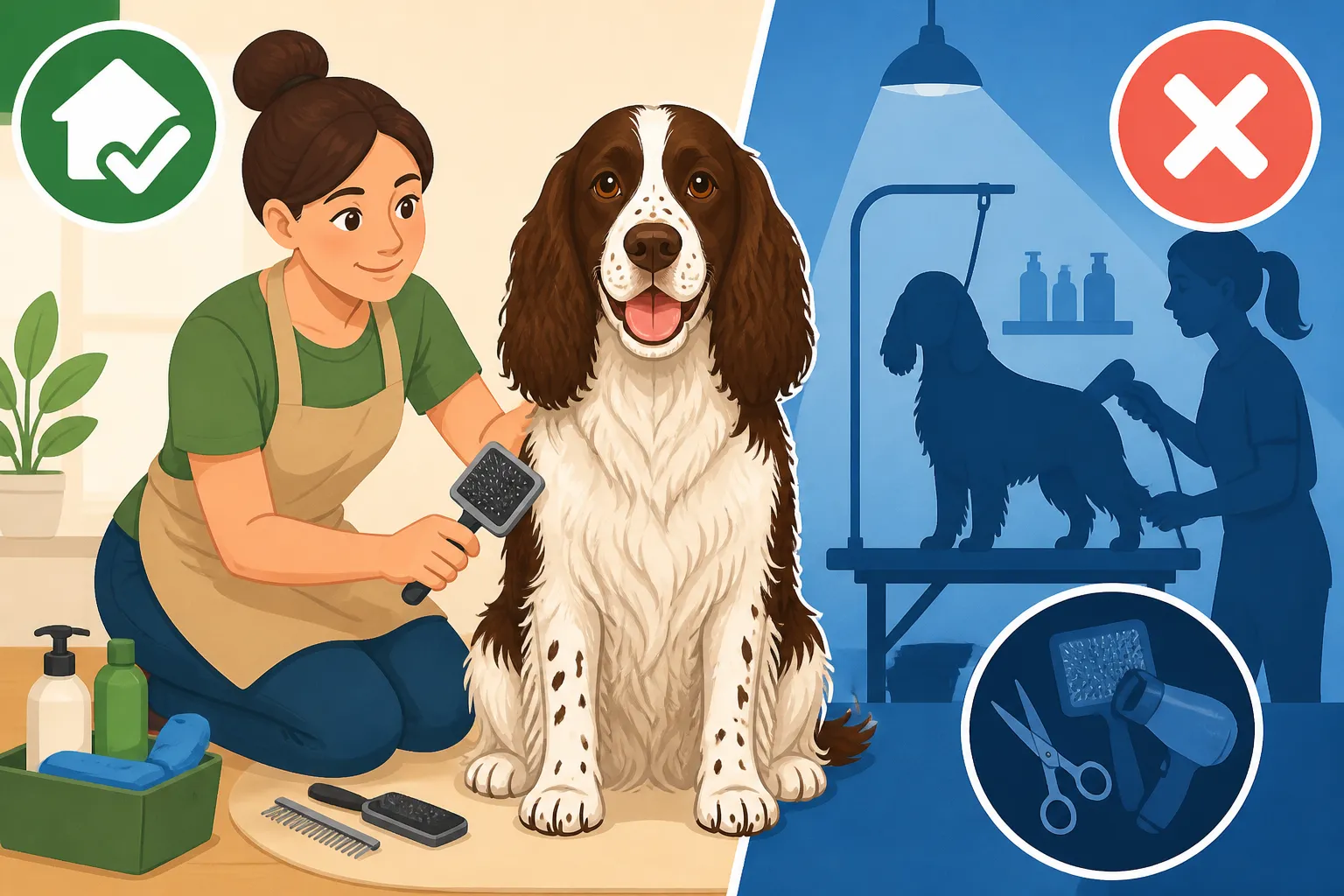
Whether a Springer Spaniel Owner Can Groom at Home
Many English Springer Spaniel owners look at their beautiful, often abundantly coated dogs and feel a wave of dread when they think about grooming. The idea of tackling all that feathering, those perpetually damp ears, and the seemingly endless shedding can make hiring a professional groomer seem like the only viable option. But with the right tools, a bit of patience, and a clear understanding of what your Springer needs, you absolutely can become your dog's primary groomer right in the comfort of your home. This guide will walk you through everything you need to know to keep your beloved Springer looking, feeling, and smelling fantastic without constant trips to the salon.
The Truth About Your Springer Spaniel's Coat: Field Versus Show
Before we dive into the nitty-gritty of grooming, it's crucial to understand that not all Springer Spaniel coats are created equal. The breed has diverged into two distinct types – the field-bred (working) Springer and the show-bred Springer – and their coats reflect their respective purposes. Understanding these differences is the first step in tailoring your home grooming routine.
The Field-Bred Springer Spaniel's Practical Coat
Field-bred Springers, often seen tearing through brambles and diving into icy ponds, were bred for functionality above all else. Their coats tend to be shorter, coarser, and less heavily feathered than their show-bred cousins. This isn't just an aesthetic choice; it's a practical necessity. A shorter, tougher coat helps them shed water and debris more easily, reduces the chance of matting in thick cover, and offers some protection against nicks and scratches in the field.
You might notice that a field-bred Springer’s "furnishings" – the longer hair on their legs, belly, and tail – are much sparser. This streamlined coat requires less intense grooming, but it's still far from maintenance-free. They still shed, they still get muddy, and those long ears still need diligent care. Owners of field-bred Springers might find that their grooming sessions are more about functional upkeep – checking for burrs, ticks, and minor injuries after a day out, rather than intricate styling. Don't fall into the trap of thinking "less coat means no grooming" – that's a recipe for disaster, even for the most rugged field dog. Whether a Field Bred Springer Spaniel Needs Grooming is still a resounding yes!
The Show-Bred Springer Spaniel's Luxurious Locks
Now, if you have a show-bred Springer, you're looking at a different ball game entirely. These dogs are bred to conform to a specific breed standard, which includes a profuse, silky, often wavy coat with abundant feathering on the ears, chest, legs, and tail. It’s absolutely gorgeous, flowing as they move, but it's also a significant commitment. This coat type is designed to be aesthetically pleasing in the show ring, but it's a magnet for dirt, burrs, and mats in everyday life.
Owners of show-bred Springers often struggle with the sheer volume and texture of this coat. It mats easily, especially behind the ears, in the armpits, and along the belly. The Show Springer Spaniel Coat That Adds a Groomer to Your Budget is a reality for many, but with dedication, you can manage much of it yourself. Regular brushing, bathing, and strategic trimming are non-negotiable to prevent painful mats and maintain their elegant appearance. You'll spend more time grooming a show-bred Springer, but the satisfaction of keeping that coat pristine is immense.
Building Your Home Grooming Arsenal: Tools of the Trade
You wouldn't attempt to build a house with just a hammer, and you shouldn't try to groom your Springer Spaniel with just a brush. Having the right tools makes a world of difference, turning a frustrating chore into a manageable routine. Investing in quality equipment from the start will save you headaches (and potentially vet bills for mat removal) down the line. Many of these items are readily available from online retailers like Chewy, making it easy to stock up.
Essential Brushes and Combs
Your brushing routine is the cornerstone of home grooming. You'll need a combination of tools to tackle different parts of your Springer's coat effectively.
- Slicker Brush: This brush features fine, short wires packed closely together on a flat or curved surface. It's excellent for removing loose hair, detangling smaller mats, and smoothing the coat. Use it gently, especially on sensitive areas, to avoid "brush burn." It's fantastic for the body and leg feathering.
- Pin Brush: With widely spaced, rounded metal pins, a pin brush is great for general brushing and getting through longer feathering without pulling. It helps to lift the coat and can be used for everyday maintenance between deeper brushing sessions.
- Undercoat Rake: Springers have a double coat, and the undercoat can get dense and shed heavily. An undercoat rake has sturdy, widely spaced teeth designed to reach through the topcoat and pull out loose undercoat, reducing shedding and preventing matting.
- Greyhound Comb (Metal Comb): This is indispensable. A good quality metal comb with both wide and fine teeth will be your secret weapon for finding hidden mats, especially behind the ears and in the armpits. Always finish a brushing session by running a metal comb through the coat – if the comb glides smoothly, you know you've done a thorough job. If it snags, you've found a spot that needs more attention.
Trimming Tools for a Tidy Look
While you might not be aiming for show-ring perfection, strategic trimming is vital for hygiene, comfort, and preventing mats.
- Blunt-Nosed Scissors: For safely trimming hair around the paws, eyes, and sanitary areas. The blunt tips reduce the risk of accidental pokes or cuts.
- Thinning Shears: These scissors have one blade that's serrated like a comb and one sharp blade. They are magical for blending trimmed areas, reducing bulk, and creating a natural, soft look rather than harsh lines. They're particularly useful for tidying up feathering on the legs and ears. What Thinning Shears Cost a Springer Spaniel Owner can vary, but a good pair is a solid investment.
- Clippers (Optional but Recommended): For owners wanting to keep their Springer's coat shorter and more manageable, especially for field-bred dogs or those in active homes, a good set of dog clippers can be invaluable. You'll want a reliable, quiet clipper with various blade sizes (e.g., #10 for sanitary areas, #7F or #5F for body work if you want a shorter cut). What Clippers for a Springer Spaniel Cost also varies widely by quality, but rechargeable cordless models offer great flexibility.
Bathing and Ear Care Essentials
Maintaining cleanliness and preventing common Springer ailments requires specific products.
- Dog Shampoo and Conditioner: Choose a shampoo formulated for dogs, preferably one that's moisturizing or designed for sensitive skin, as Springers can be prone to skin issues. A good conditioner helps detangle and makes brushing easier. Which Shampoo Suits a Springer Spaniel's Oily Coat can depend on your dog's specific skin needs.
- High-Velocity Dryer: While not strictly essential, a high-velocity pet dryer dramatically cuts drying time and helps to "blast out" loose undercoat. It's far more efficient than a human hairdryer and helps prevent hot spots and damp-related skin issues.
- Ear Cleaner: Springers are famous for their long, floppy ears, which create a warm, moist environment perfect for yeast and bacteria to thrive. A good ear cleaning solution is a must. What Ear Cleaner Costs a Springer Spaniel Owner Yearly is a small price to pay to prevent serious infections.
- Cotton Balls or Pads: For applying ear cleaner and wiping the outer ear. Avoid cotton swabs (Q-tips) in the ear canal, as they can push debris further in.
Nail Trimming Tools
Long nails can cause discomfort, lead to splayed feet, and even affect your dog's gait.
- Nail Clippers (Scissor or Guillotine Style): Choose a sturdy pair designed for dogs. Many owners prefer the scissor-style clippers for better control.
- Styptic Powder: Keep this on hand! If you accidentally cut a nail too short and hit the quick (the blood vessel), styptic powder will quickly stop the bleeding.
Here's a quick reference table for your grooming arsenal:
| Tool Category | Specific Tools | Primary Use | Frequency of Use |
|---|---|---|---|
| Brushes & Combs | Slicker Brush, Pin Brush, Undercoat Rake, Metal Comb | Removing loose hair, detangling, smoothing, finding mats | Daily to Weekly |
| Trimming Tools | Blunt-Nosed Scissors, Thinning Shears, Clippers (optional) | Trimming feathering, paw pads, sanitary areas, reducing coat bulk | Monthly to Bi-Monthly |
| Bathing & Ear Care | Dog Shampoo/Conditioner, High-Velocity Dryer, Ear Cleaner, Cotton Balls | Cleaning coat, thorough drying, preventing ear infections | Monthly to Quarterly (or as needed) |
| Nail Trimming | Nail Clippers, Styptic Powder | Keeping nails short for comfort and health | Every 2-4 Weeks |
A Step-by-Step Guide to Grooming Your Springer Spaniel at Home
Now that you're armed with the right tools, let's break down the grooming process into manageable steps. Consistency is key, especially with Springers!
1. The Pre-Bath Brush-Out: Don't Skip This Step!
Before your Springer ever sees the tub, a thorough brush-out is non-negotiable. Seriously, do not skip this. Water will only tighten mats, making them nearly impossible to remove without shaving.
Start with your undercoat rake to remove loose fur, working in small sections. Then, move to your slicker brush and pin brush to detangle and smooth. Pay extra attention to common matting areas: behind the ears, armpits, flanks, and the long feathering on the legs and tail. Always finish with your metal comb. If the comb snags, keep brushing until it glides through. This is also a perfect time to do a general health check, feeling for any Lumps Worth Checking on a Springer Spaniel or sensitive spots. You might also find early signs of skin irritation or parasites.
2. Bath Time: Getting Your Springer Squeaky Clean
Bathing your Springer can be an adventure, especially if they love water. Use lukewarm water and a good quality dog shampoo.
- Wet Thoroughly: Get your dog completely soaked, starting from the neck down, being careful not to get water directly into their ears.
- Shampoo and Lather: Apply shampoo, working it into a rich lather. Massage it deeply into the coat, ensuring it reaches the skin. Don't forget their belly, chest, and legs. Rinse thoroughly. This is where many people fall short – residual shampoo can cause skin irritation. Rinse until the water runs clear and there's no slippery residue on their coat.
- Condition: Follow up with a dog conditioner. This helps to moisturize the skin and coat, making it softer and easier to comb through after drying. Let it sit for a few minutes before rinsing thoroughly.
After the bath, gently squeeze excess water from their coat.
3. Drying Your Springer: The Mat-Preventing Masterpiece
Proper drying is almost as important as proper brushing for preventing mats and skin issues. If you have a high-velocity dryer, now’s its time to shine.
- Towel Dry: Start with a good towel rub to get off as much moisture as possible.
- High-Velocity Dryer (Recommended): If you have one, use it! Set it to a comfortable warmth (not hot) and systematically blow-dry your dog's coat while brushing with a slicker brush. This technique straightens the coat, removes even more loose hair, and helps prevent matting. It also drastically reduces drying time.
- Air Dry (Less Ideal): If you don't have a high-velocity dryer, you'll need to brush, brush, brush as your dog air dries to prevent tangles and mats from forming. This can take a very long time for a heavily feathered Springer. Ensure your dog is completely dry, especially under the ears and in the armpits, to prevent skin irritation or yeast growth.
4. Ear Care: A Springer Spaniel Priority
Those beautiful drop ears are prone to problems. Why a Springer Spaniel's Ear Traps Moisture is a constant battle you need to win.
- Clean Regularly: After bathing (or any time you notice excessive ear wax or debris), apply a vet-approved ear cleaning solution into the ear canal. Gently massage the base of the ear for 30 seconds to help break up wax and debris.
- Wipe Out: Let your dog shake their head (brace yourself for some spray!), then use cotton balls or pads to wipe out any visible dirt or wax from the outer ear and accessible parts of the canal. How Often a Drop Eared Springer Spaniel Needs Cleaning usually depends on individual ear health, but weekly or bi-weekly is a good starting point.
- Look for Trouble: Always check for signs of infection like redness, swelling, foul odor, or excessive scratching. If you see any Signs a Springer Spaniel Has an Ear Infection, consult your vet promptly.
5. Nail Trimming: Keep Them Short and Sweet
Regular nail trimming prevents pain and keeps your Springer's feet healthy. Keeping a Working Springer Spaniel's Nails Short is especially important to prevent injuries in the field.
- Positioning: Have your dog stand or lie down comfortably. If they're resistant, take it slowly and offer lots of treats.
- Locate the Quick: The quick is the pink part of the nail that contains blood vessels and nerves. On clear nails, it's easy to see. On dark nails, it's harder, so trim small bits at a time. The goal is to trim just before the quick.
- Clip: Hold the clipper firmly and snip off the tip of the nail at a slight angle. Repeat for all nails, including the dewclaws (if present).
- Styptic Powder: If you do cut into the quick, apply styptic powder with pressure. Don't panic; it happens to everyone occasionally.
6. Trimming Feathering and Paw Pads: The Finishing Touches
This is where your blunt-nosed scissors and thinning shears come in handy.
- Paw Pads: Carefully trim the hair between the paw pads. Excess hair here can collect dirt, burrs, and ice, leading to discomfort and matting. Use blunt-nosed scissors and trim flush with the pads. Whether a Springer Spaniel's Feet Need the Hair Trimmed is a definite yes for comfort and hygiene.
- Leg and Belly Feathering: Use thinning shears to tidy up and shorten the long feathering on the legs and belly if it's getting too long or matted. The goal is a natural, clean look, not a shaved appearance. Trimming a Springer Spaniel's Feathering helps prevent snags and mats.
- Ears: Thinning shears can be used sparingly on the underside of the ears to reduce bulk and improve air circulation, which can help prevent ear infections.
- Sanitary Area: Trim hair around the anus and genitals short for hygiene, using blunt-nosed scissors.
Troubleshooting Common Springer Spaniel Grooming Hurdles
Even with the best intentions and tools, you'll likely encounter a few challenges. Don't get discouraged; these are common and usually solvable.
Dealing with Mats and Tangles
Mats are the bane of any Springer owner's existence, especially with those lush show coats. Whether a Springer Spaniel Mats Behind the Ears is almost a certainty at some point.
- Prevention is Key: Regular, thorough brushing is the best defense. Daily brushing for show coats, and at least a few times a week for field coats, can prevent many mats from forming.
- Tackle Them Early: Small tangles are easier to fix than large, pelted mats. When you find one, work it out patiently. Use a detangling spray or a little cornstarch to help loosen the hair.
- Section by Section: Hold the hair above the mat and gently tease it apart with your fingers, then use the wide teeth of your metal comb. Work from the outside of the mat inwards, not trying to pull through the whole thing at once.
- When to Clip: If a mat is too tight, close to the skin, or causing pain, it’s kinder to carefully clip it out with clippers (using a #10 blade and always placing a comb between the blade and the skin if possible, or lifting the mat away from the skin if it's too tight). For severe, widespread matting, a professional groomer or vet might be needed to safely shave them down.
My Springer Hates Grooming! What Do I Do?
Many dogs, especially youngsters, can be fussy about grooming. Patience and positive reinforcement are your best friends.
- Start Early: Introduce grooming tools and sessions when your Springer is a puppy. Make it a positive experience with treats and praise.
- Short, Frequent Sessions: Instead of one long, overwhelming session, do several short ones throughout the week. Even a five-minute brush and ear check can be beneficial.
- Positive Reinforcement: Pair every grooming step with high-value treats and calm praise. If your dog tolerates a brush stroke, give a treat. If they allow you to touch their paw for nail trimming, treat!
- Desensitization: If your dog is particularly reactive to clippers or dryers, introduce them slowly. Let them see and sniff the tools while off, then turn them on briefly in another room. Gradually move closer, always pairing with treats and positive words, without forcing contact.
- Professional Help: For very anxious or aggressive dogs, consider consulting a professional groomer who specializes in fearful dogs, or a veterinary behaviorist. They can offer strategies or gentle sedation if necessary.
Skin Irritations and Allergies
Springers can be prone to skin issues, which often become apparent during grooming.
- Dandruff or Dry Skin: This can be a sign of diet issues, environmental dryness, or an underlying health problem. Ensure your dog is on a high-quality diet. Consider adding a fish oil supplement (like those found at Chewy or your local pet store) if approved by your vet.
- Redness, Rashes, or Hot Spots: These can indicate allergies (food or environmental), parasites, or dampness that wasn't thoroughly dried. Pay close attention during grooming for any changes in their skin. If you suspect allergies, your vet might recommend a limited ingredient diet or medication. Products from brands like Healthy Paws can cover unexpected vet bills for allergy workups or skin treatments.
- Greasy or Oily Skin: Some Springers develop sebaceous issues, leading to oily, sometimes smelly skin. Special medicated shampoos may be prescribed by your vet to manage this.
- Thorough Drying is Paramount: This bears repeating for Springers. Any lingering dampness, especially in their dense coats and under those floppy ears, can quickly lead to yeast and bacterial infections.
Learning to groom your Springer Spaniel at home is a rewarding journey. It builds trust between you and your dog, saves money in the long run, and allows you to keep a close eye on their health and comfort. With patience, persistence, and the right tools, you'll soon be a confident home groomer, keeping your Springer looking their best, from nose to tail.
Disclaimer
This article is for general informational purposes only and does not constitute professional advice. Laws, prices and regulations vary by location and change over time. Consult a qualified professional for guidance on your specific situation.