Signs a Springer Spaniel Is Getting Old
It's never easy to watch our beloved Springer Spaniels start to show the tell-tale signs of aging. One day they're bouncing around like puppies, and the next, you notice a subtle slowing down, a new stiffness, or a change in their once-vibrant personality. This guide is here to walk you through the various signs that indicate your Springer Spaniel is entering their golden years, helping you understand what to look for and how to adapt your care to keep them comfortable and happy for as long as possible.
Physical Changes in Your Aging Springer Spaniel
Just like us, dogs experience a multitude of physical shifts as they age. For a Springer Spaniel, whose life is often defined by boundless energy and a lush coat, these changes can be particularly noticeable. Observing these physical cues is often the first step in understanding that your loyal companion is transitioning into their senior years.
Changes in Coat and Skin
One of the most immediate signs of aging you might notice in your Springer Spaniel is a change in their coat. You might start seeing more grey hairs, especially around their muzzle, eyes, and sometimes even sprinkled through their body coat. This isn't just cosmetic; the texture of their fur can also change, often becoming a bit coarser, thinner in places, or even more prone to matting if not groomed regularly. Their skin might also become drier or less elastic, which can make them more susceptible to skin irritations or slower healing of minor scrapes.
Beyond the visible changes, you might notice an increase in shedding. While a Springer Spaniel is always going to shed to some degree, an older dog's hair follicles might become less efficient, leading to more frequent hair loss. Keep an eye out for any new lumps or bumps under their skin, which are common in older dogs. While many are benign fatty tumors, any new growth warrants a check by your veterinarian. Taking note of How Much a Springer Spaniel Sheds Into a House might give you a baseline for what's normal versus excessive.
Their nails might also become more brittle or grow thicker, making regular trimming even more crucial. Overgrown nails can make walking painful, especially if they start to curve and dig into the paw pads. This is a simple thing you can manage at home, but don't hesitate to ask your vet or a professional groomer for help if you're unsure or if your dog is sensitive about their paws.
Mobility and Joint Issues
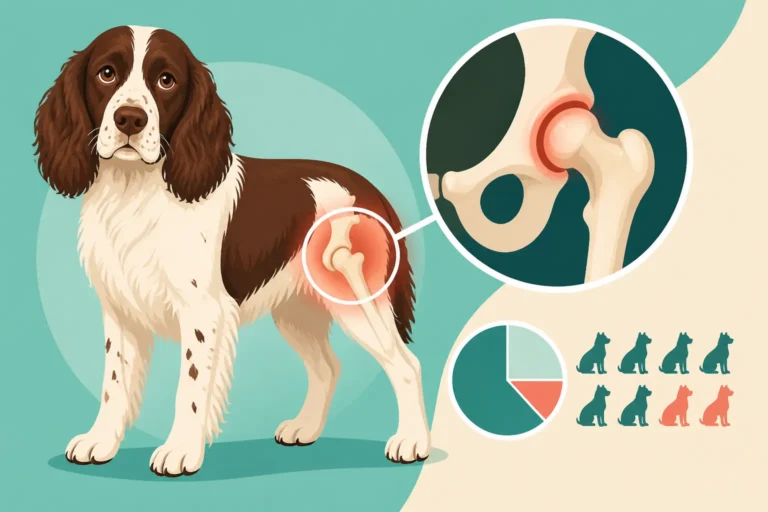
This is perhaps one of the most heartbreaking changes to witness in an active breed like a Springer Spaniel. That once effortless spring in their step might be replaced by a stiff gait, especially after resting or first waking up. Climbing stairs, jumping into the car, or even standing up from a lying position can become visibly more challenging. These are classic signs of arthritis, a common ailment in older dogs, and something you might want to learn more about in Arthritis in an Older Springer Spaniel.
You might notice them favoring a limb, or a general reluctance to engage in their usual romps. Their muscles might appear less defined, even if their weight remains stable, due to reduced activity and natural muscle atrophy that comes with age. It's not just about pain; it's about a fundamental change in how their body functions. Providing soft bedding, ramps for cars or beds, and even simply allowing more time for movements can make a huge difference in their daily comfort.
It's tempting to think they're just being lazy, but often, they are genuinely uncomfortable. Discussing joint supplements with your vet is a good idea. Many older Springers benefit from Joint Supplements for a Springer Spaniel that can help support joint health and reduce inflammation. Gentle, consistent exercise, rather than sporadic intense bursts, can also help maintain muscle mass and flexibility without overstressing their joints.
Sensory Decline (Sight and Hearing)
As our Springer Spaniels age, their keen senses can start to dim. You might notice their eyesight isn't quite what it used to be. They might bump into furniture in dimly lit rooms, seem hesitant in new environments, or startle more easily if you approach them from their blind side. Their eyes themselves might show changes; a bluish haze over the lens, known as lenticular sclerosis, is a normal age-related change and usually doesn't significantly impair vision, but true cataracts are also possible and can severely reduce sight.
Hearing loss can be just as impactful, if not more so, for a Springer Spaniel who relies on auditory cues for communication and safety. They might not respond to their name or commands as readily, especially when their back is turned or if there's background noise. You might find yourself needing to clap your hands or stomp your foot to get their attention, or notice they sleep through noises that would have once perked their ears right up. This can be frustrating for both of you, but patience is key.
Adapting to these changes means making your home safer and communicating differently. Keep furniture in consistent places to help a dog with poor vision navigate. For hearing loss, try using hand signals in conjunction with verbal commands, or even introduce a vibrating collar for attention in emergencies. Regular vet check-ups should include eye and ear examinations, so if you're wondering Whether a Springer Spaniel Needs a Yearly Eye Exam, the answer is definitely yes, especially as they get older.
Weight Fluctuations
Managing a senior Springer Spaniel's weight can be a bit of a tightrope walk. Some older dogs tend to gain weight more easily as their metabolism slows down and their activity levels decrease. Carrying extra pounds puts undue stress on already aging joints and can exacerbate other health issues. This might mean adjusting their diet and ensuring they still get some form of appropriate exercise, even if it's just short, gentle walks.
On the flip side, some senior Springer Spaniels might start to lose weight, sometimes unexpectedly. This can be a sign of underlying health issues such as dental problems making eating painful, gastrointestinal issues, or more serious conditions like kidney disease or cancer. A sudden or unexplained weight loss always warrants a veterinary visit.
Paying close attention to your dog's body condition and adjusting their food intake and type is crucial. Foods formulated for senior dogs often have fewer calories and different nutrient profiles to support aging bodies. Understanding What an Old Springer Spaniel Should Be Fed is an important part of managing their senior health. Regular weigh-ins and discussions with your vet can help keep their weight in a healthy range.
Subtle Shifts in Your Springer Spaniel's Behavior
Beyond the physical, your Springer Spaniel's behavior and personality can also undergo significant changes as they age. These shifts are often more gradual and might initially be dismissed as just "getting old," but they can provide valuable insights into your dog's comfort, mental state, and overall well-being.
Changes in Energy Levels and Play
The once indefatigable energy of a Springer Spaniel is legendary. They live to run, retrieve, and explore. As they age, you'll likely notice a marked decrease in this boundless enthusiasm. They might tire more quickly during walks, be less interested in a game of fetch, or opt for a snooze on the couch rather than joining in the family's energetic activities. It’s important to distinguish between natural slowing down and true lethargy, which could indicate a health problem.
While they may not be able to bound through the fields for hours anymore, many senior Springers still enjoy mental stimulation and gentle physical activity. Short, frequent walks can still be beneficial, and puzzle toys or scent games can engage their minds. Don't push them past their limits, but continue to offer opportunities for appropriate exercise. It's a common question Whether an Old Springer Spaniel Still Wants to Work, and often, they do, just on a much smaller scale.
You might also observe that their interest in play with other dogs diminishes. A younger, boisterous dog might be too much for an older, more fragile Springer to handle, leading them to avoid interactions or even react defensively out of discomfort. Respect their boundaries and provide them with a safe, quiet space when they need it.
Alterations in Sleep Patterns
Just like humans, older dogs often experience changes in their sleep cycles. Your senior Springer Spaniel might sleep more during the day but seem restless or wakeful at night. They might pace, whine, or seem disoriented in the dark. This can be a sign of discomfort, needing to go to the bathroom more frequently, or even a symptom of cognitive dysfunction.
Creating a comfortable sleeping environment is key. Ensure they have a soft, supportive bed that eases pressure on their joints. A nightlight in areas they frequent might help if they're experiencing vision decline or disorientation. If nighttime restlessness is significant and disruptive, it's worth discussing with your vet. Sometimes, a mild sedative or other interventions can improve their quality of rest, which in turn improves their daytime demeanor.
Remember, increased sleep during the day isn't always a bad thing; it can simply mean they need more rest. But if they seem unable to settle, or if their sleep patterns are drastically inverted, it's a sign to investigate further.
New Reactions to Stress or Routine Changes
Older dogs often become less adaptable and more sensitive to changes in their environment or routine. What once was a minor inconvenience might now cause significant stress for your senior Springer. A new visitor, a rearranged room, or even a change in your daily schedule can trigger anxiety, pacing, increased barking, or clinging behavior.
Their tolerance for noise or busy household activity might also decrease. They might seek out quiet spaces more often or become agitated by loud sounds they once ignored. This sensitivity can be a sign of discomfort, decreased sensory input making the world feel more unpredictable, or early cognitive decline.
Try to maintain a predictable routine for your aging dog. If changes are unavoidable, introduce them gradually and provide extra reassurance and comfort. A safe, quiet "den" that's always available to them can be a huge comfort. Observing these reactions can help you understand their new needs for stability and calm.
Changes in Social Interaction
An aging Springer Spaniel might show subtle shifts in how they interact with family members, other pets, and even strangers. Some become more clingy, seeking constant reassurance and physical contact. They might follow you from room to room more persistently or become more vocal when you leave their sight. This can stem from increased anxiety, sensory loss making them feel more vulnerable, or a deeper bond formed over years of companionship.
Conversely, some older dogs might become less tolerant of being touched or petted, especially if they are experiencing pain from arthritis or other conditions. They might snap or growl if a child or another pet approaches them unexpectedly or in a way that causes discomfort. This is rarely intentional aggression but rather a plea for space and respect for their physical limitations.
It's crucial to observe these changes without judgment and adjust your interactions accordingly. Teach children and visitors how to interact gently and respectfully with an older dog. Provide them with their own space where they can retreat undisturbed. Understanding their boundaries will help maintain a positive relationship and reduce stress for everyone.
Recognizing Cognitive Decline in Senior Springer Spaniels
One of the most challenging aspects of aging in dogs, often termed Canine Cognitive Dysfunction (CCD), is the decline in their mental faculties. It's more than just "senior moments"; it's a progressive neurodegenerative disorder that can significantly impact their quality of life and your daily routine.
Disorientation and Confusion
Perhaps the most classic sign of CCD is disorientation. Your Springer Spaniel might suddenly seem lost in familiar surroundings, stand staring blankly at walls, or struggle to navigate around furniture they've known their whole life. They might wander aimlessly, get stuck in corners, or have trouble finding their way back inside from the yard. This can be incredibly distressing for both you and your dog.
This confusion can extend to recognizing people or other pets. They might seem aloof or even scared of family members they've known for years. Imagine waking up every day feeling a bit lost in your own home – that’s often what an older dog experiencing disorientation goes through. This is what it means Whether an Old Springer Spaniel Gets Confused, and it can be a deeply unsettling experience for them.
Keeping their environment consistent and predictable can help. Avoid moving furniture or changing their routine drastically. Gentle verbal cues and consistent physical guidance can help them navigate. If the disorientation is severe, your vet might suggest medications or supplements that can help manage the symptoms of CCD.
Changes in House Training Habits
A perfectly house-trained Springer Spaniel who suddenly starts having accidents indoors is often a sign that something has changed. While medical issues like urinary tract infections or incontinence are common in older dogs (and should always be ruled out first), changes in house training can also be a symptom of cognitive decline.
Your dog might simply forget their training, not remember where the door is, or even forget why they went outside. They might eliminate indoors shortly after being let out, or wake up at night needing to go but not signal you. This isn't usually defiance; it's a genuine cognitive lapse.
Managing this requires patience and practical adjustments. More frequent potty breaks, especially immediately after waking and before bed, can help. Re-establishing a consistent schedule, even using puppy pads indoors in designated areas, might be necessary. Never punish an older dog for accidents; it only increases their anxiety.
Altered Interaction Patterns (DISHA syndrome)
Veterinarians often use the acronym DISHA to describe the key symptoms of cognitive dysfunction: Disorientation, Interactions (altered), Sleep-wake cycle alterations, House soiling, and Activity level changes. We've touched on many of these, but "altered interactions" refers specifically to shifts in how they engage with their environment and social circle.
Beyond just not recognizing people, an older Springer might show less interest in activities they once loved, or conversely, become more agitated by stimuli. They might stop greeting you at the door, or become withdrawn and less affectionate. Or, they might become hyper-sensitive and clingy, seeking constant attention and exhibiting separation anxiety even when you're just in another room. These changes in their typical engagement reflect a disruption in their cognitive processing and emotional regulation.
Observing these altered interactions provides critical clues. If your usually social Springer becomes reclusive, or your independent Springer becomes Velcro-like, it's worth noting. Documenting these changes can be very helpful for your vet in diagnosing CCD.
Anxiety and Restlessness
Anxiety and restlessness can become much more pronounced in senior Springer Spaniels. This might manifest as pacing, particularly at night, repetitive behaviors, excessive panting without exertion, or an inability to settle down even in familiar, calm environments. They might seem generally uneasy, easily startled, or agitated.
This heightened anxiety often stems from their confusion and declining senses. The world becomes a less predictable and more frightening place when you can't see or hear clearly, and your memory is failing. This can be especially difficult for a breed known for its confidence and enthusiasm.
Creating a quiet, secure haven for them, using calming aids (like diffusers or wraps), and sticking to a consistent routine can help. In some cases, your vet might recommend anti-anxiety medications to improve their comfort and quality of life. Sometimes, they simply need more physical comfort and reassurance from you.
Common Health Concerns for the Aging Springer Spaniel
While all the above signs point to aging, it's crucial to remember that many changes can also be symptoms of underlying medical conditions. Regular veterinary check-ups become even more vital as your Springer Spaniel enters their senior years.
Dental Health Deterioration
Oral hygiene is often overlooked until it becomes a serious problem. As Springer Spaniels age, they are more prone to dental disease, including plaque and tartar buildup, gingivitis, and even tooth loss. Bad breath is a common indicator, but more serious signs include difficulty eating, pawing at their mouth, drooling, or visible redness and swelling of the gums.
Poor dental health isn't just about bad breath; it can lead to pain, infection, and even impact overall systemic health as bacteria from the mouth can enter the bloodstream and affect vital organs. Many vets recommend regular dental cleanings under anesthesia for senior dogs, provided they are otherwise healthy enough for the procedure.
Home care, like brushing, dental chews, and water additives, can help slow the progression of dental disease. Discuss a dental care plan with your veterinarian, as proactive care can prevent significant pain and expense down the line.
Increased Susceptibility to Illnesses
An older Springer Spaniel's immune system naturally weakens, making them more vulnerable to infections and chronic diseases. They might take longer to recover from minor ailments, or pick up illnesses more easily. Their bodies are simply less resilient than they once were.
This increased susceptibility makes regular vaccinations and parasite prevention even more important. Discuss with your vet if any vaccine protocols should be adjusted for a senior dog. It also means you need to be extra vigilant for any signs of illness, no matter how subtle. A cough, a change in appetite, or unusual lethargy should prompt a call to your vet. Being proactive and having a good pet insurance plan, like those offered by Healthy Paws, can provide immense peace of mind when these health issues inevitably arise.
Conditions like Signs a Springer Spaniel's Thyroid Has Failed or the onset of diabetes and kidney disease become more prevalent in older dogs. Early detection and management are key to maintaining their quality of life.
Organ Function Decline
As dogs age, their internal organs—kidneys, liver, heart—can start to function less efficiently. These changes might not be immediately apparent from the outside but can be detected through routine bloodwork and urinalysis during senior wellness exams. For instance, early signs of kidney disease can be increased thirst and urination.
Heart disease can manifest as coughing, reduced stamina, or difficulty breathing. Liver issues might show up as changes in appetite or energy. These conditions often progress slowly, and regular monitoring by your vet allows for intervention that can slow the disease progression and manage symptoms, giving your Springer Spaniel more comfortable years.
This is where your proactive approach truly matters. Don't wait until your dog is obviously sick. Regular senior blood panels and urine tests can catch these issues early, allowing for dietary changes, medications, or other therapies. Pet insurance providers like Healthy Paws are often a lifeline for covering the costs associated with chronic conditions and specialized treatments that an aging dog might need.
Urinary Incontinence
Beyond house-soiling due to cognitive issues, many senior female Springer Spaniels, especially those who have been spayed, can develop true urinary incontinence. This means they leak urine involuntarily, often while sleeping or resting, without even realizing it. It’s not about training; it’s a medical condition.
This is typically due to weakened urethral sphincter muscles and can be very upsetting for both the dog and the owner. The good news is that it’s often manageable with medication prescribed by your vet. There are several effective options that can significantly reduce or eliminate the leakage.
In the meantime, consider waterproof bedding, absorbent pads, or even doggy diapers to protect your home and keep your dog comfortable and clean. Keeping their bedding dry is important to prevent skin irritation. Always mention any incontinence to your vet, as it's a solvable problem that greatly improves their comfort and your quality of life together.
Understanding the Journey of an Aging Springer Spaniel
Watching your Springer Spaniel grow older is a bittersweet journey. While you might mourn the loss of their youthful vigor, their senior years offer a different kind of companionship, filled with quiet affection and a profound bond. Being aware of these signs of aging empowers you to provide the best possible care, adapting their environment, diet, and routines to meet their changing needs. Remember that The Twelve to Fourteen Years a Springer Spaniel Lives is a gift, and every stage is precious.
Regular vet visits are your most powerful tool in navigating these changes. Don't hesitate to discuss any new behaviors or physical symptoms with your vet. They can help differentiate between normal aging and treatable medical conditions, ensuring your beloved Springer remains as healthy and comfortable as possible. For detailed guidance on caring for your dog in their later years, check out Caring for a Springer Spaniel Past Nine.
| Sign of Aging | What You Might Observe | Potential Action/Consideration |
|---|---|---|
| Physical | ||
| Coat/Skin Changes | Graying muzzle, duller/thinner coat, new lumps/bumps, dry skin | Regular grooming, vet check for lumps, Omega-3 supplements, gentle shampoos |
| Mobility Issues | Stiffness, difficulty rising, reluctance to jump/climb | Soft bedding, ramps, joint supplements, gentle exercise, pain management from vet |
| Sensory Decline | Bumping into objects, not responding to calls, startled easily | Keep environment consistent, use hand signals, nightlights, vet check for eyes/ears |
| Weight Fluctuations | Weight gain or unexplained loss | Adjust diet, senior dog food, monitor weight, vet check for underlying issues |
| Behavioral | ||
| Energy & Play | Less interest in fetch, tires quickly, more sleeping | Shorter, more frequent walks, puzzle toys, adjust play with other dogs |
| Sleep Patterns | More daytime sleep, nighttime restlessness/pacing | Comfortable bed, nightlight, consistent routine, vet consultation for severe restlessness |
| Stress Reactions | Increased anxiety to changes, noise sensitivity | Maintain routine, quiet space, calming aids, gentle reassurance |
| Social Interaction | Clinginess or withdrawal, less tolerance for touch | Respect boundaries, teach gentle interaction, provide safe retreat |
| Cognitive | ||
| Disorientation/Confusion | Getting lost in home, staring blankly, less recognition | Consistent environment, gentle guidance, vet for CCD diagnosis/meds |
| House Training Lapses | Accidents indoors, forgetting signals, inappropriate urination | More frequent potty breaks, puppy pads, vet check for medical causes |
| Health Concerns | ||
| Dental Health | Bad breath, difficulty eating, pawing at mouth | Regular brushing, dental chews, vet dental cleaning, pain management |
| Illness Susceptibility | Frequent infections, slow recovery | Regular vet check-ups, appropriate vaccinations, parasite prevention, pet insurance like Healthy Paws |
| Organ Decline | Increased thirst/urination, coughing, reduced stamina | Senior wellness exams, bloodwork/urinalysis, specific vet treatments |
| Incontinence | Involuntary urine leakage, especially when resting | Vet consultation for medication, waterproof bedding, doggy diapers |
Disclaimer
This article is for general informational purposes only and does not constitute professional advice. Laws, prices and regulations vary by location and change over time. Consult a qualified professional for guidance on your specific situation.