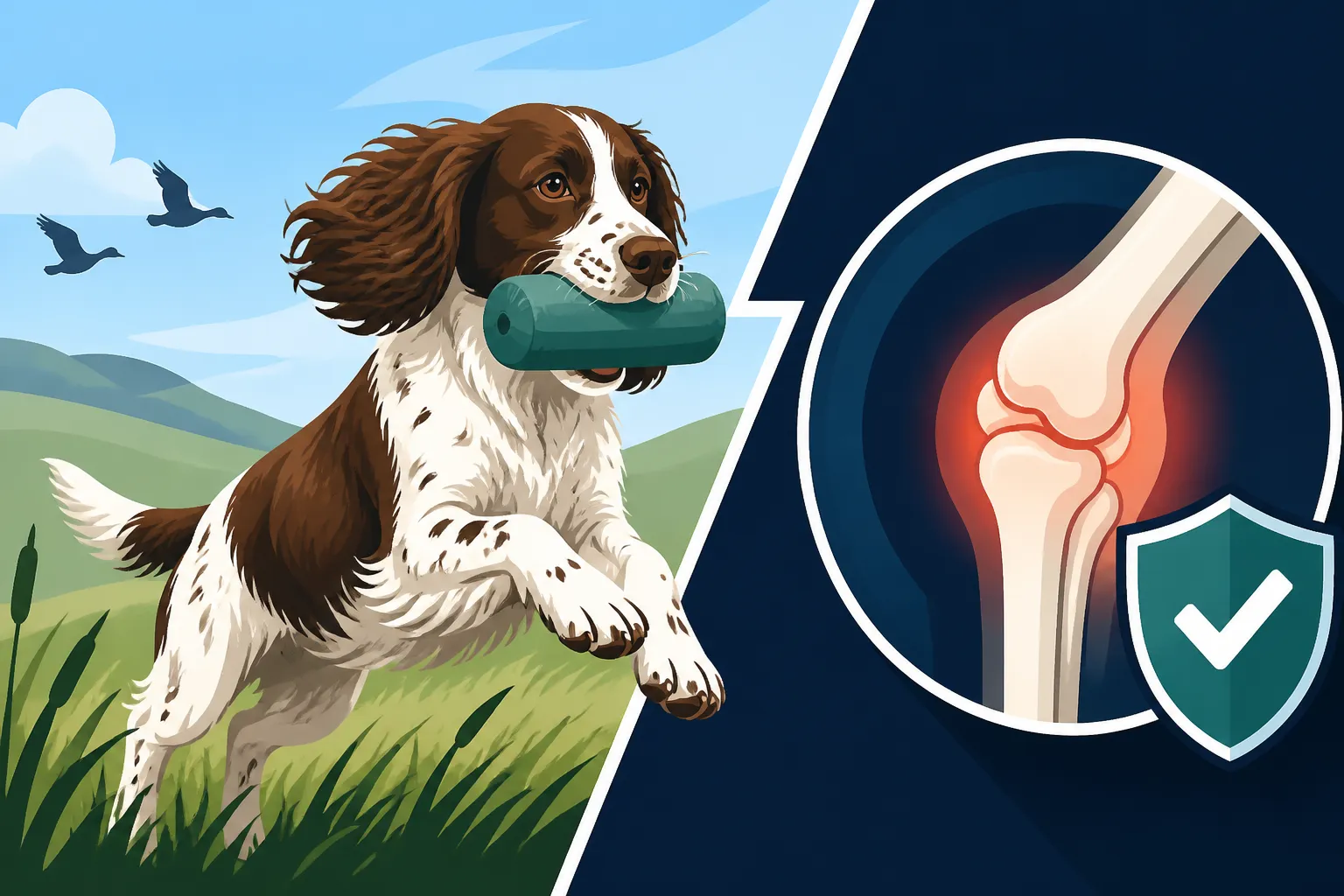
Whether a Working Springer Spaniel Wears Out Its Joints
It's a worry many of us with active Springer Spaniels grapple with: will all that boundless energy and tireless work ethic eventually take a toll on their precious joints? You see them bounding through cover, leaping into water, and making those hairpin turns in the field, and a little voice in the back of your head whispers, "Is this sustainable?" It’s a completely valid concern, and this guide is here to unpackage the reality of joint health for our working Springers, exploring how their incredible drive impacts their bodies, what signs to look for, and most importantly, how we can help them stay sound and active for as long as possible.
The Inevitable Trade-Off: Activity and Joint Health
There’s no getting around it: a dog that lives an active, working life is going to put more stress on its body than a couch potato. This isn't to say that working dogs are doomed, but it means we, as their dedicated owners, need to be hyper-aware and proactive about their physical well-being. A working Springer Spaniel, with its intense desire to hunt and retrieve, will naturally engage in movements that exert significant forces on its joints.
Understanding the Mechanics of Joint Wear
Imagine the intricate dance happening inside your Springer's joints with every leap and pivot. Cartilage, a smooth, rubbery tissue, cushions the ends of bones, allowing them to glide effortlessly against each other. Synovial fluid acts as a lubricant, further reducing friction. When a dog is highly active, especially in activities involving high impact, sudden stops, or quick directional changes, this delicate system experiences repetitive stress. Over time, this stress can lead to the gradual breakdown of cartilage.
This breakdown isn't always dramatic or immediate. Initially, it might manifest as microscopic damage, which the body tries to repair. But with continuous, high-intensity activity, the rate of damage can outpace the body's repair mechanisms. This can lead to inflammation, further cartilage degeneration, and eventually, changes in the bone itself. It's a spectrum, ranging from normal age-related wear to accelerated wear exacerbated by demanding work. The goal is to manage this process to keep our dogs comfortable and mobile.
The Springer Spaniel's Drive: A Double-Edged Sword
If you live with a working Springer Spaniel, you know their drive is something truly extraordinary. They aren't just happy to work; they need to work. This isn't a complaint, it's just a fundamental truth of the breed. This intense focus on the task at hand – quartering through dense cover, marking a fall, crashing through icy water for a retrieve – means they often ignore minor aches and pains that a less driven dog might express. They live for the job, and that incredible mental fortitude can sometimes mask early signs of physical discomfort.
Think about a typical day in the field for a working Springer. They might cover miles, dashing back and forth, jumping over downed logs, diving into thick brambles, and carrying game back. Each of these actions, while natural for the breed, places specific demands on their joints. Rapid acceleration and deceleration put strain on knees and hips. Landing from a jump impacts elbows and shoulders. Twisting and turning in pursuit of scent can stress the spine and various limb joints. This isn't to say we should wrap them in cotton wool – that would be against their very nature – but it highlights why proactive joint care and observation are so crucial for these athletes.
Common Joint Issues for Working Springer Spaniels
While all dogs can experience joint problems, working Springer Spaniels are, unfortunately, predisposed to certain conditions, and their active lifestyles can certainly accelerate the onset or worsen the severity of these issues. Knowing what to look for and understanding the underlying causes can empower you to provide the best care.
Hip and Elbow Dysplasia: The Inherited Component
One of the biggest concerns for any prospective Springer Spaniel owner, especially those looking for a working partner, is hip and elbow dysplasia. These are developmental abnormalities where the joints don't fit together correctly, leading to instability and abnormal wear. While genetics play a massive role, a working life can certainly amplify the impact of even mild dysplasia. A dog with slight hip laxity might go through life without significant issues if it's a pampered pet, but put that dog to work in the field, and the constant impact and twisting motions can cause pain, inflammation, and accelerate the development of osteoarthritis.
This is precisely why choosing a reputable breeder who screens their breeding stock is paramount. Look for parents with excellent OFA (Orthopedic Foundation for Animals) or BVA (British Veterinary Association) scores. These certifications offer some peace of mind, indicating a lower likelihood of passing on these conditions. Even with clear parents, intense activity can still challenge joint integrity, but starting with sound genetics gives your dog the best possible foundation. To learn more about this, you might find our guide on Hip Dysplasia in a Springer Spaniel and Elbow Dysplasia in a Springer Spaniel quite illuminating.
Osteoarthritis: The Gradual Onset
Osteoarthritis, often simply called arthritis, is the most common form of joint disease in dogs, and it's essentially the progressive and irreversible degeneration of the cartilage within a joint. In working Springers, it's often a consequence of years of activity, repetitive microtrauma, or it can develop secondary to an injury or a pre-existing condition like dysplasia. The joint tries to stabilize itself by forming bone spurs (osteophytes), which further reduce mobility and cause pain.
The signs can be subtle at first. You might notice your dog is a little stiffer after a long nap, particularly on cold, damp mornings. Their enthusiasm for jumping into the truck might wane, or they might seem less keen to tackle that particularly thick patch of cover they once relished. Their performance in the field might gradually decline, not because their drive has lessened, but because movement is becoming painful. It’s a slow, insidious process, but one that can significantly impact a working dog's quality of life if not managed. Sometimes, a sudden injury, like a torn cruciate ligament, can kickstart a rapid progression of osteoarthritis in that joint.
Cruciate Ligament Injuries and Other Trauma
Working Springers are athletes, and like any athlete, they are susceptible to acute injuries. One of the most common and devastating joint injuries in active dogs is a torn cranial cruciate ligament (CCL), often referred to as an ACL tear in humans. This ligament provides crucial stability to the knee (stifle) joint. The sudden stops, explosive starts, rapid directional changes, and high-impact jumps inherent in field work put immense strain on this ligament. A misstep, a hard landing, or a quick twist can lead to a partial or complete tear.
A torn CCL usually results in immediate lameness and significant pain. While surgery can often repair the damage, the affected joint is at a much higher risk of developing osteoarthritis later on. Beyond CCL tears, working Springers can also experience sprains, strains, meniscal tears (damage to the knee's cartilage pads), and even fractures from collisions or falls in challenging terrain. These acute traumas, even if treated successfully, represent significant events that can alter the long-term health and function of the affected joint. Understanding Whether a Springer Spaniel Tears a Cruciate Ligament is crucial for proactive care.
Proactive Strategies for Joint Longevity
The good news is that just because a working Springer Spaniel puts more stress on its joints doesn't mean you're helpless. There are many proactive steps you can take to support their joint health throughout their lives, potentially delaying the onset of problems and mitigating their severity.
Optimal Conditioning and Warm-Ups
Think of your Springer Spaniel as an elite athlete – because, in their world, they absolutely are. Just like human athletes, they need proper conditioning to strengthen the muscles that support their joints and protect them from injury. A dog that is overweight and out of condition is far more susceptible to joint problems. Conversely, a lean, well-muscled dog has a better chance of absorbing impacts and maintaining joint stability.
Regular, appropriate exercise builds stamina and muscle tone. However, it's not just about running them until they drop. Gradual conditioning, tailored to their age and current fitness level, is key. Before any intense work session, whether it's a training day or a hunt, a proper warm-up is essential. This could involve a leash walk, some gentle trots, and maybe a few stretches to get the blood flowing to their muscles and joints. Similarly, a cool-down period after vigorous activity helps to slowly bring their heart rate down and allows their muscles to relax. This simple routine can significantly reduce the risk of strains and sprains.
Nutrition and Supplements
The foundation of good health, including joint health, begins with a high-quality diet. A balanced diet provides all the necessary nutrients for strong bones, healthy cartilage, and robust connective tissues. Look for dog foods from reputable brands that use quality ingredients and are appropriate for active working dogs. Sometimes, a performance-formula kibble is appropriate during peak hunting season.
Beyond a balanced diet, many owners of working Springers turn to joint supplements. These typically contain ingredients like glucosamine, chondroitin sulfate, MSM (methylsulfonylmethane), and Omega-3 fatty acids. Glucosamine and chondroitin are believed to help maintain cartilage health and elasticity, while MSM can reduce inflammation. Omega-3s, commonly found in fish oil, are well-known for their anti-inflammatory properties. While supplements aren't a cure-all, they can certainly provide valuable support, especially as your Springer gets older or if they're engaged in very demanding work. Products like Healthy Paws can help cover the costs of these long-term care plans, including some therapeutic diets or supplements if prescribed by a vet for a covered condition. You can explore options for Joint Supplements for a Springer Spaniel in more detail.
Weight Management and Regular Vet Checks
Perhaps the single most impactful thing you can do for your Springer Spaniel's joint health is to maintain them at an ideal body weight. Even a few extra pounds dramatically increase the stress on their joints, accelerating cartilage wear and worsening conditions like dysplasia and arthritis. It's often tough to tell if a feathered Springer is carrying too much weight, but you should be able to easily feel their ribs without pressing hard, and they should have a discernible waist when viewed from above. Regularly checking their weight and adjusting their food intake and exercise levels accordingly is paramount. Our article on Keeping a Springer Spaniel at a Working Weight has more specific advice.
Beyond weight, regular veterinary check-ups are non-negotiable. Your vet can perform physical exams to assess joint health, identify any subtle signs of pain or lameness, and catch potential issues before they become major problems. Don't wait until your dog is clearly limping or struggling to get an appointment. Early detection allows for earlier intervention, which can often lead to better outcomes. These routine visits are an investment in your Springer's long, active life.
Smart Training and Management in the Field
It's not just about how much your Springer works, but how they work. Smart training techniques can minimize unnecessary stress on their joints. For instance, teaching a dog to retrieve in a straight line or to avoid excessive "pogo-sticking" jumps when excited can help. Using a training environment with varied terrain, including softer ground when possible, can be beneficial, rather than consistently working on hard, unforgiving surfaces like concrete or asphalt.
Consider the conditions you're asking your dog to work in. Very rough, rocky ground or deep snow can be incredibly demanding. In such situations, protective gear like dog boots can prevent cuts, abrasions, and reduce impact, especially if your Springer is routinely working in harsh cover or over stubble. You might want to check out Whether a Springer Spaniel Needs Boots in the Field for more information on this. Thoughtful management of their work means recognizing when to push them and when to give them a break, always prioritizing their physical well-being.
When the Joints Start to Show Their Age
Despite all our best efforts, time marches on, and even the most well-cared-for working Springer Spaniel will eventually start to show signs of aging joints. The key is to recognize these changes early and adapt their care to maintain their quality of life.
Recognizing the Subtle Signs of Joint Pain
Springers are famously stoic. Their incredible drive means they'll often push through discomfort for the sake of the job, making it challenging for owners to spot the early warning signs of joint pain. You might not see an obvious limp until the pain is quite advanced. Instead, look for more subtle indicators:
- Reluctance to jump: Hesitation before hopping into the car, onto the sofa, or over obstacles.
- Stiffness: Especially after rest or waking up. They might move a bit "gingerly" for the first few minutes.
- Changes in gait: A shortened stride, a slight head bob, or an altered posture to compensate for pain.
- Reduced enthusiasm: Less eager for walks, training, or retrieving sessions. They might tire more quickly.
- Difficulty with stairs: Taking them one step at a time, or avoiding them altogether.
- Sensitivity to touch: Flinching or vocalizing when certain areas are petted or touched.
- Licking or chewing: Excessive licking of a particular joint.
- Muscle atrophy: A decrease in muscle mass, especially around the hips or shoulders, indicating they're not using those muscles as much.
Keeping a journal of their activity and observations can be incredibly helpful in tracking these subtle changes over time. Your vet will also be able to perform specific tests to pinpoint the source of pain.
Veterinary Interventions and Pain Management
Once joint pain is diagnosed, there's a wide array of veterinary interventions and pain management strategies available. These aim to reduce inflammation, alleviate pain, slow disease progression, and improve your dog's comfort and mobility.
Commonly, non-steroidal anti-inflammatory drugs (NSAIDs) are prescribed to manage pain and inflammation. Your vet will work with you to find the right dosage and monitor for any side effects. Beyond medication, physical therapy can be incredibly beneficial. This might include therapeutic exercises, massage, hydrotherapy (swimming in a controlled environment to reduce joint impact), cold laser therapy, or acupuncture. These treatments can strengthen supporting muscles, improve range of motion, and reduce pain without relying solely on medication.
For more advanced cases, your vet might discuss injections directly into the joint, such as platelet-rich plasma (PRP) or stem cell therapy, which aim to promote healing and reduce inflammation. In some severe cases, surgical options, like total hip replacement or joint fusion, might be considered, though these are typically reserved for specific situations where other treatments haven't provided sufficient relief. The long-term management of conditions like Arthritis in an Older Springer Spaniel can involve a combination of these approaches, and it's essential to have open communication with your veterinarian. This is also where pet insurance like Healthy Paws can truly make a difference, as many of these treatments, especially ongoing physical therapy or specialized injections, can be quite costly, and having coverage can ease the financial burden significantly. Knowing What a Springer Spaniel's Vet Bills Look Like helps you prepare.
Adapting the Working Dog's Lifestyle
It's heartbreaking to see a highly driven working dog struggle with joint pain, but it doesn't mean their active life has to end completely. It means adapting. Instead of long, strenuous hunting sessions, you might switch to shorter, more frequent bursts of activity. Focus on quality over quantity. Maybe instead of crashing through heavy cover, you focus on retrieving lighter dummies in open fields.
Mental stimulation becomes even more critical. If physical activity needs to be scaled back, puzzle toys, scent work, and training new tricks can keep their sharp minds engaged and happy. They still need a "job," even if that job looks different than it used to. Consider the terrain they're working on; perhaps flatter, softer ground is now preferable to steep, uneven hills. Providing comfortable, supportive bedding and ramps for vehicles or stairs can also make a huge difference in their daily comfort. It's about finding a new rhythm that honors their innate drive while respecting the limitations of their body, allowing them to remain a cherished and active part of your life for many years to come. Knowing The Age a Springer Spaniel Counts as a Senior can help you proactively plan for these changes.
Here's a quick look at the journey of joint health:
| Aspect | Young, Active Working Springer | Aging Working Springer (with mild wear) | Senior Springer (with advanced wear/arthritis) |
|---|---|---|---|
| Typical Activity Level | High intensity, long durations, explosive movements | Moderate intensity, shorter durations, selective movements | Low intensity, short, controlled movements, mental stimulation |
| Common Concerns | Acute injuries (CCL tears), exacerbation of dysplasia | Early arthritis, stiffness, mild lameness after activity | Chronic arthritis, consistent pain, reduced mobility |
| Key Prevention/Support | Excellent genetics, proper conditioning, warm-ups, ideal weight | Joint supplements, consistent low-impact exercise, weight checks | Pain medication, physical therapy, environmental adaptations |
| Veterinary Focus | Pre-screening for dysplasia, injury prevention, immediate injury treatment | Early detection of arthritis, multimodal pain management | Comfort, mobility, quality of life, comprehensive pain management |
Remember, your Springer Spaniel's health is a marathon, not a sprint. Proactive care, careful observation, and a strong partnership with your vet are the best ways to ensure your working companion enjoys a long and fulfilling life. Thinking about The Full Cost of Thirteen Years With a Springer Spaniel for these amazing dogs, including potential long-term care, really underscores the value of being prepared and having resources like Healthy Paws to fall back on.
Disclaimer
This article is for general informational purposes only and does not constitute professional advice. Laws, prices and regulations vary by location and change over time. Consult a qualified professional for guidance on your specific situation.