Whether a Limping Springer Spaniel Puppy Needs X Rays
It's incredibly unsettling, isn't it? One moment your bouncy, energetic Springer Spaniel puppy is tearing around, full of boundless joy, and the next you notice a subtle hitch in their gait, or perhaps a more pronounced limp that sends a jolt of panic through your heart. As a pet parent, seeing your little one in discomfort is truly tough, and your mind immediately races to all the worst-case scenarios. This guide is here to walk you through why a limping Springer Spaniel puppy is never something to ignore, and crucially, when those all-important X-rays become a non-negotiable step in getting them back on all four paws, happy and healthy.
The Alarming Reality of a Limping Springer Spaniel Puppy
A limping puppy isn't just a minor inconvenience; it's a clear signal from your dog that something isn't right. Unlike adult dogs who might suffer a simple sprain, puppies have developing bodies, especially their growth plates, which are incredibly vulnerable. Ignoring a limp or hoping it will just "go away" can lead to far more serious and permanent problems down the line. We all know how much energy these dogs have, especially as puppies, and any disruption to their zest for life is concerning.
Common Causes of Puppy Limping
Springer Spaniel puppies are bundles of boundless energy, always exploring, jumping, and often getting into mischief. This active lifestyle, while wonderful for their development, also means they're prone to various minor injuries that can cause a limp. Often, it's something relatively innocuous, like a tiny thorn embedded in a paw pad, a minor cut from rough terrain, or perhaps a simple muscle strain from an enthusiastic romp. Think of all those times they sprint after a thrown toy, brake suddenly, or jump off something a little too high. Even something as simple as a stone or piece of debris caught between their paw pads can cause discomfort and lead to a noticeable limp. These minor issues usually resolve quickly with rest and careful monitoring, but they still warrant attention.
Then there's the phenomenon often dubbed "growing pains," medically known as panosteitis. This condition typically affects young, rapidly growing dogs, especially active breeds like Springer Spaniels, causing shifting lameness, often with no clear injury. One day it might be a front leg, the next a back leg. While usually self-limiting, it can be quite painful for your puppy and definitely needs a vet's diagnosis to rule out anything more sinister.
When to Worry and Seek Immediate Veterinary Attention
While minor bumps and scrapes can happen, there are definitely red flags that tell you this isn't just a "wait and see" situation. If your Springer Spaniel puppy's limp is sudden and severe, meaning they can't put any weight on the affected leg, or if they cry out in pain when you gently touch or move the limb, it's time to act fast. Swelling, warmth to the touch around a joint, or any visible deformity are also immediate causes for concern.
Beyond the physical signs, observe your puppy's behavior. Is their usual joyful, playful demeanor gone? Are they lethargic, unwilling to eat, or shying away from interaction? These are all indicators that something serious might be going on. A limp that persists for more than 24 hours, even if it's mild, also warrants a vet visit. Remember, puppies heal incredibly fast, but serious injuries can lead to long-term issues if not addressed promptly. It's always better to be overly cautious when it comes to a developing young dog.
The Urgency of Early Veterinary Consultation
I really cannot stress this enough: when a puppy limps, don't delay calling your vet. Puppy bones are still developing, and they have open "growth plates" at the ends of their long bones. These areas are weaker than the surrounding bone and are highly susceptible to injury. A seemingly minor trauma can easily damage a growth plate, and if not treated correctly and promptly, it can lead to lifelong deformities, unequal limb length, and premature arthritis.
Think about it: your Springer Spaniel puppy isn't just a small adult dog. Their skeletal system is still in flux, laying the groundwork for the robust adult dog they will become. Any disruption during this critical growth phase can have cascading effects. Early diagnosis and intervention, even for something as common as Hip Dysplasia in a Springer Spaniel or Elbow Dysplasia in a Springer Spaniel, can significantly impact the long-term prognosis and quality of life for your beloved companion. It might feel like an overreaction to rush to the vet for a limp, but with puppies, it’s truly the safest course of action.
Deciphering the Need for X-Rays in Young Springer Spaniels
When you bring your limping Springer Spaniel puppy to the vet, a thorough physical examination is always the first step. The vet will observe your puppy's gait, palpate their legs and joints, and try to pinpoint the source of the pain. However, sometimes a physical exam can only tell you so much, especially when internal structures like bones, joints, and growth plates are involved. This is where X-rays become an invaluable diagnostic tool.
What X-Rays Can Reveal in a Puppy
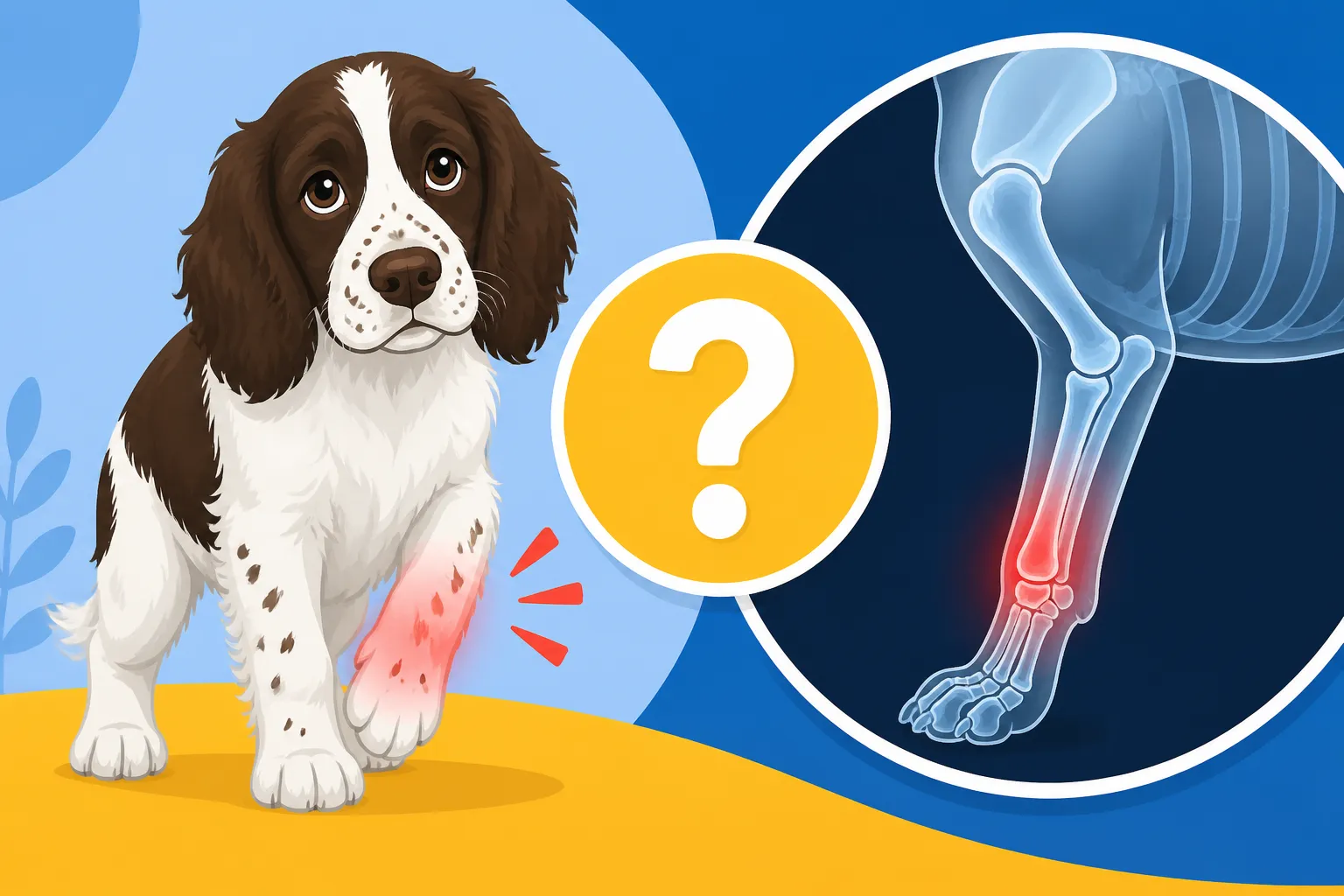
X-rays, or radiographs, provide a detailed picture of your puppy's bones and joints. For a limping puppy, they can reveal a whole host of issues that are invisible to the naked eye. This includes obvious problems like fractures – a broken bone from a fall or an awkward landing. They can also show subtle hairline fractures that might not cause obvious swelling but are causing significant pain. Beyond breaks, X-rays can detect luxations, which are dislocations where a bone is displaced from its joint.
Crucially for puppies, X-rays are excellent at visualizing those delicate growth plates. A growth plate injury, or physis fracture, might look like a simple sprain on the outside, but the X-ray can show if the plate itself has been damaged, fractured, or prematurely closed. They can also reveal early signs of developmental orthopedic diseases. For a breed like the Springer Spaniel, which can be prone to certain genetic conditions, X-rays are key. For instance, while definitive certifications like OFA for Hip Dysplasia in a Springer Spaniel and Elbow Dysplasia in a Springer Spaniel usually occur at two years of age, early X-rays can sometimes catch severe cases or indicators in puppies that guide early management strategies. This is why a breeder who performs The Health Tests Both Springer Spaniel Parents Should Have is so important, as it helps minimize the risk of these inherited conditions.
The Role of Age and Breed Predisposition
A puppy's age is paramount when considering X-rays for a limp. As mentioned, growth plates are open and vulnerable until your puppy reaches skeletal maturity, typically around 12-18 months, depending on the breed and individual dog. An injury to a growth plate in a very young puppy has different implications than a similar injury in an older, more skeletally mature dog. The younger the puppy, the more potential for growth disturbance if the growth plate is compromised.
Springer Spaniels, as a breed, do have predispositions to certain orthopedic issues. Besides hip and elbow dysplasia, they can occasionally suffer from conditions like osteochondritis dissecans (OCD), a condition where cartilage fails to develop properly and separates from the underlying bone, most commonly in the shoulder, elbow, stifle, or hock. These conditions, while often genetic, can be exacerbated by rapid growth, excessive exercise, or injury during puppyhood. X-rays play a vital role in identifying these issues early, allowing for timely intervention that could involve anything from strict rest to surgical correction. Knowing the breed's predispositions helps your vet assess the situation with a more targeted approach.
The Veterinarian's Decision-Making Process for X-Rays
When your vet examines your limping Springer Spaniel puppy, they're performing a detective job. They'll start with a thorough physical exam, gently manipulating each joint and bone, looking for swelling, heat, pain, or instability. They'll watch your puppy walk and run, if possible, to assess the gait. Based on their findings, they'll then decide if X-rays are warranted.
Often, if the limp is severe, persistent, or if pain is clearly localized to a joint or bone, X-rays will be recommended immediately. If the physical exam points towards a growth plate injury or a suspected fracture, X-rays are essential. Sometimes, if the limp is mild and no obvious cause is found on exam, the vet might recommend a short period of rest with anti-inflammatory medication and then re-evaluate. However, if the limp doesn't improve, or worsens, X-rays will likely be the next step. It's important to remember that getting good quality X-ray images, especially of sensitive areas like hips and elbows, often requires sedation or light anesthesia to ensure the puppy is completely still and positioned correctly. This can be a bit nerve-wracking for owners, but it's crucial for accurate diagnosis.
Understanding Potential Diagnoses and Next Steps
Once the X-rays are taken, your vet will interpret them and discuss the findings with you. This is often the most anxious part for owners, as you're waiting for answers about your beloved puppy's health. The diagnosis will guide the next steps, which can range from simple rest to more complex medical or surgical interventions.
Growth Plate Injuries: The Silent Threat
Growth plate injuries are particularly concerning in puppies because they can have lasting consequences if not managed correctly. As your puppy grows, the growth plates are responsible for elongating their bones. If a growth plate is fractured or severely damaged, it can stop growing prematurely, or grow unevenly. This can lead to a limb that is shorter than the other, or one that develops at an abnormal angle. Imagine a Springer Spaniel with one leg significantly shorter than the other – it would impact their mobility and lead to compensatory issues, potentially causing Arthritis in an Older Springer Spaniel.
Treatment for growth plate injuries depends on their severity and location. Minor injuries might require strict crate rest and anti-inflammatory medication, allowing the plate to heal without further stress. More severe fractures might necessitate surgical intervention to stabilize the bone and ensure proper alignment, giving the growth plate the best chance to recover. The key is prompt diagnosis via X-rays and diligent follow-through on the vet's recommendations to ensure your puppy develops a sound musculoskeletal system.
Developmental Orthopedic Conditions: Catching Them Early
Springer Spaniels, like many active, medium-to-large breeds, can be prone to certain developmental orthopedic conditions. Hip Dysplasia in a Springer Spaniel and Elbow Dysplasia in a Springer Spaniel are two of the most common. These are complex conditions where the joints don't develop properly, leading to looseness, pain, and eventually arthritis. While they are often genetic, environmental factors during puppyhood, such as excessive or inappropriate exercise, rapid weight gain, or poor nutrition, can influence their expression.
While official screening for these conditions usually isn't done until a dog is two years old, early X-rays taken for a limping puppy might reveal indicators. For example, a vet might notice subtle signs of joint laxity or abnormal bone development that suggest a predisposition to dysplasia. Catching these early, even if it's not a definitive diagnosis, allows you and your vet to implement preventative measures. This could mean adjusting exercise routines, managing weight carefully, or discussing specific joint supplements. This proactive approach can sometimes lessen the severity of the disease as your dog matures.
| Common Causes of Puppy Limping | Key Signs | Likelihood of X-Rays Needed |
|---|---|---|
| Minor Paw Injury | Visible cut, thorn, or debris; mild, intermittent limp; licking paw; mild pain on direct touch. | Low, unless persistent or severe. |
| Muscle Strain/Sprain | Mild to moderate limp, often improves with rest; no visible swelling or deformity; pain localized to muscle. | Moderate, if no improvement after 24-48 hours. |
| Panosteitis (Growing Pains) | Shifting lameness (one leg today, another tomorrow); tenderness on palpation of long bones; no specific injury. | High, to rule out other serious conditions. |
| Growth Plate Injury/Fracture | Sudden, severe limp; inability to bear weight; swelling; crying out in pain; visible deformity (less common). | Very High, immediate X-rays crucial. |
| Luxation (Dislocation) | Sudden, severe limp; limb held at an unnatural angle; extreme pain; inability to move joint normally. | Very High, immediate X-rays crucial. |
| Early Dysplasia (Hip/Elbow) | Intermittent or consistent limp; reluctance to play/jump; bunny hopping; stiffness, especially after rest; no specific injury. Often subtle in puppies. | Moderate to High, if other causes ruled out or suspicion from vet. |
Other Musculoskeletal Issues to Consider
While fractures, growth plate injuries, and dysplasia are the big ones, X-rays can also help rule out other, less common, but equally important conditions. For instance, sometimes a puppy can develop an osteochondroma, which is a benign bone tumor, or in rare cases, even bone infections. While these are far less frequent causes of limping in young puppies, the diagnostic power of an X-ray ensures that your vet has the fullest picture possible, preventing missed diagnoses that could compromise your puppy's future health. It’s all about leaving no stone unturned when it comes to their wellbeing.
Managing the Limp and Recovery Journey
Once a diagnosis is made, the focus shifts to treatment and recovery. This phase can be just as challenging as the initial worry, requiring patience, discipline, and often, a financial commitment.
Immediate Home Care Before the Vet Visit
If your Springer Spaniel puppy suddenly develops a limp, there are a few things you can do immediately before heading to the vet. First and foremost, restrict their activity. No more running, jumping, or roughhousing. A quiet, comfortable space where they can rest is essential. Avoid letting them go up or down stairs, or jump on and off furniture. Gently check their paw pads for any foreign objects, cuts, or obvious swelling. However, do not try to force them to bear weight, manipulate the joint, or administer any human pain medications without veterinary guidance, as many are toxic to dogs or can mask symptoms. Simply observe, keep them calm, and get them to the vet as soon as possible.
Post-Diagnosis Management and Rehabilitation
The recovery process will largely depend on the specific diagnosis. For a minor sprain or panosteitis, your vet might prescribe anti-inflammatory pain medication, along with strict rest for a period of several weeks. This "rest" means short, leashed potty breaks only, no zoomies in the yard, and definitely no dog park visits. This level of restriction can be incredibly difficult for an active Springer Spaniel puppy, but it’s crucial for proper healing. Consider puzzle toys and gentle indoor enrichment to keep their minds engaged without putting stress on their body.
For more severe issues like fractures or certain developmental conditions, surgical intervention might be necessary. After surgery, your puppy will typically need a much longer period of restricted activity, often followed by rehabilitation. This could include controlled exercises, hydrotherapy, or therapeutic massages, all designed to rebuild muscle strength and restore range of motion. It's a journey, not a sprint, and consistent follow-up appointments and X-rays will be necessary to monitor healing and ensure optimal recovery. Throughout this, a balanced, high-quality diet is always important to support healing and growth.
The Emotional and Financial Toll on Owners
Let's be real, dealing with a limping puppy is emotionally draining. The worry, the guilt, and the constant vigilance take a toll. And then there's the financial aspect. Diagnostic X-rays, medication, potential surgeries, follow-up visits, and physical therapy can quickly add up, turning an unexpected limp into a significant expense. This is where having pet insurance like Healthy Paws can truly be a lifesaver. Many owners find that the peace of mind knowing unexpected vet bills are largely covered allows them to make medical decisions based on what's best for their dog, rather than being constrained by cost.
Without insurance, unexpected vet visits, especially emergencies, can be a huge burden. What a Springer Spaniel's Vet Bills Look Like can be quite extensive over their lifetime, and a puppy injury is a prime example of an early, unexpected cost. It's why I always recommend researching What Insuring a Springer Spaniel Runs as early as possible in your puppy's life, ideally before any pre-existing conditions develop. Planning for the unexpected is a wise move for any Springer Spaniel owner, especially with a breed so prone to active outdoor lives.
Disclaimer
The information provided in this article is for general educational purposes only and is not intended to be a substitute for professional veterinary advice, diagnosis, or treatment. Always seek the advice of your veterinarian or other qualified health provider with any questions you may have regarding a medical condition.