Whether a Springer Spaniel’s Ear Infection Is Allergy Driven
Oh, the infamous Springer Spaniel ear! If you're a Springer parent, you've probably spent countless hours cleaning, inspecting, and worrying over those beautiful, floppy ears. It's incredibly frustrating when you've done everything right—or so you thought—and still your beloved companion is shaking their head, scratching, and developing that tell-tale odor. So, you're left wondering: are these constant ear infections just a fact of life for our breed, or is there something deeper at play, like allergies? Let's dive into whether a Springer Spaniel's ear infection is allergy-driven and what you can do about it.
The Frustrating Cycle of Springer Spaniel Ear Infections
Living with a Springer Spaniel often means living with ear issues. It's a common lament among us, and for good reason. It feels like you're constantly battling something, and it's exhausting for both you and your dog.
Why Springer Spaniel Ears Are Prone to Trouble
Let's be real, those gorgeous, pendulous ears, so iconic to our breed, are also their Achilles' heel. Unlike dogs with prick ears that allow for excellent airflow, our Springers have a built-in moisture trap. Their long, floppy ear leather covers the ear canal, creating a warm, dark, and often damp environment. Add to that the generous amount of hair many Springers have inside and around their ear canals, and you've got a perfect storm.
This humid, poorly ventilated space is an ideal breeding ground for yeast and bacteria, which are naturally present on a dog's skin. When conditions are right—or rather, wrong—these microorganisms can multiply out of control, leading to an infection. Many owners diligently clean their dogs' ears, trying to combat this, but the recurrence can be disheartening. It often leaves us wondering if there's a deeper, underlying cause that mere cleaning can't address. We often talk about Why a Springer Spaniel's Ear Traps Moisture because it truly is a foundational issue for the breed.
The Obvious Signs of an Ear Infection
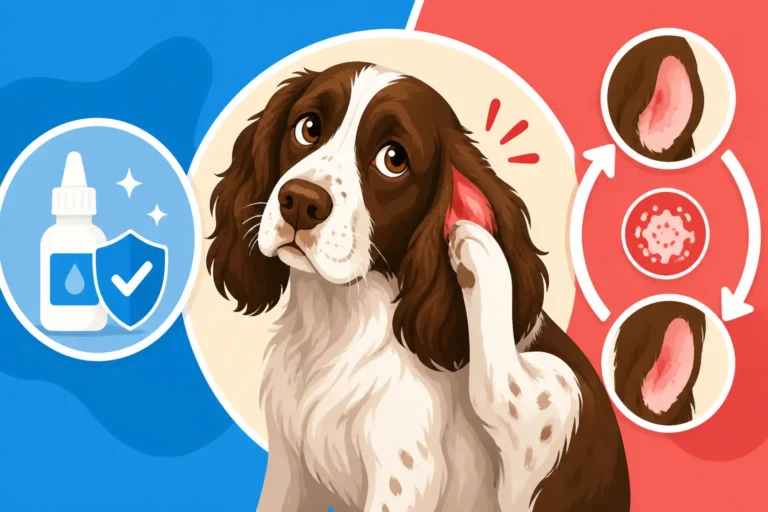
You know the drill: your Springer starts to get itchy, they're shaking their head with more vigor than usual, or perhaps rubbing their ear along the carpet or furniture. Maybe you've noticed a strange smell emanating from the ear, or a discharge that can range from waxy and brown to pus-like and yellowish. And then there's the pain, which can make your typically sweet-natured dog yelp when you touch their ear, or even become withdrawn and grumpy.
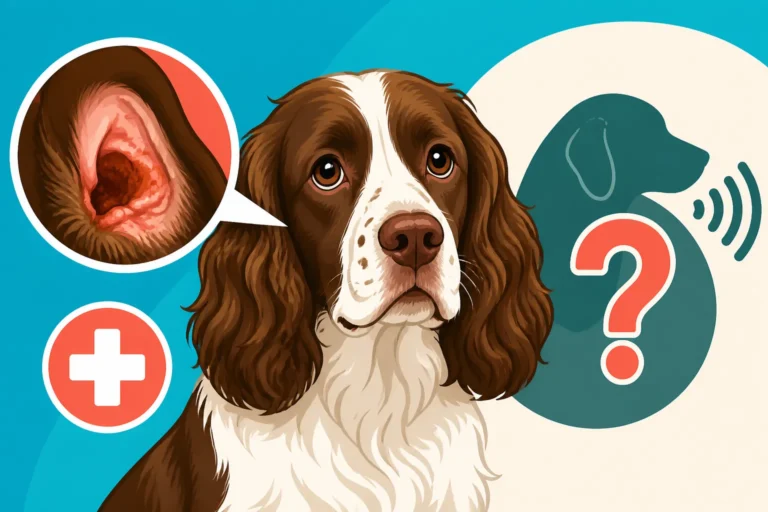
These are all classic symptoms, and while they tell us an infection is present, they don't tell us why it keeps happening. It's easy to treat the symptoms with medicated drops, but if you're finding yourself at the vet every few months for the same old problem, it's a huge clue that something else is at play. We’ve all seen Signs a Springer Spaniel Has an Ear Infection one too many times, and it's a clear signal to dig deeper.
Unmasking the Allergy Connection
Many times, those persistent, recurring ear infections aren't just bad luck or insufficient cleaning; they're a symptom of an underlying allergy. Think of it this way: your Springer's ears are often the "canary in the coal mine" for a systemic allergic reaction.
How Allergies Fuel Ear Infections
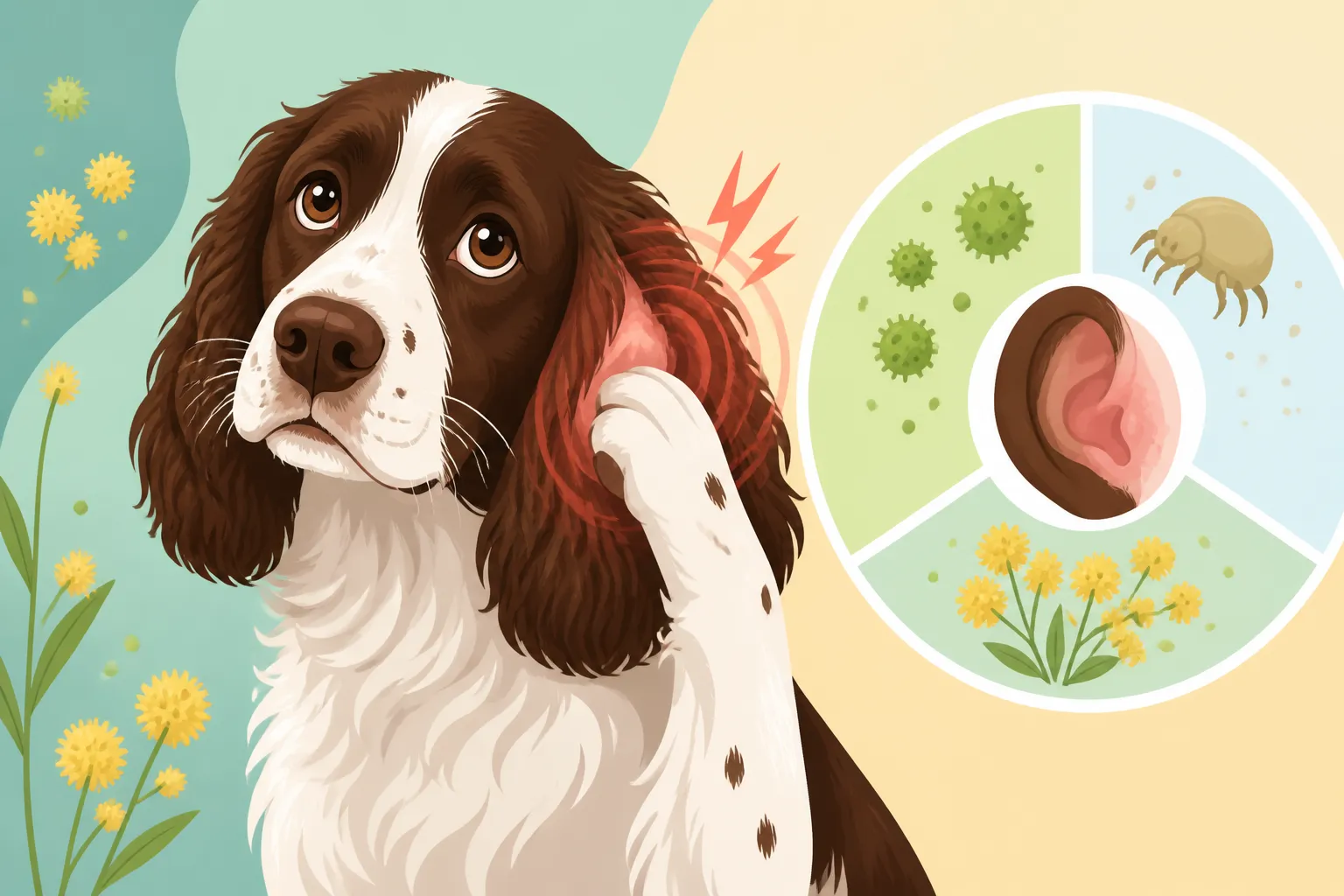
When a Springer Spaniel has allergies, their immune system overreacts to something harmless in the environment or their food. This triggers a cascade of inflammation throughout their body, with the skin being a primary target. In the ears, this inflammation causes the lining of the ear canal to swell, making it even narrower and reducing airflow further. It also often leads to increased production of wax and other secretions.
This inflamed, moist, and congested environment is precisely what yeast (like Malassezia) and bacteria love. They seize the opportunity to multiply, leading to those frustrating secondary infections. So, while the immediate problem is bacterial or yeast overgrowth, the root cause is the allergic reaction creating the perfect conditions for that overgrowth. It's like having a leaky roof (the allergy) that keeps causing puddles inside your house (the ear infection). Without fixing the roof, you'll be endlessly mopping up puddles. This is why many experienced Springer owners opt for pet insurance, because the diagnostics and long-term management of allergies can be costly. For example, a reliable provider like Healthy Paws can often help cover these expenses, allowing you to focus on your dog's health without financial stress.
Common Allergy Triggers for Springer Spaniels
Identifying the specific allergen is key to breaking the cycle. There are a few main culprits we see in Springers:
- Environmental Allergies (Atopy): These are by far the most common, often referred to as atopic dermatitis. Just like people can be allergic to pollen, dust mites, or mold, so can our dogs. Symptoms often worsen seasonally, but indoor allergens like dust mites can cause year-round issues. Your dog might be itchy all over, constantly licking their paws, or yes, battling recurrent ear infections.
- Food Allergies: While less common than environmental allergies, food allergies can definitely manifest as skin and ear problems. The most frequent offenders are often proteins like chicken, beef, dairy, wheat, and soy. It's not usually a reaction to a specific brand of food, but to an ingredient within that food.
- Contact Allergies: These are rarer but can occur if your Springer comes into direct contact with something they're allergic to, such as certain grasses, cleaning products, or even bedding materials. If the ears are the only affected area, and there's a clear correlation with something they rub against, this might be a consideration.
It's truly eye-opening to realize How Often Allergies Drive a Springer Spaniel's Ear Disease. Understanding The Allergens Behind a Springer Spaniel's Itch is the first step towards a lasting solution.
Diagnosing and Managing Allergy-Driven Ear Issues
Pinpointing an allergy as the culprit behind recurring ear infections can feel like detective work, but it's a crucial step toward long-term relief for your Springer.
The Diagnostic Journey: Ruling Out and Pinpointing
Your vet's first step will always be to treat the active ear infection. This usually involves a thorough cleaning and cytology (examining a sample under a microscope to identify yeast, bacteria, and inflammatory cells). They might prescribe topical ear drops or oral antibiotics/antifungals. However, if the infection keeps coming back, it’s time to look deeper.
This is where the true diagnostic journey begins. Your vet might want to rule out other possibilities first, like foreign bodies (a sneaky grass awn, for instance), ear mites (though less common in adult dogs with chronic issues), or polyps/tumors within the ear canal. Once these are excluded, the focus shifts to allergies.
- Allergy Testing: There are two main types:
- Intradermal Skin Testing: Performed by a veterinary dermatologist, this involves injecting tiny amounts of common allergens under the skin and observing reactions. It's considered the gold standard for environmental allergies.
- Blood Tests (Serology): These tests measure antibodies to various allergens in the blood. While convenient, their accuracy compared to intradermal testing is often debated among specialists.
- Elimination Diet Trials: For suspected food allergies, your vet will recommend an elimination diet. This involves feeding your dog a novel protein (one they've never eaten before, like venison or duck) or a hydrolyzed protein diet (where proteins are broken down so the immune system doesn't recognize them as allergens) for 8-12 weeks. During this time, absolutely no other treats, chews, or flavored medications can be given. If symptoms resolve and then return when the old food is reintroduced, a food allergy is confirmed.
This diagnostic journey can be extensive, and the costs associated with specialized tests or a veterinary dermatologist can add up quickly. This is where pet insurance, like a comprehensive plan from Healthy Paws, can be incredibly valuable. They can help cover a significant portion of these diagnostic steps, allowing you to pursue the best course of action without undue financial strain. Learning about What a Springer Spaniel's Allergy Workup Costs can prepare you, and understanding Running an Elimination Diet on a Springer Spaniel is vital for food allergy suspicions.
Long-Term Management Strategies
Once an allergy is identified, managing it is a marathon, not a sprint. The goal is to reduce inflammation, prevent secondary infections, and make your Springer more comfortable.
- Topical and Systemic Medications: You’ll likely continue using medicated ear cleaners and topical treatments as needed to keep infections at bay. For severe inflammation or recurring infections, your vet might prescribe oral anti-inflammatories or other medications.
- Immunotherapy: If environmental allergies are confirmed, immunotherapy (allergy shots or oral drops) is often the most effective long-term solution. These treatments work by gradually desensitizing your dog's immune system to the specific allergens they react to, rather than just suppressing symptoms. It takes time, often 6-12 months to see full results, but it can dramatically reduce flare-ups.
- Dietary Changes: For food allergies, a permanent switch to a novel protein or hydrolyzed diet is necessary. It's crucial to stick strictly to the prescribed diet for life.
- Regular Ear Care: Even with allergy management, diligent ear hygiene is vital. Regular cleaning with appropriate ear cleaner, as recommended by your vet, helps maintain a healthy ear environment and removes any debris that could contribute to infection.
Managing chronic allergies is an ongoing commitment, and the cost of daily or weekly ear cleaning, specialized diets, or long-term immunotherapy can impact your budget. Many Springer owners find that having pet insurance, such as Healthy Paws, helps immensely with these continuous treatment expenses, ensuring their furry friend gets the consistent care they need. We know that What Ear Cleaner Costs a Springer Spaniel Owner Yearly is just one piece of the puzzle.
Proactive Care and Prevention
While we can't completely change a Springer Spaniel's ear anatomy, we can certainly adopt proactive strategies to minimize the impact of allergies and prevent those dreaded ear infections.
Daily Habits to Support Ear Health
Being consistent with preventative care is perhaps the most significant thing you can do for your Springer's ears. It might seem like a lot of effort upfront, but it pales in comparison to dealing with a full-blown infection.
- Routine Cleaning: Establish a regular ear cleaning schedule, even when the ears look healthy. Your vet can recommend a gentle, drying ear cleaner suitable for regular use. For many Springers, this means once a week, or even a couple of times a week during allergy season or after water exposure. This removes excess wax and debris before it can become a problem.
- Drying After Water Exposure: This is non-negotiable for a water-loving Springer. Whether they’ve been swimming in the lake, had a bath, or even just gotten wet on a rainy walk, thoroughly drying their ears is crucial. Use cotton balls or a soft cloth to gently absorb moisture from the outer ear canal. A specific ear drying solution can also be beneficial. It's why we always stress Drying a Springer Spaniel's Ears After Swimming.
- Proper Diet and Supplements: A healthy skin barrier is your first line of defense against allergens and infections. Ensure your Springer is on a high-quality, balanced diet. Supplements like omega-3 fatty acids (fish oil) can significantly improve skin and coat health, which in turn supports ear health.
- Regular Grooming: Keeping the hair around and inside your Springer's ear canals trimmed or plucked (if recommended by your vet or groomer) can greatly improve airflow. This simple step can make a big difference in reducing humidity. For many of us, knowing How Often a Drop Eared Springer Spaniel Needs Cleaning becomes second nature.
When to Seek Professional Help (and Consider Insurance)
Never delay a vet visit if you suspect an ear infection. While you might know the signs by heart, your vet needs to confirm the type of infection and prescribe the correct medication. Self-treating can lead to resistant infections and worsen the problem. Consistency in following your vet's treatment plan is also crucial for successful resolution and prevention of recurrence.
For chronic ear issues, especially those driven by allergies, the costs can truly add up. Diagnostics like allergy testing, long-term immunotherapy, prescription diets, and frequent vet visits can become a significant financial burden. This is precisely why many Springer Spaniel owners consider pet insurance. Plans from providers like Healthy Paws are designed to help with unexpected illnesses and recurring conditions, potentially covering a large portion of these costs. This allows you to focus solely on getting your Springer the best care, rather than worrying about the bill. Understanding What Insuring a Springer Spaniel Runs and especially Whether Insurance Covers a Springer Spaniel's Ears is critical when evaluating your options. It's an investment in your dog's long-term comfort and your peace of mind.
Common Ear Infection Causes & Management
Here's a quick overview of common ear infection causes and how they might be managed:
| Cause of Ear Infection | Typical Symptoms | Diagnosis | Management Strategies |
|---|---|---|---|
| Allergies (Environmental/Food) | Recurrent infections, generalized itching, paw licking, skin inflammation, head shaking. | Allergy testing (intradermal/blood), elimination diet trial. | Identifying and avoiding allergens (if possible), immunotherapy, antihistamines, steroids, medicated ear washes, dietary changes for food allergies, consistent ear cleaning. |
| Yeast Overgrowth | Dark brown, waxy discharge; sweet/musty odor; intense itching, head shaking. | Ear cytology (microscopic exam). | Antifungal ear drops, sometimes oral antifungals for severe cases. Address underlying cause (often allergies or moisture). |
| Bacterial Infection | Yellow/green pus-like discharge, foul odor, pain, redness, swelling, head shaking. | Ear cytology, sometimes bacterial culture and sensitivity testing. | Antibiotic ear drops, sometimes oral antibiotics for severe or middle ear infections. Address underlying cause (often allergies or moisture). |
| Ear Mites | Very itchy ears, dark, crumbly discharge resembling coffee grounds (more common in puppies). | Otoscopic exam, ear cytology. | Topical or systemic antiparasitic medications. Clean ears thoroughly. |
| Foreign Body | Sudden onset of severe irritation in one ear, head shaking, pawing at ear. | Otoscopic exam (requires sedation if painful). | Removal of the foreign body (e.g., grass awn). |
| Moisture Retention | Frequent infections, especially after swimming or bathing; less odor if mild. | History of water exposure, examination of ear canal. | Regular cleaning with drying ear solution, thorough drying after water activities. Address underlying anatomy (excess hair, floppy ears). |
Disclaimer
The information provided in this article is for general informational purposes only and is not a substitute for professional veterinary advice. Always consult with a qualified veterinarian regarding any health concerns or before making any decisions about your pet's medical care.