Whether a Gonioscopy Should Be Repeated on a Springer Spaniel
The thought of your beloved Springer Spaniel facing potential vision problems is enough to send shivers down any owner's spine. When your vet mentions a procedure called a gonioscopy, it can sound daunting and leave you wondering if this is a one-time ordeal or something you'll face repeatedly. This guide will walk you through exactly what a gonioscopy involves for your Springer, why it's so important, and when and why your vet might recommend having it repeated, so you can navigate this aspect of your dog's health with confidence.
Understanding the Initial Gonioscopy for Your Springer Spaniel
Bringing a Springer Spaniel into your life means embracing their boundless energy, their goofy charm, and their wonderful ability to sniff out anything interesting. It also means becoming acutely aware of certain health predispositions, and for our beloved Springers, eye health is definitely high on that list. One of the most critical diagnostic tools for assessing eye health, particularly concerning glaucoma, is the gonioscopy.
What Exactly is a Gonioscopy?
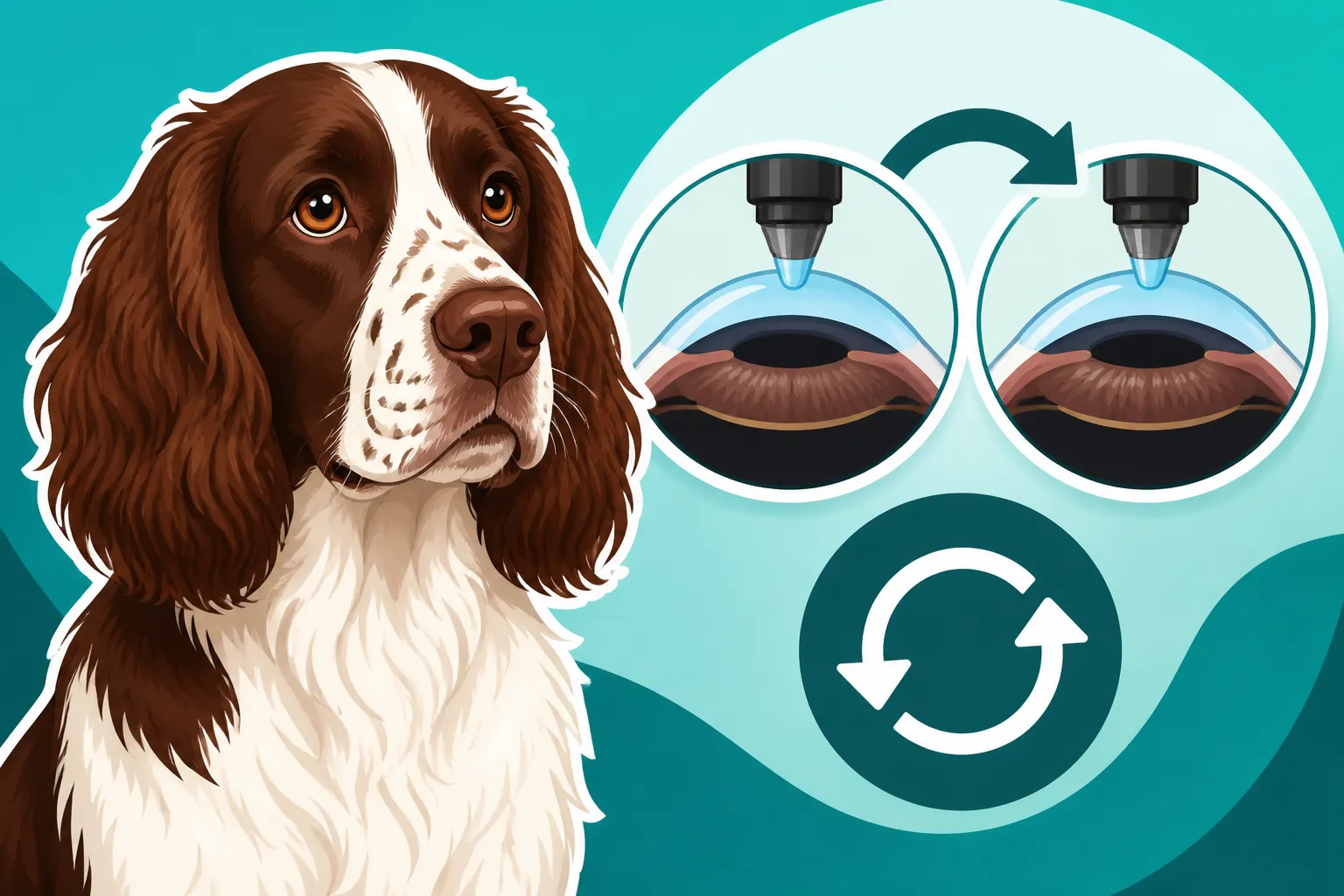
A gonioscopy is essentially a specialized eye examination that allows a veterinary ophthalmologist to examine the drainage angle of your dog's eye. Think of it like this: your dog's eye constantly produces a fluid called aqueous humor. For healthy vision and eye pressure, this fluid needs to drain out at a steady rate. The drainage angle is the area where this fluid exits the eye. In some breeds, including our Springers, this angle can be abnormally narrow or malformed, restricting the fluid outflow.
During the procedure, a special contact lens, called a goniolens, is placed on your dog's cornea. This lens has mirrors that allow the specialist to visualize the intricate structures of the drainage angle. It’s a non-invasive test, typically requiring some mild sedation to ensure your dog is comfortable and still, allowing for a precise and thorough examination. It's not painful for your dog, but it does require cooperation, which is why a calm environment and often, a little relaxation medicine, are key.
Why Gonioscopy is Crucial for Springer Spaniels
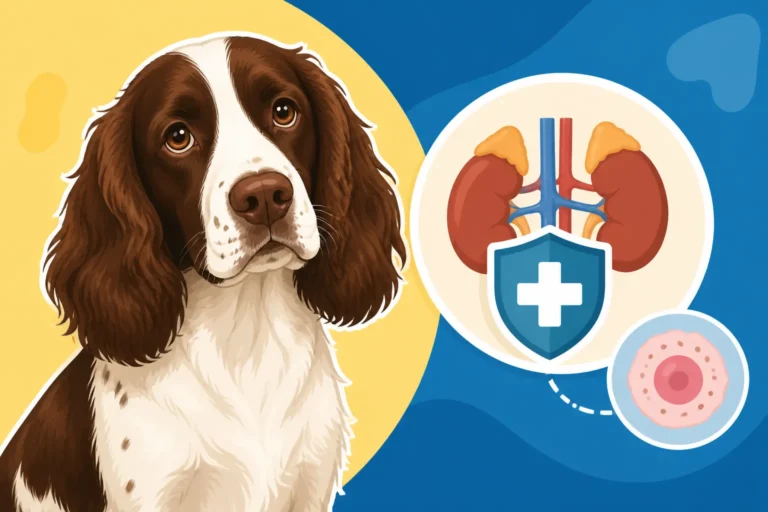
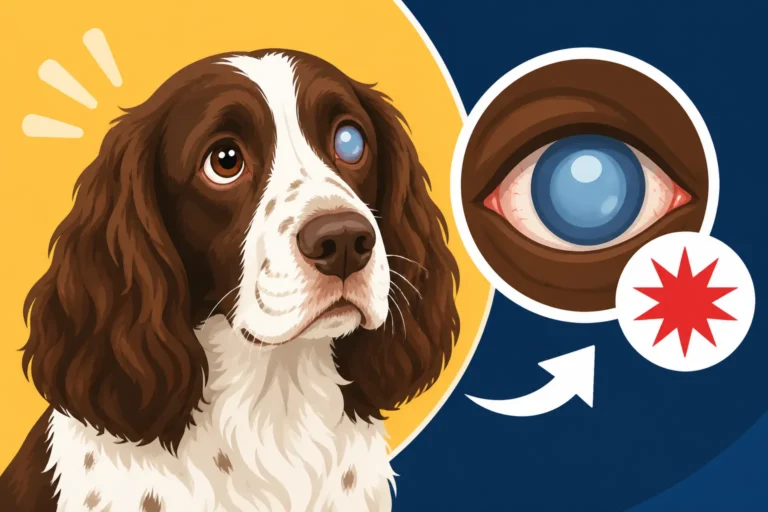
For English Springer Spaniel owners, understanding the risks associated with primary glaucoma is paramount. Springer Spaniels are genetically predisposed to a condition called primary glaucoma, specifically primary angle-closure glaucoma (PACG). This inherited condition causes a blockage in the eye's drainage system, leading to a build-up of fluid, increased intraocular pressure, and eventually, irreversible damage to the optic nerve and blindness. It's a truly heartbreaking condition that can progress incredibly quickly.
This is precisely why a gonioscopy is so vital for our breed. It's a proactive measure, a peek into the future, if you will, to assess the likelihood of your dog developing this debilitating disease. By identifying narrow or abnormal drainage angles early, you and your vet can better understand your dog's risk profile. This knowledge empowers breeders to make responsible decisions and allows pet owners to be vigilant about monitoring their dog’s eye health. You can learn more about Why a Springer Spaniel Needs a Gonioscopy by exploring our detailed guide on the topic.
Factors Influencing Repeat Gonioscopies for Your Springer
So, you’ve had the initial gonioscopy, breathed a sigh of relief (or perhaps absorbed some concerning news), and now you're left wondering: is this it? Or will we be back for another round? The decision to repeat a gonioscopy isn't taken lightly and depends on several critical factors, from initial findings to changes in your dog's health.
When a Second Look Is Needed
There are several scenarios where your veterinary ophthalmologist might recommend a repeat gonioscopy:
- Ambiguous Initial Results: Sometimes, the initial examination might not yield a perfectly clear picture. Perhaps your dog was a little antsy even with sedation, or the structures were partially obscured. In such cases, a repeat procedure ensures a definitive diagnosis. It's better to be absolutely sure, especially when dealing with a condition that has such severe consequences.
- For Breeding Soundness: If your Springer Spaniel is part of a breeding program, regular health screenings are crucial. The English Springer Spaniel Field Trial Association (ESSFTA) and other breed clubs emphasize responsible breeding practices, which include screening for genetic diseases. A dog might have had an initial gonioscopy as a young adult, but as they mature or before subsequent breedings, a repeat test might be recommended to confirm the stability of their drainage angles and minimize the risk of passing on this devastating condition. This ties into the broader topic of The Health Tests Both Springer Spaniel Parents Should Have before breeding.
- As Part of a Comprehensive Eye Health Panel: Beyond glaucoma, there are other eye conditions that can affect Springers. A repeat gonioscopy might be part of a larger, ongoing eye health check, especially if there are other concerns developing. You might also want to consult resources on The Four Eye Diseases a Springer Spaniel Breeder Screens For to understand the full spectrum of recommended screenings.
Monitoring High-Risk Dogs
For Springers identified as being at higher risk, a repeat gonioscopy becomes less about initial diagnosis and more about ongoing vigilance.
- Dogs with Predisposed Angles: If the initial gonioscopy revealed narrow but not yet closed drainage angles, your dog is considered high-risk. These dogs require careful, regular monitoring. A repeat gonioscopy, often performed yearly or bi-annually, allows the ophthalmologist to track any changes in these angles over time. Early detection of worsening angles can prompt preventative treatment, potentially delaying or preventing the onset of acute glaucoma. This is about staying one step ahead.
- Family History of Glaucoma: Even if your dog's initial gonioscopy looks okay, a strong family history of primary glaucoma can warrant more frequent checks. Genetics play a huge role here, and while a clear gonioscopy is good news, it's not a lifelong guarantee, as angles can sometimes change with age. Knowing your dog's lineage is important for proactive care, and The DNA Test That Should Precede Every Springer Spaniel Purchase can provide valuable insights into genetic predispositions.
Changes in Clinical Signs
Perhaps the most urgent reason for a repeat gonioscopy is the sudden appearance of clinical signs suggestive of glaucoma. Even if your dog had a clear gonioscopy in the past, new symptoms demand immediate attention.
- Symptoms to Watch For: Keep a close eye out for any changes in your Springer's eyes or behavior. These can include redness in the eye, cloudiness of the cornea (the clear outer layer), a dilated pupil that doesn't react to light, pain (your dog might rub its eye, squint, or become withdrawn), or a sudden decrease in vision. If you notice any of these, don't wait.
- Rapid Progression: Primary glaucoma in Springer Spaniels can onset suddenly and progress rapidly. One day your dog might seem fine, and the next they could be in severe pain with an emergency unfolding. A repeat gonioscopy would be part of the emergency diagnostic workup to confirm the angle-closure and guide immediate treatment. Understanding How Primary Glaucoma Blinds a Springer Spaniel can help emphasize the urgency of these situations.
Table: Factors Influencing Repeat Gonioscopy Recommendations
| Factor | Initial Gonioscopy Result | Typical Recommendation for Repeat | Rationale |
|---|---|---|---|
| Routine Screening | Clear, normal angles | Not typically repeated routinely | Confirms healthy drainage, low risk without other factors. |
| Breeding Stock | Clear, normal angles | Prior to subsequent breedings | Ensures continued suitability, re-evaluates risk with maturity. |
| Ambiguous Results | Unclear/partial view | As soon as practical | Obtain a definitive and accurate assessment. |
| High-Risk (Narrow Angles) | Narrow, non-occluded angles | Annually or every 6-12 months | Monitor progression, detect changes before acute crisis. |
| Glaucoma Diagnosis | Angle-closure confirmed | Often not repeated | Diagnosis is established, focus shifts to treatment. |
| Clinical Signs Appear | Any prior result | Immediately | Investigate new symptoms, rule out or confirm active glaucoma. |
Living with Glaucoma Risk: Proactive Steps and Financial Considerations
Finding out your Springer Spaniel is at risk for glaucoma, or even managing an active case, can feel overwhelming. It's a heavy burden, but there are proactive steps you can take, and it's essential to plan for the potential financial impact.
Proactive Management and Lifestyle Adjustments
Beyond diagnostic tests, what can you actually do to manage this risk? A lot, actually!
- Regular Ocular Pressure Checks: This is perhaps the most important proactive step. If your Springer has been identified with narrow drainage angles, your regular vet or ophthalmologist will recommend frequent intraocular pressure (IOP) checks. These are quick, non-invasive measurements taken with a tonometry device. They don't require sedation and can be done during routine vet visits. Keeping a consistent schedule for these checks is vital for catching any upward trend in pressure early.
- Daily Eye Observation: As an owner, you are your dog’s first line of defense. Get into the habit of closely examining your Springer's eyes daily. Look for redness, cloudiness, discharge, excessive blinking, or any signs of discomfort. Compare both eyes; sometimes one eye can show subtle changes before the other. Early detection is truly critical with glaucoma because vision lost cannot be regained.
- Veterinary Ophthalmologist Relationship: Forge a strong relationship with a board-certified veterinary ophthalmologist. These specialists have the expertise and equipment to provide the most accurate diagnoses and the most effective treatment plans for complex eye conditions like glaucoma. Your general veterinarian can handle routine care, but an ophthalmologist is indispensable for ongoing management of glaucoma risk.
- Consider Medications: In some cases, for dogs with very narrow angles but no active glaucoma, an ophthalmologist might prescribe prophylactic eye drops to help manage pressure and potentially delay onset. This is a decision made on a case-by-case basis after careful evaluation.
The Financial Reality of Long-Term Care
Let's be honest, specialized veterinary care, especially for chronic conditions, can add up quickly. A gonioscopy itself isn't cheap, and if repeat procedures, ongoing medications, or even potential surgeries are needed, the costs can be substantial. Understanding What a Gonioscopy Costs on a Springer Spaniel will give you a baseline for this specific procedure, but it's important to look at the bigger picture.
- Diagnostic Costs: Initial and repeat gonioscopies, along with regular pressure checks and specialist consultations, contribute to the overall expense. These are investments in your dog's quality of life and vision.
- Medication Costs: If your Springer develops glaucoma, they will likely require lifelong medication, typically in the form of eye drops, sometimes multiple times a day. These medications can be expensive, and missing doses can have serious consequences.
- Surgical Interventions: In some severe cases of glaucoma, surgical options might be considered to preserve vision or alleviate pain, such as laser surgery to reduce fluid production or even enucleation (eye removal) if the eye is blind and painful. These are major procedures with significant costs attached.
- Pet Insurance: This is where comprehensive pet insurance can truly be a lifesaver. Providers like Healthy Paws offer plans that can cover a significant portion of diagnostic tests, specialist visits, medications, and even surgeries for chronic conditions like glaucoma, provided the condition isn't pre-existing when you enroll. Having a good policy from Healthy Paws can help alleviate the financial stress, allowing you to focus on getting your dog the best possible care without having to make heartbreaking decisions based on cost. It’s always wise to research What Insuring a Springer Spaniel Runs and select a plan that fits your potential needs.
- Budgeting: Even with insurance, it's wise to have a dedicated savings fund for your Springer Spaniel's health. Unexpected issues can always arise, and being financially prepared provides peace of mind.
Managing glaucoma risk or an active condition in your Springer Spaniel requires dedication and resources, but with proactive care, expert veterinary guidance, and careful financial planning (perhaps with the help of a trusted insurance provider like Healthy Paws), you can help your cherished companion live a comfortable and happy life, for The Twelve to Fourteen Years a Springer Spaniel Lives.
Disclaimer
This article is for general informational purposes only and does not constitute professional advice. Laws, prices and regulations vary by location and change over time. Consult a qualified professional for guidance on your specific situation.