Whether a Springer Spaniel’s Thyroid Should Be Checked for Aggression
It’s a heartbreaking and truly baffling experience when your sweet, loving Springer Spaniel suddenly starts exhibiting aggressive behaviors. You know your dog, you know their temperament, and when they snap, growl, or even bite, it feels like a betrayal, leaving you scared, confused, and desperately searching for answers. This guide aims to shed light on one often-overlooked physiological cause for such changes: thyroid dysfunction, helping you understand when to consider thyroid testing as part of a comprehensive investigation into your Springer’s aggression.
Understanding Canine Aggression in Springer Spaniels
Aggression in any dog breed is distressing, but it hits particularly hard when it comes from a Springer Spaniel, a breed celebrated for its cheerful disposition, keen intelligence, and affectionate nature. These aren’t dogs known for being "mean," so when aggression surfaces, it can feel profoundly out of character and leave owners utterly bewildered.
The Many Faces of Springer Spaniel Aggression
Aggression isn't a single, monolithic behavior; it's a complex spectrum. It can manifest in many forms:
- Fear-related aggression: Your dog might lash out when feeling trapped, cornered, or threatened. This is often seen in unfamiliar situations or when confronted by strangers.
- Territorial aggression: Defending their home, yard, or even their bed from perceived intruders, whether human or animal.
- Possessive aggression: Guarding food, toys, a favorite spot, or even a person. This can be particularly dangerous if a dog guards high-value items.
- Frustration-induced aggression: When a dog is prevented from doing something they want (like greeting another dog on leash, also known as barrier frustration), they might redirect their frustration aggressively.
- Pain-induced aggression: A dog in chronic pain might snap or growl when touched, even gently, because they associate touch with discomfort.
- Idiopathic aggression (Rage Syndrome): While rare, certain breeds, including Springer Spaniels, can be prone to sudden, unprovoked bouts of intense aggression, often with a "glazed over" look in their eyes. This is a very specific, serious condition that needs careful diagnosis. If you’re seeing sudden, intense, seemingly unprovoked aggression, it’s vital to investigate What Sudden Onset Aggression Looks Like in a Springer Spaniel.
Understanding the context and triggers for your Springer's aggression is the first critical step. Is it happening around food? When strangers approach? When you try to touch a specific part of their body? Each clue helps narrow down the potential causes and direct your investigation.
Why Aggression is Especially Concerning for Springer Owners
For Springer Spaniel owners, aggression can be particularly devastating. These dogs are typically so full of joy and eager to please that any deviation from this happy-go-lucky nature is alarming. Springers are also active, strong dogs with a lot of drive. If their aggression is left unaddressed, it can quickly escalate, posing a real danger to family members, other pets, or even strangers. The thought of rehoming or, even worse, euthanizing a beloved family member due to behavioral issues is a truly heartbreaking prospect that no owner ever wants to face. That's why exploring every possible avenue, including physiological causes, is so incredibly important. Many owners wonder Whether Rage Syndrome in Springer Spaniels Is Real because it sounds so extreme, but understanding all potential causes is key.
The Thyroid Gland's Role in Behavior
When behavioral changes, especially aggression, emerge, our minds often jump to training deficiencies or environmental factors. However, it's absolutely crucial not to overlook potential underlying medical conditions. The thyroid gland, a small but mighty gland located in your dog's neck, plays a far more significant role in overall health and behavior than many people realize.
Hypothyroidism: More Than Just Weight Gain
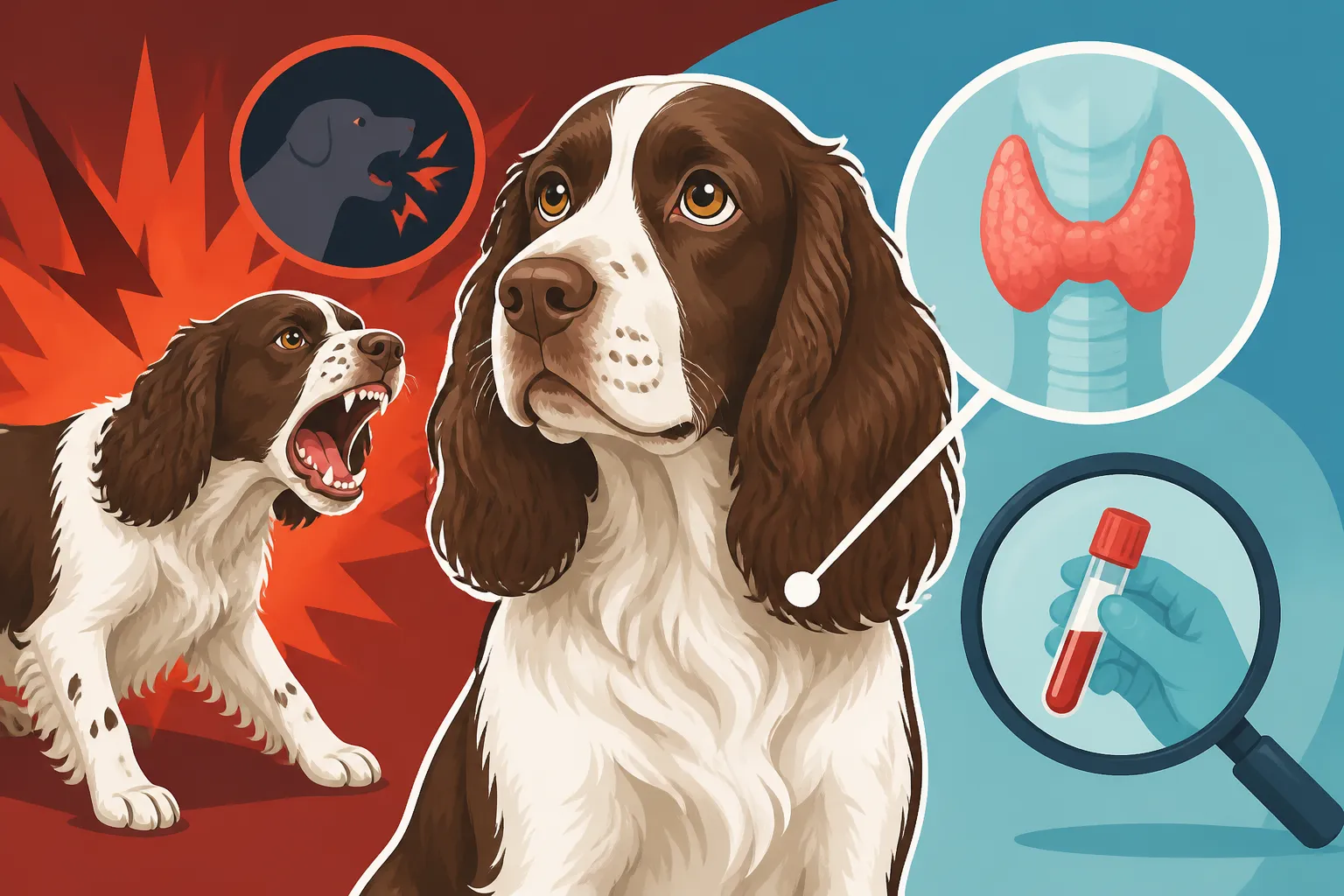
Hypothyroidism, an underactive thyroid gland, is a surprisingly common endocrine disorder in dogs. It means your dog's body isn't producing enough thyroid hormones, primarily thyroxine (T4). These hormones are like the conductors of an orchestra, influencing almost every metabolic process in the body, from energy regulation to skin health and, yes, even brain function.
When thyroid hormone levels dip too low, it can throw everything out of whack. While classic signs include lethargy, weight gain, a dull coat, and hair loss, hypothyroidism can also manifest in neurological and behavioral symptoms. A dog with insufficient thyroid hormones might experience:
- Increased anxiety: They might become easily startled, hyper-vigilant, or generally more nervous.
- Irritability: Little things that never bothered them before might now provoke a growl or snap. Their patience wears thin.
- Fear and phobias: Developing new fears or an intensification of existing ones.
- Depression: A general withdrawal, lack of interest in play, or a subdued demeanor.
- Aggression: This can be a direct result of increased anxiety, irritability, or even a subtle neurological impact. It’s not always overt, but a dog might become unpredictably snappish, particularly when startled or feeling threatened.
It’s a subtle shift, often attributed to "getting older" or "just being a dog," but these behavioral changes are very real indicators that something physiological might be amiss. Many owners are surprised to learn that Whether a Springer Spaniel Gets Hypothyroidism is a real possibility and can impact their dog’s mental state.
Recognizing the Subtle Signs of Hypothyroidism-Related Aggression
Aggression linked to hypothyroidism often doesn't look like classic "dominance" or overt territorial displays. Instead, it can be a more reactive, defensive, or fear-driven type of aggression. Imagine your sweet Springer, who once loved cuddles, now tensing up or even growling when you reach for them too quickly. Or perhaps they start snapping at other dogs during walks when they used to be perfectly friendly.
Here’s what you might notice:
- Increased sensitivity to touch: They might flinch or snap if you accidentally step on their paw or touch a sensitive area. This might also manifest as Signs a Springer Spaniel's Thyroid Has Failed.
- Unpredictable grumpiness: Episodes of growling or snapping that seem out of proportion to the trigger, or appear with no obvious trigger at all.
- Heightened anxiety: Pacing, panting, trembling, or being excessively clingy or conversely, withdrawn.
- Fearful reactions: Barking excessively at visitors, growling at shadows, or suddenly becoming reactive to sounds they previously ignored.
- Combination of symptoms: It’s rare for hypothyroidism to only present as aggression. Look for other accompanying signs, even mild ones:
- Lethargy or reduced energy levels
- Weight gain despite no change in diet
- Dull, dry coat, or patchy hair loss, particularly on the flanks or tail. Whether a Springer Spaniel's Coat Thins With Thyroid Disease is a common concern.
- Cold intolerance
- Recurrent skin or ear infections
These behavioral shifts are particularly crucial to investigate because Whether Thyroid Disease Changes a Springer Spaniel's Temperament significantly can impact their quality of life and the safety of your home.
Let's look at a comparison of common aggression types versus potential hypothyroid symptoms to highlight how insidious this condition can be:
| Symptom Category | Typical Aggression Triggers | Potential Hypothyroidism Manifestations |
|---|---|---|
| Energy Level | Normal to High | Lethargy, reduced stamina, less enthusiasm for play/walks |
| Weight/Appetite | Normal | Weight gain despite normal food intake, sometimes increased appetite |
| Coat/Skin | Normal (unless anxiety-related licking) | Dry, brittle coat; hair loss (flanks, tail); "rat tail"; increased shedding; recurrent skin infections |
| Reactivity | Specific triggers (territory, fear, pain) | Increased startle response, general irritability, unprovoked grumpiness, new fears |
| Social Interaction | Context-dependent (e.g., resource guarding) | Withdrawal, intolerance to petting, snapping at familiar people, increased anxiety around others |
| Pain Sensitivity | High sensitivity due to actual pain | Increased sensitivity to touch due to irritability/anxiety, not necessarily direct pain |
This table illustrates that while aggression is the presenting concern, a holistic look at your Springer's health might reveal other subtle changes pointing to thyroid issues.
The Importance of Thyroid Testing for Behavioral Changes
If you're noticing uncharacteristic aggression or significant behavioral shifts in your Springer Spaniel, especially in conjunction with other subtle physical symptoms, a trip to your veterinarian for a full workup is absolutely essential. Don't dismiss these changes as "just a phase" or "bad behavior."
When to Suspect a Thyroid Connection
While any unexplained aggression warrants a veterinary visit, a thyroid connection should be strongly considered if:
- The aggression is new and uncharacteristic: Your Springer has always been friendly, and now they're not.
- Other subtle physical symptoms are present: Even if mild, things like a dull coat, slight weight gain, or reduced energy should raise a flag.
- Aggression seems fear-based or irritable: Rather than purely possessive or territorial, it's more about being easily agitated, anxious, or reacting defensively to everyday situations.
- Other common causes have been ruled out: Your vet has checked for pain (dental, orthopedic, internal), neurological problems, and vision or hearing loss.
- The aggression seems to stem from a lowered tolerance threshold: Your dog is simply less patient and more easily overwhelmed.
Your vet will likely conduct a thorough physical exam and gather a detailed history of the behavioral changes. It's helpful to keep a journal of incidents, noting triggers, the exact behavior, and any other symptoms you've observed.
What Thyroid Testing Involves
Diagnosing hypothyroidism involves specific blood tests. It's not usually as simple as just running a basic T4. A comprehensive thyroid panel often includes:
- Total T4 (TT4): This measures the total amount of thyroxine in the blood. While a low TT4 can indicate hypothyroidism, it can also be influenced by other illnesses or medications (like steroids), so it's not always definitive on its own.
- Free T4 (FT4): This measures the unbound, biologically active form of thyroxine. It's generally a more accurate indicator of thyroid function and less affected by non-thyroidal illness.
- Thyroid Stimulating Hormone (TSH): This hormone, produced by the pituitary gland, stimulates the thyroid to produce T4. In hypothyroid dogs, TSH levels are often elevated because the pituitary is trying harder to get the underperforming thyroid to work.
- Thyroglobulin Autoantibodies (TgAA): This test checks for antibodies that can destroy thyroid tissue, indicating autoimmune thyroiditis, a common cause of hypothyroidism in dogs.
A complete panel gives your veterinarian the clearest picture of your dog's thyroid health. It's important to use a reputable veterinary diagnostic lab for these tests, as they have species-specific reference ranges. When facing such diagnostic tests, knowing that you have support can make a huge difference. Pet insurance providers like Healthy Paws can be a tremendous help in covering the costs of these vital blood tests, allowing you to pursue a thorough diagnosis without undue financial stress.
The Treatment Path and Prognosis
If your Springer Spaniel is diagnosed with hypothyroidism, the good news is that it’s usually very manageable with daily oral medication – a synthetic thyroid hormone called levothyroxine. This medication is safe, relatively inexpensive, and typically needs to be given for the rest of your dog's life.
What can you expect with treatment?
- Improved physical symptoms: Within a few weeks, you should start to see an increase in energy, improvement in coat quality, and a return to a healthy weight.
- Behavioral improvement: This can take a bit longer than physical changes, sometimes several weeks to a few months. You might notice a decrease in anxiety, irritability, and, consequently, a reduction in aggressive episodes. It’s important to manage expectations; while medication can be life-changing, it might not completely eliminate all behavioral issues if other factors are also at play.
- Follow-up: Your vet will recheck blood levels regularly, especially in the initial months, to ensure the dosage is correct.
Having a chronic condition like hypothyroidism means ongoing medication costs and regular vet check-ups. This is another area where pet insurance, like a plan from Healthy Paws, can really alleviate the burden, helping cover the long-term medication and monitoring appointments, making sure your Springer gets the consistent care they need. For many owners, successful treatment for hypothyroidism can mean a significant improvement in their Springer's demeanor, even if it doesn't entirely resolve every single behavioral quirk. This can often reduce the need to explore more drastic behavioral interventions, or at least provide a better foundation for them.
Comprehensive Approach to Aggression Management
While thyroid testing is a crucial step, especially when you're grappling with uncharacteristic aggression in your Springer Spaniel, it's vital to remember that aggression is multifaceted. A comprehensive approach involves ruling out other medical issues, engaging with behavioral experts, and implementing appropriate training and environmental management strategies.
Beyond the Thyroid: Other Medical Causes and Behavioral Consultations
The thyroid might be a piece of the puzzle, but it's rarely the only consideration. Other medical conditions can also cause or exacerbate aggression:
- Pain: Chronic pain from conditions like Hip Dysplasia in a Springer Spaniel or arthritis, dental disease, or even subtle muscle strains can make a dog irritable and lash out.
- Neurological conditions: Seizures, brain tumors, or other neurological disorders can manifest as sudden behavioral changes, including aggression. Sometimes, what looks like "rage" can actually be a form of epilepsy.
- Sensory decline: Dogs with failing eyesight (like those with Progressive Retinal Atrophy in a Springer Spaniel) or hearing may become more fearful and reactive because they are easily startled.
- Other hormonal imbalances: Less common, but other endocrine disorders could also play a role.
If your vet has ruled out primary medical causes or if treating hypothyroidism doesn't fully resolve the aggression, the next step is often a consultation with a certified veterinary behaviorist (Diplomate of the American College of Veterinary Behaviorists, DACVB) or a certified professional dog trainer (CPDT-KA) specializing in aggression. These experts can help you identify specific triggers, understand your dog's motivation for aggression, and develop a safe, humane, and effective behavior modification plan. Remember, even if the thyroid is a factor, underlying behavioral patterns may still need to be addressed. Sometimes, Whether Medication Controls a Springer Spaniel's Rage is a complex question with multiple influencing factors.
Environmental Management and Training Adjustments
Regardless of the underlying cause, environmental management and training are crucial for safety and rehabilitation.
- Identify and avoid triggers: If you know what sets your dog off, do everything you can to prevent those situations. This might mean walking at different times, avoiding dog parks, or creating safe spaces in your home.
- Safety measures: Using a muzzle for walks or in high-risk situations (muzzle training should always be positive and gradual) can prevent bites and give you peace of mind. Keeping your dog on a leash, especially if they are prone to chasing wildlife or other dogs, is also paramount. Whether a Springer Spaniel Can Be Trusted Off Leash is a serious consideration for any owner, particularly those dealing with reactivity.
- Positive reinforcement training: Work with a professional using positive reinforcement to build confidence and teach alternative behaviors. For sensitive breeds like Springers, harsh corrections can backfire, causing more fear and reactivity. Many Springer Spaniels are quite soft, and The Soft Springer Spaniel That Shuts Down If You Shout is a common observation.
- Enrichment: Ensure your Springer Spaniel's physical and mental needs are being met. A bored, under-exercised Springer is more likely to develop behavioral issues. Engage them with puzzle toys, scent work, and consistent, appropriate exercise.
- Consistency: Everyone in the household needs to be on the same page with management and training. Consistency provides security and clarity for your dog.
Navigating behavioral issues and medical diagnoses for aggression can be an expensive journey, from vet visits and specialist consultations to ongoing medication and training tools. Comprehensive pet insurance, like plans offered by Healthy Paws, can be invaluable here. They often cover diagnostics, veterinary specialist visits (including behaviorists if prescribed by a vet), and prescription medications for chronic conditions, easing the financial stress during what is already a very challenging time for you and your beloved Springer Spaniel.
Disclaimer
This article is for general informational purposes only and does not constitute professional advice. Laws, prices and regulations vary by location and change over time. Consult a qualified professional for guidance on your specific situation.