Whether a Springer Spaniel With Rage Can Be Kept
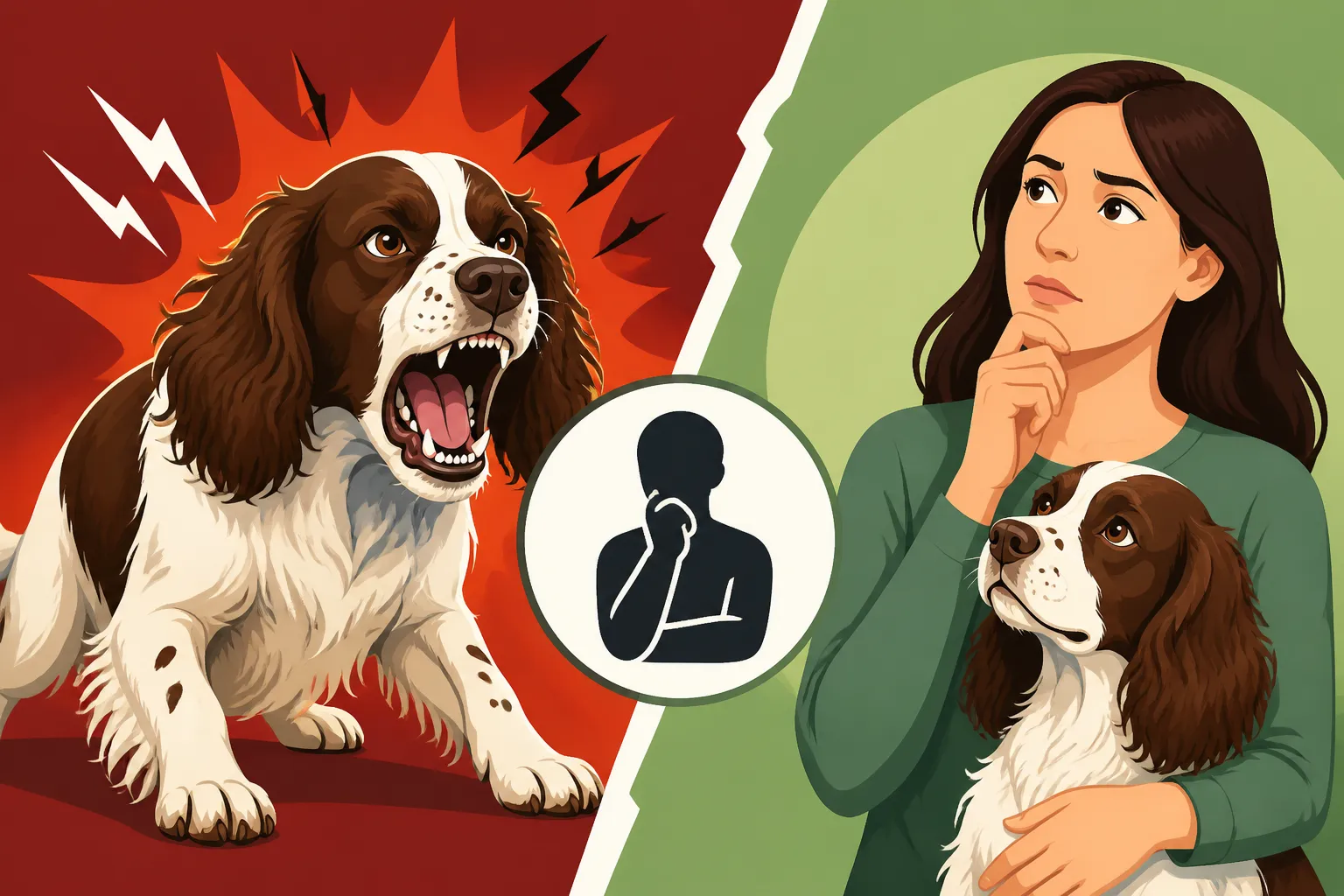
The sudden, terrifying transformation of a beloved English Springer Spaniel into an unpredictable, aggressive animal is one of the most heartbreaking experiences an owner can endure. This guide delves deep into the reality of living with a Springer Spaniel diagnosed with "Rage Syndrome," exploring the complexities, challenges, and the agonizing question of whether it's truly possible, or safe, to keep such a dog in your home.
Unraveling the Mystery of Rage Syndrome in Springer Spaniels
When a dog, especially one known for its loving and enthusiastic nature like a Springer Spaniel, suddenly exhibits unprovoked aggression, it shakes the foundations of trust and safety within a home. Owners often describe these episodes as utterly out of character, leaving them bewildered and terrified. This isn't just "bad behavior"; it's a neurological condition, and understanding its nature is the first painful step.
What Rage Syndrome Truly Looks Like
Rage Syndrome, often more accurately referred to as Sudden Onset Aggression (SOA) or idiopathic aggression, is a neurological disorder that manifests as spontaneous, unprovoked aggressive outbursts. Imagine your sweet, cuddly Springer Spaniel, perhaps curled up on the sofa or playing fetch, suddenly stiffening, its eyes glazing over, becoming unresponsive, and then launching into a ferocious attack. This isn't a growl and a snap; it's a full-blown, often silent, assault. The dog might bite, latch on, and shake, seemingly unaware of its surroundings or even the person it's attacking. There's a disassociation, almost like the dog isn't "there" during the event.
These episodes are typically brief, lasting only seconds to a few minutes, and are followed by an equally abrupt return to normal behavior, with the dog appearing confused, remorseful, or even exhausted. Owners frequently report their dog seems to "come to" afterward, sometimes licking their hand as if nothing happened, which only compounds the bewilderment and distress. It's truly a Jekyll and Hyde transformation, often without any identifiable trigger. Many owners struggle to describe these events, feeling isolated and misunderstood, as if others might think they simply have an ill-behaved dog. To grasp the specific behaviors, you might find our article on What Sudden Onset Aggression Looks Like in a Springer Spaniel helpful.
The Elusive Nature of a Diagnosis
Diagnosing Rage Syndrome is less about a definitive test and more about a process of elimination. When a Springer Spaniel first shows these signs, a thorough veterinary examination is paramount to rule out other medical conditions that could cause sudden aggression. This includes a full physical, blood work to check for metabolic imbalances, thyroid issues, or organ dysfunction, and potentially imaging like an MRI or CT scan of the brain. The vet might also recommend an electroencephalogram (EEG) to look for abnormal brain activity, as some believe Rage Syndrome shares characteristics with a seizure disorder. Our article, Whether an EEG Diagnoses Springer Spaniel Rage, discusses this in more detail.
If all other potential medical causes are ruled out, and the aggression pattern fits the description of sudden, unprovoked, disassociated outbursts, a diagnosis of idiopathic aggression (Rage Syndrome) may be made. This is incredibly frustrating for owners because there isn't a neat, tidy answer or a simple cure. It's often a diagnosis of exclusion, meaning "we don't know why this is happening, but it's not any of these other things." This can be a financially draining process, with multiple specialist visits and tests. Having comprehensive pet insurance, such as from Healthy Paws, can be an absolute lifeline during this extensive diagnostic journey, helping to cover the often prohibitive costs associated with neurological workups.
Navigating the Daily Challenges and Safety Concerns
Once a diagnosis of Rage Syndrome is made, the reality of managing such a condition sets in. It's a daily tightrope walk, balancing the deep love you have for your dog with the profound safety concerns and emotional toll it takes on the entire household. This isn't a minor behavioral quirk; it's a serious condition that demands constant vigilance and difficult decisions.
Living with Unpredictable Aggression
The primary challenge of living with a Springer Spaniel diagnosed with Rage Syndrome is the sheer unpredictability of the episodes. While some dogs might have subtle "tells" before an episode, many do not, or the triggers are so obscure they are impossible to consistently identify and avoid. This means every interaction, every playful moment, carries a whisper of fear. Can you truly relax when your dog is around children? What about visitors? Other pets? The stress this places on an owner is immense and unrelenting.
Owners often find themselves constantly on edge, scrutinizing their dog's every movement, looking for any subtle shift in demeanor. This hyper-vigilance can lead to anxiety, depression, and a significant reduction in the quality of life for the human family members. Children, especially, are at high risk, as their unpredictable movements, loud noises, or innocent attempts at affection can inadvertently become an unforeseen trigger or place them in harm's way during an episode. We address specific concerns about this in A Springer Spaniel in a House With Children. The emotional impact is profound; the dog you once trusted implicitly has become a source of fear, and reconciling these feelings is incredibly difficult.
The Critical Role of Medical Management
While there's no cure for Rage Syndrome, medical management is often attempted to reduce the frequency and severity of the episodes. This typically involves medications aimed at stabilizing brain activity, similar to those used for seizure disorders in humans. Anti-convulsants like phenobarbital or potassium bromide are sometimes prescribed, as are behavioral medications like selective serotonin reuptake inhibitors (SSRIs) or tricyclic antidepressants. The goal is to modulate neurological pathways to lessen the chances of an outburst. Our article, Whether Medication Controls a Springer Spaniel's Rage, goes into more detail on these options.
Finding the right medication and dosage can be a long process of trial and error, requiring close collaboration with a veterinary neurologist. It’s not uncommon for a dog to need a combination of drugs, and even then, complete cessation of episodes is rare. The medications themselves can have side effects, ranging from lethargy to increased appetite, which can further impact the dog's quality of life. Owners must be prepared for a lifelong commitment to medication, regular vet visits, and blood tests to monitor drug levels and organ function. This ongoing medical care, even with the help of pet insurance like Healthy Paws, represents a significant investment of time, emotion, and financial resources.
Weighing the Hard Realities: Is Keeping a Rage Springer Spaniel Feasible?
This is the ultimate question, and there's no easy answer. The decision to keep or rehome a Springer Spaniel with Rage Syndrome is deeply personal and fraught with ethical and emotional complexities. It forces owners to confront the limits of their love and responsibility.
Assessing Risk and Quality of Life for Everyone
When considering whether to keep a Springer Spaniel with Rage Syndrome, the paramount concern must always be safety. Can you guarantee the safety of every human and animal in your home, and anyone who might interact with your dog? If the episodes are truly unpredictable, severe, and frequent, the answer is often a heartbreaking "no." A dog that bites without warning, especially one as powerful and determined as a Springer Spaniel, poses a grave risk. This is particularly true if there are children, elderly individuals, or other vulnerable pets in the household. The legal and moral ramifications of a severe bite incident are also a heavy burden to bear.
Beyond physical safety, you must consider the quality of life for the dog itself, and for your family. Is the dog living a truly fulfilling life, or is it constantly isolated, confined, and stressed due to its condition? If the dog must be perpetually muzzled, crated, or kept away from all interaction, is that truly a life worth living for an active, social breed like a Springer? Similarly, what about your family's quality of life? The constant fear, the inability to have guests, the strain on relationships – these are very real consequences. It's a delicate balance between compassion for your pet and responsibility for your family's well-being.
When the Most Difficult Decision Becomes Necessary
For many owners, after exhausting all diagnostic and management options, the realization dawns that keeping a Springer Spaniel with Rage Syndrome may not be sustainable or safe. Rehoming is rarely an option for dogs with severe, unpredictable aggression due to the significant liability and ethical concerns involved. Reputable rescues and shelters are typically unable to take on such a high-risk animal, and finding an individual adopter capable and willing to manage such a complex dog is exceedingly difficult, if not impossible.
This often leaves owners facing the most agonizing decision imaginable: euthanasia. This is not a choice made lightly; it's born out of deep love and a profound sense of responsibility to prevent harm and end suffering—both the dog's and the family's. It's a testament to an owner's love when they are willing to make this ultimate sacrifice for the greater good. There is immense grief, guilt, and heartbreak associated with this decision, and it’s important for owners to seek support during such a painful time. While there isn't an article specifically titled "Whether a Springer Spaniel Should Be Euthanized for Aggression" in our database, the immense difficulty of such decisions is a recurring theme when dealing with intractable health issues like Fucosidosis Kills a Springer Spaniel Within Weeks of the First Sign or severe cases of Hip Dysplasia in a Springer Spaniel.
Here’s a table summarizing key considerations when deciding whether to keep a Springer Spaniel with Rage Syndrome:
| Factor | Considerations for Keeping the Dog | Considerations for Euthanasia/Not Keeping |
|---|---|---|
| Safety | Episodes are rare, mild, predictable, and triggers can be avoided. No vulnerable individuals (children, elderly, other pets) at risk. | Episodes are unpredictable, severe, and frequent. Cannot guarantee safety of family or others. |
| Medical Management | Medication significantly reduces frequency/severity of episodes with minimal side effects. Consistent veterinary oversight and cost manageable. | Medication is ineffective or causes unacceptable side effects. Financial burden for ongoing care is unsustainable. |
| Dog's Quality of Life | Dog can live a relatively normal, happy life with appropriate management; not constantly stressed or isolated. | Dog's life is severely restricted by confinement, muzzling, or constant anxiety. |
| Owner/Family's Quality of Life | Family can manage stress, maintain normal routines, and feel safe and secure in their home. | Constant fear, stress, and vigilance erode family well-being. Cannot have visitors or integrate dog into family life. |
| Support System | Access to expert veterinary neurologists, behaviorists, and a strong personal support network. | Lack of resources or support to manage the complex needs of the dog. |
| Prognosis | Condition shows stability or improvement with intervention. | Condition is progressive or unresponsive to treatment. |
Finding Support and Moving Forward
The journey of living with or making difficult decisions about a Springer Spaniel with Rage Syndrome is profoundly challenging. No one should face it alone. Seeking knowledgeable support is crucial, not just for the dog, but for the human family members as well.
Resources for Owners Facing Rage Syndrome
If you are facing the complexities of Rage Syndrome, it's vital to build a strong support team. Your primary veterinarian is your first point of contact, but they will likely refer you to specialists. A board-certified veterinary neurologist is key to confirming the diagnosis and exploring medical management options. They are experts in brain disorders and can guide you through medication trials. A certified veterinary behaviorist (Diplomate of the American College of Veterinary Behaviorists – DACVB) or a Certified Professional Dog Trainer (CPDT-KA) with specific experience in complex aggression cases can offer invaluable insights into managing environmental factors, identifying subtle triggers, and implementing safety protocols. However, it's important to differentiate true Rage Syndrome, which is neurological, from purely behavioral aggression; traditional training often won't "fix" Rage Syndrome.
Beyond professional help, connecting with other owners who have faced similar challenges can provide immense emotional support. Online forums or local groups dedicated to owners of dogs with complex behavioral or neurological issues can offer a safe space to share experiences, ask questions, and alleviate feelings of isolation. Organizations like the English Springer Spaniel Field Trial Association (ESSFTA) may also have resources or connect you with experienced members who understand breed-specific health challenges, including those impacting temperament. Additionally, don't underestimate the mental health toll this takes on you; talking to a therapist or counselor can help you process the grief, guilt, and stress. Remember, companies like Healthy Paws are there for the financial burden, but emotional support networks are just as critical.
Learning from the Experience for Future Generations
While intensely painful, the experiences of owners dealing with Rage Syndrome contribute to a broader understanding of this complex condition. By openly discussing these challenges with your veterinarian and other specialists, you contribute to the collective knowledge that can help future generations of Springer Spaniels. Breeders, too, play a critical role in minimizing the incidence of such debilitating conditions. Knowing Whether Rage Syndrome Runs in Springer Spaniel Lines is paramount for responsible breeding practices. While the exact genetic markers for Rage Syndrome are still being researched, avoiding breeding dogs that have exhibited unprovoked aggression, or those with close relatives that have, is a responsible step.
The hope is that through continued research and ethical breeding, the incidence of Rage Syndrome in English Springer Spaniels can be reduced. For individual owners, navigating this journey with compassion, informed decision-making, and robust support systems is the best way to honor the bond with their beloved companion, no matter the outcome.
Disclaimer
The information provided in this article is for general informational purposes only and is not intended as a substitute for professional veterinary advice. Always consult with a qualified veterinarian or veterinary specialist for any health concerns or before making any decisions about your pet's medical care.