Whether an Old Springer Spaniel Should Still Hunt
It's a bittersweet moment for any devoted owner of an English Springer Spaniel when their once indefatigable hunting partner starts to show the inevitable signs of age. That vibrant, energetic dog who would quarter a field tirelessly and retrieve with boundless enthusiasm might now hesitate at a jump or slow down noticeably. The challenge lies in honoring their enduring spirit while being truly compassionate about their aging body. This guide aims to help you navigate those waters, understanding how to assess your senior Springer's continued readiness for the field, adapt your approach, and ultimately make the most loving choices about their hunting future.
Understanding the Aging Springer Spaniel Body
Your Springer Spaniel, regardless of whether they were bred for field or show, is an athlete at heart. They live to work, to run, to scent, and to retrieve. But just like human athletes, their bodies undergo changes as the years accumulate. It's crucial to acknowledge these shifts rather than ignore them, even when your dog's spirit seems as keen as ever.
Common Physical Changes in Senior Springers
As your beloved Springer transitions into their golden years, you'll likely notice a range of physical changes. Joint stiffness is almost universal, often manifesting as arthritis. What once was a fluid, effortless trot through thick cover might become a slower, more deliberate pace, sometimes accompanied by a visible limp after periods of rest or activity. You might see them struggle to jump into the truck or hesitate before tackling a small ditch they would have cleared with ease years ago. Muscle mass can decline, even with regular exercise, leading to decreased stamina and overall strength. This means that a full day in the field, which used to be nothing, can now be incredibly taxing.
Their senses can also start to dull. Vision may not be as sharp, making it harder for them to mark a fallen bird against a complex background. Hearing loss can make whistle commands less effective, and their once-perfect nose might not be quite as acute, though a Springer's nose is usually one of the last senses to fade significantly. These changes aren't just about discomfort; they directly impact their ability to perform safely and effectively in a hunting scenario. Imagine your loyal companion, who used to leap fences, now struggling to clear even a small downed log. It can be heartbreaking to witness, but it's part of the natural aging process.
The Mental Aspect and Desire to Work
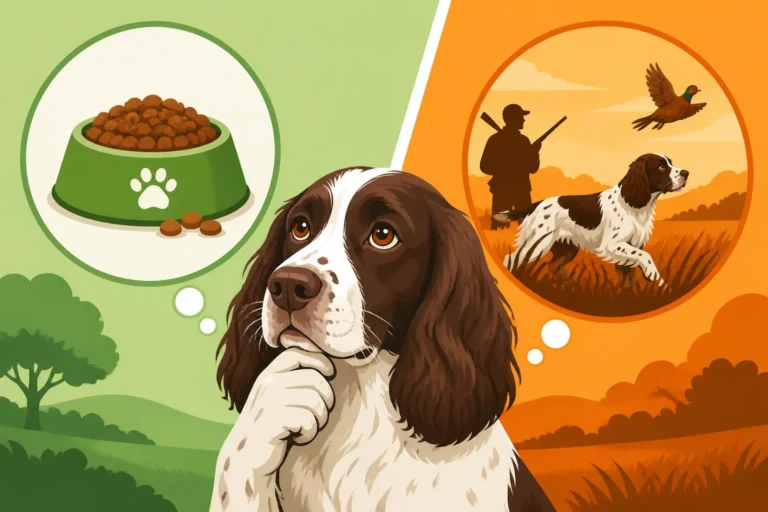
Here's where it gets truly tricky for many Springer owners: their incredible drive. Even when their body is clearly slowing down, the mental spark, the sheer joy of the hunt, often remains undimmed. You might see your old boy perk up, ears alert, and tail wagging the moment you take out your hunting vest or shotgun. This is the "spirit is willing but the flesh is weak" dilemma in full display. They still want to be out there, experiencing the thrill of the chase, the scent, the retrieve.
This strong desire to work means they might push themselves beyond what's physically comfortable or safe, simply because they love it so much. It's a testament to their dedication and intelligence. Their brains are still wired for the task, still anticipating the next command, the next flush. Denying them the opportunity to engage in this activity can feel cruel, almost like taking away their purpose. However, allowing them to overexert themselves can lead to injury, excessive pain, or even exacerbate existing health conditions. The goal isn't to stop them entirely if they still have the capability, but to adapt their involvement in a way that prioritizes their comfort and well-being.
Assessing Your Senior Springer's Readiness for the Field
Making the call on whether your senior Springer Spaniel should still hunt is a decision that requires careful observation, honesty, and a strong partnership with your veterinarian. It’s not about a hard cutoff age, but rather a dynamic assessment of their individual health and happiness.
Key Indicators to Watch For
The first and most important step is simply watching your dog closely. Pay attention to their everyday movements and how they recover from activity. Do they hesitate before jumping into the car or onto the couch? Do they stiffen up significantly after a normal walk, taking longer than usual to get comfortable? In the field, look for a decreased pace, a reluctance to push through dense cover, or an unwillingness to take on obstacles they once cleared easily. Excessive panting, lagging behind, or needing more frequent breaks are all red flags that their stamina isn't what it used to be.
Consider their body language after a hunt, not just during. A dog that is constantly licking joints, struggling to lie down, or exhibiting obvious discomfort the next day is telling you something important. It's not about them being "soft"; it's about genuine pain. Their markings might become less precise, or they might have trouble holding a bird as firmly. Signs a Springer Spaniel Is Getting Old often extend beyond the physical, too – sometimes, an old dog just seems less engaged or joyful, even when given the opportunity to hunt.
| Indicator | What to Look For | Potential Impact on Hunting |
|---|---|---|
| Pace and Stamina | Slower gait, lagging behind, excessive panting, needing frequent rests | Cannot keep up with hunter or other dogs, increased risk of overheating, reduced coverage |
| Joint Mobility | Stiffness, reluctance to jump/climb, limping, difficulty getting up after rest | Painful movement, difficulty traversing uneven terrain or obstacles, decreased agility |
| Sensory Function | Missed visual cues, delayed response to whistle/voice, less precise scenting | Difficulty marking falls, following commands, finding game efficiently |
| Post-Activity Recovery | Prolonged soreness, stiffness, lethargy the day after exercise | Indicates overexertion, discomfort, increased risk of injury from repeated strain |
| Enthusiasm for Work | Appears less excited by gear, hesitation at start, disengagement during hunt | Might not be enjoying the activity, increased risk of mental fatigue |
The Role of Your Veterinarian
Your veterinarian is your most valuable partner in this journey. Regular check-ups become even more crucial as your Springer ages. Don't just take them in when something is obviously wrong; schedule proactive visits to discuss their aging process. Be open and honest about their activity levels, including hunting. Your vet can assess their overall health, perform blood work to check organ function, and conduct physical exams to pinpoint areas of discomfort, particularly in their joints. They can then recommend appropriate interventions such as anti-inflammatory medications, joint supplements, or even alternative therapies. Caring for a Springer Spaniel Past Nine involves a much more focused approach to health maintenance.
For example, if your vet identifies significant arthritis, they might suggest a prescription joint medication that can dramatically improve your dog's comfort. They can also discuss a tailored exercise plan that balances activity with rest, helping to maintain muscle mass without overstressing joints. Specific conditions like Arthritis in an Older Springer Spaniel can be managed with a combination of medication, supplements, and physical therapy, potentially allowing your dog to continue enjoying lighter activity. Don't underestimate the power of veterinary guidance in keeping your senior Springer as comfortable and active as possible.
Adapting Hunting Practices for the Older Dog
If your senior Springer Spaniel still has that undeniable spark and a clean bill of health from the vet, adapting your hunting practices can allow them to continue enjoying the field for a few more seasons. It's all about quality over quantity and making smart choices.
Modifying the Hunt Day
One of the biggest changes you can make is simply shortening the hunt. Instead of a full day of upland bird hunting, consider a two-hour excursion in less challenging terrain. A brief walk-up hunt for grouse in familiar woods might be perfect, rather than an all-day pheasant push through dense cover. The idea is to give them the mental stimulation and physical activity they crave, without pushing them to the point of exhaustion or pain.
Focus on areas closer to your vehicle, so your dog doesn't have to walk far to get to the action or to rest when needed. Increase the frequency of breaks, allowing them to lie down, drink water, and catch their breath. Avoid hunting in extreme weather conditions – scorching hot days or bitterly cold ones can be much harder on an older dog's body. Their ability to regulate body temperature might not be as efficient, and cold can exacerbate joint pain. Whether a Working Springer Spaniel Wears Out Its Joints is a valid concern even for younger dogs, but for seniors, cumulative stress can be much more impactful. Sometimes, just retrieving a few bumpers or planted birds is enough to satisfy that deep-seated working drive without the physical demands of an actual hunt.
Supporting Your Senior Hunter
Beyond modifying the hunt itself, proactive support is key. Ensure your senior Springer is on a high-quality diet appropriate for their age and activity level. Many brands, including those found on platforms like Chewy, offer specialized senior dog foods formulated with ingredients that support joint health and provide balanced nutrition for a less active metabolism. You might consider adding Joint Supplements for a Springer Spaniel to their daily routine, often recommended by vets to help maintain cartilage and reduce inflammation. Look for supplements containing glucosamine, chondroitin, and MSM.
A thorough warm-up before hitting the field and a proper cool-down afterward can make a huge difference in preventing soreness. Start with a leisurely walk, gradually picking up the pace, and end with gentle stretching and a massage, particularly on their legs and back. Make sure they stay well-hydrated throughout the day; bringing extra water and offering it frequently is essential. In cooler weather, a lightweight dog vest can provide extra warmth and protection from thorns or abrasive cover, which can be harder for an older dog's skin and coat to handle. For dogs that are still active in the field, What an Old Springer Spaniel Should Be Fed might even involve specialized performance formulas with higher protein and healthy fat content, provided it suits their individual health needs and isn't contributing to weight gain. Many options, from kibble to fresh food like Ollie, can be found via online retailers like Amazon, offering variety for picky eaters or dogs with specific dietary requirements.
Knowing When to Transition to Retirement
This is perhaps the hardest part of owning a hunting Springer Spaniel: recognizing when it's truly time for them to hang up their hunting vest for good. Their spirit might still burn bright, but their body eventually dictates a different path.
Recognizing the Signs It's Time
The decision to retire your Springer from hunting should come from a place of deep love and empathy, not obligation. It's not about them losing a step or two, but about persistent pain, a loss of joy, or a significant decline in their ability that could compromise their safety or well-being. If your dog consistently seems stiff, sore, or exhausted after even a modified hunt, it's a clear sign. If they start refusing to enter cover, are unwilling to retrieve, or no longer show that eager anticipation they once did, these are strong indicators that the activity is no longer enjoyable for them.
Sometimes, the signs are more subtle. Maybe they start to make mistakes they never used to, like bumping birds or failing to mark a fall, not out of disobedience, but out of physical limitation or cognitive slowing. It can be incredibly difficult to make this call, especially when you've shared so many cherished memories in the field. But your primary responsibility is to ensure their comfort and happiness in their later years. Knowing When an Old Springer Spaniel Has Had Enough often comes down to recognizing that while their heart might be in it, their quality of life after the hunt is severely diminished. It's a compassionate choice to prioritize their comfort over your shared sporting tradition.
Keeping Their Spirit Engaged Off the Field
Retirement from active hunting doesn't mean retirement from life or from mental stimulation. Springer Spaniels are intelligent, high-drive dogs who thrive on having a "job," and that doesn't change just because they're no longer in the field. There are countless ways to keep their minds and bodies engaged without the rigorous demands of hunting.
Scent work is a fantastic alternative. You can set up simple scent trails in your yard or house, hiding favorite treats or toys for them to find. Even gentle retrieves in the yard or living room can satisfy their natural instinct to carry and bring things back. Short, easy walks on soft surfaces can help maintain muscle tone and provide mental enrichment through new sights and smells. Puzzle toys, readily available on Amazon or through pet suppliers like Chewy, are excellent for keeping their minds sharp and entertained. These activities honor their inherent drives and intelligence, allowing them to feel purposeful and happy. Whether an Old Springer Spaniel Still Wants to Work is almost always "yes" – they just need a job tailored to their current capabilities. It’s about celebrating their past contributions and ensuring their golden years are filled with comfort, affection, and gentle, fulfilling activities.
Disclaimer
This article is for general informational purposes only and does not constitute professional advice. Laws, prices and regulations vary by location and change over time. Consult a qualified professional for guidance on your specific situation.