Whether a Working Springer Spaniel Should Keep Its Dewclaws
It's a question that often pops up in conversations among English Springer Spaniel owners, especially those whose dogs live for the field: "To snip or not to snip?" We're talking about dewclaws, those little thumb-like nails found on the inside of your dog's leg. For a working Springer Spaniel, these aren't just an aesthetic concern; they can be a real point of worry, potential injury, or even a functional asset. This guide will help you understand the role of dewclaws in a hard-working dog and navigate the decision of whether to remove them.
Understanding Dewclaws in Your Springer Spaniel
Before we dive into the pros and cons of removal, let's get a clear picture of what dewclaws actually are and why your Springer Spaniel might have them in the first place. You see, not all dewclaws are created equal, and their position and attachment can vary wildly, even within our beloved breed.
Front vs. Rear Dewclaws: A Crucial Distinction
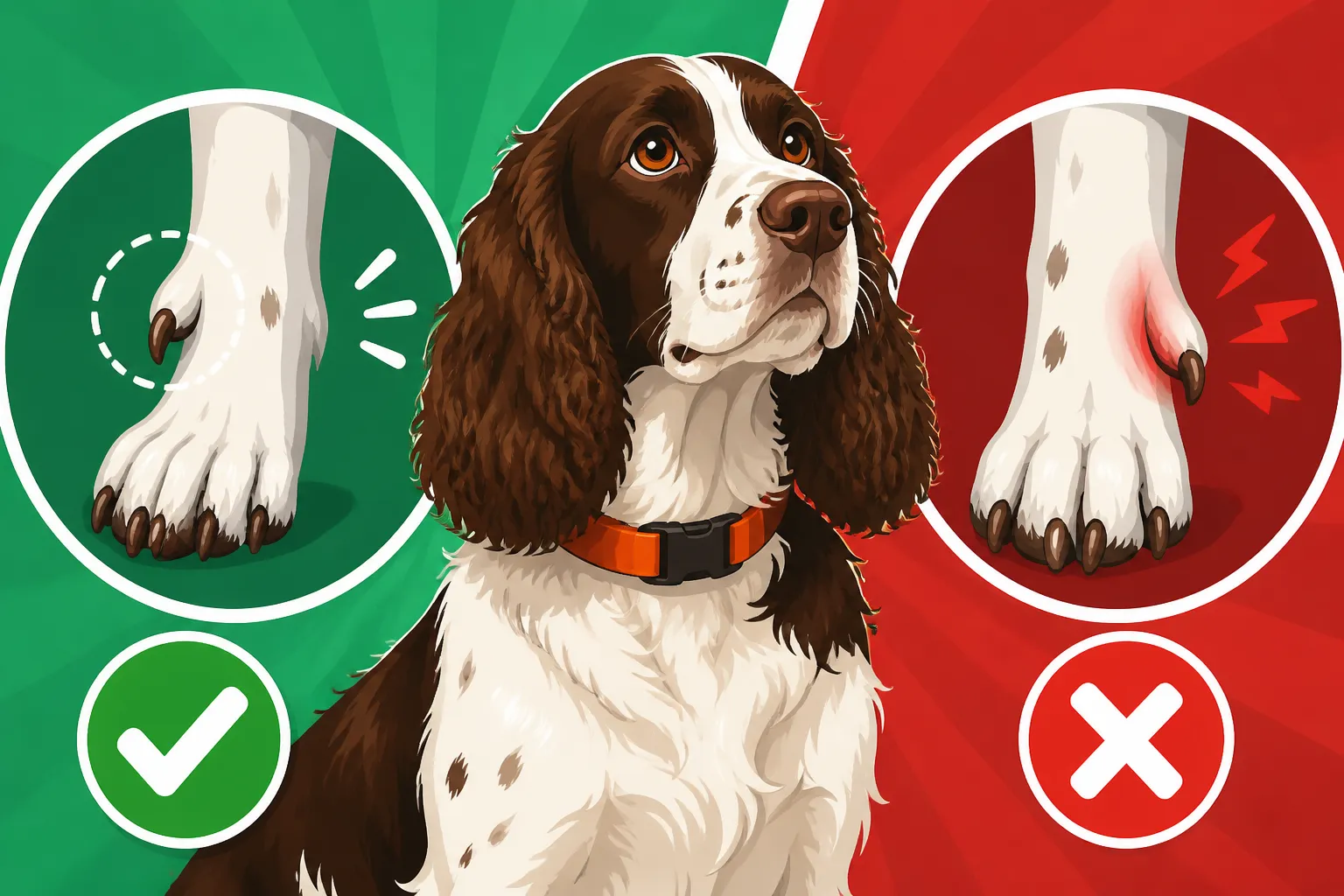
When most people talk about dewclaws, they're usually referring to the ones on the front legs. These are often quite firmly attached by bone and muscle, essentially functioning like a thumb. Your Springer Spaniel uses these front dewclaws more than you might realize, especially when engaged in demanding physical activities. Think about how a dog might grip something to climb, or even just how they stabilize their leg when making sharp turns at speed. That little claw can offer extra traction, much like a climber's thumb.
Rear dewclaws, however, are a different story. In many breeds, and sometimes in Springer Spaniels, these are often vestigial, meaning they're not truly attached by bone to the rest of the leg structure. They might just be hanging by a flap of skin, making them prone to snagging and offering little to no functional benefit. Some breeds, like the Great Pyrenees, are even bred to have double rear dewclaws, which are considered part of their breed standard and sometimes quite robust. But for a Springer, especially a working one, a flimsy rear dewclaw can be more of a liability than an asset.
The Historical Context: Why Dogs Have Them
It's easy to dismiss dewclaws as evolutionary leftovers, like an appendix in humans. And to some extent, that's true, particularly for those loosely attached rear dewclaws. But the more robust front dewclaws serve a purpose rooted in canine anatomy and locomotion. Imagine your Springer Spaniel running at full tilt, changing direction sharply, or scrambling up a steep bank in pursuit of game. The dewclaw provides an extra point of contact and leverage. It helps distribute weight and prevents the lower leg from twisting too far, potentially protecting other joints in the wrist.
For a dog bred to "spring" game, to push through dense cover, and to retrieve over varied terrain, every bit of anatomical advantage counts. While we might not consciously see them using it, the front dewclaw can be a subtle but important piece of their physical toolkit. This is particularly relevant when considering the How a Field Bred Springer Spaniel Differs in Drive and the sheer athleticism required.
The Risks and Rewards of Keeping Dewclaws on a Working Springer
This is where the rubber meets the road for working Springer Spaniel owners. The decision isn't just about what looks tidy; it's about weighing potential injury against potential utility. You want your dog to be safe and effective in the field, and dewclaws play a role in that equation.
The Injury Risk: A Constant Worry for Active Dogs
One of the biggest concerns for owners of working Springers is the risk of injury to the dewclaw itself. Imagine your dog crashing through thick brambles, jumping over fallen logs, or pushing through heavy swamp grass. These are all scenarios where a dewclaw can get snagged. The results can range from a minor tear to a complete avulsion, where the dewclaw is ripped right off the leg. These injuries are incredibly painful, can bleed profusely, and are prone to infection.
I've seen it firsthand. A friend's Springer, a tireless worker named Gus, caught his dewclaw on a loose wire fence during a pheasant hunt. It was a nasty tear, requiring an emergency vet visit, stitches, and weeks of recovery. Not only was Gus sidelined for the rest of the season, but the recovery was uncomfortable for him and stressful for his owners. The healing process can also be complicated, leading to persistent limping or even chronic pain if not managed correctly. It’s enough to make any owner wonder if the potential functional benefit is truly worth such a risk. This kind of worry is a common part of What a Springer Spaniel's Vet Bills Look Like.
The Functional Debate: Do They Truly Help?
While injuries are a clear negative, the functional aspect is where the debate truly lies. Some argue that dewclaws, particularly the well-attached front ones, offer tangible benefits to a working dog. As mentioned earlier, they can aid in traction, especially when navigating uneven or slippery ground. Picture a Springer trying to scramble out of a muddy ditch or maintain footing on an icy patch – that extra claw could make a difference. They're also believed by some to help stabilize the wrist joint when making quick turns or landing after a jump, potentially reducing strain on the carpal bones and ligaments.
However, other trainers and vets believe that for most domestic dogs, even working ones, the functional benefits are minimal or can be compensated for by other aspects of their powerful anatomy. They argue that the vast majority of a dog's traction and stability comes from its four main paws and strong leg muscles, and that the dewclaw's contribution is negligible. This perspective leans towards removal, especially for the loosely attached rear dewclaws, to eliminate the injury risk without sacrificing performance. It's a nuanced discussion, and what holds true for one dog or one type of terrain might not apply universally.
Considerations for Dewclaw Removal
If you're leaning towards having your working Springer Spaniel's dewclaws removed, there are several practical points to consider. This isn't a decision to take lightly, and timing and method are key.
Surgical Removal: When and How
Dewclaw removal is typically a straightforward surgical procedure. For puppies, it's often done when they are just a few days old, sometimes even before their eyes open. At this young age, the procedure is quick, minimally invasive, and requires little to no anesthesia, as the nervous system isn't fully developed. This is usually done by the breeder. If you're acquiring a puppy, it's worth asking about this. The Health Tests Both Springer Spaniel Parents Should Have is an important question for any prospective puppy owner, but don't forget to ask about early care procedures like dewclaw removal as well.
For adult dogs, or puppies past that early window, removal requires general anesthesia. This means it becomes a more significant surgical event, similar to a spay or neuter. The recovery involves pain management, keeping the wound clean, and restricting activity to prevent reopening the stitches. The timing of this for a working dog needs careful thought. You wouldn't want to schedule it right before hunting season or a series of field trials. Generally, vets recommend a period of several weeks for full healing and a gradual return to strenuous activity. Discussing this thoroughly with your veterinarian is paramount, as they can assess your dog's overall health and advise on the best course of action.
Maintenance of Dewclaws If Kept
If you decide to keep your Springer Spaniel's dewclaws, diligent maintenance becomes non-negotiable, especially for a working dog. Unlike the other nails that wear down with walking, dewclaws often don't touch the ground, meaning they grow continuously and can become very long and curved. If left untrimmed, they can grow into the paw pad, causing immense pain, infection, and even making it difficult for your dog to walk or run properly.
Regular trimming is essential, often more frequently than the main nails. For active dogs, this might mean weekly checks and trims. You'll need good quality clippers or a dremel. Many owners find a dremel-style grinder gentler and less prone to 'quicking' the nail. Brands like Chewy and Amazon offer a wide variety of nail trimming tools, from guillotine clippers to rotary grinders, so you can find what works best for you and your dog. Consistent nail care is a critical part of The Daily Routine a Springer Spaniel Actually Needs to ensure comfort and prevent injury. If your dog is not accustomed to having their paws handled, start slowly and make it a positive experience with treats and praise.
Making the Best Decision for Your Working Springer
Ultimately, the choice of whether to keep or remove your working Springer Spaniel's dewclaws is a personal one, but it should be an informed decision made in consultation with your veterinarian. There’s no single right answer for every dog.
Factors to Consider
When weighing your options, think about these key points:
- Your Dog's Activity Level and Type of Work: This is crucial. A Springer Spaniel that is primarily a beloved pet and enjoys leisurely walks might have a lower risk of dewclaw injury than one that spends hours each week flushing game in heavy cover. If your dog is consistently pushing through dense brush, traversing rocky terrain, or engaging in high-speed maneuvers, the risk of snagging a dewclaw increases dramatically.
- The Structure of the Dewclaws: Are they firmly attached by bone (especially common on the front legs), or are they loose and dangling by skin (more common for rear dewclaws)? Loosely attached dewclaws pose a much higher injury risk and offer little to no functional benefit, making removal a more compelling option.
- Your Ability to Maintain Them: Are you diligent about regular nail trims? Can you confidently trim a dewclaw nail that might be tougher or more sensitive than the others? If you struggle with nail care, or if your dog is particularly resistant, then the risk of an overgrown, painful dewclaw increases. Consistency is key, and if you can't commit to frequent trims, removal might prevent future problems.
- Veterinary Advice: Your vet knows your dog's individual health history and can provide expert guidance based on their specific anatomy and lifestyle. They can assess the dewclaws, discuss the surgical risks if removal is an option, and advise on post-operative care.
Pros and Cons Summary
To help visualize the decision, here’s a quick overview:
| Feature | Keeping Dewclaws (Managed) | Removing Dewclaws (Surgical) |
|---|---|---|
| Potential Benefits | Possible added traction/grip for certain movements, wrist stability. | Eliminates risk of snagging injuries, no ongoing nail maintenance for them. |
| Potential Risks | High risk of painful tears, avulsions, infections if not maintained. | Surgical risks (anesthesia, infection, recovery discomfort). |
| Maintenance Required | Frequent, diligent trimming to prevent overgrowth and ingrown nails. | Post-operative care for a few weeks; no long-term dewclaw maintenance. |
| Impact on Performance | If injured, significant downtime and pain. If healthy, minimal impact. | No impact once fully healed; removes a potential point of failure. |
Final Thoughts for Your Springer
There's no need to feel pressured into one decision or the other without proper consideration. For many working Springer Spaniels, especially those with robust, well-attached front dewclaws, careful management and regular nail trims are a perfectly viable option. After a long day in the field, always include After the Hunt: Checking a Springer Spaniel Over Nose to Tail in your routine, and that includes a close inspection of those dewclaws for any nicks or snags.
However, if you have flimsy rear dewclaws, or if your vet advises that your dog's front dewclaws are particularly vulnerable due to their attachment or your dog's extreme activity, then removal might be the safest long-term choice for their comfort and continued working ability. Remember, the goal is always to ensure your loyal companion can continue to "spring" with joy and work with unwavering enthusiasm, free from preventable pain.
Disclaimer
This article is for general informational purposes only and does not constitute professional advice. Laws, prices and regulations vary by location and change over time. Consult a qualified professional for guidance on your specific situation.