Why a Springer Spaniel Licks Its Paws Raw
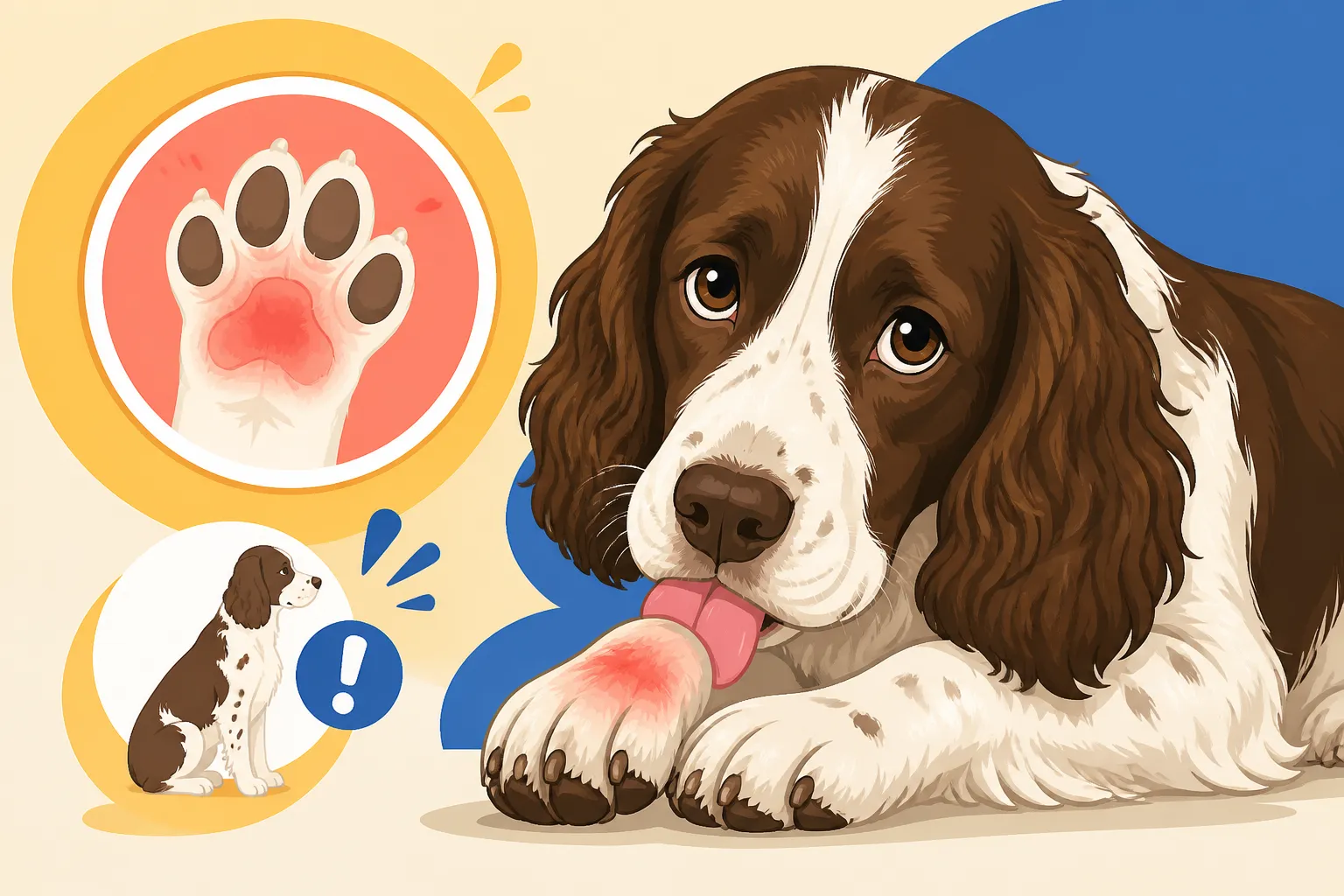
Oh, seeing your beloved Springer Spaniel relentlessly licking their paws, sometimes even to the point where the skin looks raw and inflamed, is just heart-wrenching. It's a common problem, and it's not just a bad habit; it's almost always a sign that something is truly bothering them. That incessant licking is their way of trying to soothe an itch, a pain, or an irritation they can't otherwise escape. This guide is here to help you understand the most common reasons why your Springer might be licking their paws raw and what steps you can take to bring them relief.
The Itch That Haunts: Environmental Allergies in Springer Spaniels
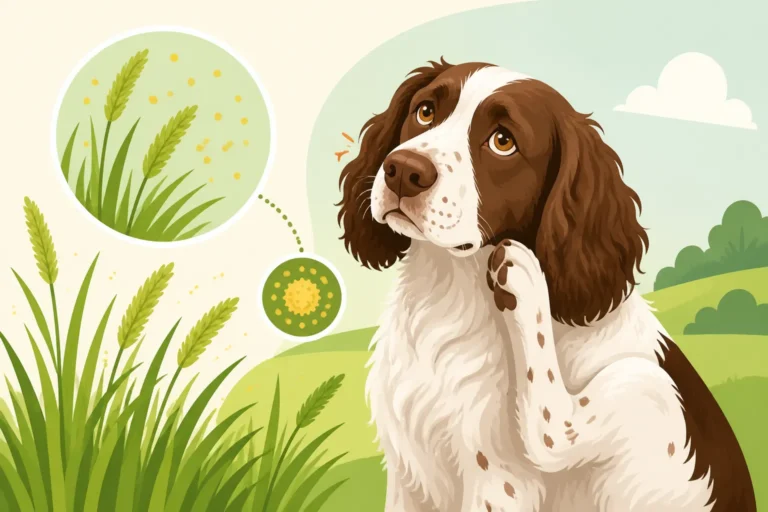
One of the absolute biggest culprits behind paw licking in our Springer Spaniels is environmental allergies. These dogs are born to explore, to plunge through fields, to sniff every blade of grass, and this incredible drive, while wonderful for their spirits, can also expose them to a world of allergens that cause immense discomfort. It's a cruel irony that their love for the outdoors can lead to such a persistent itch.
Invisible Irritants Underfoot
Think about it: your Springer's paws are their direct interface with the ground, the very place where environmental allergens like pollen, grass, dust mites, and mold spores reside. When they walk through a freshly mown field, roll in the leaves, or even just trek through your backyard, their paw pads and the delicate skin between their toes are soaking up these tiny irritants. For an allergic dog, this isn't just a casual exposure; it's like walking barefoot through nettles. The body's immune system overreacts, causing intense itching that drives them to lick, chew, and gnaw at their paws.
This reaction isn't always limited to direct contact, either. Sometimes, these allergens are inhaled, and the body's systemic allergic response can manifest as generalized itchiness, with the paws often being a prime target because they’re easy for the dog to reach and worry. You might notice your Springer starts licking after a walk in certain areas, or during specific times of the year when pollen counts are high. For Springers, who are often in and out of water and thick cover, these allergens cling readily to their coats and skin. If you suspect grass is a trigger, you might find our article on Grass Allergy in a Working Springer Spaniel particularly insightful.
The Cycle of Licking and Infection
The problem with environmental allergies, especially when they manifest on the paws, is that they rarely stay a simple itch. Constant licking introduces moisture and warmth to the area, creating the perfect breeding ground for secondary infections. These infections are often bacterial (like Staphylococcus) or yeast (like Malassezia), and they exacerbate the itching, turning a simple allergy into a vicious cycle. You might notice the fur around their paws taking on a reddish-brown stain – this is a tell-tale sign of yeast, caused by porphyrin in their saliva.
Beyond the discoloration, the skin itself can become red, swollen, and greasy, often accompanied by a distinct, unpleasant odor. Imagine trying to relieve an itch, only to make it worse with every lick because you're introducing more problems. It's incredibly frustrating for both you and your dog. These secondary infections are incredibly common, and if you've ever dealt with recurrent ear infections in your Springer, you'll recognize many of the same patterns, as discussed in Signs a Springer Spaniel Has an Ear Infection. It's a battle on multiple fronts: first, addressing the underlying allergy, and second, clearing up the secondary invaders.
Diet and Digestion: When Food Becomes the Enemy
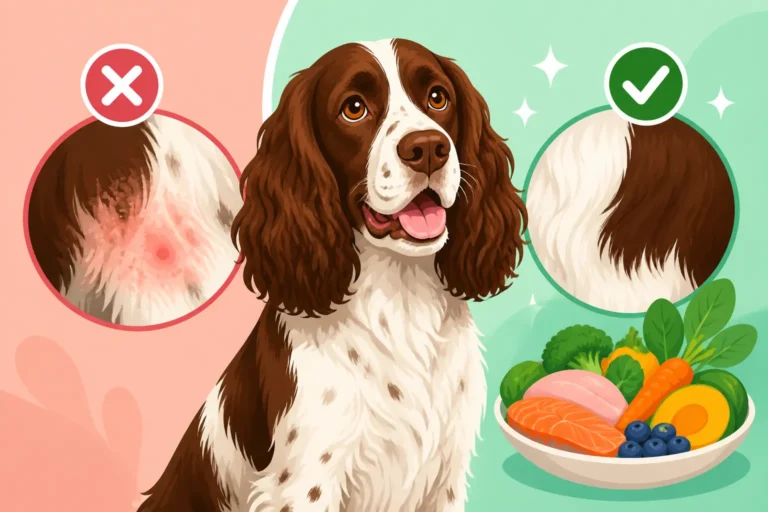
While environmental allergies often take the spotlight, food sensitivities are another significant, and sometimes overlooked, reason why a Springer Spaniel might be licking their paws raw. It's easy to assume that a food problem would mean an upset stomach, but often, the most prominent sign of a food allergy or intolerance in dogs shows up on their skin.
Unmasking Food Sensitivities
For many dogs, food allergies manifest as chronic itching, skin inflammation, and yes, relentless paw licking. Instead of just a tummy ache, their body's adverse reaction to a particular ingredient — usually a protein source — causes widespread discomfort, with the paws often bearing the brunt of the irritation. Common culprits include proteins like chicken, beef, dairy products, or grains such as wheat and soy. It’s not necessarily about the quality of the food; it’s about a specific ingredient that your individual Springer’s immune system mistakenly identifies as a threat.
Imagine eating something that causes your entire body to feel itchy, and the only way you can get a moment's relief is to scratch your hands raw. That's essentially what your Springer Spaniel might be experiencing. The skin around their toes can become inflamed, sometimes leading to small pustules or scabs if they've licked it enough. Unlike seasonal environmental allergies, food allergies often cause year-round symptoms, though they might wax and wane. If your Springer seems to itch regardless of the season, and despite your best efforts to manage environmental exposures, food could very well be the missing piece of the puzzle. We dive deeper into specific triggers in our article, Chicken Allergy in a Springer Spaniel.
The Elimination Diet Journey
If you and your vet suspect a food allergy, the gold standard for diagnosis is a strict elimination diet. This isn't just switching to a different brand of food; it involves feeding a novel protein (one your dog has never eaten before, like venison, duck, or rabbit) or a hydrolyzed protein diet (where the proteins are broken down so small that the immune system doesn't recognize them as allergens). This diet must be fed for a minimum of 8 to 12 weeks, and during this time, nothing else should pass your dog's lips – no treats, no table scraps, no flavored medications, no accidental dropped kibbles. It truly is a commitment, and it can feel like a marathon, but the clarity it offers is invaluable.
The good news is there are more options than ever before to help with this. Many reputable pet food companies offer limited ingredient or hydrolyzed protein diets that can be found through retailers like Chewy or Amazon. Some brands, such as Ollie, offer fresh food options which can also be tailored with novel protein sources, sometimes making the diet more palatable for picky eaters during this stringent period. The key is absolute strictness, because even a tiny bite of the offending protein can set back the diagnostic process by weeks. It's a tough road, but worth it to potentially identify and eliminate the source of their discomfort, as detailed in Running an Elimination Diet on a Springer Spaniel.
Physical Irritations and Behavioral Habits: More Than Just Allergies
Sometimes, the reason behind your Springer's paw licking isn't a complex immune response at all, but something far more straightforward – or, conversely, something deeply ingrained in their behavior. It’s crucial not to jump to conclusions, because the solution often depends on accurately identifying the true underlying cause.
Hidden Hazards and Injuries
Our Springers are active dogs, built for covering ground and plunging through dense cover. This adventurous spirit, while endearing, also means their paws are constantly exposed to potential physical irritants and minor injuries. A tiny burr, a hidden thorn, a sharp stick splinter, or even a piece of embedded gravel can become excruciatingly irritating when lodged between their paw pads or deep in the fur. Imagine having a tiny pebble stuck in your shoe, constantly rubbing and causing discomfort – you’d want to get it out immediately, and your dog’s response is to lick and chew.
Beyond foreign bodies, simple injuries can also cause focused paw licking. A cracked paw pad, a torn nail, a strained digit, or even a sting from an insect can trigger intense licking at the affected area. If your Springer is obsessively licking one paw, or even one specific toe, it’s a strong indicator that there might be a localized issue, not a generalized allergy. After any outdoor activity, especially if they’ve been in thick woods or fields, make it a routine to thoroughly check their paws, feeling between the toes and inspecting the pads. Sometimes, the solution is as simple as removing a small seed or a tiny sticker. For specific concerns about common field hazards, you might want to read Where a Grass Awn Lodges on a Springer Spaniel.
When Licking Becomes a Habit
Once physical discomfort or allergies initiate paw licking, the behavior can sometimes take on a life of its own, becoming compulsive or habitual, even if the original irritant is gone or managed. Think of it like a human biting their nails – it starts with anxiety or boredom, and then becomes an unconscious habit. Springer Spaniels are highly intelligent, energetic dogs that thrive on physical activity and mental stimulation. If they're not getting enough of either, boredom can quickly set in, leading to destructive behaviors or displacement activities like excessive licking.
Anxiety, too, can play a significant role. Springers are known for forming strong bonds with their families and can be prone to separation anxiety. If left alone for long periods, or if they experience significant stress or changes in their environment, some dogs will turn to self-soothing behaviors, and paw licking is a common one. It releases endorphins, creating a temporary sense of calm. However, this relief is fleeting, and the cycle continues, often leading to raw, infected paws. If you suspect boredom is contributing to your Springer's behaviors, exploring solutions in Whether a Bored Springer Spaniel Destroys Things could be helpful. Similarly, for anxiety-related licking, understanding Separation Anxiety in a Springer Spaniel is crucial. Addressing these underlying behavioral needs with increased exercise, mental games, training, and consistent routines can sometimes break the cycle.
Seeking Solutions: When to Act and When to Call the Vet
Dealing with a Springer Spaniel who is licking their paws raw requires a thoughtful and often multi-pronged approach. It’s not just about stopping the licking, but about truly understanding and resolving the discomfort that’s driving the behavior.
Your Role in Early Intervention
The first step in prevention and early management is vigilance. Make a habit of checking your Springer's paws regularly, especially after walks or outdoor adventures. Feel between their toes, inspect their pads, and look for any redness, swelling, cuts, or foreign objects. Gentle cleaning of their paws after outdoor excursions can help remove environmental allergens before they have a chance to irritate. Simply rinsing their paws with cool water can be surprisingly effective.
If you notice minor irritation, a good quality paw balm can offer some soothing relief, and you can find many natural, protective options on platforms like Amazon. For dogs that are truly obsessive, sometimes you need to break the cycle temporarily with a protective cone (an E-collar) or soft paw booties. This isn't a long-term solution, but it can give the skin a chance to heal while you investigate the underlying cause. Keeping their nails trimmed short also reduces the chance of self-inflicted damage when they itch or lick.
Here's a quick guide to distinguishing between issues you might manage at home and those requiring immediate veterinary attention:
| Symptom | Possible Cause | What to Look For | When to See a Vet Immediately |
|---|---|---|---|
| Constant Licking (all paws) | Environmental Allergies | Redness, swelling, brown staining (yeast), seasonal patterns | Persistent itch, open sores, strong odor, systemic signs |
| Licking (one paw/digit) | Foreign Body/Injury | Visible object, limping, swelling, sudden onset | Limping, deep wound, inability to remove object |
| Licking + Skin Changes | Infection (Yeast/Bacterial) | Greasy feel, strong odor, pustules, intense redness | Spreading infection, fever, lethargy |
| Licking + Behavioral Changes | Anxiety/Boredom | Pacing, destructive chewing, whining when alone, excessive energy after activity | Self-mutilation, severe anxiety behaviors, doesn't respond to enrichment |
| Licking + GI Issues/Chronic Itch | Food Allergy | Vomiting, diarrhea, chronic ear infections, year-round itch | Severe GI upset, weight loss, widespread skin issues |
The Vet's Expertise: Diagnosis and Treatment
For any persistent, worsening, or painful paw licking, a visit to your veterinarian is absolutely essential. They are your best resource for accurately diagnosing the cause and formulating an effective treatment plan. Your vet might perform several diagnostic tests, such as skin scrapings to look for parasites, cytology (examining cells from the skin under a microscope) to identify yeast or bacterial infections, or blood tests to rule out other systemic conditions. Sometimes, a full allergy workup, which could involve a referral to a veterinary dermatologist, is necessary, as discussed in What a Dermatology Referral Costs a Springer Spaniel Owner.
Treatment will depend entirely on the diagnosis. If an infection is present, your vet will likely prescribe antibiotics or antifungals, often combined with medicated paw soaks or shampoos. For allergies, options range from antihistamines and corticosteroids to newer, targeted medications like Apoquel or Cytopoint injections, which specifically block the itch pathway. Apoquel for a Springer Spaniel's Itch is a common topic of discussion for many owners. Environmental allergen management might involve regular bathing with hypoallergenic shampoos and keeping paws clean. For food allergies, they will guide you through the elimination diet process. It's important to remember that paw issues, particularly chronic ones, can sometimes be linked to broader skin health, so addressing conditions like Whether a Springer Spaniel's Skin Gets Oily might also be part of the holistic approach.
Ultimately, your Springer Spaniel licking their paws raw is a cry for help. It requires patience, careful observation, and often, professional veterinary guidance. By working closely with your vet and being diligent in your home care, you can help your beloved companion find lasting relief and get back to enjoying life without that relentless itch.
Disclaimer
This article is for general informational purposes only and does not constitute professional advice. Laws, prices and regulations vary by location and change over time. Consult a qualified professional for guidance on your specific situation.