Whether a Springer Spaniel Needs Boots in the Field
When you take your beloved English Springer Spaniel out into the field, whether for a serious hunt, a training session, or just an adventurous hike, you're constantly thinking about their well-being. A common worry that often crosses a dedicated owner's mind is the vulnerability of those hardworking paws. Are they tough enough for rough terrain, sharp stubble, frozen ground, or hidden hazards? This guide will dive deep into whether your Springer Spaniel truly needs boots in the field, exploring the challenges their paws face and the best ways to protect them.
Understanding the Terrain and Paw Risks
Our Springer Spaniels are built for action, for pushing through cover, for retrieving in all sorts of environments. Their paws are incredibly resilient, but they're not invincible. The types of ground they cover can present a surprising number of threats, from minor irritations to serious injuries that can sideline your dog and rack up vet bills. Thinking ahead about these risks is part of being a responsible owner.
What Your Springer Spaniel's Paws Face Out There
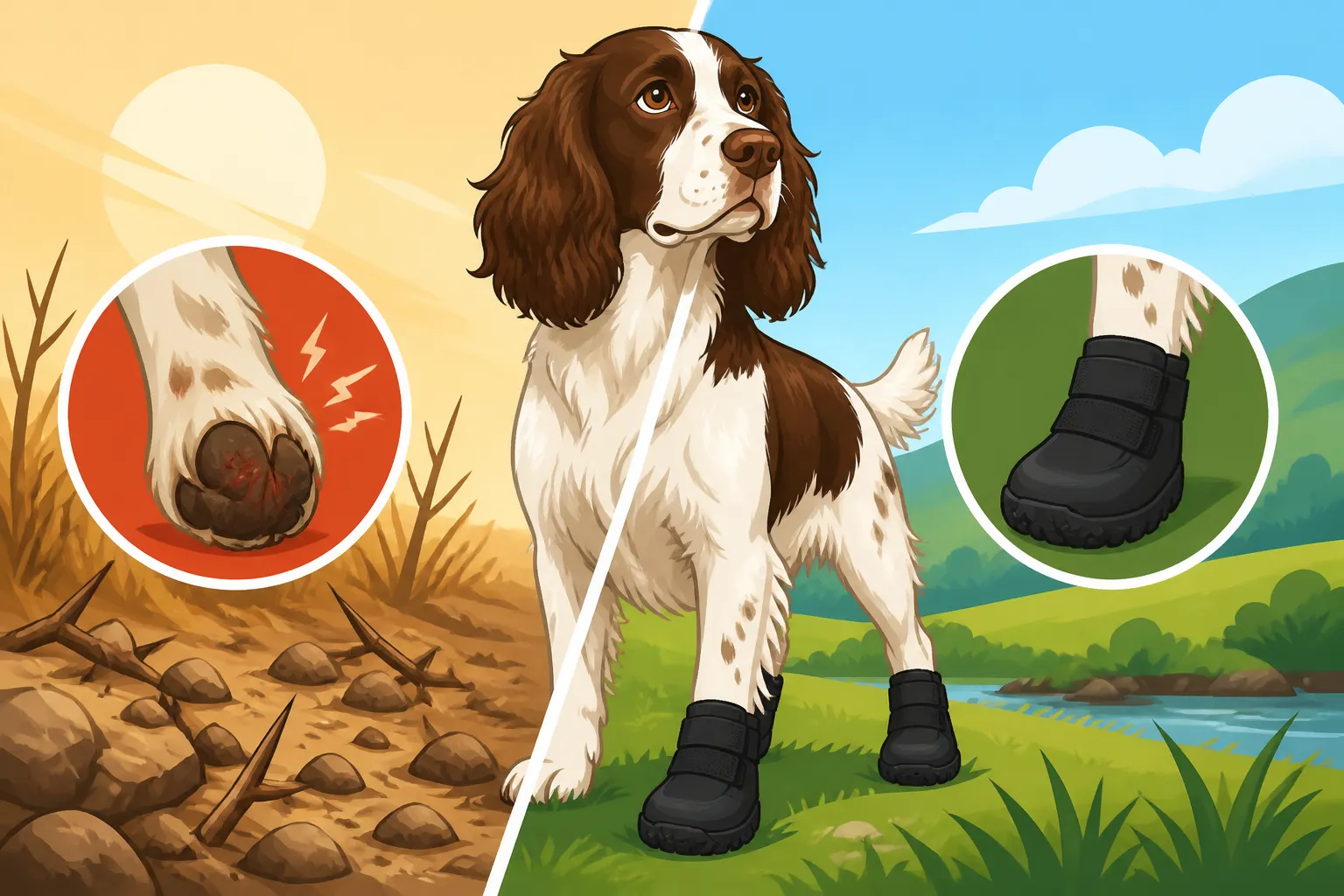
Imagine your Springer Spaniel, tail wagging, nose to the ground, tearing through a cornfield after harvest. That stubble, once soft green stalks, becomes an army of sharp, abrasive spears. Or consider a winter hunt, with ice crusting over snow, concealing jagged frozen earth underneath. Even seemingly benign environments, like a sandy beach or a long stretch of gravel trail, can cause wear and tear over time. Water, especially cold water, can soften paw pads, making them more susceptible to damage once they hit rough ground again.
Then there are the less obvious dangers: chemical residues from agricultural fields, irritating plants like foxtails or burrs that can wedge themselves deep between toes, or even discarded human debris like broken glass or metal. A Springer Spaniel's drive to hunt or explore means they often don't pick their path as carefully as we might hope; they're focused on the scent, the bird, the sheer joy of the chase. Their natural instincts can inadvertently lead them into situations where their paws are at risk, and by the time you notice, the damage might already be done.
Common Paw Injuries in Working Dogs
The list of potential paw injuries is unfortunately quite long, and many of them are incredibly painful and disruptive. Cuts are probably the most common, ranging from shallow nicks to deep lacerations that require sutures. Imagine a shard of glass or a sharp rock slicing through a pad—it’s not only painful but can bleed profusely and easily get infected, leading to a long recovery. Abrasions, or "rug burns," can happen from continuous friction on rough surfaces, essentially wearing down the tough outer layer of the paw pad until it's raw and tender. This is especially common on long treks or during intense, repetitive activity.
Another frequent culprit is embedded foreign objects. Grass awns, those nasty little barbed seeds, can work their way under the skin between toes, causing abscesses and severe lameness. Thorns, splinters, or tiny pieces of gravel can also get stuck, leading to discomfort and potential infection. Frostbite in extreme cold, or burns from hot pavement in summer, are also possibilities, though perhaps less common in true "field" settings. For a highly driven Springer Spaniel, any paw injury means not only pain for them but also frustration for you as you watch them sidelined from their favorite activities. Dealing with a lame dog, especially one used to constant motion, is heartbreaking and exhausting.
The Pros and Cons of Field Boots for Springer Spaniels
So, with all these potential hazards, the idea of paw protection becomes pretty compelling. But are boots the magical solution for every Springer Spaniel in every field? It's not always a simple yes or no answer. There are definite benefits, but also some considerations and challenges to weigh before strapping them on your canine companion.
When Boots Are a Game Changer
In many situations, boots can be an absolute lifesaver for your Springer Spaniel's paws. For instance, if you're hunting in particularly harsh environments, like fields with very sharp stubble, rocky terrain, or through thorny thickets, boots offer a crucial layer of defense. They protect against cuts, abrasions, and punctures that would otherwise leave your dog limping. Similarly, in extreme weather conditions—think icy snow with hidden sharp ice shards, or conversely, searing hot sand or pavement (though hopefully, your field work avoids the latter)—boots provide insulation and a barrier. Many owners find them indispensable for winter training sessions or late-season hunts where frostbite is a concern.
Beyond injury prevention, boots can also be beneficial if your Springer Spaniel already has a minor paw injury, allowing it to heal without forcing them to be completely inactive. A dog recovering from a small cut or abrasion can often continue light activity with the injured paw protected, preventing further irritation or infection. They're also great for older dogs whose paw pads might be thinning or less resilient, or for dogs with known sensitivities. Products available on platforms like Chewy or Amazon offer a wide range of options, making it easier to find something suitable for specific needs and conditions.
Potential Downsides and Challenges
Despite the clear advantages, field boots aren't without their drawbacks, and they certainly aren't a "set it and forget it" solution. The biggest challenge for many owners is keeping them on the dog, especially an active Springer Spaniel. They can slip, twist, or simply fall off during vigorous activity, particularly when a dog is pushing through dense cover or running at top speed. This often means you're frequently stopping to re-adjust or retrieve a lost boot, which can disrupt a hunt or training session. Some dogs, especially those new to boots, might also find them uncomfortable or irritating, leading to awkward gaits, frantic attempts to shake them off, or even refusal to move.
Another consideration is that boots can sometimes interfere with a Springer Spaniel's natural grip and proprioception—their sense of where their paws are in space. This is especially true on uneven or slippery surfaces, potentially leading to slips or falls. They can also trap moisture against the paw, which, if not properly managed, could lead to skin irritation or fungal infections. Just like a human's feet in sweaty shoes, a dog's paws need to breathe. Furthermore, a poor-fitting boot can cause chafing or blisters, ironically creating the very paw problems you were trying to prevent. It's crucial to find boots that fit well and to introduce them gradually, allowing your dog time to adjust to the sensation.
Choosing the Right Boots and Getting Them to Stick
If you decide boots are the right call for your Springer Spaniel, the next step is selecting the best pair and ensuring your dog actually tolerates them. This isn't a one-size-fits-all scenario, and what works for one dog might be a flop for another. Patience and careful observation are key.
Key Features to Look For in Dog Boots
When you're browsing options, whether on Amazon or a dedicated pet supply site like Chewy, there are several features that make a dog boot truly effective for a Springer Spaniel. First and foremost, durability is critical. You need tough materials that can withstand punctures, abrasions, and general wear and tear from rough terrain. Look for thick, rugged soles, perhaps made of rubber or a similar robust material. Second, fit is paramount. Boots should be snug enough to stay on without being so tight they restrict circulation or cause discomfort. Many brands offer sizing charts based on paw width and length; measure your dog's paws carefully while they are standing and bearing weight.
Next, consider the closure system. Velcro straps are common, but look for multiple straps or a wide, secure band that wraps high enough on the leg to prevent twisting and slipping. Some boots also feature elastic drawstrings or toggle closures at the top. Water resistance is a huge plus, especially for Spaniels who love water and work in damp conditions, but remember that fully waterproof often means less breathability. A good compromise is a water-resistant material that still allows some airflow. Finally, think about traction. A grippy sole will help your Springer Spaniel maintain footing on slick surfaces, which is particularly important if they're navigating icy patches or wet logs.
Here's a quick comparison of common boot types:
| Boot Type / Feature | Best For | Pros | Cons |
|---|---|---|---|
| Heavy-Duty Rubber Sole | Rough, sharp terrain; extreme cold/heat | Excellent protection, very durable, often waterproof | Can be stiff, heavier, some dogs dislike the feel |
| Soft Fabric with Reinforced Toe | Moderate terrain, indoor recovery, light snow | Flexible, lightweight, good for sensitive paws | Less durable against sharp objects, can get wet |
| Disposable/Temporary Boots | Emergencies, short-term protection, wound cover | Inexpensive, easy to pack, light | Very low durability, can slip easily, not for sustained use |
| Waterproof Fabric & Rubber Combo | Wet conditions, mud, general outdoor use | Good balance of protection and flexibility | Can still slip, may retain some moisture inside |
Introducing Boots and Maintaining Them
Getting your Springer Spaniel to accept boots is a process that requires patience and positive reinforcement. Don't just strap them on and expect your dog to immediately embrace them. Start by letting your dog sniff and investigate the boots. Then, put just one boot on for a few seconds, distracting them with a high-value treat or a favorite toy. Gradually increase the time and the number of boots, always making it a positive experience. Let them walk around the house with them on for short periods. Their gait will likely be awkward at first, a comical high-stepping dance, but they'll usually adjust.
Once they're comfortable indoors, take them for short, supervised walks in a familiar, low-stress environment. The key is to associate the boots with positive experiences, like going for a walk or playing fetch, rather than the stress of something new. When it comes to maintenance, always inspect the boots after each use. Check for tears, worn soles, or any damage. Clean them according to the manufacturer's instructions; typically, a simple rinse and air dry is sufficient. Most importantly, always check your Springer Spaniel's paws after they've worn boots. Look for any signs of chafing, redness, moisture, or irritation between the toes or around the dewclaws. Removing the boots and allowing their paws to air out and dry thoroughly is crucial for paw health.
Alternative and Complementary Paw Protection
While boots are a fantastic tool, they aren't the only solution, nor are they always necessary. Sometimes, a multi-faceted approach, combining different methods, offers the best protection for your Springer Spaniel's hardworking paws. It’s all about finding what works for your dog and the specific conditions they're encountering.
Paw Conditioners and Waxes
For less extreme conditions, or as a complementary measure alongside boots, paw conditioners and waxes can be incredibly effective. These products create a protective barrier on the paw pads themselves, helping to toughen them up and prevent dryness, cracking, and minor abrasions. Think of it like a balm for their feet. Many popular brands offer wax-based balms that are easy to apply. You simply rub a generous amount into your dog's paw pads before heading out into the field.
These waxes form a semi-permeable layer that can protect against ice, snow, hot pavement, rough surfaces, and even some chemical irritants. They also help keep the paw pads supple, which makes them less prone to cracking and splitting. While they won't offer the same level of puncture protection as a physical boot, they're excellent for preventing general wear and tear, especially in cold or dry conditions. They also don't interfere with a dog's natural footfall or grip, which some dogs prefer. Just remember to reapply them as needed, especially if your dog has been through water or is working vigorously for extended periods. Products like Musher's Secret or similar paw waxes can be found easily on platforms like Chewy or Amazon and are a staple in many working dog kits.
Regular Paw Care and Inspection
Beyond specific protective products, consistent, routine paw care is arguably the most vital component of keeping your Springer Spaniel's feet healthy and field-ready. This isn't just about preventing injuries but about catching any issues early before they escalate. After every outing, especially those in rough or dense cover, make it a habit to thoroughly inspect all four of your dog's paws. This means looking between the pads, feeling each toe, and checking for anything unusual.
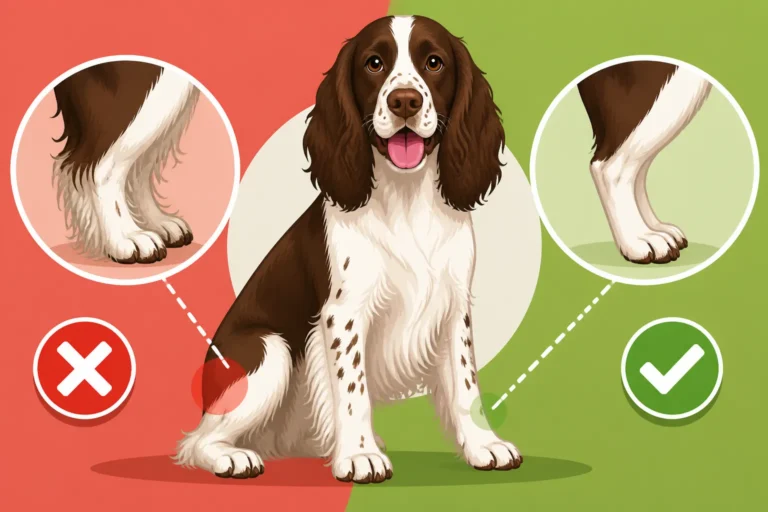
What are you looking for? Start with cuts, scrapes, or punctures on the pads or between the toes. Gently spread the toes apart to check for embedded grass awns, burrs, thorns, or small pieces of debris. Look for any redness, swelling, or tenderness, which could indicate an irritation or infection. Check the nails for cracks or breaks. If you find a foreign object, try to remove it carefully with tweezers, but if it's deeply embedded or causes pain, a trip to the vet is in order. Regular trimming of the hair between the paw pads is also crucial, as excess hair can trap moisture, debris, and create mats that are uncomfortable and provide a hiding place for nasty things like foxtails. Checking a Springer Spaniel's Feet After Working should be a regular part of your routine. Also, ensure your dog's nails are kept trimmed; overgrown nails can make walking painful and even lead to joint issues. Keeping a Working Springer Spaniel's Nails Short is essential for their overall comfort and performance. This proactive care prevents small problems from becoming big, painful ones, ensuring your Springer Spaniel can keep doing what they love.
So, does a Springer Spaniel need boots in the field? It really depends on the conditions and your individual dog. For many, in challenging environments, they are an indispensable piece of kit, offering vital protection against injury and allowing our dogs to perform without worry. For others, paw waxes and diligent care might be sufficient. The most important thing is to be aware of the risks, observe your dog, and choose the best protective measures to keep those incredible paws healthy and ready for their next adventure. Whether it's a full set of boots, a slather of paw wax, or just a meticulous post-field inspection, your Springer Spaniel will thank you for looking out for their hardworking feet. After all, a sound dog is a happy dog, and a happy dog is what we all strive for.
Disclaimer
This article is for general informational purposes only and does not constitute professional advice. Laws, prices and regulations vary by location and change over time. Consult a qualified professional for guidance on your specific situation.