Whether a Field Springer Spaniel Has Less Feathering
It's a really common question, especially for those looking at English Springer Spaniels for the first time or trying to understand the differences between the field-bred and show-bred lines. Many people assume a working dog will be built purely for practicality, and you'd be right to think that excessive feathering might get in the way. Generally speaking, yes, a field-bred Springer Spaniel typically has significantly less feathering compared to their show-bred counterparts, and this difference isn't just aesthetic – it's rooted deeply in their purpose and how they're meant to perform in the field.
The Practicality Behind the Field Springer's Coat
When you think about a dog whose job it is to push through dense brambles, thick cover, and muddy marshes, you quickly realize that a long, flowing coat would be more of a liability than an asset. Field-bred Springer Spaniels are, first and foremost, working dogs, and every aspect of their physical conformation, including their coat, has been honed over generations to maximize their efficiency and comfort in demanding environments. This isn't just a preference; it's a necessity for a dog that spends hours a day battling the elements and the terrain.
Function Over Form: The Working Dog's Imperative
Imagine your field Springer busting through a thorny thicket, flushing pheasants, or retrieving ducks from icy water. Now imagine that same dog with the long, silken feathering you might see on a show Springer. It doesn't take much to envision the issues: every burr, every seed, every piece of tangled undergrowth would latch onto that long hair, creating painful mats and making movement difficult. Heavy feathering would slow them down, reduce their agility, and frankly, make their job a miserable, itchy mess. For a field Springer, "function over form" isn't a slogan; it's the very foundation of their breeding. Their coat needs to offer protection from the elements without impeding their ability to move quickly and efficiently, or to become saturated and heavy, which would chill them.
This practical approach to coat development is a hallmark of many working breeds. Breeders of field Springers prioritize traits that enhance hunting ability and durability in the field. This means selecting for dogs with coats that are robust, easy to maintain, and less prone to picking up debris or becoming waterlogged. The goal is a dog that can work tirelessly without discomfort or requiring constant intervention to untangle or clean its coat. It's a testament to how specialized these lines have become, where the appearance directly reflects the job at hand, rather than conforming to a judge's preference in a show ring.
A Shorter, Denser, More Functional Coat
So, what does a field Springer's coat actually look like? In general, you'll find it to be shorter, coarser, and often denser than that of a show Springer. The "feathering"—the longer hair on the legs, belly, chest, and ears—is noticeably less profuse. On the ears, for example, the hair might still be long enough to protect the ear canal, which is vital for preventing Why a Springer Spaniel's Ears Are Never Quite Healthy, but it won't sweep the ground or require extensive trimming to keep clear of their food bowl. The body coat itself is usually quite close-lying and thick, acting as an excellent barrier against cold, wet weather, and superficial scrapes.
This isn't to say a field Springer is bald, far from it! They still have that classic Springer look, but it's streamlined. Their legs might have some moderate feathering, but it's typically much shorter and less prone to tangling. The hair on their chest and belly is often quite sparse, especially compared to the luxuriant apron of a show dog. This coat type is a natural consequence of generations of breeding for working ability. It allows them to navigate dense cover without becoming hopelessly matted, and it dries more quickly after a dip in a pond or a rainy day in the marsh. It’s truly a coat built for purpose, designed to make their life in the field easier, not harder.
Comparing Field and Show Springer Spaniel Coats
The divergence between field and show lines in English Springer Spaniels is one of the most striking in the canine world. It's not just about a little bit more hair here or there; it's a fundamental difference in priorities that has led to two distinct types of dogs within the same breed standard. Understanding this contrast helps owners choose the right type of Springer for their lifestyle and prepare for the specific care needs each coat type demands. You can really see How Different the Two Springer Spaniel Types Look when you compare them side by side.
The Show Ring Aesthetic
The show-bred Springer Spaniel, on the other hand, is a magnificent sight to behold, bred to meet specific aesthetic standards set by kennel clubs. Their coats are a major part of this appeal. They boast long, flowing feathering that cascades down their legs, forms a deep "apron" on their chest, and graces their ears with luxurious length. This coat is often softer and silkier in texture, designed to catch the light and create an impression of elegance and grace in the show ring. The silhouette is one of sweeping lines and a grand presence.
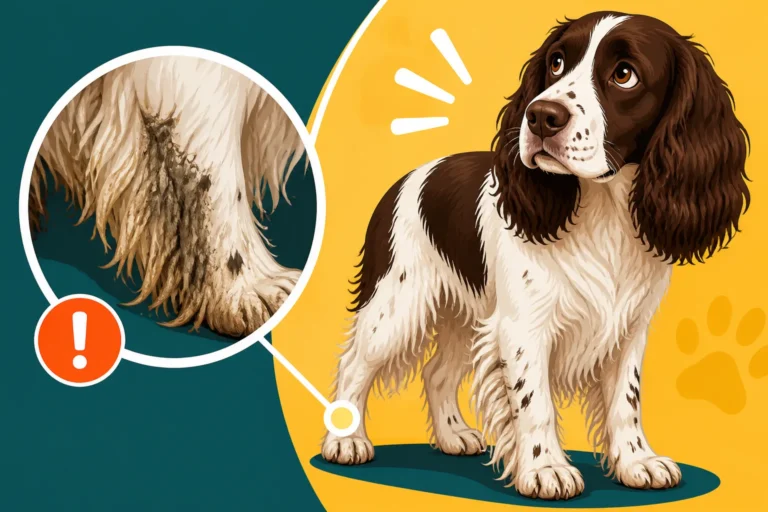
However, this beauty comes with a significant trade-off in practicality, especially for a dog meant to work hard in the field. That abundant feathering, while stunning, is a magnet for burrs, mud, leaves, and any other detritus found outdoors. It mats easily, particularly in the armpits, behind the ears, and on the lower legs. Owners of show Springers often describe the constant battle with tangles and the extensive grooming required to keep these coats in pristine condition. Regular brushing, stripping, and trimming are essential, often requiring professional grooming appointments or a substantial investment in time and tools at home. Without diligent care, that beautiful coat can quickly become a matted, uncomfortable mess for the dog. This is precisely why articles like The Feathering a Show Springer Spaniel Drags Through Everything resonate so strongly with many owners.
A Visual and Tangible Difference
The differences between the field and show coats are not merely visual; they're tangible. You can feel the difference in texture and density. A field Springer's coat often feels slightly coarser to the touch, built for shedding water and resisting punctures, whereas a show Springer's coat might feel finer and softer.
To really lay it out, here's a quick comparison of the typical coat characteristics:
| Feature | Field Springer Spaniel | Show Springer Spaniel |
|---|---|---|
| Overall Length | Shorter, more compact body coat | Longer, more profuse body coat |
| Feathering | Minimal to moderate on legs, belly, chest, and ears | Abundant, long, and flowing on legs, belly, chest, and ears |
| Texture | Often coarser, denser, more weather-resistant | Softer, silkier, finer |
| Maintenance | Lower, regular brushing for debris, occasional trims | High, daily brushing, frequent trimming/stripping, professional grooming often needed |
| Purpose | Designed for protection and ease of movement in cover | Bred for aesthetic appeal in the show ring |
This table highlights why a field Springer owner will have a very different grooming routine from a show Springer owner. A field-bred dog's coat is designed to be largely self-managing with minimal interference, allowing the dog to focus on its natural working abilities. The show coat, conversely, requires significant human intervention to maintain its desired appearance, a task that can be incredibly time-consuming. This distinction is crucial for prospective owners to understand, as it directly impacts the daily care and financial commitment associated with each type.
Grooming and Care for a Field Springer's Coat
Just because a field Springer has less feathering doesn't mean you can completely neglect their grooming. While their coat is undeniably lower maintenance than a show Springer's, it still requires regular attention to keep them healthy, comfortable, and ready for their next adventure. Think of it as practical care for a practical dog. The good news is that this care tends to be less about elaborate styling and more about ensuring hygiene and well-being.
Simplified Grooming Needs
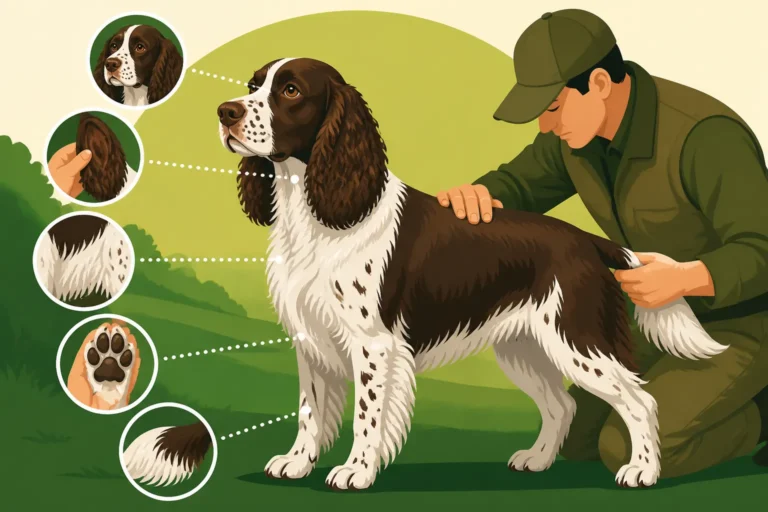
One of the great joys of owning a field-bred Springer is that their grooming routine is much simpler. You won't be spending hours with thinning shears and specialty brushes trying to achieve a perfect, flowing silhouette. Instead, your focus will be on keeping their coat clean, free of debris, and untangled, especially after they've been out working or playing hard. Regular brushing, perhaps two to three times a week, is usually sufficient to remove loose hair, distribute natural oils, and check for any hitchhikers. A good slicker brush and a metal comb (which you can easily find on Amazon or Chewy) are usually all you need. Focus on areas where feathering is present, like the legs, chest, and ears, as these are still the most likely spots for minor tangles or burrs. You might also need to do a little tidying with thinning shears around the feet and ears to prevent excessive growth, but it's generally more about hygiene than aesthetics. How Often a Field Springer Spaniel Needs Brushing is a great resource to dive deeper into this routine.
For many field Springer owners, the appeal of this coat type is precisely its ease of care. You're not battling mats daily, and a quick brush-down after an outdoor excursion often does the trick. This frees up more time for what these dogs truly excel at: being active companions, whether that's out in the fields or enjoying long hikes. They still shed, of course, but the shorter, coarser hairs tend to be less noticeable than the longer, finer hairs of their show-bred cousins.
Post-Field Check-ups and Maintenance
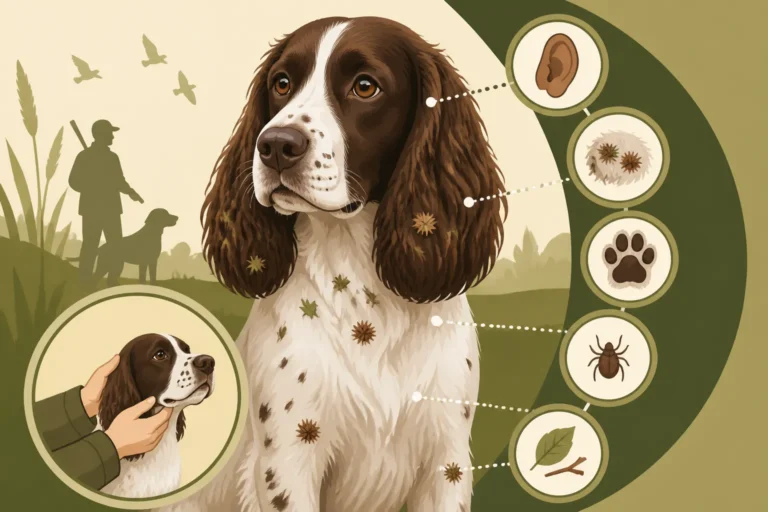
Even with a less profuse coat, a field Springer that spends time in the brush needs diligent post-outing checks. Burrs, seeds, and even small twigs can still work their way into their coat, especially in the minimal feathering on their legs and belly. More seriously, ticks and grass awns are a constant threat. Burrs, Ticks and Grass Awns in a Working Springer Spaniel can be incredibly dangerous if not found quickly. After every outing, especially in tall grass or dense woods, make it a habit to thoroughly examine your dog. Run your hands over their entire body, paying close attention to the ears, armpits, between the toes, and around the tail. A fine-toothed comb can help you find any sneaky passengers.
Ears are another area that always needs attention, regardless of feathering. Springer Spaniels, with their lovely drop ears, are prone to ear infections because the ear flap creates a warm, moist environment. Even with less external feathering, moisture can still get trapped in the ear canal. Regular cleaning with a vet-approved ear cleaner is a good preventative measure, especially after swimming or bathing. If you notice any redness, discharge, or your dog is shaking its head excessively, it's time for a vet check. Keeping the hair inside the ear opening trimmed short can also help with air circulation, further reducing the risk of infection.
Managing the Field Springer's Health in Relation to Coat
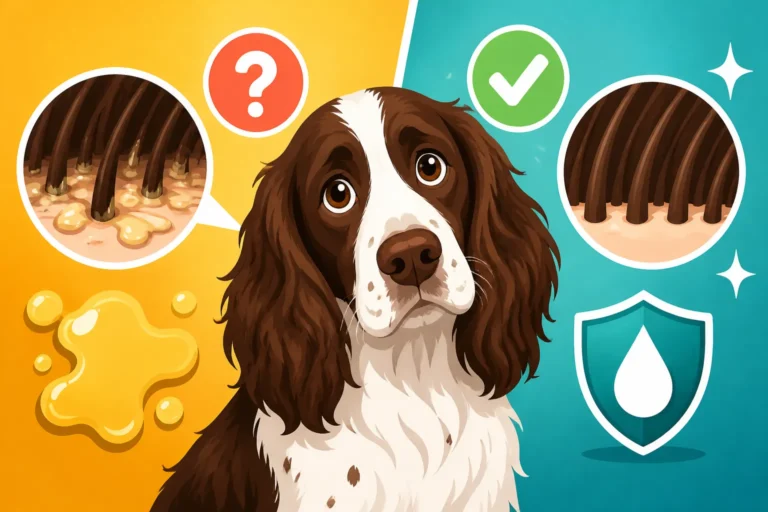
A well-maintained, functional coat is a key part of a field Springer's overall health and well-being. The lack of excessive feathering means there are fewer places for moisture to get trapped against the skin, which can reduce the incidence of skin infections and hot spots. It also makes it easier to spot any skin issues, bumps, or external parasites promptly. You can more easily feel for Lumps Worth Checking on a Springer Spaniel. Regular grooming allows you to monitor their skin condition, which is often a reflection of their internal health.
Nutrition also plays a huge role in coat health. A high-quality diet provides the necessary nutrients for a healthy skin barrier and a shiny, strong coat. Brands like Ollie focus on fresh, whole ingredients that can contribute to overall wellness, including coat condition. If you notice a dull coat, excessive shedding, or dry, flaky skin, it might be worth reviewing their diet with your vet. Even with their "easy-care" coats, field Springers benefit from a holistic approach to care that considers diet, regular checks, and appropriate grooming. A healthy coat, regardless of length, is a sign of a healthy dog, ready to face the world, or at least the backyard, with vigor.
Disclaimer
This article is for general informational purposes only and does not constitute professional advice. Laws, prices and regulations vary by location and change over time. Consult a qualified professional for guidance on your specific situation.