Whether a Springer Spaniel Remembers a Harsh Word
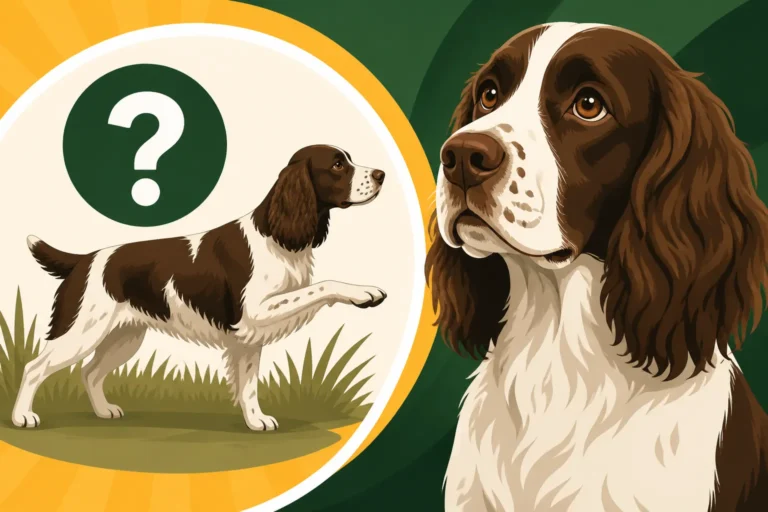
It’s a moment many dog owners face: you’ve been pushed to your limit, your Springer Spaniel has done something truly mischievous, and a frustrated, sharp word, or even a shout, slips out. Immediately, a wave of guilt washes over you. Did that harsh tone just undo weeks of positive training? Will your sensitive Springer ever truly forget that moment? It’s a completely natural worry, and understanding how your Springer Spaniel perceives and remembers such interactions is key to building a strong, lasting bond based on trust and respect, which is what we're going to dive into today.
The Sensitive Soul of a Springer Spaniel
Springer Spaniels are renowned for their eagerness to please and their generally sunny dispositions. They are highly attuned to their human companions, often described as "velcro dogs" because of their desire to be near you. This deep connection, while wonderful, also means they are incredibly sensitive creatures, and their emotional landscape is far more nuanced than some might give them credit for. They don't just hear your words; they feel your emotions, pick up on your body language, and register the change in your tone.
Their Innate Desire to Please
From the moment they're puppies, Springer Spaniels are hardwired to work with and for people. Whether it's flushing game in the field or bringing you a forgotten slipper, their joy often comes from collaboration and receiving positive affirmation. This natural inclination means they want to do what makes you happy. When a harsh word is used, it directly conflicts with this deeply ingrained desire. They might not understand the specific nuance of why you're upset in human terms, but they absolutely understand the feeling of your displeasure, and it can be profoundly unsettling for them. Imagine desperately wanting to do a good job and suddenly being met with anger; it's a confusing and disheartening experience for such an eager-to-please breed.
The Impact of Tone and Body Language
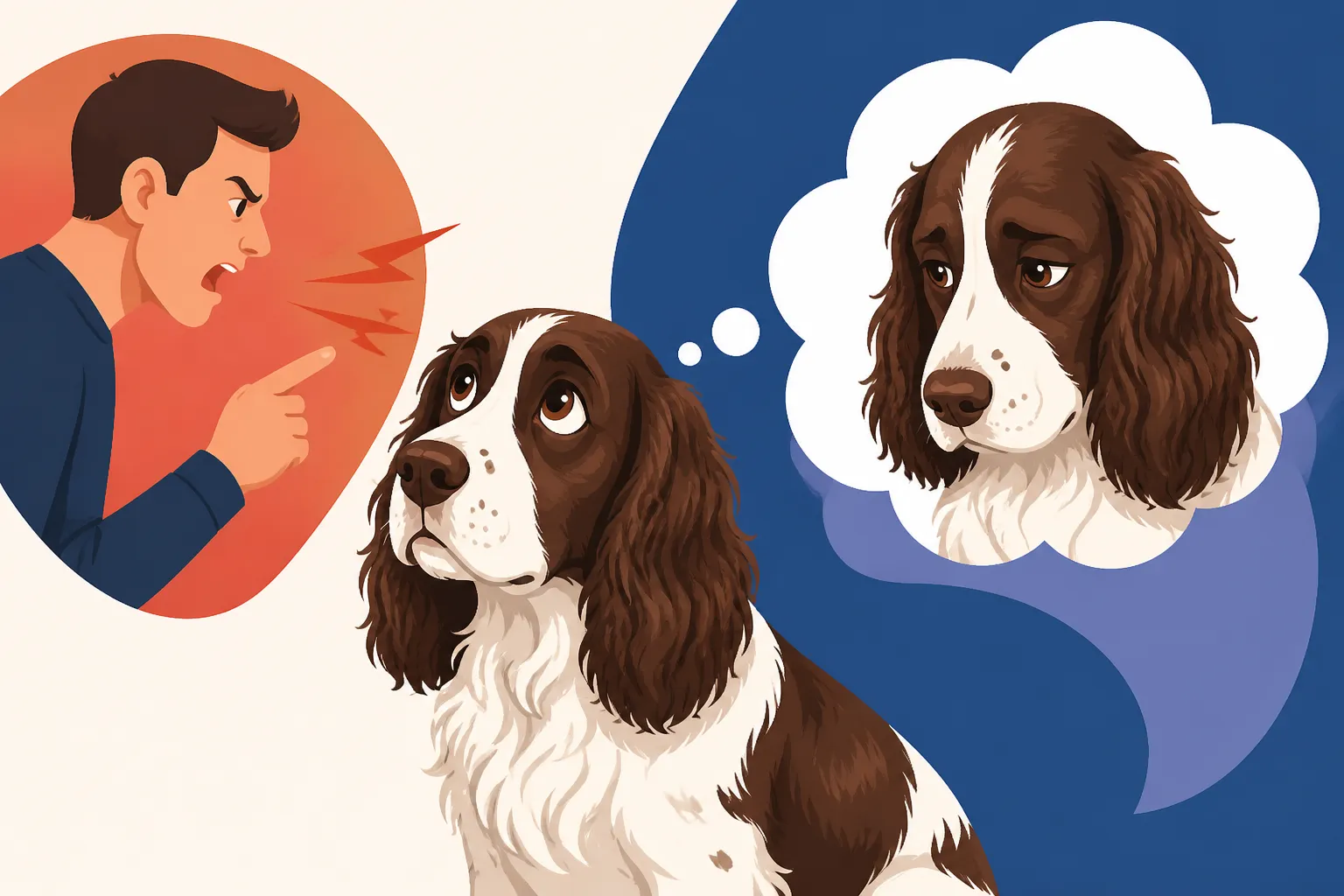
Dogs, including our beloved Springers, are masters of non-verbal communication. Long before they grasp a specific command, they're reading our facial expressions, our posture, and the inflection in our voices. A harsh word isn't just a sound; it's a package deal that comes with a tightened jaw, narrowed eyes, or a sudden, sharp gesture. These physical cues speak volumes to a dog. They learn to associate these cues with unpleasant outcomes, and this can lead to them becoming wary or even fearful of you in that specific context. It's not just the word itself, but the entire shift in your demeanor that registers. This is why even a mild correction delivered with a frustrated tone can have a disproportionately large impact on a Springer Spaniel, leading them to The Soft Springer Spaniel That Shuts Down If You Shout.
Why They Might Shut Down
When faced with harshness or anger, a Springer Spaniel's coping mechanism often isn't defiance; it's retreat. They may shut down, refusing to engage, dropping their head, or even trying to physically distance themselves. This isn't them being stubborn or manipulative; it's a genuine expression of distress and a learned response to avoid further negative interaction. They might be trying to appease you or simply feeling overwhelmed. Repeatedly encountering harshness can teach them that trying or engaging carries the risk of an unpleasant reaction, leading to a general reluctance to try new things or even offer behaviors they previously enjoyed. It truly highlights Why Shouting Sets a Springer Spaniel Back in their training and confidence.
How Dogs Process Memories and Experiences
Understanding canine memory helps us grasp the long-term effects of our interactions. Dogs don't remember events in the same linear, narrative way that humans do. They don't typically recall "that time last Tuesday when you yelled at me for chewing the sofa." Instead, their memory is more associative and emotional.
Associative Learning: Connecting Actions to Outcomes
Dogs are brilliant at associative learning. They link specific actions, environments, and even people to outcomes, both positive and negative. If a harsh word is consistently used when they jump up, they will associate jumping with an unpleasant sound or feeling from you. This is how training works, for better or worse. A single harsh word, especially if it's an outlier in an otherwise positive relationship, might be quickly forgotten as a specific "event." However, if harshness becomes a pattern, or if the single instance was particularly terrifying or painful, the emotional association sticks around. They link the feeling of fear or distress with your presence or a specific situation.
For instance, if you yell every time they get too close to the trash can, they'll learn to avoid the trash can when you're around, but they might still raid it when you're not there. The memory isn't "my human yelled at me for the trash," but "human + trash = unpleasantness."
The Difference Between Event Memory and Emotional Memory
While Springers might not recall the specific day and time of a scolding, their emotional memory is quite profound. They remember how certain interactions made them feel. A sharp, angry tone can trigger fear, anxiety, or confusion that gets deeply embedded. This emotional residue can influence their behavior and confidence for a long time. They might become hesitant, anxious in certain situations, or even wary of your commands if they've learned to associate your voice with unpredictable or negative emotions. This is why building positive associations is so critical; every pleasant interaction reinforces their trust and sense of security. The long-term impact on their confidence can be significant.
Why Repetition of Harshness Stings Deepest
A one-off harsh word, if quickly followed by reassurance and a return to positive interactions, might have a minimal lasting effect on a resilient Springer. However, consistent harshness, yelling, or physical corrections will have a cumulative and detrimental impact. Each repeated instance reinforces the negative emotional association. It teaches them that their world with you is unpredictable or potentially unsafe. This is where you see the true damage, as the dog's spirit can be genuinely broken. They may start to avoid eye contact, become less enthusiastic, or even develop anxiety and fear-based aggression. This is the difference between a fleeting moment of frustration and a pattern that can irrevocably change your dog's personality and their bond with you. It really makes you consider Whether a Springer Spaniel Recovers From Rough Handling.
The Lasting Scars of a Harsh Word
While our intention might not be to harm, a harsh word can leave a lasting imprint on a sensitive Springer Spaniel, influencing their behavior, trust, and overall well-being.
Eroding Trust and Creating Fear
The foundation of any good relationship with a dog is trust. They need to feel safe and secure with you, knowing you are their benevolent leader and protector. When you use harsh words or methods, that trust erodes. Your Springer begins to see you as a source of unpredictable discomfort or fear, rather than consistent guidance and affection. This can manifest in subtle ways, like hesitating before approaching you, or more overt signs, such as cowering or trying to escape when you raise your voice. A dog that lives in fear cannot truly learn or thrive. Their confidence takes a huge hit, and they may become generally anxious, even outside of direct interactions with you.
Think about a dog who has a solid retrieve and suddenly starts dropping the bumper a few feet away, or won't come to you when called. This can be a sign that they're hesitant to get too close, associating proximity with potential displeasure. It's a sad outcome when the very bond you cherish starts to fray.
Behavioral Fallout: Avoidance and Anxiety
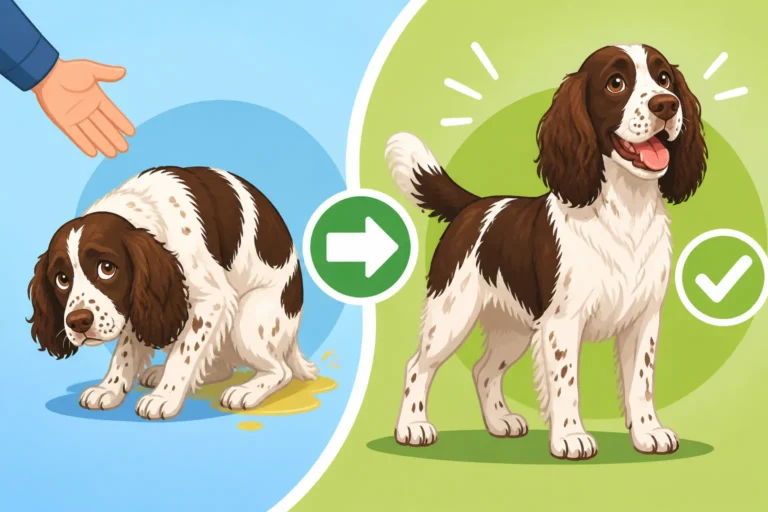
The behavioral consequences of harsh corrections are varied but consistently negative. A Springer Spaniel might start to avoid certain situations, objects, or even people they associate with past scoldings. If they were yelled at for jumping on guests, they might not greet guests at all, retreating to another room. They might develop a general anxiety, pacing, panting, or exhibiting displacement behaviors like excessive licking when stressed. Some dogs might even try to preemptively "appease" you by submissively urinating or rolling over, behaviors that are often misunderstood as guilt but are actually signs of fear and stress. These behaviors are not effective solutions, and they certainly don't help them learn desired behaviors. This is why many trainers advocate so strongly for positive methods, because the goal is not just compliance, but a happy, well-adjusted dog.
The Difficulty of Rebuilding a Broken Bond
Rebuilding trust after it's been damaged is a marathon, not a sprint. It requires immense patience, consistency, and a deliberate commitment to positive reinforcement. You can't simply apologize to your dog, wave a magic wand, and expect them to forget a history of harshness. Every positive interaction from that point forward needs to counteract the negative associations they've stored. This can be incredibly challenging, especially if the dog has become deeply fearful or anxious. You'll need to go back to basics, focusing on creating a safe, predictable environment where good things always happen when they engage with you. This might involve using high-value treats, toys, or even an online positive training program like those offered by BAXTER & Bella, which focuses on building confidence through reward-based methods. Consistency is key; one lapse back into harshness can set you back weeks or even months.
Cultivating a Positive Training Environment
Given the sensitive nature of Springer Spaniels and how deeply they can internalize negative experiences, creating a consistently positive training and living environment is paramount. It’s not just about what you don’t do; it’s about what you do do to build them up.
The Power of Praise and Positive Reinforcement
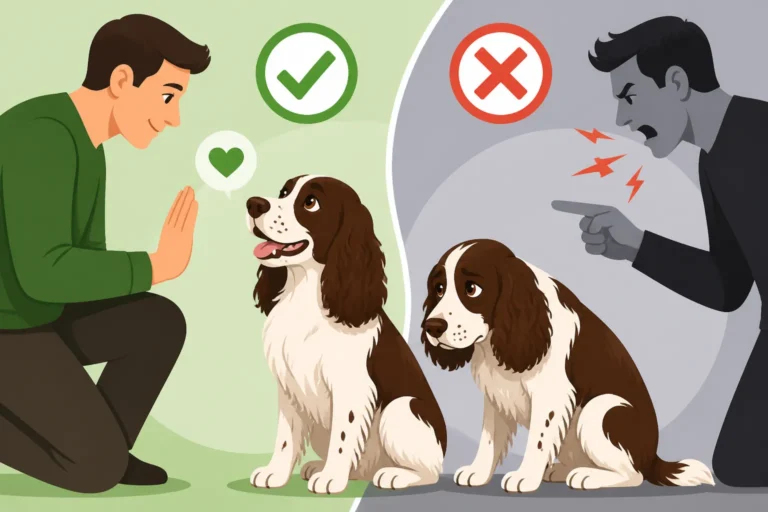
Positive reinforcement isn't just a training fad; it's a scientifically proven method that works incredibly well, especially for eager-to-please breeds like Springers. When your dog does something right, or even close to right, reward them immediately. This could be a cheerful "Yes!" followed by a tasty treat, a favorite toy, or enthusiastic praise. This clear, consistent feedback tells your Springer exactly what you do want them to do, rather than punishing them for what you don't. It builds their confidence, encourages them to try, and strengthens their desire to work with you. Over time, your praise alone becomes a powerful reinforcer. You'll notice how much more readily your Springer responds and how much more engaged they are when they know success means good things. This is why understanding What a Springer Spaniel Will Work For is so crucial.
Let's say your Springer puppy is still learning not to jump on visitors. Instead of yelling "OFF!", which can be scary and confusing, turn your back. When all four paws are on the floor, immediately turn around, offer a calm, happy "Good!" and a treat. You are rewarding the desired behavior, not punishing the undesirable one. You can find excellent resources on positive training techniques, including various training treats and toys, on platforms like Amazon, which can be invaluable tools.
Understanding Your Springer's Communication
Your Springer Spaniel is constantly communicating with you, if you know how to read them. Their body language, vocalizations, and subtle cues can tell you when they're stressed, happy, confused, or unwell. Learning to recognize these signs allows you to intervene before a problem behavior escalates, reducing the need for any form of harsh correction. For example, if your Springer is starting to chew on something inappropriate, often there are precursor signs: restlessness, sniffing, or going to a specific spot. Catching these early allows you to redirect them to an appropriate chew toy with positive reinforcement, rather than reacting angrily after the damage is done. This proactive approach saves both of you stress and helps them learn what is acceptable in your home.
This deep understanding is part of why The First Year With a Springer Spaniel Puppy is so critical for establishing good habits and clear communication from both sides. It's a foundational period for shaping their behavior and emotional responses.
Professional Guidance When You Hit a Wall
Sometimes, despite our best intentions, we hit a wall. Maybe a particular behavior is deeply ingrained, or your Springer Spaniel has developed anxieties that feel overwhelming. This is where professional help is invaluable. A certified professional dog trainer or behaviorist, especially one specializing in positive reinforcement, can offer tailored strategies and support. They can help you understand the root cause of the behavior, teach you new communication techniques, and guide you in rebuilding a strong, trust-based relationship. This isn't a sign of failure; it's a smart investment in your dog's well-being and your peace of mind. They can also advise on techniques to help your Springer learn How Fast a Springer Spaniel Learns in a positive way. Don't be afraid to seek this kind of help; it can make all the difference, especially if you're wondering Whether a Springer Spaniel Needs a Private Trainer.
| Training Method | Primary Approach | Impact on Springer Spaniel | Long-Term Outcome (Likely) |
|---|---|---|---|
| Positive Reinforcement | Rewards desired behaviors (treats, praise, play) | Builds confidence, trust, enthusiasm | Happy, well-adjusted, eager to please |
| Punishment-Based | Punishes undesired behaviors (harsh words, physical corrections) | Creates fear, anxiety, avoidance | Withdrawn, fearful, potential aggression |
| Aversive Tools | Uses discomfort (shock collars, prong collars) | Suppresses behavior through pain/fear | Damaged bond, learned helplessness |
| Redirection & Management | Prevents unwanted behavior, guides to acceptable alternatives | Reduces frustration, teaches boundaries | Proactive learning, fewer unwanted habits |
Ultimately, our Springers live for our approval and affection. A harsh word, while it might not be remembered as a specific date and time, leaves an emotional impression that can linger, shaping their perception of us and their world. Choosing patience, understanding, and positive reinforcement isn't just about training; it's about nurturing the loving, trusting bond that makes life with a Springer Spaniel so incredibly rewarding. It’s part of a larger commitment to The Push to Breed Springer Spaniels for Temperament that makes them such wonderful companions.
Disclaimer
This article is for general informational purposes only and does not constitute professional advice. Laws, prices and regulations vary by location and change over time. Consult a qualified professional for guidance on your specific situation.