Why Shouting Sets a Springer Spaniel Back
It’s a scenario many of us Springer Spaniel owners have faced: your beloved dog is doing something they shouldn't, maybe they’ve ignored a recall command for the tenth time, or they’re persistently counter-surfing when you’ve told them "no" a hundred times. In a moment of sheer frustration, a shout escapes your lips, and you immediately see that familiar flinch, the dropped tail, or the quick retreat. We’ve all been there, feeling that pang of guilt afterwards, wondering if it actually helped or just made things worse. This guide is here to shed light on why yelling, even when you're at your wit's end, is often counterproductive for a Springer Spaniel and how it can actually set back your training progress and damage your precious bond.
Understanding the Springer Spaniel Temperament
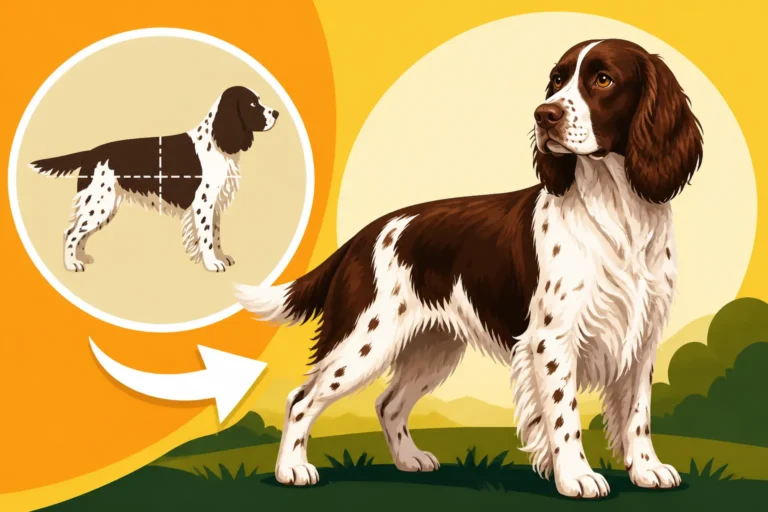
English Springer Spaniels are, by nature, incredibly intelligent, eager to please, and deeply sensitive dogs. They thrive on connection and positive interaction, making them wonderful companions and enthusiastic working partners. However, these very traits that make them so endearing also mean they react strongly to harsh treatment, particularly shouting.
The Springer's Innate Sensitivity
If you live with a Springer, you already know they have big hearts and keen minds. They’re wired to be attuned to their people, often anticipating your next move or reading your mood before you even fully realize it yourself. This isn't just about their desire to please; it's also rooted in their historical role as close-working gundogs who needed to be responsive to subtle cues from their handler. Their sensitivity means they perceive tone of voice, body language, and energy much more acutely than some other breeds might. A sharp, loud command that might barely register with a more thick-skinned dog can deeply affect a Springer.
They are often described as "soft" dogs, which doesn't mean they're weak, but rather that they respond best to gentle, consistent guidance. A raised voice can pierce through their eager spirit, making them feel confused or even fearful. Imagine trying to learn a new skill while someone is constantly yelling at you; it's hard to focus, easy to make mistakes, and certainly not a positive learning environment. Our Springers are no different. They rely on us to be their calm, confident leaders, and when our tone shifts dramatically, it can shake their foundation of trust. The Soft Springer Spaniel That Shuts Down If You Shout delves deeper into this particular aspect of their personality.
Eager to Please, Easily Discouraged
Springers want to do the right thing. It's almost palpable, isn't it? They'll bounce with enthusiasm at the slightest hint of a task, their tails whirring like propellers. This eagerness is a huge asset in training, as it means they are highly motivated by your approval and by the joy of working together. However, this same eagerness can make them incredibly vulnerable to discouragement. When you shout, what they often hear isn't "stop doing that specific behavior," but rather "you are displeasing me," or "I am unhappy with you."
This can be incredibly confusing for a dog that genuinely wants to earn your praise. They might shut down, retreating internally, because they don't understand what went wrong or how to fix it. Instead of associating the correction with the unwanted behavior, they may associate it with your presence, or with the general act of trying to learn. This isn't a deliberate act of defiance; it’s a dog trying to navigate a world where the rules suddenly feel unclear and intimidating. Their inherent drive to please can quickly turn into anxiety if they feel they are constantly failing or being reprimanded without clear, understandable guidance.
The Immediate Impact of Harsh Corrections
When a shout leaves your lips, the reaction from your Springer Spaniel is often instantaneous. It's not a moment of thoughtful reflection on their part; it's a primal, emotional response that can have a tangible, immediate effect on their behavior and learning.
The Startle Response and Fear
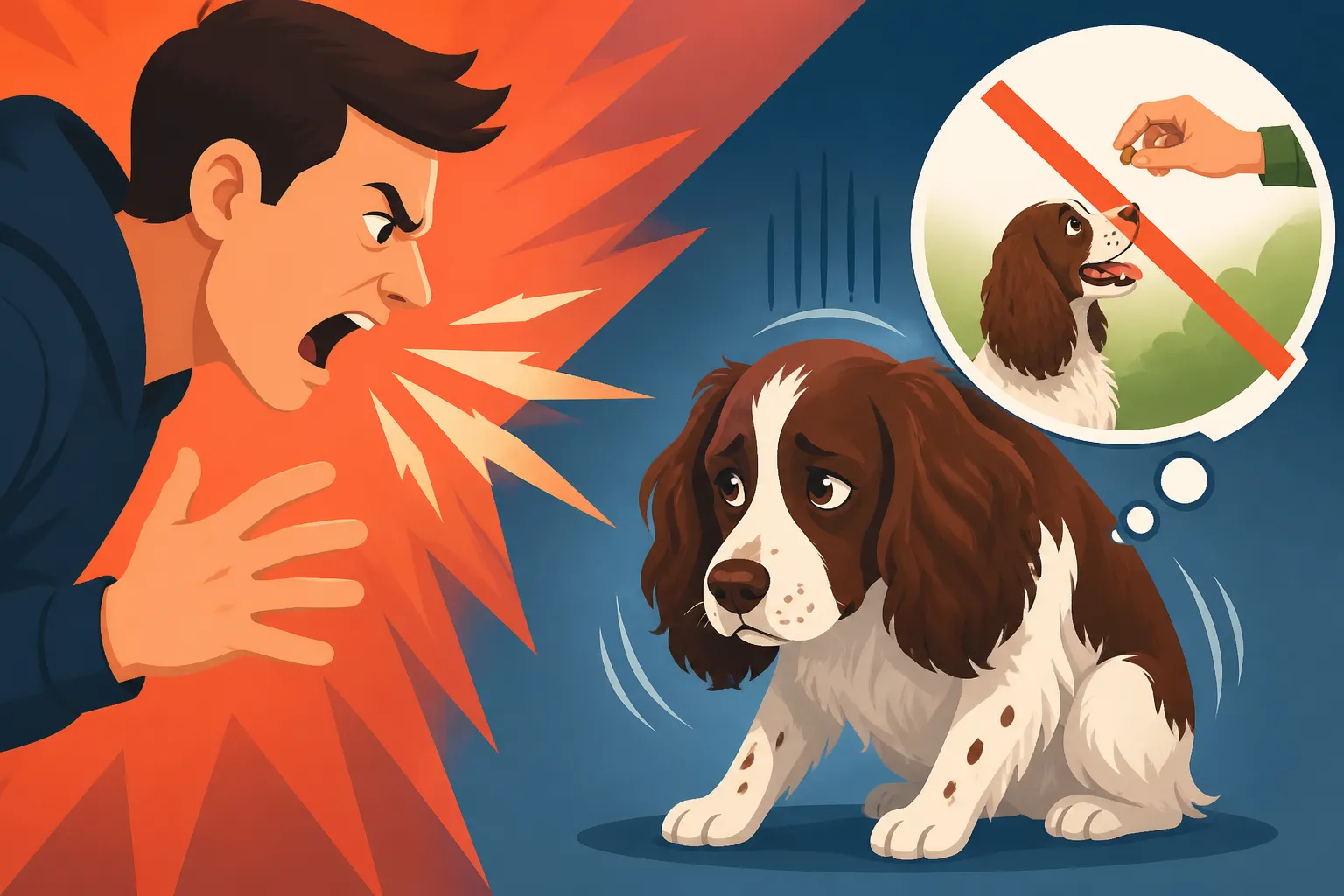
Think about how you'd react if someone suddenly yelled at you. Most likely, you'd jump, your heart rate would spike, and a jolt of alarm would run through you. Dogs, with their more acute hearing, experience this even more intensely. A sudden, loud noise, especially one delivered with an angry tone, triggers a startle response in a Springer Spaniel. Their ears might flatten, their body might tense or cower, and their tail will often tuck tight between their legs. This isn't them acknowledging their "mistake"; it's a fear response.
When a dog is in a state of fear or alarm, their brain is flooded with stress hormones. Their primary instinct kicks in: fight, flight, or freeze. None of these states are conducive to learning or cooperation. Instead of understanding what you want them to do, they are focused solely on the perceived threat. This can be particularly detrimental if the shouting occurs when they are already feeling anxious or uncertain. It can create a negative association with the environment, the command, or even with you, the person they love and trust the most. They aren't thinking "Oh, I shouldn't jump on the counter"; they're thinking "Oh no, a scary noise from my person!"
Shutting Down: The Opposite of Learning
One of the most common and heartbreaking immediate reactions to shouting in a sensitive Springer is to "shut down." This can manifest in several ways: they might freeze in place, avoid eye contact, move slowly, or simply stop whatever they were doing and lie down, often in a submissive posture. While this might seem like compliance or an admission of guilt, it's actually the opposite of productive learning. When a dog shuts down, they're not processing information or engaging in problem-solving; they're essentially disconnecting.
Their mind goes blank because the stress and confusion are overwhelming. They're no longer actively participating in the interaction. Instead of learning what they should do, they've learned that attempting to engage or even moving might lead to more discomfort. This state completely halts any genuine learning. Imagine a student in a classroom who is constantly reprimanded loudly for mistakes; they might stop raising their hand or even trying to answer questions, not because they're being defiant, but because they're afraid of making another mistake and facing the negative consequence. Our Springers, with their eagerness to please, are especially prone to this kind of emotional withdrawal. This is why building a positive training foundation is so crucial, as discussed in Whether Positive Training Alone Works on a Springer Spaniel.
Long-Term Behavioral Consequences
The immediate flinch or retreat is just the tip of the iceberg. Repeated shouting or harsh corrections can chip away at the very foundation of your relationship with your Springer Spaniel, leading to a host of long-term behavioral issues that are far more difficult to undo than the original problem behavior.
Erosion of Trust and Relationship Strain
A strong bond with your Springer Spaniel is built on trust, consistency, and positive interactions. When shouting becomes a regular part of their training or daily life, that trust erodes, slowly but surely. Your dog starts to see you less as a reliable, safe leader and more as an unpredictable source of fear or discomfort. This can lead to them becoming hesitant around you, avoiding your gaze, or even physically backing away when you approach, especially if your body language is tense.
Consider a Springer Spaniel that always greets you with a joyous, full-body wag. If every time they get too excited, they are met with a sharp "NO!" or a frustrated shout, they might start to temper their enthusiasm. Over time, that exuberant greeting could become a cautious approach, their tail wagging lower, their movements less confident. This isn't a better-behaved dog; it's a dog whose spirit has been dampened, and whose relationship with you has become strained. They might still obey commands, but out of fear of reprimand rather than genuine desire to cooperate. This lack of trust makes all future training more challenging, as they may become less willing to try new things or push past initial difficulties. Whether a Springer Spaniel Recovers From Rough Handling explores how deep this damage can go.
Increased Anxiety and Stress
Springers, like many intelligent and sensitive breeds, are prone to anxiety. When you introduce shouting and harshness into their environment, you are essentially increasing their baseline stress levels. Chronic stress can manifest in many ways: excessive panting, pacing, destructive chewing (even if they’ve never been a chewer before), excessive grooming, changes in appetite, or even increased reactivity to sounds and sights. A dog constantly worried about being yelled at cannot truly relax and be themselves.
For example, a Springer who consistently gets yelled at for barking at the mailman might develop an anxiety around the front door. Instead of just barking, they might start pacing, drooling, or even eliminating in the house whenever the mail truck approaches, because the stress of the impending "scolding" becomes too much. This isn't about the original behavior; it's about the overwhelming anxiety stemming from the punishment. This heightened state of stress can also make them more susceptible to separation anxiety or other fear-based behaviors, as their coping mechanisms are weakened.
Development of Undesirable Behaviors
Ironically, shouting and harsh corrections often lead to an increase in the very behaviors you're trying to stop, or the development of new, equally undesirable ones. When a dog is confused and stressed, they often resort to instinctual behaviors or learn maladaptive coping mechanisms.
Here's how it can play out:
- Avoidance and Evasion: If a Springer is consistently yelled at when they chew on the wrong toy, they might not stop chewing; they'll just learn to chew when you're not looking, or hide what they're doing. This creates a sneakier dog, not a better-behaved one.
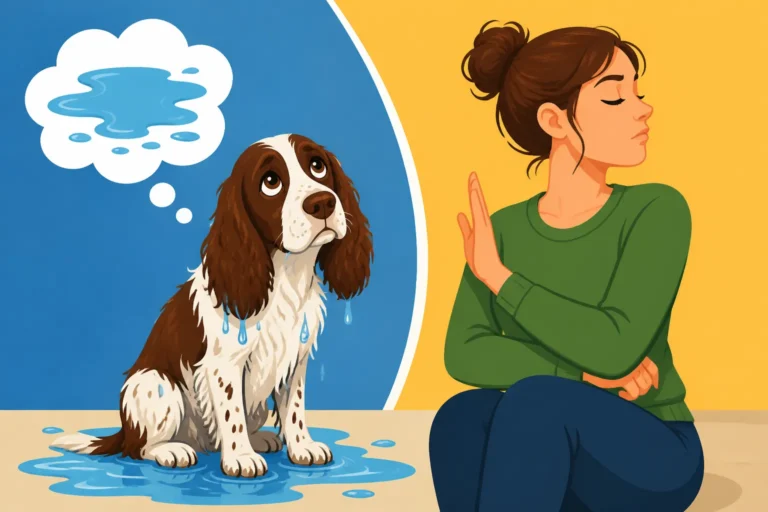
- Submissive Urination: For very sensitive Springers, shouting can trigger submissive urination, especially during greetings or when they feel overwhelmed. This is an involuntary response to extreme stress or fear, and punishing it only makes it worse.
- Growling or Snapping: In some cases, repeated harshness can lead to a dog feeling cornered or threatened. If a dog feels they have no other way to escape a perceived threat (like an angry owner), they might resort to growling or even snapping as a warning sign. This is a desperate attempt to create distance, not an act of aggression from a place of dominance. If you notice your Springer becoming withdrawn or defensive after corrections, it's a serious sign that your methods are causing harm. Whether a Springer Spaniel Remembers a Harsh Word highlights how deeply these negative experiences can stick.
Why Positive Reinforcement Works Better
Instead of focusing on what you don't want your Springer to do, positive reinforcement shifts the focus to teaching them what you do want them to do. It's a powerful and compassionate approach that leverages a Springer Spaniel's natural intelligence and eagerness to please, building a stronger bond and more reliable behaviors.
Building Confidence Through Rewards
Positive reinforcement is all about rewarding desirable behaviors. When your Springer does something right—whether it's sitting politely, coming when called, or calmly lying on their bed—they receive something they value, like a tasty treat, a favorite toy, or enthusiastic praise. This process makes them feel good, makes them want to repeat the behavior, and most importantly, builds their confidence. A confident dog is a happy dog, and a happy dog is a willing learner.
Imagine training your Springer to stay. Instead of yelling when they break the stay, you reward them lavishly for every second they hold it, gradually increasing the duration. They learn that staying still leads to good things, and they associate the command with positive feelings. This creates a dog who wants to stay, rather than one who fears moving. This confidence extends beyond specific commands; a Springer who feels good about their ability to earn rewards will be more resilient, less prone to anxiety, and more engaged in learning new things. Many excellent online resources, like those offered by BAXTER & Bella, emphasize these positive, reward-based training techniques, which can be invaluable for new puppy owners or those looking to refine their skills.
Clear Communication Without Coercion
Positive reinforcement provides clear, unambiguous communication. When you use a marker word ("Yes!" or "Good!") or a clicker followed by a reward, you are telling your Springer exactly what they did right at the precise moment they did it. There's no guesswork, no fear, and no confusion. They learn the meaning of commands quickly and effectively because the consequence (the reward) is always positive. This contrasts sharply with shouting, which often tells them what not to do but fails to offer a clear alternative.
For instance, if your Springer is jumping on guests, instead of yelling "OFF!", you can teach them to "sit" for greetings. When they sit, they get praise and attention. This teaches them an alternative, polite behavior, rather than simply suppressing the jumping through fear. They understand the desired action and are motivated to perform it. This approach fosters a partnership where your Springer is an active participant in their learning, not just a recipient of commands. It respects their intelligence and their sensitive nature, encouraging them to think and engage rather than simply react to coercion. You'd be amazed at How Fast a Springer Spaniel Learns when motivated by positive experiences.
Here's a quick comparison of the two approaches:
| Aspect | Shouting/Harsh Correction | Positive Reinforcement |
|---|---|---|
| Immediate Effect | Startles, frightens, causes stress/confusion | Engages, motivates, builds enthusiasm |
| Learning Outcome | Dog shuts down, learns to avoid punishment, or becomes sneaky | Dog understands desired behavior, eager to repeat |
| Emotional State | Fear, anxiety, resentment, inhibited | Joy, confidence, engagement, trust |
| Relationship | Erodes trust, creates distance, builds negative associations | Strengthens bond, fosters cooperation, builds trust |
| Long-Term | Can lead to behavioral problems, increased stress | Creates reliable behaviors, resilient, happy dog |
Practical Strategies for Managing Frustration
It's easy to say "don't shout," but in the heat of the moment, when your Springer is challenging your patience, it can feel impossible. The key is to have strategies in place before those moments hit, both for your dog and for yourself.
Recognizing Your Own Triggers
The first step in preventing shouting is to understand what pushes your buttons. Is it when your Springer ignores a recall? When they grab something off the counter? When they jump on a visitor? Pinpointing these triggers allows you to anticipate them and develop a plan. For example, if you know a botched recall always makes you see red, then perhaps you need to practice recall in a more controlled environment with fewer distractions, or use a long line (easily found on Amazon) to ensure safety and success, rather than letting your frustration boil over in an uncontrolled outdoor setting.
It's also crucial to recognize your own emotional state. Are you tired? Stressed from work? Feeling overwhelmed? When we're already on edge, our fuse is much shorter. If you find yourself in a high-stress moment, take a deep breath, count to ten, or even physically remove yourself from the situation for a moment (after safely securing your dog, of course). A quick walk around the block, a cup of tea, or even just stepping into another room for sixty seconds can sometimes be enough to reset your own emotional state and prevent an outburst you'll later regret. Remember, your Springer picks up on your emotional state, so a calm owner is the best foundation for a calm dog.
Implementing Effective Time-Outs
Time-outs aren't just for toddlers; they can be a highly effective, non-confrontational way to manage unwanted behaviors in dogs, and they can be for the owner too!
For your Springer: If your Springer is being overly boisterous, nipping, or engaging in attention-seeking behaviors, a brief, calm time-out can work wonders. The goal isn't punishment, but rather to remove the dog from the rewarding situation (attention, play) for a short period. Simply calmly lead them to a quiet space, like their crate or a designated "chill-out" spot, for a few minutes. Don't engage, scold, or make eye contact. Once they are calm, they can rejoin the activity. This teaches them that calm behavior earns them access to fun, while unruly behavior leads to a temporary removal. This is far more effective than yelling, which might inadvertently reward the attention-seeking behavior.
For yourself: If you feel yourself getting overwhelmingly frustrated, implement a time-out for you. Safely put your Springer in their crate with a chew toy, or in a secure yard, and step away. Go into another room, take a moment to breathe, or even splash some cold water on your face. It's okay to need a break! It's much better to disengage and recompose yourself than to continue interacting from a place of anger, which will only lead to shouting and further stress for both you and your dog. Sometimes, simply walking away for a minute or two can diffuse the tension for everyone. If you're struggling, don't hesitate to seek advice from a professional trainer on how to handle these moments. What a Behaviorist Costs a Springer Spaniel Owner can give you an idea of what to expect when reaching out for help.
Seeking Professional Guidance
There's absolutely no shame in needing help with your dog's behavior. In fact, it's a sign of a responsible and loving owner. If you're consistently feeling frustrated or struggling with a particular behavior, reaching out to a certified professional dog trainer or behaviorist is one of the best investments you can make. They can observe your interactions, identify underlying causes for your Springer's behavior, and provide you with tailored, humane, and effective strategies that align with positive reinforcement principles.
A good trainer won't judge you; they'll offer solutions and support. They can teach you how to read your Springer's body language more effectively, how to set them up for success, and how to teach them alternative behaviors using methods that build confidence and trust. Sometimes, just having an objective third party offer new perspectives and techniques can make all the difference. Remember, the goal is to enjoy your Springer Spaniel, and they certainly want to enjoy you. Working with a professional can help bridge any communication gaps and strengthen your bond for years to come. Look for trainers who are certified and emphasize force-free, positive reinforcement methods.
Rebuilding Trust After a Rough Patch
It's natural to feel regret if you've been relying on shouting or harsh corrections with your Springer Spaniel. But the good news is that Springers are incredibly forgiving, and it's almost always possible to rebuild that trust and strengthen your bond. It just takes patience, consistency, and a commitment to new habits.
Consistent Gentle Handling
The first and most crucial step is to completely eliminate shouting and any other harsh corrections from your interactions. This means a conscious effort every single time you engage with your dog. Replace harsh words with calm, gentle redirection. If they do something you don't like, instead of a loud "NO!", try a quiet "uh-oh" and redirect them to an appropriate activity or toy, then reward that behavior. Your tone of voice needs to become consistently calm, supportive, and cheerful, especially during training and daily interactions.
Physical touch should also be positive. Avoid grabbing or pulling. Instead, use gentle strokes and massages, especially in areas your Springer enjoys. Spend dedicated time just petting them, talking softly, and making them feel safe and loved. Over time, this consistent gentleness will help them understand that you are a reliable source of comfort, not unpredictable outbursts. It will help erase those negative associations they might have developed and allow them to relax more in your presence.
Re-establishing a Positive Training Routine
Rebuilding trust often goes hand-in-hand with re-establishing a positive training routine. This isn't about teaching complex new tricks, but about reinforcing the basics using only positive reinforcement. Start with simple commands your Springer already knows, like "sit" or "down," and reward them enthusiastically for every success. Make these sessions short, fun, and highly rewarding. The goal is to accumulate as many positive interactions and successes as possible, helping your Springer to feel good about training again. What a Springer Spaniel Will Work For outlines many motivators you can use.
You might want to incorporate games that build confidence and cooperation, such as 'find it' games with treats, or gentle tug-of-war where you teach a clear "drop it" command. Focus on rewarding calmness and good choices throughout the day, not just during formal training sessions. For instance, if your Springer lies quietly at your feet, toss them a treat. If they offer an unsolicited sit, praise them warmly. These small, consistent rewards help them understand that positive interactions are now the norm, and they'll become more willing to engage and offer desired behaviors. Organizations like BAXTER & Bella offer structured, positive-reinforcement based programs that can guide you through this process step-by-step, helping you to consistently apply these methods and rebuild that precious bond. And remember, Springers are smart; they pick up on these changes quickly, often surprising us with their readiness to reconnect when given the chance.
Disclaimer
This article is for general informational purposes only and does not constitute professional advice. Laws, prices and regulations vary by location and change over time. Consult a qualified professional for guidance on your specific situation.