Whether a Springer Spaniel Grieves a Lost Owner
The loss of a beloved family member or even a cherished companion animal can plunge a household into deep sorrow. Amidst your own heartbreak, it's incredibly tough to watch your loyal English Springer Spaniel show signs of distress, leaving you wondering if they truly understand what's happened and if they're grieving just like you are. This comprehensive guide will delve into the profound emotional lives of Springer Spaniels, exploring how they experience loss, how to recognize the subtle and not-so-subtle signs of grief, and, most importantly, how you can offer comfort and support during such a painful time.
The Complex World of Canine Grief
It’s a question many dog owners wrestle with: do dogs truly grieve? For centuries, some might have dismissed it as mere confusion or a disruption of routine, but anyone who has lived closely with a dog, especially a deeply attached breed like a Springer Spaniel, knows intuitively that their emotional landscape is far richer and more complex than we often give them credit for. The science is increasingly catching up, validating what our hearts already tell us.
Do Dogs Really Understand Loss?
While dogs may not comprehend the abstract concept of "death" in the same way a human adult does, with its finality and existential implications, they absolutely understand absence. They register the profound change in their social group, the missing scent, the lack of a familiar presence, and the disruption to their established routines. Imagine your daily life: the person who used to feed them, take them for walks, or simply share the couch during evening television is suddenly, irrevocably gone. For a creature whose world is often centered around their human companions and the predictability they provide, this absence is a massive, unsettling void. It's not just a matter of "where did they go?" but a deeper, visceral awareness that something fundamental has shifted, leading to genuine distress.
They rely heavily on routine and the signals from their human pack. When a key member of that pack disappears, it’s akin to a fundamental pillar of their world crumbling. Their sense of security and their emotional well-being are inextricably linked to the stability of their environment and the presence of those they love. This isn't just about missing a playmate; it's about the deep attachment bonds they form. Many behavioral changes seen in grieving dogs are direct responses to this profound absence and the emotional pain it causes.
How Grief Manifests in Dogs
Grief in dogs, much like in humans, isn't a one-size-fits-all experience. It’s highly individual and can manifest in a myriad of ways, some subtle, some stark. You might see a dog become withdrawn and lethargic, sleeping more than usual and losing interest in walks or toys. Conversely, another dog might become clingy, seeking constant reassurance and attention, unable to settle alone. Some dogs will vocalize more, perhaps whining or howling for no apparent reason, as if searching. Others might grow quiet, their playful spark extinguished, their tail no longer wagging with its usual enthusiasm.
It’s important to remember that these behaviors are their way of expressing deep emotional turmoil. They don't have words to articulate their sadness, so they show it through their actions, their body language, and changes in their habits. Just as a child might regress or act out when facing a significant loss, a dog might exhibit behaviors that are out of character, or intensify existing traits. For instance, a dog prone to separation anxiety might find their symptoms drastically worsened by the absence of a loved one.
A Springer Spaniel's Unique Grieving Process
Springer Spaniels are renowned for their devoted, sensitive, and often "Velcro" personalities. These traits, while endearing and a huge part of their appeal, can also make their grieving process particularly intense. Understanding these breed-specific tendencies can help you interpret their behavior and provide more targeted support.
The Springer's Deep Bonds
English Springer Spaniels are, at their core, intensely people-oriented dogs. They thrive on companionship and typically form incredibly strong, often singular, bonds with their human family members. Many Springer owners describe their dogs as wanting to be involved in everything, following them from room to room, leaning on them, and constantly seeking physical contact and reassurance. This deep attachment means that the loss of a primary caregiver or a beloved family member can be profoundly impactful. They aren't just missing a person; they are missing their person, or a crucial piece of their daily emotional landscape.
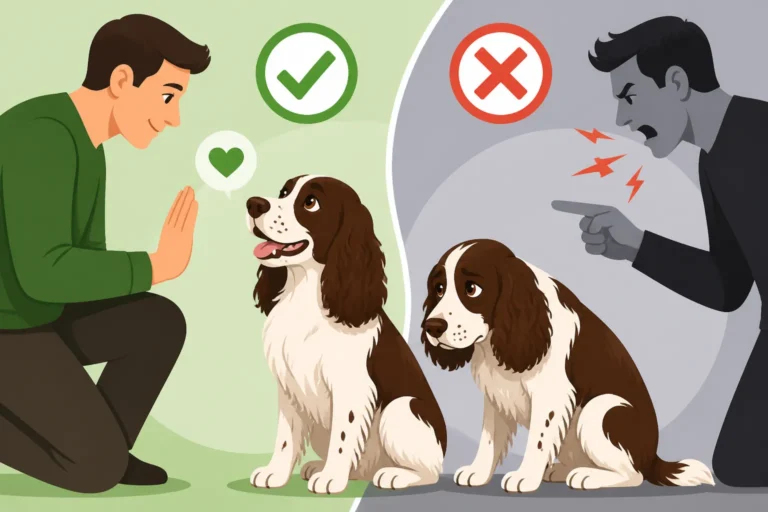
Their sensitive nature, which makes them such responsive and eager-to-please partners in training, also means they are highly attuned to changes in household dynamics and the emotions of those around them. If you are grieving, your Springer Spaniel will undoubtedly pick up on your sadness, stress, or anxiety, which can compound their own feelings of confusion and loss. This emotional mirroring can create a challenging cycle, where your dog's grief exacerbates your own, and vice versa. It’s a testament to their loyalty, but it also means they need extra understanding during difficult times. A highly sensitive dog, like many Springers, might even shut down if subjected to harshness or emotional instability, as discussed in The Soft Springer Spaniel That Shuts Down If You Shout. Their world is built on connections, and when those connections are fractured, it shakes their very foundation.
Changes in Routine and Environment
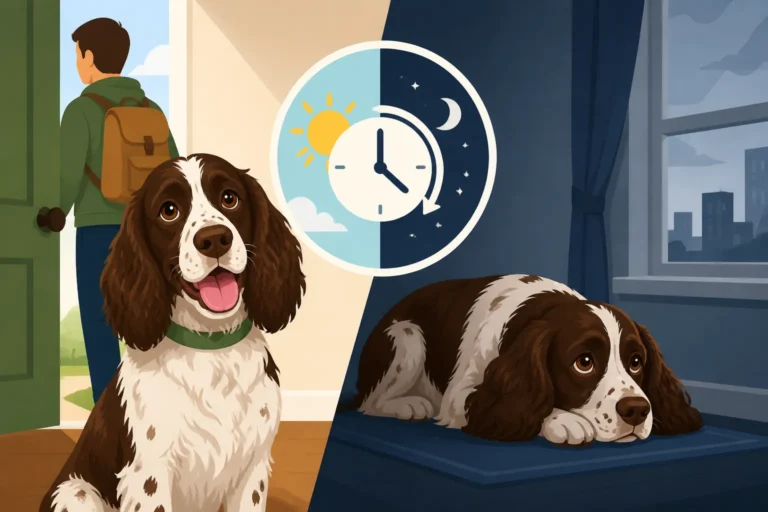
Springer Spaniels are creatures of habit. They thrive on predictability and a clear daily structure. They know when to expect their breakfast, when the leash comes out for a walk, and when it’s time for a good snuggle on the couch. A significant loss often throws these routines into disarray. The person who always handled the morning walk might be gone, or the energy in the house might change, leading to altered schedules, different walks, or even just a shift in the household’s emotional atmosphere.
For a Springer, these changes aren't just minor inconveniences; they can be deeply unsettling. The lack of familiar cues and the absence of a key player in their established daily rhythm can heighten their anxiety and feelings of insecurity. They might become restless, or conversely, retreat into themselves, struggling to adapt to the new normal. For a dog that thrives on purpose and activity, like many Springers, a sudden lack of engagement or familiar stimulation can lead to boredom compounding their sadness, making it harder for them to cope. You might find yourself having to rebuild routines, almost as if you’re working with The First Year With a Springer Spaniel Puppy all over again, to help them regain a sense of normalcy.
Recognizing the Signs of Grief in Your Springer Spaniel
It's easy to overlook or misinterpret the signs of grief in dogs, especially when you're caught up in your own sadness. However, being attuned to your Springer's behavior can make a world of difference in helping them cope. Remember, any sudden change in behavior should warrant a vet visit first to rule out underlying medical issues.
Behavioral Changes to Watch For
When a Springer Spaniel is grieving, their behavior often shifts dramatically. You might notice them becoming unusually subdued, losing their typical zest for life. This could manifest as:
- Lethargy and Increased Sleep: They might sleep far more than usual, even in places they didn't typically frequent, seemingly trying to escape the emptiness of the household. Their usual energetic bounce for walks or playtime might be replaced with a slow, hesitant pace or outright refusal to engage.
- Loss of Appetite or Changes in Eating Habits: Some Springers might suddenly turn their nose up at their favorite kibble or treats, eating very little or refusing food altogether. Others might exhibit stress-related eating, becoming pickier or wanting to eat only when coaxed. Any significant and prolonged refusal to eat is a serious concern and needs veterinary attention.
- Withdrawal or Clinginess: A typically outgoing Springer might become withdrawn, seeking solitude in another room, or avoiding interaction. On the flip side, some will become intensely clingy, following you everywhere, demanding constant physical contact, or exhibiting exacerbated signs of Separation Anxiety in a Springer Spaniel even when you are just in another room.
- Decreased Interest in Play and Activities: Their beloved toys might sit untouched. The ball that once elicited boundless joy might now be ignored. Even favorite walks or scent games, which usually Whether Scent Games Tire a Springer Spaniel, might fail to pique their interest.
- Excessive Vocalization or Silence: Some Springers might start whining, howling, or barking more than usual, as if searching or expressing their distress. Others, particularly if they are generally a vocal breed, might become uncharacteristically quiet, their usual happy chatter replaced by a somber silence.
- Searching Behavior: You might observe your Springer Spaniel wandering through the house, pausing at the deceased's favorite spots, sniffing their belongings, or looking up expectantly when a familiar sound occurs, clearly searching for the missing individual. This can be heartbreaking to witness, as it clearly illustrates their profound confusion and yearning.
- Changes in Elimination Habits: Sometimes, stress can lead to accidents in the house, even in a previously perfectly house-trained dog. This isn't out of spite but a symptom of profound emotional distress.
Physical Symptoms
While less common, some Springers may exhibit physical symptoms related to stress and grief. These are often intertwined with the behavioral changes and underscore the importance of ruling out medical issues.
- Gastrointestinal Upset: Stress can manifest as stomach upset, leading to diarrhea or vomiting. This is often a temporary response but can become concerning if prolonged, especially if accompanied by a lack of appetite.
- Weight Loss: If a Springer Spaniel is refusing to eat, or eating very little, sustained weight loss can occur. This is a critical indicator that their grief is impacting their physical health and requires immediate attention from a veterinarian.
- Coat or Skin Issues: In rare cases, chronic stress can even lead to skin irritation or dullness of coat, though this is often a secondary symptom of more severe underlying emotional or physical distress.
It's vital to consider that many of these symptoms can also point to various medical conditions. Before concluding your Springer is grieving, a visit to the veterinarian is always recommended to ensure there isn't an underlying physical problem causing their change in behavior. This is especially true for What Changes in an Old Springer Spaniel's Care, as senior dogs can develop new health issues.
| Sign of Grief in Springer Spaniels | Description | What it might look like |
|---|---|---|
| Lethargy/Increased Sleep | Reduced energy levels, sleeping more often or longer. | Not greeting you at the door, choosing to nap over play, slow to rise for walks. |
| Loss of Appetite | Disinterest in food, refusing meals or treats. | Leaving kibble untouched, ignoring favorite high-value snacks, losing weight. |
| Withdrawal | Avoiding interaction, seeking solitude. | Hiding under furniture, staying in a different room, not making eye contact, less tail wagging. |
| Clinginess | Increased need for proximity and attention. | Following you constantly, nudging for pets, whining when you leave the room, becoming a "Velcro dog." |
| Excessive Vocalization | More frequent or unusual whining, howling, or barking. | Whining mournfully, howling at night, barking at shadows, or for no apparent trigger. |
| Loss of Interest in Play | Ignoring toys, refusing walks, or favorite games. | Ball untouched, no excitement for fetch, reluctant to go outside, ignoring familiar commands for fun. |
| Searching Behavior | Looking for the missing individual in familiar spots. | Standing at the door where they last saw the person, sniffing their belongings, looking under beds. |
| Changes in Potty Habits | Accidents inside the house. | Urinating or defecating indoors despite being house-trained, often a sign of high stress. |
Helping Your Grieving Springer Spaniel Heal
Witnessing your Springer Spaniel's grief can be incredibly painful, especially when you are also reeling from loss. The good news is that you can play a crucial role in helping them navigate this difficult period and eventually find their way back to joy. Patience, consistency, and empathy are your most powerful tools.
Maintaining Routine and Stability
One of the most profound impacts of a loss for a Springer Spaniel is the disruption of their routine and the stability of their environment. They thrive on predictability, and when their world is upended, it contributes significantly to their distress. Therefore, establishing and maintaining a consistent daily routine is paramount. Try to keep meal times, walk schedules, and even playtime at the same times each day. If the person who passed was responsible for a specific task, like the morning walk, try to step in and replicate that routine as closely as possible.
This doesn't mean you have to be robotic; small deviations are fine. But the overall structure provides a sense of security and normalcy in a world that suddenly feels anything but normal. It grounds them and reduces anxiety. A predictable schedule tells your Springer that even though one beloved presence is gone, the fundamental elements of their life, and your commitment to them, remain steadfast.
Providing Comfort and Attention
While you shouldn't smother your grieving Springer, providing ample comfort and attention is crucial. They need to feel loved and safe. This might mean extra snuggle sessions on the couch, gentle petting, or simply being present in the same room. Talk to them in a calm, soothing voice. Even if they don't understand your words, they will pick up on your tone and the comfort it conveys.
Engage them in gentle play, even if their enthusiasm isn't what it once was. A short game of tug, a quiet session with a favorite chew toy, or a simple walk in a familiar, comfortable place can be therapeutic. Don’t force interactions, but offer opportunities for connection. If your Springer becomes clingy, as some do when grieving, acknowledge it with affection but also gently encourage moments of independent settling, perhaps with a long-lasting chew or a puzzle toy you can find on Amazon. It's a delicate balance between reassurance and fostering a healthy sense of self-reliance, especially if they are a breed like the Springer that often struggles with The Springer Spaniel That Cannot Be Left Alone.
Reintroducing Positive Activities
As hard as it might be, try to gently reintroduce activities your Springer Spaniel once loved. Perhaps it was a specific walking trail, a visit to a dog park, or a particular retrieving game. They might be reluctant at first, but consistent, positive encouragement can help them rediscover joy. If they were a working Springer, perhaps you can introduce some simple retrieve games or short bursts of quartering in the yard, reinforcing their natural instincts. How Fast a Springer Spaniel Learns means they respond well to positive reinforcement and clear guidance, so even small successes can boost their spirits.
Scent work or puzzle toys can be incredibly valuable during this time. They engage a Springer's keen nose and intelligent mind, providing mental stimulation that can distract them from their sadness and build confidence. Something like a snuffle mat or a KONG filled with treats can be a wonderful, low-pressure way to engage them. If you've been working with a positive reinforcement program like BAXTER & Bella, their methods of gentle engagement and confidence-building exercises could be really helpful now. Don't expect instant results; progress will be gradual, and there will be good days and bad days. Celebrate the small victories, like a wagging tail during a walk or a renewed interest in a toy.
Considering Professional Help
Sometimes, despite your best efforts, a Springer Spaniel's grief can be profound and prolonged. If your dog exhibits severe symptoms such as prolonged refusal to eat, extreme lethargy, significant weight loss, self-mutilation (like excessive licking or chewing), or aggressive behavior that is out of character, it's absolutely crucial to seek professional help.
First, revisit your veterinarian to rule out any medical conditions that might be exacerbating or mimicking grief. If physical health is clear, your vet might recommend a consultation with a certified veterinary behaviorist. These specialists are trained to understand and treat complex emotional and behavioral issues in animals. They can offer tailored strategies, and in some cases, medication might be considered to help manage severe anxiety or depression, giving your Springer the emotional space to begin healing. There's no shame in seeking this level of support; it's a testament to your commitment to your dog's well-being.
Supporting Yourself While Supporting Them
It's vital to acknowledge that while you're focused on your Springer Spaniel, you are also navigating your own grief. It's emotionally exhausting to be strong for yourself while trying to be the anchor for your dog. Remember to practice self-care. Lean on your support system, allow yourself to feel your emotions, and don't feel guilty for moments of despair. Your Springer Spaniel will pick up on your emotional state, and while you don't need to hide your sadness, finding healthy ways to cope yourself will ultimately benefit both of you. You are both on a journey of healing, and it’s okay for that journey to take time. Owning a Springer Spaniel often means navigating a deep emotional connection, and sometimes, What Springer Spaniel Owners Wish They Had Known includes how profoundly these dogs can affect our lives, for better or worse, during times of joy and sorrow.
Disclaimer
This article is for general informational purposes only and does not constitute professional advice. Laws, prices and regulations vary by location and change over time. Consult a qualified professional for guidance on your specific situation.