What Changes in an Old Springer Spaniel’s Care
Aging English Springer Spaniels face mobility and sensory changes requiring specific care adjustments for joint and vision health.

Aging English Springer Spaniels face mobility and sensory changes requiring specific care adjustments for joint and vision health.

A Springer Spaniel daily routine involves morning potty breaks, quick fetch games, and slow feeder breakfast meals for better health.
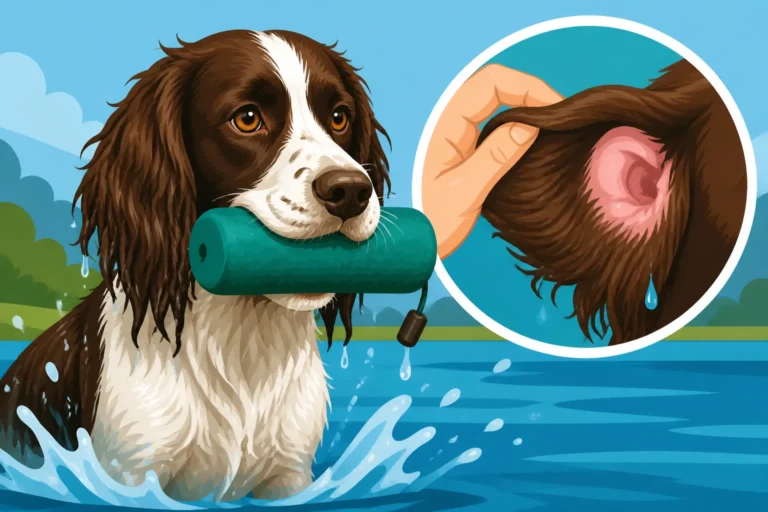
Springer Spaniel ear anatomy traps water, creating a warm environment that causes painful ear infections after swimming.

Working English Springer Spaniels collect field burrs, ticks, and grass awns in their double coats and feathering while flushing game.
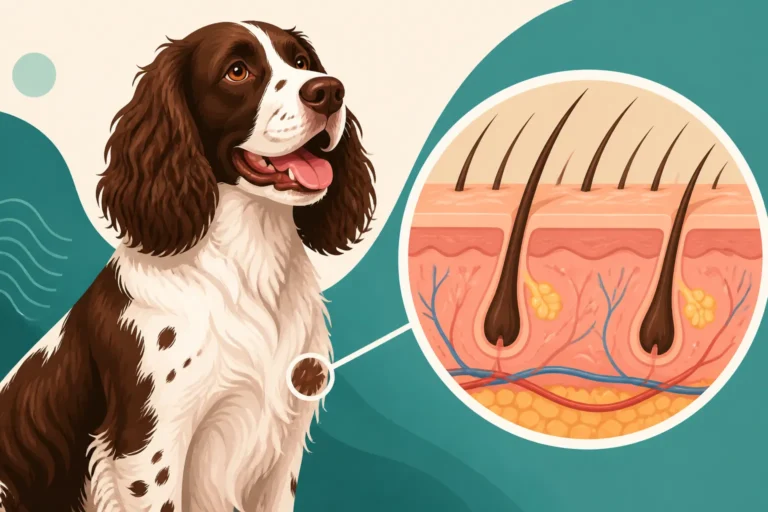
Springer Spaniel skin health involves managing double coat moisture and genetic predispositions to allergies and seborrhea.

Springer Spaniel diets require different calorie levels and macronutrient balances for working dogs versus couch companion pets.
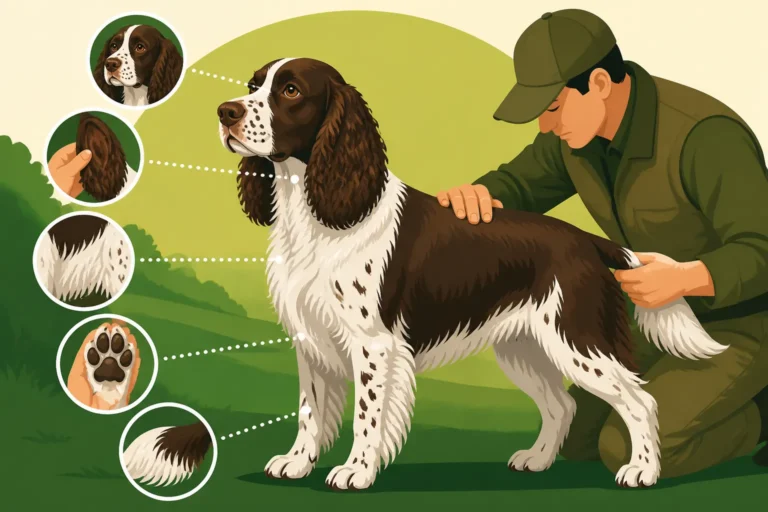
Post-hunt nose-to-tail physical inspections for an English Springer Spaniel detect grass awns, ticks, and hidden injuries early.

Show Springer Spaniel feathering creates daily grooming challenges, unlike the practical, shorter coat of the field-bred variety.

English Springer Spaniel grooming routines differ between working field dogs and show dogs, explaining distinct coat care needs.

Springer Spaniel ear anatomy traps moisture because pendulous floppy flaps, thick feathering, and an L-shaped canal block airflow.