Drying a Springer Spaniel’s Ears After Swimming
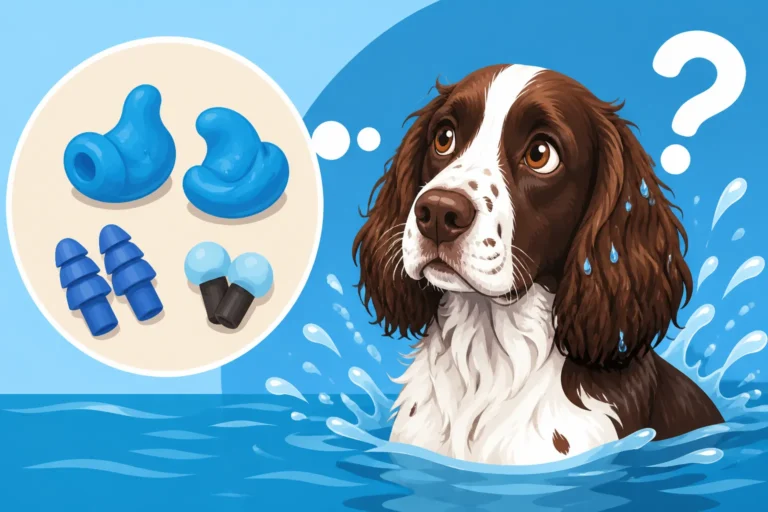
For many of us who share our lives with an English Springer Spaniel, there's a constant battle when it comes to their ears, especially if your beloved companion is a water dog. They leap into every pond, puddle, or stream with an unbridled joy that's infectious, but the aftermath can lead to frustrating, painful, and recurring ear infections. This guide is here to walk you through a comprehensive strategy for effectively drying your Springer's ears after every aquatic adventure, helping you keep those floppy ears healthy and happy.
The Unique Challenge of Springer Spaniel Ears
It's not just bad luck that our Springers seem to be ear infection magnets. Their ear anatomy, combined with their love for water and vigorous activity, creates a perfect storm for microbial growth. Understanding why their ears are so susceptible is the first step in truly effective prevention.
Anatomy of the Springer Ear: A Deep Dive
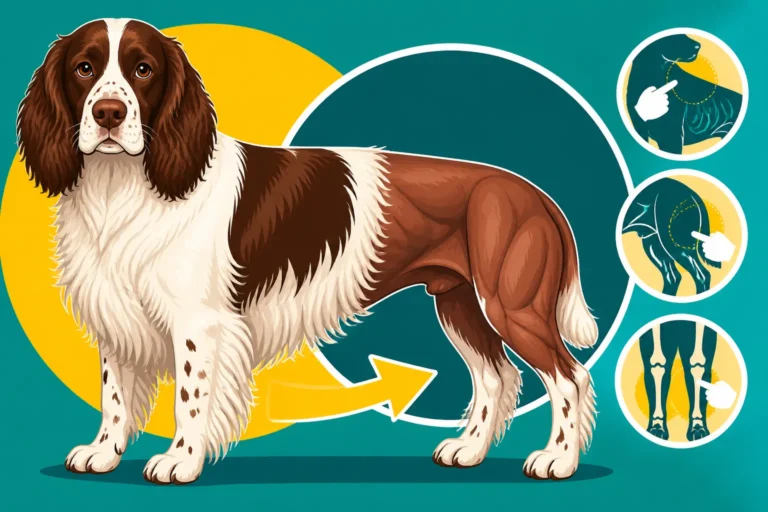
Picture your Springer's beautiful, long, pendulous ears. They hang down, often covered in glorious feathering. While undeniably handsome, this design unfortunately seals off the ear canal from the outside world. Unlike dogs with pricked ears, where air can circulate freely, a Springer's ear leather acts like a lid, trapping warmth and moisture inside the ear canal. This creates a dark, humid environment—an ideal breeding ground for bacteria and yeast, the usual culprits behind those nasty infections.
Beyond the external structure, the internal ear canal itself is quite elaborate. It's not a straight shot to the eardrum; rather, it takes an L-shape, with a vertical canal leading down and then turning sharply into a horizontal canal. This bend makes it incredibly difficult for water to drain out naturally once it gets in, and it also makes cleaning much more challenging. When water enters this winding passage during a swim, it settles deep inside, resisting evaporation. Add in the ear hair that often grows within the canal itself, acting like tiny sponges, and you can see why drying is such a critical step. Why a Springer Spaniel's Ears Are Never Quite Healthy delves deeper into these anatomical predispositions.
The Moisture Trap: How Water Fuels Ear Problems
Every time your Springer dives into water, whether it's the Atlantic Ocean during a beach holiday or just the local creek, water inevitably gets into those deep ear canals. While a quick shake might dislodge some surface droplets, a significant amount often remains trapped. This residual moisture, combined with the lack of airflow from those heavy ear flaps, creates a perpetually damp environment.
This constant dampness isn't just uncomfortable for your dog; it's an open invitation for opportunistic microorganisms. Bacteria and yeast, which are naturally present in small numbers in any dog's ear, thrive in warm, moist conditions. A little moisture turns into a lot, a few organisms multiply rapidly, and suddenly, you have an infection brewing. Even seemingly clean water carries its own microscopic inhabitants. Pond water, for instance, can be teeming with all sorts of bacteria and fungi that find a new home in a wet ear canal. The cycle of swimming, inadequate drying, and subsequent infection can become a frustrating routine for many Springer owners, sometimes leading to chronic issues if not managed diligently.
Immediate Aftermath: Post-Swim Ear Care Protocol
The moment your Springer emerges from the water, your ear care routine needs to kick into high gear. Don't wait until you're home or until you notice a tell-tale head shake. Prompt action is key to preventing those insidious infections from taking hold.
Gentle Cleaning and Initial Drying at the Water's Edge
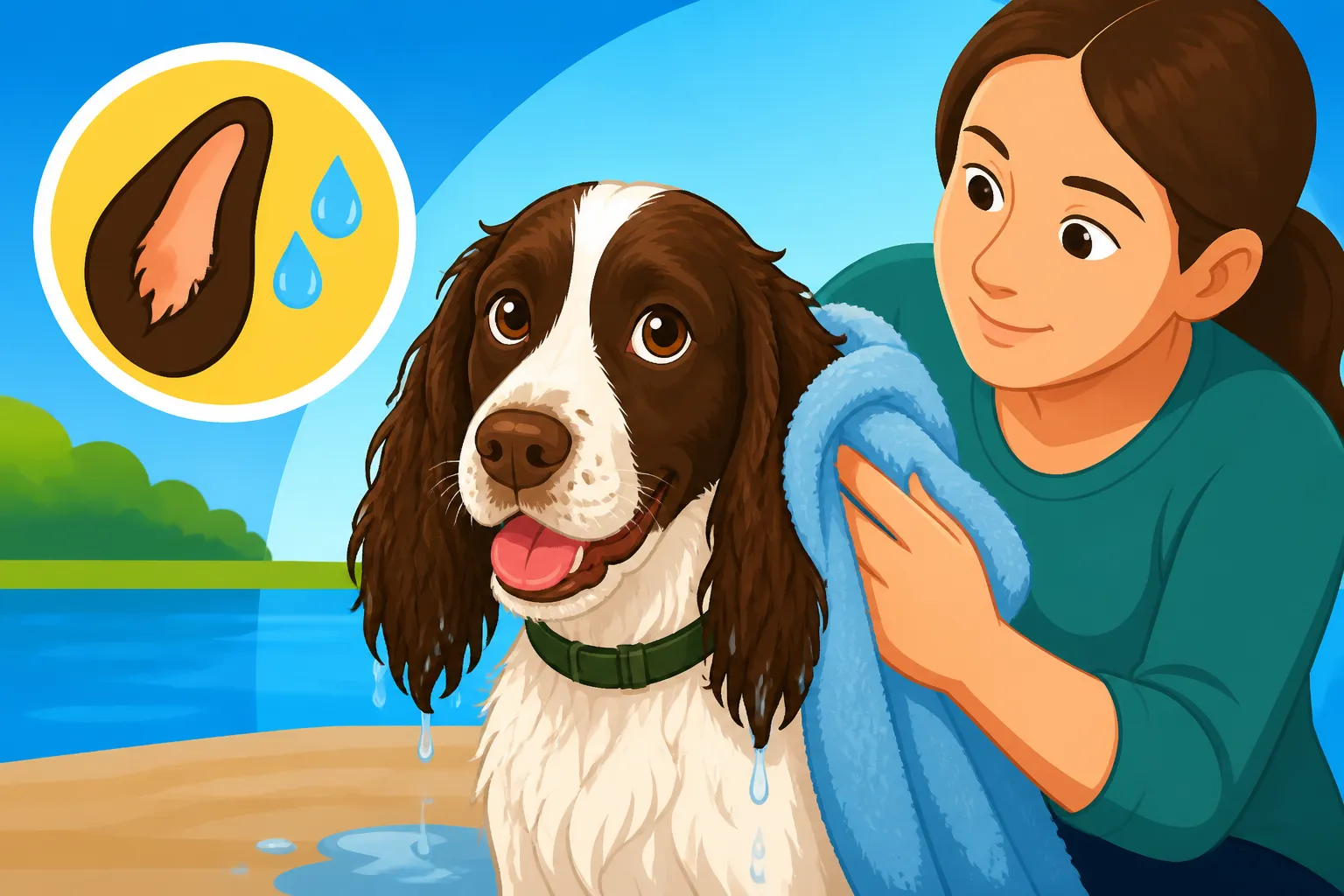
As soon as your dog finishes their swim, the first step is to gently clean and dry the outer ear. This isn't about deep cleaning the canal yet, but about removing as much surface water and debris as possible. Grab a clean, soft towel – a microfiber towel works wonders for absorbing moisture. Gently wipe the inside of the ear flap, getting into all those little crevices of the pinna. Don't forget the hair around the ear opening; this can hold a surprising amount of water.
For the initial drying of the canal opening, you can use a cotton ball or a soft cloth wrapped around your finger. Never insert anything sharp or thin, like a cotton swab, deep into your dog's ear canal, as this can push debris further in or even damage the eardrum. The goal here is just to absorb excess water from the parts you can see and easily reach. If you're out in the field or at the lake, having a small kit with clean towels and some pre-moistened, gentle ear wipes (specifically formulated for dogs) can be a lifesaver. This immediate attention drastically reduces the amount of time moisture sits trapped, giving those opportunistic microbes less time to flourish.
The Post-Swim Routine for Working Dogs: Extra Vigilance
For Springers who are regularly working in water, whether flushing birds from marshes or retrieving from a lake, their ears are under constant assault. This means your post-swim routine needs to be even more rigorous and consistent. A field-bred Springer Spaniel might be in and out of the water multiple times a day, sometimes in less-than-pristine conditions.
After each session, the initial towel dry is paramount. But once you're back at the truck or home, a more thorough drying and preventive treatment should follow. This often involves a specialized ear drying solution. These solutions typically contain ingredients that help evaporate moisture, acidify the ear canal (making it less hospitable for bacteria and yeast), and sometimes have mild antiseptic properties. Apply the solution as directed, gently massage the base of the ear to distribute it, and then allow your dog to shake their head. After they shake, wipe away any expelled solution and debris from the outer ear. This multi-step approach is crucial for dogs exposed to water frequently. Skipping this step, even once, can be enough to trigger an infection in a highly predisposed ear.
Here's a quick checklist for an effective post-swim ear routine:
| Step | Action | Why it Helps |
|---|---|---|
| Immediate Towel Dry | Gently wipe outer ear flap and visible ear canal with a soft, absorbent towel. | Removes surface water and debris, preventing initial pooling. |
| Cotton Ball Absorption | Use a fresh cotton ball to dab gently inside the ear opening, without going deep. | Absorbs more hidden moisture from accessible parts of the canal. |
| Ear Drying Solution Application | Apply veterinary-approved drying solution into the ear canal (e.g., Epi-Otic Advanced, Zymox Ear Cleanser). | Evaporates moisture, acidifies canal, and discourages microbial growth. |
| Gentle Ear Massage | Gently massage the base of the ear for 30 seconds to distribute the solution. | Helps the solution reach deeper into the L-shaped canal. |
| Allow Head Shake | Let your dog shake their head vigorously to expel loosened debris and excess liquid. | Natural mechanism to clear the ear canal. |
| Final Wipe Down | Wipe away any expelled fluid or debris from the outer ear with a clean cloth. | Prevents re-contamination and keeps the outer ear clean. |
| Regular Ear Checks | Visually inspect ears daily, and sniff them. Look for redness, swelling, or unusual odor. | Early detection of infection signs can lead to faster, easier treatment. |
Tools of the Trade: What You Need for Effective Drying
Having the right equipment on hand makes all the difference when it comes to keeping your Springer's ears dry and healthy. You don't need a professional grooming setup, but a few key items will become indispensable.
Specialized Ear Cleaners and Drying Solutions
Not all ear cleaners are created equal, and for Springers, specifically drying solutions are your secret weapon. A good ear drying solution typically contains an alcohol base (like isopropyl alcohol) or witch hazel, which helps to quickly evaporate water, along with an acidifier like boric acid or acetic acid (vinegar). These acidifiers lower the pH in the ear canal, making it a much less welcoming environment for yeast and bacteria, which prefer a neutral or slightly alkaline pH. Some formulations also include soothing agents like aloe vera to prevent irritation.
Products like Epi-Otic Advanced or Zymox Ear Cleanser are often recommended by veterinarians for regular maintenance and drying. When choosing a product, ensure it’s specifically labeled as a "drying solution" or "ear cleanser" and designed for dogs. Avoid using harsh soaps, hydrogen peroxide, or rubbing alcohol not formulated for canine ears, as these can be irritating or even damaging. You can often find a good selection of these products on Chewy or Amazon, making it easy to keep your supply stocked. Regular use of a drying solution after water exposure is a proactive measure that can save you a lot of heartache and vet bills. Whether a Springer Spaniel Needs a Drying Solution After Water gives more insights into these products.
Cotton and Drying Aids: Beyond the Basic Towel
While a towel is great for surface drying, you need something more precise for those tricky ear canal openings. Cotton balls are excellent for absorbing moisture from the folds of the outer ear and the very entrance of the canal. You can gently press them into the accessible parts of the ear to soak up water. Just remember, the golden rule is: if you can't see it, don't put anything smaller than your fingertip in there.
Beyond cotton balls, there are a few other handy drying aids. Soft, absorbent gauze pads can also work well. Some owners even use a small piece of tissue paper, but be careful it doesn't tear and leave fragments behind. For dogs with particularly thick ear hair, a quick, gentle wipe with a grooming wipe formulated for ears can help remove water from those fluffy bits that would otherwise hold onto moisture. The key is absorbency and gentleness. Don't rub vigorously, as this can irritate the delicate skin inside the ear and potentially push debris deeper. Always have a generous supply on hand, as you'll want to use fresh pieces of cotton or gauze for each ear to prevent cross-contamination.
Gentle Airflow Methods: Hair Dryers and Air Puffs
For some Springers, especially those with very dense ear feathering, a little controlled airflow can be incredibly beneficial. A low-heat, low-speed setting on a human hairdryer can be used, but with extreme caution. Hold it at least 12-18 inches away from the ear, constantly moving it, and never aim directly into the ear canal. The goal is gentle air circulation to aid evaporation, not to blast hot air. Your dog's ears are much more sensitive to heat than your skin, and you could easily cause a burn or distress. Always test the air temperature on your own skin first to ensure it's barely warm or cool.
Alternatively, there are small, handheld pet dryers or "air puffs" designed for localized drying, often used for grooming. These provide a gentle stream of air without the heat. These can be particularly useful for drying the dense hair around the ear opening and on the underside of the ear flap, where moisture can linger. The main advantage of these tools is their ability to gently separate the hair, allowing air to reach the skin more effectively. Acclimating your Springer to the sound and sensation of these tools from a young age can make the process much smoother. Always prioritize your dog's comfort; if they show signs of stress or fear, discontinue use.
Beyond the Basics: Advanced Drying Techniques & Prevention
While the immediate post-swim routine is vital, there's more you can do to bolster your Springer's ear health and prevent recurring infections. It involves a combination of long-term strategies, behavioral considerations, and even dietary choices.
Behavioral Training for Ear Care: Making it Positive
Let's face it, most dogs aren't thrilled about having their ears handled, let alone having solutions squirted into them. But consistent ear care is non-negotiable for Springers. This is where positive reinforcement training comes in. Start early with puppies, gradually introducing touch around their ears. Pair it with high-value treats and praise. Gently lift their ear flaps, look inside, and then give a treat. Progress to briefly touching the ear canal opening, then dabbing with a cotton ball, and eventually to applying the drying solution.
The key is to keep sessions short, positive, and never force the issue. If your dog resists, go back a step. You want them to associate ear care with good things, not a struggle. A calm, compliant dog makes the entire process faster, more effective, and less stressful for both of you. Imagine the difference between wrestling a frantic dog to apply drops versus a dog who calmly allows you to do what's necessary. This investment in training will pay dividends throughout your Springer's life, especially if they are a regular swimmer or prone to ear issues.
Preventing Future Issues: From Swimming Habits to Hair Management
Proactive prevention goes beyond just drying. Consider your Springer's swimming habits. While it's hard to deny a water-loving dog a good splash, certain types of water might be riskier. Stagnant ponds, lakes with heavy algae growth, or overly chlorinated pools can introduce more irritants and microbes than a clean river or ocean. If your dog frequently swims in "dirty" water, their ears will require even more diligent care. You might even consider limiting swimming in certain areas if ear infections become a constant battle.
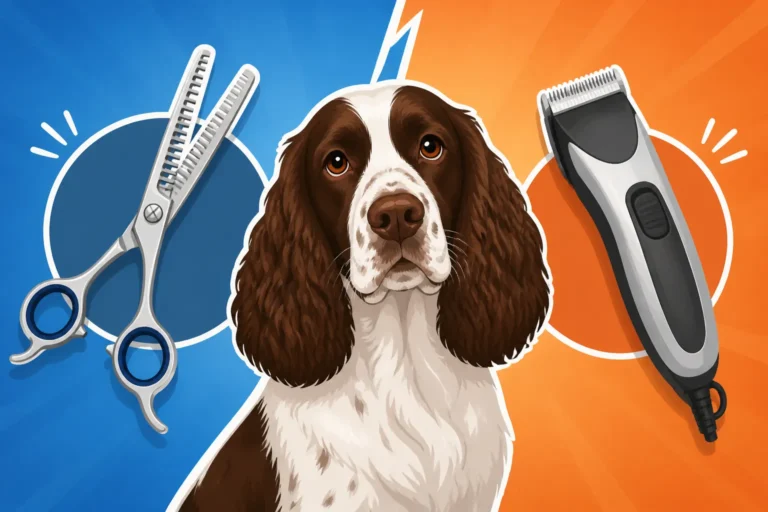
Hair management is another crucial aspect. Springers have beautiful feathering, but the hair inside the ear canal can contribute to moisture retention and debris buildup. Talk to your vet or a professional groomer about whether plucking or trimming the hair from the outermost part of the ear canal is appropriate for your dog. Some vets advocate for it, while others caution that it can irritate the skin and actually make things worse if not done correctly. If you do opt for hair removal, it should always be done by a professional or under veterinary guidance. The goal is to create better airflow and reduce the internal surface area for water to cling to, without causing trauma to the sensitive ear canal. Whether Plucking Ear Hair Helps a Springer Spaniel explores this topic in more detail.
Dietary Considerations: Supporting Ear Health from Within
Believe it or not, what you feed your Springer can indirectly impact their ear health. Many chronic ear infections, especially those that seem to recur despite diligent cleaning, can be linked to underlying allergies. Food allergies often manifest as skin irritation and recurrent ear infections because the ear canal is essentially an extension of the skin. If your Springer is constantly itchy, scratching their ears, or developing infections, it might be worth exploring a dietary change.
Switching to a limited ingredient diet or a novel protein diet can sometimes reveal if a specific food allergen is contributing to the problem. Brands like Ollie, known for fresh, human-grade ingredients, or other reputable limited-ingredient kibbles available on Chewy, might be options to discuss with your vet. Eliminating common allergens like chicken, beef, or grains (if a specific sensitivity is identified) can sometimes reduce systemic inflammation, which in turn can lead to healthier skin and ears. While diet alone won't prevent water from getting into the ears, it can make the ear canal less inflamed and therefore less hospitable for secondary infections. It's a holistic approach to ear health that shouldn't be overlooked, especially for Springers with chronic issues. Whether a Springer Spaniel's Ear Infection Is Allergy Driven delves deeper into the connection between allergies and ear problems.
When to Call the Vet: Recognizing the Signs of Trouble
Despite your best efforts, ear infections can still occur. Knowing when to escalate from home care to professional veterinary attention is crucial for your Springer's comfort and long-term ear health. Ignoring signs of infection can lead to more serious, chronic problems.
Early Warning Signs: Don't Wait and See
Your Springer Spaniel can't tell you their ear hurts, but they certainly communicate their discomfort through behavior. The moment you see any of these signs, it's time to act, not just wait. The earliest and most common sign is often head shaking. It might start subtly, a slight twitch, but can quickly escalate to vigorous, frantic shaking. Your dog might also be scratching at their ears with their hind paws, sometimes rubbing them against furniture or the ground. These are clear indications of irritation or pain.
Beyond these behavioral cues, a visual inspection can reveal a lot. Look for redness or swelling inside the ear flap and around the ear opening. Sometimes the ear leather itself might feel warm to the touch. Another significant red flag is discharge: yellow, brown, or black waxy buildup, sometimes accompanied by a foul odor. The smell can range from sweet and yeasty to intensely pungent, often described as rotten. Any changes in your dog's ears, no matter how minor, warrant attention. Ignoring these early signs can allow a minor irritation to progress into a full-blown, painful infection that requires more intensive treatment. Signs a Springer Spaniel Has an Ear Infection provides a comprehensive list of what to look out for.
What a Vet Exam Involves: Getting to the Root Cause
When you bring your Springer to the vet for an ear problem, they won't just guess what's going on. A thorough examination is essential. First, your vet will perform a general physical exam, often looking for other signs of systemic illness or allergies. Then, they'll meticulously examine both ears, inside and out. They'll likely use an otoscope, a special instrument with a light and magnifying lens, to look deep into the ear canal, checking for redness, swelling, discharge, foreign bodies (like grass awns), or damage to the eardrum. This visual inspection can sometimes be enough to suggest the cause.
However, the most crucial diagnostic step for an ear infection is often an ear cytology. This involves taking a swab of the discharge from deep within the ear canal, rolling it onto a microscope slide, staining it, and examining it under a microscope. This allows the vet to identify whether the infection is bacterial, yeast, or a combination, and even sometimes what type of bacteria is present. This information is vital because different types of infections require different medications. They might also check for ear mites, though these are less common in adult dogs than in puppies. In some cases, if the ear canal is severely swollen or painful, or if a foreign body is suspected, sedation might be necessary for a proper examination and cleaning.
Chronic Issues and Management: A Long-Term Partnership
If your Springer Spaniel experiences recurring ear infections, it moves beyond a simple, one-off treatment. Chronic ear problems often indicate an underlying issue that needs to be addressed. This is where your partnership with your veterinarian becomes incredibly important. They might recommend further diagnostics, such as allergy testing (environmental or food), or even a referral to a veterinary dermatologist. Sometimes, chronic infections can lead to structural changes in the ear canal, such as thickening of the ear leather or narrowing of the canal, making them even harder to treat and predisposing to future infections. How Often a Springer Spaniel Gets Ear Infections highlights the struggles many owners face.
Management for chronic ear issues can involve a multi-pronged approach:
- Long-term medication: Sometimes a prolonged course of specific ear drops or oral antibiotics/antifungals is needed.
- Regular maintenance: Implementing a strict cleaning and drying routine with prescription-strength ear flushes, not just over-the-counter solutions.
- Allergy management: This could include medication (like Apoquel or Cytopoint for environmental allergies), dietary changes, or even immunotherapy (allergy shots).
- Surgery: In very severe, chronic cases where the ear canal is irreversibly damaged or ossified, a Total Ear Canal Ablation (TECA) might be considered as a last resort to provide relief and prevent further pain, though this is a major surgical procedure.
The goal with chronic ear issues is not just to treat the infection du jour, but to identify and manage the root cause to provide your Springer with lasting relief and prevent the painful, persistent cycle of infection. It takes dedication and patience, but seeing your Springer free from ear pain is well worth the effort.
Disclaimer
This article is for general informational purposes only and does not constitute professional advice. Laws, prices and regulations vary by location and change over time. Consult a qualified professional for guidance on your specific situation.