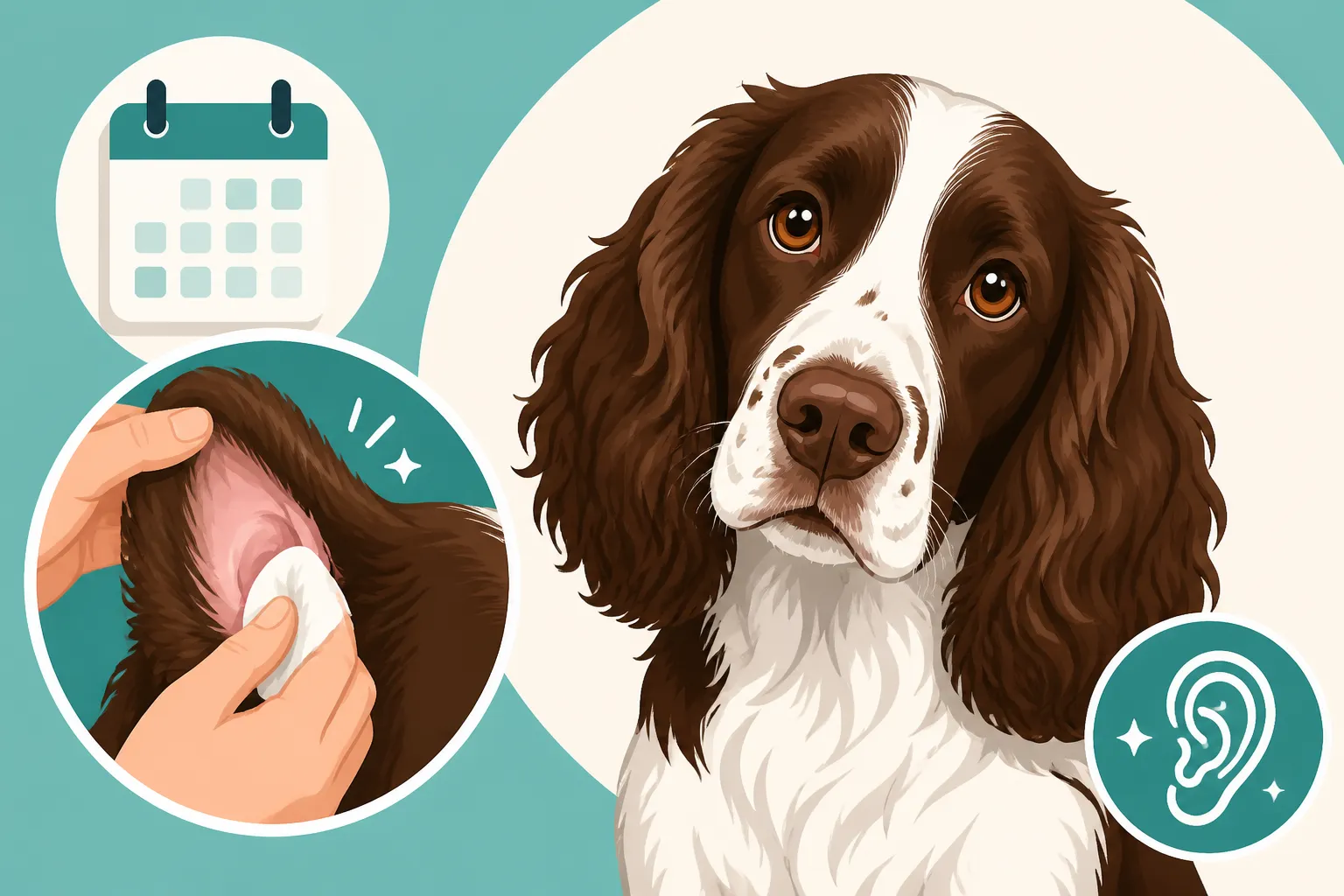
How Often a Drop Eared Springer Spaniel Needs Cleaning
If you're a Springer Spaniel owner, you know those gorgeous, floppy ears are a hallmark of the breed, but they often come with a hidden challenge: keeping them clean and healthy. It's a constant juggling act, trying to figure out the right balance between proactive care and overdoing it, especially when your dog seems prone to ear issues. This comprehensive guide is designed to help you navigate the world of Springer Spaniel ear care, from understanding their unique anatomy to establishing a routine, recognizing problems, and knowing exactly when to call in the professionals.
Understanding the Springer Spaniel Ear Anatomy and Why It's Prone to Problems
Let's be honest, those long, luxurious ears are part of what makes our Springers so incredibly endearing. They flop, they bounce, they add to their expressive faces – but for all their charm, they are also anatomical marvels of potential trouble. Unlike many other breeds with pricked or semi-pricked ears that allow for ample airflow, our Springers carry a constant battle against moisture and warmth in their ear canals.
The Drop-Ear Design: A Warm, Moist Environment
Think about it: a drop ear, by its very nature, acts like a cozy little blanket over the opening of the ear canal. This isn't just about aesthetics; it creates a microclimate. The limited air circulation means that any moisture that gets in – whether from a bath, a swim, or even just humidity in the air – struggles to evaporate. This trapped moisture, combined with body heat, creates a warm, damp environment that is absolutely ideal for the proliferation of opportunistic bacteria and yeast. These microscopic invaders are usually present in small numbers in a healthy ear, but give them the right conditions, and they'll throw a party, leading to those all-too-familiar, uncomfortable infections.
Compounding this issue is the often dense hair that grows on the inside of the ear flap and at the opening of the ear canal. This hair can further impede airflow, creating an even more secluded and humid space. For a busy Springer Spaniel, constantly sniffing through grass and undergrowth, these ear flaps also act like little brooms, sweeping in all sorts of debris, seeds, and dirt, which then gets trapped and held close to the sensitive skin of the canal. It’s a perfect storm for ear woes, and it’s why understanding Why a Springer Spaniel's Ears Are Never Quite Healthy is such a crucial part of owning one of these wonderful dogs.
The L-Shaped Canal: A Natural Trap for Debris
Beyond the external ear flap, the internal structure of a dog's ear canal presents its own challenges. Unlike a human's relatively straight ear canal, a dog's is distinctly L-shaped. It starts vertically and then takes a sharp turn, extending horizontally towards the eardrum. This anatomical quirk is fantastic for protecting the eardrum from external harm, but it's a nightmare for drainage. Any liquid, debris, or earwax that makes its way down the vertical canal has to fight gravity and make a sharp turn to get out naturally.
With a drop ear covering the entrance, this L-shaped canal becomes an even more efficient trap. Earwax, which is naturally produced to protect the ear, can easily build up in this bend, forming plugs. Add in shed hair, dirt, and those pesky grass awns that Springers are so good at finding, and you have a recipe for blockages. These blockages not only provide more material for bacteria and yeast to feed on but also contribute to the moisture trap, further escalating the risk of infection. This unique combination of a floppy ear and a convoluted canal is precisely Why a Springer Spaniel's Ear Traps Moisture so effectively, setting them up for a lifetime of potential ear challenges if not diligently managed.
Establishing a Baseline: When Healthy Ears Need Cleaning
So, you understand why Springer Spaniel ears are prone to issues. Now, the big question is, what's the regular schedule for cleaning a healthy ear? It's easy to fall into the trap of thinking "more is better," but over-cleaning can actually irritate the delicate ear canal and strip away beneficial protective oils, leading to its own set of problems.
The "Healthy Ear" Routine
For a Springer Spaniel with healthy, symptom-free ears, a general guideline is to check them weekly and clean them as needed, which often means every 2-4 weeks. During your weekly check-in, simply lift the ear flap and visually inspect the visible portion of the ear canal. It should be a pale, healthy pink, free of redness, swelling, or any unusual discharge. There should be no offensive odor, and your Springer shouldn't be showing any signs of discomfort like scratching or head shaking. If everything looks and smells good, and there's just a minimal amount of light-brown wax, then a full cleaning might not be necessary that week.
When you do clean, remember the goal is maintenance, not deep scrubbing. A gentle ear cleanser designed for dogs, applied as directed, followed by a soft wipe with a cotton ball or gauze, is usually sufficient. The key is to be consistent with your checks, so you become familiar with what your dog's healthy ears look like and feel like. This regular observation will be your best tool for identifying any subtle changes that might indicate an impending problem. For more on this, you might find it helpful to read Whether a Springer Spaniel's Ear Should Be Cleaned When Healthy.
Factors Influencing Cleaning Frequency for Healthy Ears
While the 2-4 week guideline is a good starting point, several factors can influence how often your individual Springer Spaniel needs their ears cleaned, even when they're healthy. Active dogs who spend a lot of time outdoors, especially those who love to swim or work in damp conditions, will likely need more frequent attention. Water, as we discussed, is a prime culprit for creating that moist environment yeast and bacteria thrive in. So, if your Springer is regularly plunging into ponds, lakes, or even just getting a good bath, you'll want to ensure their ears are thoroughly dried and possibly cleaned more often afterwards.
The environment itself plays a role. Dogs living in humid climates may naturally accumulate more moisture in their ears, necessitating more frequent care. Even individual physiology matters – some Springers simply produce more ear wax than others. If your dog has naturally waxy ears, they'll benefit from more regular cleaning to prevent buildup. The type of hair your Springer has around their ears can also be a factor; some have denser, thicker hair that traps more moisture and debris. It's about tailoring the routine to your specific dog's lifestyle and natural tendencies. Keep a log if you need to, noting when you clean and what the ears look like, until you find the perfect rhythm for your canine companion.
Recognizing the Signs of Trouble: When More Frequent Cleaning Is Needed
Knowing what a healthy ear looks and smells like is invaluable, because it allows you to quickly spot when things are taking a turn for the worse. When an infection or irritation starts, the need for cleaning changes dramatically, and often, home cleaning alone isn't enough. It's about recognizing the alarm bells so you can respond appropriately.
Visual Cues: Redness, Swelling, Discharge
The first things you'll likely notice are visual changes. A healthy ear canal is usually a pale, almost flesh-pink color. When irritation or infection sets in, this can quickly change to a noticeable redness. This might start as a faint pink blush on the inner flap or canal opening, gradually intensifying to a fiery red that looks angry and inflamed. Along with redness, you might observe swelling. The tissue inside the ear can appear puffy or thickened, making the canal seem narrower than usual. In severe cases, the ear flap itself might be swollen and hot to the touch.
Then there's the discharge – a definite red flag. In a healthy ear, you might see a small amount of light brown, waxy residue. However, with an infection, the discharge can change dramatically. It might become excessive, appearing as a dark brown, almost black, sticky, crumbly substance (often indicative of yeast). Or it could be yellowish, greenish, or even bloody, ranging in consistency from watery to thick and pus-like, which often points to a bacterial infection. Any significant change in the color, quantity, or consistency of ear discharge warrants immediate attention. Observing these Signs a Springer Spaniel Has an Ear Infection is critical for early intervention.
Olfactory Clues: That Distinctive Odor
Sometimes, the nose knows before the eyes even see the problem. A healthy Springer Spaniel's ear should have little to no odor. When an infection takes hold, however, a distinctive and often unpleasant smell usually accompanies it. This can range from a slightly sweet, yeasty smell (a common sign of fungal overgrowth) to a downright foul, pungent odor that can literally make you wrinkle your nose. This particular stench is often associated with bacterial infections, particularly those caused by certain types of bacteria.
The smell can be subtle at first, only detectable if you lift the ear flap and take a direct sniff. But as the infection progresses, the odor can become quite strong and pervasive, sometimes even noticeable when your dog is just walking by. If you notice any unusual smell emanating from your Springer's ears, even if you don't immediately see other symptoms, it's a clear indication that something isn't right. Don't ignore it, hoping it will go away; that distinct odor is your dog's way of telling you there's a problem brewing that needs to be addressed.
Behavioral Indicators: Scratching and Head Shaking
Our Springers are pretty good at communicating their discomfort, and when their ears are bothering them, they will definitely let you know through their behavior. One of the most common signs you'll observe is persistent scratching. Your dog might be constantly pawing at their ear, sometimes quite vigorously, or rubbing their head along the carpet, furniture, or even against your leg, trying to get some relief. This scratching can lead to further irritation, skin abrasions, and even secondary skin infections around the ear opening.
Another classic behavioral symptom is head shaking. It might start as an occasional shake, almost as if they're trying to dislodge something annoying. But as the discomfort increases, the head shaking can become more frequent, more intense, and sometimes accompanied by an audible flapping of their long ears against their head. You might also notice your Springer tilting their head to one side, favoring the unaffected ear, or generally seeming a bit lethargic or withdrawn if the pain is significant. These behaviors are direct signals that their ears are causing them considerable distress, and it's time to investigate further and get professional help. Ignoring persistent scratching and head shaking can lead to complications like aural hematomas, which can be both painful and require surgical intervention, so early recognition is key.
| Symptom Category | Healthy Ear | Infected Ear |
|---|---|---|
| Appearance | Pale pink, minimal light brown wax | Redness, swelling, excessive dark brown/black/yellow/green discharge, crusting, sores |
| Odor | Little to no smell | Sweet/yeasty, pungent, foul, cheesy, or otherwise unpleasant odor |
| Behavior | Calm, no scratching or head shaking | Persistent scratching, rubbing head, head shaking, pawing at ear, painful to touch, lethargy, head tilt |
| Temperature | Normal to touch | Warm or hot to touch |
The Art of Ear Cleaning: Best Practices and Products
Once you've determined that your Springer's ears need cleaning, or if you're maintaining a healthy routine, doing it correctly is vital. The right technique and products can make all the difference, preventing further irritation and ensuring effectiveness.
Choosing the Right Ear Cleaner
The market is flooded with ear cleaning solutions, and it can be overwhelming to choose. The most important thing is to use a cleaner specifically formulated for dogs. Human ear drops or homemade concoctions can upset the delicate pH balance of a dog's ear, or even be toxic. Look for veterinary-recommended brands, often available through your vet's office or reputable online retailers like Chewy or Amazon. These typically contain ingredients that help dissolve wax, dry the ear canal, and sometimes have mild antiseptic properties.
There are generally a few types:
- Drying agents: Often contain alcohol (in small amounts) or witch hazel, great for Springers who swim frequently, to help prevent moisture buildup.
- Antiseptic/Antifungal: Contain ingredients like chlorhexidine or ketoconazole, suitable for ears prone to yeast or bacterial overgrowth, but usually prescribed by a vet.
- Wax dissolving agents: Designed to break down stubborn ear wax and debris, often containing cerumenolytic properties.
Always check the ingredients and if your dog has sensitive skin or known allergies, discuss options with your vet. Avoid cleaners with strong fragrances, as these can often be irritants themselves. If your vet has previously prescribed a specific cleaner for a past infection, don't automatically assume it's the right choice for routine healthy ear cleaning; sometimes a milder solution is preferred for maintenance.
The Step-by-Step Cleaning Process
Once you have your chosen cleaner and some cotton balls or gauze pads (avoid cotton swabs for deep cleaning!), you're ready to go. Find a quiet, well-lit space where your Springer is comfortable – perhaps on a grooming table or simply on the floor with you. A treat reward system can make this a much more pleasant experience for both of you.
- Gather Supplies: Have everything within reach: cleaner, cotton balls/pads, a towel (it can get messy!), and treats.
- Position Your Dog: Gently hold your Springer's head steady. You might need someone to assist you, especially if your dog is squirmy.
- Lift the Ear Flap: Lift the ear flap vertically, straightening the L-shaped ear canal as much as possible. This allows the cleaner to get deep into the canal.
- Apply Cleaner: Carefully insert the nozzle of the cleaner into the ear canal (don't push it too far down, just into the opening). Squeeze to fill the canal with the solution. You want enough to slosh around, usually about 1-2 ml for a Springer-sized ear.
- Massage the Base: With the ear flap still held up, gently massage the base of the ear (just below the opening) for about 20-30 seconds. You should hear a squishy sound as the liquid moves around, breaking up wax and debris.
- Allow Head Shake: Let your dog shake their head! This is crucial. The shaking helps dislodge the loosened debris and pushes the cleaner out of the canal. Stand back, as this is where the mess usually happens.
- Wipe Clean: Use a clean cotton ball or gauze pad to gently wipe away any visible cleaner and debris from the outer ear flap and the entrance to the ear canal. Never insert cotton swabs deep into the ear canal, as this can push debris further down, irritate the sensitive lining, or even damage the eardrum. Just clean what you can see.
- Repeat (if necessary): If the first cotton ball comes out very dirty, you might repeat the process with a fresh application of cleaner until the cotton comes out relatively clean.
- Reward: Lavishly praise and treat your Springer Spaniel for their cooperation. This positive reinforcement is key for future cleanings.
Remember, the goal is to clean out the ear, not to push things into it. Patience and a gentle touch are your best friends here.
Common Mistakes to Avoid
Even with the best intentions, it's easy to make mistakes when cleaning your Springer's ears. Avoiding these common pitfalls can prevent further irritation and ensure the cleaning is effective.
Firstly, don't over-clean. While it might seem logical that more cleaning equals healthier ears, cleaning too frequently can strip away the natural protective oils and disrupt the ear's delicate microbial balance. This can lead to dry, irritated skin, which paradoxically can make the ear more susceptible to infection. Stick to your established healthy ear routine (e.g., every 2-4 weeks) unless directed otherwise by your vet due to an active infection.
Secondly, never use human-specific ear products or household remedies. Things like hydrogen peroxide, rubbing alcohol, or even just plain water can be highly irritating, painful, or ineffective in a dog's ear. Peroxide, in particular, can be quite harsh and painful if there's any broken skin inside the canal. Always use a veterinarian-approved ear cleaner.
Thirdly, avoid inserting cotton swabs or anything pointed deep into the ear canal. This cannot be stressed enough. The L-shaped canal means you're almost guaranteed to push wax and debris further down towards the eardrum, potentially causing a blockage or even rupturing the eardrum. Stick to wiping only the visible parts of the outer ear and canal entrance. If you can't reach it with a cotton ball, you shouldn't be trying to clean it yourself.
Finally, don't ignore signs of pain or discomfort during cleaning. If your Springer yelps, cries, or shows extreme sensitivity when you touch their ear, stop immediately. This could indicate an active, painful infection, a deep foreign body, or even a ruptured eardrum. Continuing to clean a painful ear can cause significant distress and worsen the underlying problem. In such cases, cleaning should only be attempted under veterinary guidance, or after the initial pain and infection have been addressed.
Preventative Measures Beyond Just Cleaning
While regular cleaning is a cornerstone of Springer Spaniel ear health, it's just one piece of the puzzle. Proactive measures, especially for a breed so prone to ear issues, can significantly reduce the frequency and severity of infections.
Drying Ears After Water Exposure
This is perhaps one of the most critical preventative steps for any water-loving Springer Spaniel. Whether they've been enjoying a swim in the lake, a romp in the rain, or even just had a bath, ensuring their ears are thoroughly dried afterwards is paramount. As we discussed, moisture is the arch-nemesis of a healthy ear canal, creating the perfect breeding ground for yeast and bacteria.
After any water activity, gently blot the inside of the ear flap and the visible part of the ear canal with a soft, clean towel or cotton ball. You can even use a low-setting hairdryer, held a safe distance away, to help evaporate moisture (just be careful not to burn the delicate skin). Many owners also find a veterinarian-approved ear drying solution incredibly helpful. These solutions often contain ingredients designed to quickly evaporate moisture and slightly acidify the ear canal, making it a less hospitable environment for pathogens. You can find excellent options for Whether a Springer Spaniel Needs a Drying Solution After Water at your local pet store or from online retailers. Making ear drying a non-negotiable part of your routine after any water exposure can dramatically cut down on the number of ear infections your Springer experiences throughout their life. Drying a Springer Spaniel's Ears After Swimming is a topic every Springer owner should be familiar with.
Managing Allergies and Underlying Issues
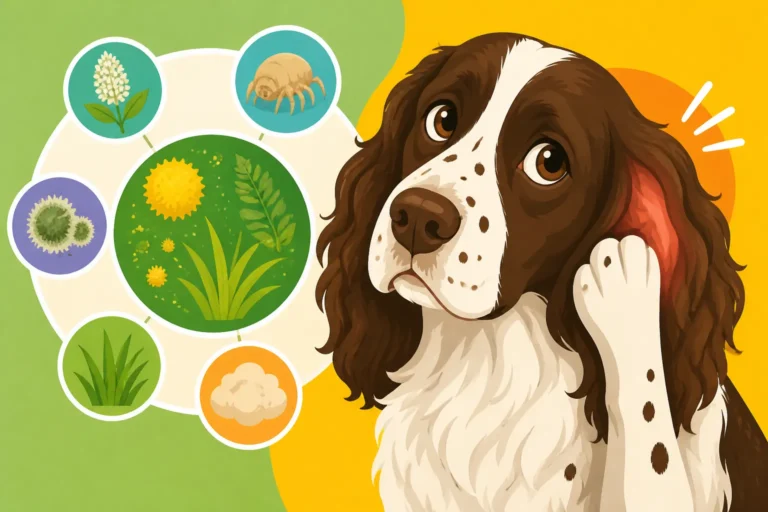
It's a common misconception that all ear infections are simply a result of dirt or water. In many Springer Spaniels, recurrent ear infections are actually a symptom of an underlying allergy – either environmental (like pollen, dust mites) or food-related. When a dog has allergies, their immune system overreacts, leading to inflammation and irritation of the skin, including the lining of the ear canal. This inflammation makes the ear more susceptible to secondary infections by yeast and bacteria.
If your Springer Spaniel seems to get ear infections frequently, despite diligent cleaning and drying, it's time to investigate potential allergies with your veterinarian. This might involve dietary trials (e.g., a novel protein or hydrolyzed protein diet), or discussions about environmental allergy testing and management. Companies like Ollie, known for fresh dog food, focus on nutrition, and while a fresh food diet isn't a magic bullet, certain ingredients in commercial kibble can be allergenic for some dogs. Working with your vet to identify and manage these allergies, whether through diet, medication, or environmental control, can significantly reduce the incidence of ear infections. Understanding Whether a Springer Spaniel's Ear Infection Is Allergy Driven is key to long-term ear health for many dogs.
Grooming for Ear Health
Regular grooming plays a crucial role in maintaining healthy Springer Spaniel ears. Those long, beautiful featherings and the dense hair around the ear canal can be both a blessing and a curse. While they protect the ear, they can also trap moisture, debris, and impede airflow, creating an ideal breeding ground for problems.
Regular trimming of the hair around the ear canal entrance is highly recommended. This allows for better air circulation and makes it easier for you to inspect and clean the ear. Many owners gently use thinning shears or a small pair of blunt-nosed scissors to carefully trim this hair, being extremely cautious not to nick the delicate skin. Some groomers and vets also advocate for plucking hair from inside the ear canal, especially for dogs with very dense ear hair. This is a debated topic, as some believe it can cause micro-traumas to the skin, leading to more infections, while others find it immensely helpful for improving airflow. If you decide to go this route, it's best to have a professional groomer or your vet demonstrate the proper, gentle technique, or perform it themselves. Regardless of whether you pluck, keeping the hair around the ear entrance short and tidy is a simple yet effective way to promote better ear hygiene and significantly reduce How Often a Springer Spaniel Gets Ear Infections.
When to Call the Vet: Beyond Home Care
It's empowering to take an active role in your Springer's ear health, but there are definitely times when home care simply isn't enough, and a professional veterinary assessment is absolutely necessary. Delaying veterinary attention when it's warranted can lead to more serious, painful, and costly problems down the line.
Persistent Symptoms and Pain
If you've been diligently cleaning your Springer's ears, trying preventative measures, and still notice persistent symptoms, it's a clear sign that you need veterinary intervention. Symptoms like ongoing redness, swelling, discharge that doesn't clear up, or a foul odor that returns quickly after cleaning all point to an issue that home remedies cannot resolve. Similarly, if your dog is exhibiting signs of significant pain – such as yelping when you touch their ear, constant head shaking, or holding their head tilted – they are likely in considerable discomfort and need medical attention.
A veterinarian can properly diagnose the type of infection (bacterial, yeast, or both) through a simple ear cytology (microscopic examination of a swab from the ear). This allows them to prescribe the correct medication, whether it's specific antibiotic ear drops, antifungal treatments, or anti-inflammatory medications. Without a proper diagnosis, you might be treating the wrong issue or using an ineffective product, which only prolongs your dog's suffering and allows the infection to deepen, potentially leading to chronic issues or even permanent damage. The cost of delaying treatment can be significant, as highlighted in What Treating a Springer Spaniel's Ear Infection Costs.
When a Foreign Body Is Suspected
One of the most insidious threats to a Springer Spaniel's ear health, especially for working or active dogs, is a foreign body lodged deep within the ear canal. The most common culprit is a grass awn (also known as a foxtail or grass seed). These barbed seeds are designed to burrow, and once they enter the ear canal, they can quickly migrate deeper, causing intense irritation, pain, and often a severe infection.
If your Springer suddenly develops acute, severe ear pain, aggressive head shaking, pawing at the ear, or seems to have something visibly sticking out, a foreign body should be high on your list of suspicions. You might also notice a sudden onset of discharge, sometimes bloody, from one ear. Attempting to remove a foreign body yourself is extremely risky; you could push it deeper, causing more damage to the eardrum or ear canal. A veterinarian has the specialized equipment (an otoscope) to visualize the deep ear canal and the tools to safely extract the foreign object, often requiring sedation for the dog's comfort and safety. Knowing Where a Grass Awn Lodges on a Springer Spaniel can help you be vigilant, but removal is strictly a vet's job.
Long-Term Management of Chronic Issues
Some Springer Spaniels, despite all best efforts, develop chronic ear problems. This can be due to severe allergies, anatomical abnormalities that develop over time (like a severely narrowed ear canal), or repeated untreated infections that cause irreversible changes to the ear tissue. If your Springer experiences recurring infections more than 3-4 times a year, or if their ears never quite seem to get completely healthy, it's time to work closely with your veterinarian on a long-term management plan.
This might involve regular cytology to monitor the ear flora, specialized long-term medications, dietary changes, or even a referral to a veterinary dermatologist. In very severe, intractable cases, where the ear canal has become permanently narrowed, calcified, or is causing the dog immense pain and a poor quality of life, your vet might discuss surgical options. Procedures like a Total Ear Canal Ablation (TECA) are a last resort, but they can provide immense relief for a dog suffering from chronic, debilitating ear disease. This surgery is complex and involves significant recovery and cost, so understanding Whether a Springer Spaniel Needs Ear Surgery is important for owners facing such decisions. Persistent issues where Whether a Springer Spaniel's Ear Canal Narrows Over Time can mean a complete change in how you manage your dog's ear health, underscoring the importance of early and consistent veterinary care.
Disclaimer
This article is for general informational purposes only and does not constitute professional advice. Laws, prices and regulations vary by location and change over time. Consult a qualified professional for guidance on your specific situation.