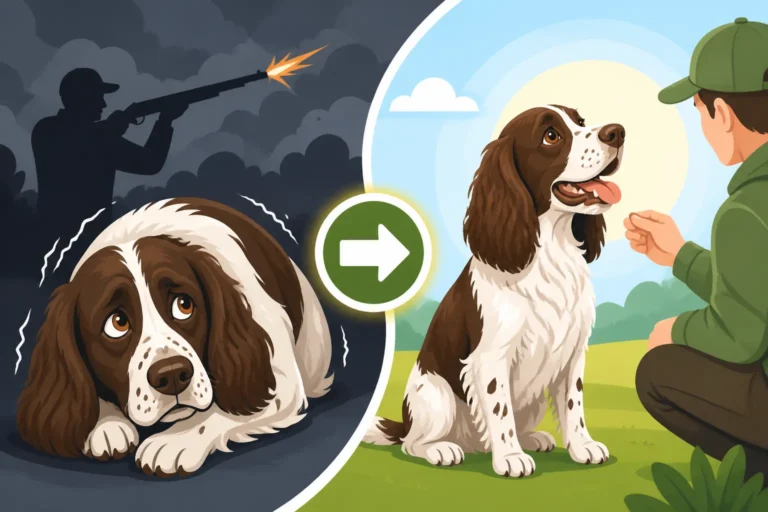
Whether a Rescue Springer Spaniel Trusts Again
Bringing a rescue Springer Spaniel into your home is an act of immense kindness, but it often comes with a unique set of heartaches and worries. You might find yourself constantly asking if your new companion will ever truly feel safe, loved, and fully integrated into your family after whatever they've been through. This guide is here to reassure you and provide actionable steps on how to patiently, consistently, and lovingly build that crucial bond of trust with your rescued Springer.
The Weight of Their Past: Why Trust is a Hurdle
It's natural to wonder about your rescue Springer Spaniel's history, but often, the full story remains a mystery. This can be frustrating, as understanding their past might seem like the key to unlocking their future. However, what truly matters is recognizing that their previous experiences, whatever they were, have shaped their current worldview and their capacity for trust.
Understanding the "Why" Behind Their Fear
Many Springer Spaniels end up in rescue for reasons that are deeply unfair to them. Sometimes, it's because their previous owners underestimated their boundless energy and intelligence, leading to behavioral issues born of boredom and lack of stimulation. A Springer Spaniel, particularly a field-bred one, requires significant mental and physical engagement, and if they don't get it, they can become destructive or anxious. Other times, it's due to owner circumstances changing, like a move, illness, or divorce, which isn't the dog's fault but still leaves them feeling abandoned. And sadly, some rescues come from situations of neglect or abuse, where they learned that humans are unpredictable or even harmful.
These experiences, especially the negative ones, can leave deep scars. A dog might generalize negative interactions to all humans, or to specific types of people (e.g., men, children). Their sensitive nature, a hallmark of the Springer Spaniel breed, means they absorb these emotional shocks profoundly. They might have been yelled at for simple mistakes, leading them to be incredibly The Soft Springer Spaniel That Shuts Down If You Shout. Such past traumas don't just vanish; they manifest as fear, anxiety, or reluctance to engage.
It's crucial to remember that their apprehension isn't a reflection on you or your intentions. It's a coping mechanism developed from their past. They're not being stubborn or difficult; they're simply protecting themselves based on what they've learned. Patience, understanding, and a consistent demonstration of safety will be your most powerful tools in overcoming these ingrained defense mechanisms.
Recognizing the Signs of a Troubled Past
When your rescue Springer first arrives, they might display a range of behaviors that indicate their struggle with trust. Observing their body language is key. You might see a tail tucked tightly between their legs, ears flattened, or a perpetually lowered head. They might try to make themselves seem smaller, avoiding eye contact, or cowering when approached. Some dogs will actively avoid touch, flinching if you reach out too quickly.
Beyond general fear, specific behaviors can hint at particular traumas. A dog that guards their food bowl or toys might have experienced scarcity in their past. A Springer Spaniel that panics when left alone might be battling Separation Anxiety in a Springer Spaniel, a common reason for rehoming in such a devoted breed. They might react strongly to certain sounds, like a dropped pan or a loud clap, or be visibly uncomfortable around specific types of people – perhaps a tall man with a hat, or energetic children, if their previous home had negative associations.
It's important not to assume these behaviors are permanent character flaws. Instead, view them as valuable clues to their inner world. Understanding these signals allows you to adjust your approach, giving them the space, reassurance, and gentle guidance they need to process their fear and begin to see you as a source of comfort, not another threat. Your vet can also help rule out any underlying medical conditions that might contribute to certain behaviors, like chronic pain making them grumpy about being touched.
Building the Bridge: Laying the Foundations of Trust
Earning the trust of a rescue Springer Spaniel isn't a sprint; it's a marathon paved with consistency, calm, and unwavering patience. Your goal is to rewrite their narrative, replacing fear and unpredictability with safety and love.
Creating a Safe and Predictable Environment
The very first step in helping a rescue Springer Spaniel heal is to provide them with a predictable, secure environment. Imagine being plucked from everything familiar and dropped into a new world; routine acts as an anchor. Establish a consistent schedule for feeding, potty breaks, walks, and quiet time. This helps them understand what to expect and reduces anxiety. A fixed feeding time, for instance, tells them they won't go hungry, which can be a huge relief for a dog with a history of neglect.
Designate a safe space just for them, like a cozy crate or a plush dog bed in a quiet corner of your home. This should be their sanctuary, a place where they can retreat and know they won't be bothered. Teach children and other pets to respect this space. For a Springer Spaniel accustomed to chaos, having a reliable place to decompress is invaluable. Introducing new family members, visitors, or even other pets should be done slowly and carefully, always allowing the Springer to initiate interaction and retreat if overwhelmed.
Every interaction should reinforce their sense of safety. Move slowly, speak in soft tones, and avoid direct, prolonged eye contact initially, as this can be perceived as a threat by an anxious dog. Offer treats and praise generously for calm behavior. Remember, for a rescue, even simple acts like a gentle stroke or a quiet voice are building blocks of a new, positive experience. This careful approach helps them understand that your home is a place of peace, not peril. For guidance on how to introduce a new dog or settle an adult, consider resources on Settling a Rehomed Adult Springer Spaniel.
The Power of Positive Reinforcement and Patience
Positive reinforcement is not just a training method; it's a language of love and understanding for a fearful rescue. When your Springer takes a brave step, like choosing to approach you, or relaxing in your presence, reward that behavior immediately with something they value – a tasty treat, a soft word of praise, or a gentle scratch behind the ears. This teaches them that good things happen when they engage positively with you. If you're looking for structured, positive reinforcement guidance, online programs like BAXTER & Bella can be incredibly helpful in providing consistent, compassionate training strategies that build trust without intimidation.
Conversely, punishment or harsh corrections can shatter the fragile trust you're trying to build. Yelling, leash corrections, or any form of physical discipline will only confirm their fears and push them further into their shell. Instead of scolding a dog for having an accident in the house, for example, calmly clean it up and redouble your efforts on positive potty training. The goal is to make every interaction a positive one, demonstrating that you are a benevolent leader who will guide them with kindness.
Understand that progress won't always be linear. You might have days where your Springer seems to take "two steps forward," happily seeking attention and showing signs of relaxation. Then, a new sound or an unexpected visitor might trigger a "one step back," sending them retreating into their safe space. This is completely normal. Celebrate every small victory – a wagging tail, a relaxed sigh, a voluntary lean against your leg. These are monumental steps for a dog relearning how to trust. Consistency, above all, will pave the way for a lasting bond.
Strengthening the Bond: Activities and Ongoing Support
Once your rescue Springer Spaniel starts to settle, you can begin to introduce activities that further strengthen your connection and build their confidence, always with their comfort in mind.
Engaging in Trust-Building Activities
Interactive play is a fantastic way to bond with a Springer Spaniel. Start with calm, gentle games that don't put too much pressure on them. Rolling a soft toy across the floor and encouraging them to retrieve it, or a gentle game of tug with a soft fleece toy, can be very rewarding. Avoid competitive games or anything that might make them feel overwhelmed or pressured. The key is to make it fun and low-stress.
Regular, quiet walks on a long line in a safe, secluded area can also work wonders. Let them explore at their own pace, sniffing and investigating the environment without feeling rushed or constrained. This allows them to engage their natural instincts as a scent-driven breed, building confidence as they successfully navigate new smells. A GPS collar, like those found on Amazon, might offer peace of mind during these outings, especially if your Springer's recall isn't fully reliable yet, as Why a Springer Spaniel Puts Its Nose to the Ground and Vanishes is a very real concern for this breed.
Grooming sessions, while sometimes challenging for a sensitive rescue, can become powerful bonding opportunities. Start with very short, gentle sessions, focusing on positive touch and praise. Use a soft brush and work slowly, checking their long ears as part of the routine. Whether a Springer Spaniel's Ears Should Be Checked Weekly is important anyway for this breed prone to ear issues. If they tolerate it, gently massage their paws or behind their ears. End the session before they show signs of discomfort, always with a treat. This teaches them that being handled is not scary and that you will respect their boundaries. Mental stimulation, like puzzle toys filled with treats or engaging in simple scent games indoors, also helps build confidence and provides a positive outlet for their intelligence.
When Professional Help is Needed
While patience and positive reinforcement go a long way, some rescue Springer Spaniels carry deeper wounds that require professional intervention. If your dog exhibits severe fear-based aggression (growling, snapping, biting), extreme phobias (to storms, specific people, or objects), or unrelenting, debilitating anxiety that impacts their daily life, it's time to seek expert help. These are not issues you should try to tackle alone, as mishandling them can inadvertently worsen the problem or put you at risk.
A certified professional dog trainer, particularly one specializing in positive reinforcement and fear-based behavior, can provide tailored strategies and hands-on guidance. They can help you understand your dog's specific triggers and teach you techniques to desensitize them to those fears gradually. For more complex cases, a veterinary behaviorist, who is a veterinarian with specialized training in animal behavior, may be necessary. They can assess for underlying medical conditions that might contribute to behavioral issues and, if appropriate, discuss medication as a tool to help manage extreme anxiety while behavioral modification techniques are implemented. For example, if your Springer Spaniel is constantly scratching or shaking their head, it could be a sign of discomfort, and a vet can diagnose conditions like Signs a Springer Spaniel Has an Ear Infection.
Remember, seeking professional help is not a sign of failure; it's a sign of a responsible and loving owner committed to giving their Springer Spaniel the best possible chance at a happy, well-adjusted life. It's about providing them with all the tools they need to heal.
Trust in Action: Living with Your Rescued Springer
Earning a rescue Springer Spaniel's trust is a profound journey, but it's one of the most rewarding experiences a dog owner can have. It changes your relationship from owner to true partner.
Understanding Their Communication
As your Springer Spaniel's trust grows, you'll start to notice subtle shifts in their behavior and communication. They might hold their tail a little higher, their body language will become looser, and they might even initiate play. Learning to read these signals is crucial for maintaining and deepening your bond. A relaxed body, soft eyes, and an open mouth often signal comfort, while a stiff posture, wide eyes, or lip-licking can indicate stress.
Responding appropriately to their cues reinforces their belief that you understand and respect them. If they lean into you, it might be an invitation for a scratch. If they turn their head away from a petting hand, they might be asking for a moment of space. These interactions teach them that their feelings matter and that you are listening. Trust is a dynamic, ongoing conversation, not a one-time achievement. Even if you've had your Springer for years, continue to observe, learn, and adapt to their evolving needs. This continuous attentiveness will solidify your bond and reassure them that your home is truly their forever home. The unique bond you share will be incredibly special.
Celebrating Milestones and Embracing the Journey
Living with a rescued Springer Spaniel means celebrating the small, quiet victories that speak volumes. It's the moment they finally fall asleep at your feet, truly relaxed. It's the first time they voluntarily bring you a toy. It's the happy sigh they let out when you come home, or the way their tail gives a little thump, thump, thump against the floor. Each of these moments is a testament to the trust they are building in you.
Embrace the journey with an open heart. There will be challenges, frustrations, and moments when you question if you're doing enough. But the profound bond you forge with a rescue, the knowledge that you've given a dog a second chance at a joyful life, is immeasurable. A Springer Spaniel, with their affectionate nature and desire to be part of the family, can truly blossom when given the security and love they crave. They are The Household a Springer Spaniel Was Built For, meant to be cherished companions. Over their The Twelve to Fourteen Years a Springer Spaniel Lives, you will witness their transformation, and that, my friend, is a beautiful thing.
| Sign of Distrust in a Rescue Springer Spaniel | Sign of Growing Trust in a Rescue Springer Spaniel |
|---|---|
| Avoids eye contact, head lowered | Makes soft eye contact, raises head comfortably |
| Tail tucked, ears back | Tail relaxed or gently wagging, ears soft |
| Cowering, retreating, hiding | Approaches willingly, seeks interaction |
| Flitches at sudden movements or loud noises | Tolerates normal household sounds and movements |
| Refuses treats or eats them warily | Eagerly takes treats, eats confidently |
| Growls or snaps when approached unexpectedly | Allows gentle petting and handling |
| Resource guards food or toys | Shares space and items more easily |
| Doesn't settle, paces, restless | Rests calmly, sleeps deeply |
| Urinates submissively when greeted | Greets with a relaxed posture and wagging tail |
Disclaimer
This article is for general informational purposes only and does not constitute professional advice. Laws, prices and regulations vary by location and change over time. Consult a qualified professional for guidance on your specific situation.