Whether a Springer Spaniel Kills Small Animals
It’s a heart-stopping moment for any dog owner: you’re enjoying a peaceful walk or your Springer Spaniel is happily romping in the yard, and then, whoosh, a blur of brown or gray, a flash of white tail, and your beloved companion is off like a shot. The sight of a squirrel, a rabbit, or even a neighborhood cat can ignite an instinctual chase in a Springer Spaniel that leaves many owners wondering if their furry friend is capable of actually harming, or even killing, these smaller animals. It’s a valid concern, and one that taps right into the core of what makes a Springer, well, a Springer. This guide is here to shed light on those deep-seated instincts and offer practical, empathetic advice on how to manage your Springer Spaniel's prey drive responsibly, ensuring the safety of both your dog and the other creatures sharing their world.
Understanding the Springer Spaniel's Deep-Seated Prey Drive
To truly understand why your Springer Spaniel might show an intense interest in small animals, we have to look back at their history. These aren't just pretty dogs with floppy ears; they are finely tuned athletes, bred for a very specific job that has been ingrained in their genetics for centuries.
A History of Hunting Instincts
The English Springer Spaniel was developed with one primary purpose: to "spring" game. Imagine a hunter in the British countryside, relying on their dog to work ahead, flushing birds or small game from dense cover directly into their path or within gun range. This wasn't about leisurely sniffing; it was about active, energetic searching, finding, and driving prey out. They were, and still are, highly efficient partners in the field. This means generations of selective breeding have honed an incredibly strong prey drive – the instinct to detect, chase, and capture.
This isn't a behavior flaw; it's the very essence of their being. When you see your Springer fixate on a twitching bush or launch themselves after a fleeing squirrel, you're witnessing history in motion. It's the same drive that makes them phenomenal hunting dogs, but it's also the drive that can lead to concerning encounters with smaller animals in a domestic setting. They are literally built for this. It’s something inherent to The Household a Springer Spaniel Was Built For, and a key aspect of their temperament that prospective owners need to understand.
The Difference Between Chasing and Killing
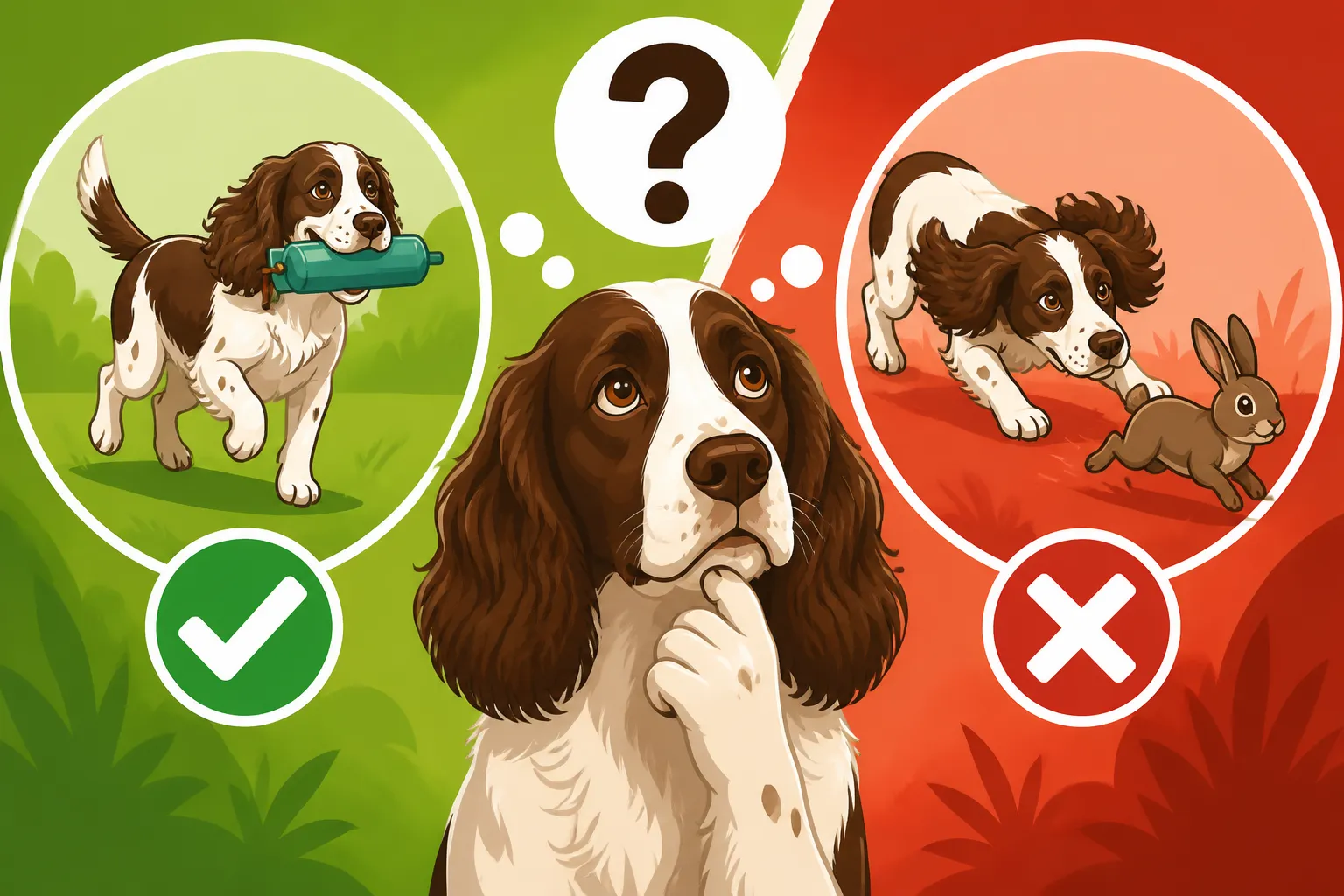
It's crucial to differentiate between the act of chasing and the act of killing. For most Springer Spaniels, the thrill is in the chase itself. That burst of speed, the focused pursuit, the joy of the hunt – it’s a massive dopamine hit for them. They live for that exhilarating rush. Often, once they've 'caught' something (or it disappears into an inaccessible spot), the intensity can drop. The immediate reward is the pursuit.
However, the potential for actual harm or killing is always present, especially with smaller, more fragile creatures. A Springer's mouth is designed to hold game, not necessarily to kill it, but an excited dog can easily inflict injury. Factors like the individual dog's intensity of prey drive, their size, the size and defensibility of the prey, and sheer opportunity can all influence whether a chase escalates into something more serious. While many Springers might just corner a squirrel or grab a bunny and then look confused or drop it, others, particularly those from stronger How a Field Bred Springer Spaniel Differs in Drive lines, might instinctively "finish" what they've caught.
Common Targets: Which Small Animals Are at Risk?
Given their keen senses and powerful drive, Springer Spaniels are incredibly effective at locating and pursuing small animals. It's not usually a matter of if they'll find something, but what they'll find.
Wildlife in Your Yard
Your own backyard, or any park or green space, is a veritable buffet of exciting scents and movements for a Springer. Squirrels are often top of the list, their darting movements and chattering calls irresistible. Rabbits, especially young ones, are another common target, often hunkering down in bushes until a persistent nose flushes them out. Then there are voles, mice, shrews, and various bird species that might nest too low or linger too long.
I've lost count of the times I've watched a Springer go from calmly sniffing to suddenly transforming into a sleek, focused predator, digging frantically at the base of a tree where a squirrel just vanished. It's a natural behavior, a testament to their breeding, but it can be unnerving. One moment they're playing with a toy, the next they're on full alert, tracking a scent invisible to us. Whether a Springer Spaniel Chases Squirrels is almost a given; it's part of their daily mental workout, even if they never quite catch one.
Neighborhood Pets and Farm Animals
This is where the concern deepens. While most owners can tolerate a few less squirrels in the yard, the thought of their dog harming a neighbor's pet is truly distressing. Outdoor cats, particularly those that are not dog-savvy, can trigger the same chase response as a rabbit. The outcome, if caught, can be tragic for the cat. Similarly, in rural or semi-rural areas, a Springer might encounter chickens, ducks, guinea pigs, or even smaller farm animals.
Some Springers, through careful socialization, may learn to differentiate between wild prey and domestic animals. They might live peacefully with the family cat or ignore the chickens in a coop. However, this is never a guarantee, and their instinct can override learned behavior, especially if the other animal panics and flees. This is why vigilance is so important. A secure fence is your best friend when you have a Springer, especially if there are other small pets in the vicinity.
Managing and Mitigating Prey Drive: Practical Strategies
While you can't erase a Springer Spaniel's instincts, you can absolutely manage them. It's about channeling that incredible energy and focus into appropriate outlets and setting clear boundaries.
Early Socialization and Training
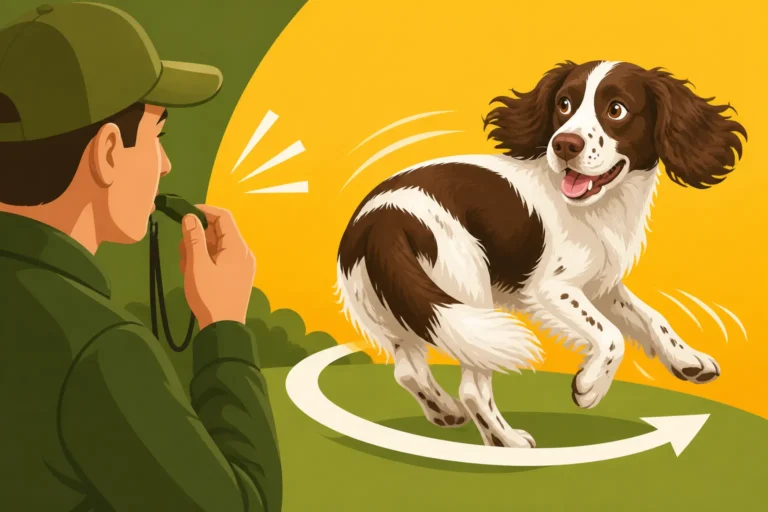
Starting early is key. A well-socialized puppy, exposed to various sights, sounds, people, and other animals (safely and positively), is better equipped to navigate the world. This doesn't mean letting your puppy chase every creature it sees; it means controlled exposure and teaching appropriate responses. Foundation obedience is paramount. Commands like "leave it" and "drop it" are vital. Imagine your dog spots a rabbit: a strong "leave it" could be the difference between a chase and a calm walk past. A reliable recall is perhaps the single most important command for a breed with a strong prey drive. You need to be able to call them back, even when their nose or eyes are telling them to go in the opposite direction. The entire The First Year With a Springer Spaniel Puppy should be dedicated to building this rock-solid foundation.
Leash Discipline and Secure Environments
This might sound basic, but consistent leash discipline is non-negotiable for a Springer with a high prey drive. In areas where you know small animals might be present, or if you're not absolutely certain of your dog's recall, keep them on a leash. It's not about punishing them; it's about protecting them and other animals. A long line can be a great training tool for practicing recall in open, safe spaces.
Beyond walks, your home environment needs to be secure. A fence that is truly escape-proof is essential. Springers are agile and determined; they can jump surprising heights or dig under seemingly secure barriers if motivated by a scent or sight. Many owners also find a GPS collar to be an invaluable tool, especially for off-leash training or in larger, fenced areas where a momentary lapse of focus could lead to a dog going out of sight. You can find many reliable options on Amazon that offer peace of mind. Whether a Springer Spaniel Needs a GPS Collar is a question many owners ponder, and for those with a strong prey drive, it's often a resounding yes.
Providing Appropriate Outlets for Their Instincts
Remember, this prey drive isn't a bad thing; it's an intense natural urge that needs an outlet. Denying it entirely can lead to frustration, destructive behavior, or even a dog that becomes sneakier in its pursuits. Instead, channel that energy constructively.
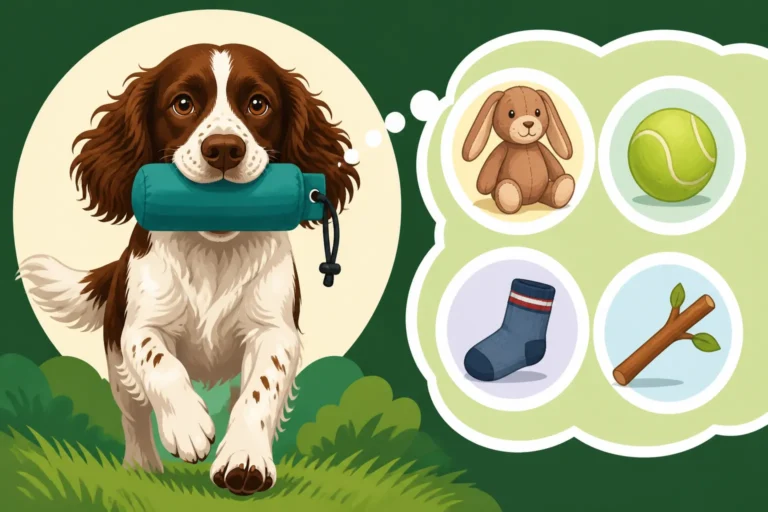
- Retrieving: This is what they were bred for! Play fetch with balls, dummies, or soft toys. Make it a structured game. Whether Fetch Satisfies a Springer Spaniel truly depends on how engaged and varied you make the play. Practice retrieving in different environments, with varying challenges.
- Scent Work: Springers have incredible noses. Engage them in scent games or formal nose work classes. Hiding treats around the house or yard, or teaching them to find specific articles, can be incredibly tiring and satisfying for them. It allows them to use their natural abilities in a controlled, non-harmful way. Scent Games Tire a Springer Spaniel like nothing else, because it engages their brain as much as their body.
- Agility or Other Dog Sports: These activities use their athleticism, intelligence, and desire to work with you. They provide mental and physical stimulation, burning off energy that might otherwise be directed towards chasing.
- Structured Training: Continue working on advanced obedience or even consider gundog training, even if you never intend to hunt. The discipline and mental engagement involved in learning to quarter, flush, and retrieve to hand (with dummies, of course) can be incredibly fulfilling for a Springer. Consider what your Springer Spaniel will work for, and leverage that for positive reinforcement.
Addressing an Existing Problem: When Your Springer Has Already Caught Prey
Sometimes, despite our best efforts, an incident happens. Your Springer Spaniel might catch a squirrel, a bird, or even, unfortunately, a neighbor’s cat. It's a distressing situation, but how you react can make a significant difference for both the animal involved and your dog's future behavior.
Immediate Steps After an Incident
First and foremost, prioritize safety. If the animal is still alive and your dog has it, your immediate goal is to get your dog to release it without getting bitten yourself. Do NOT punish or yell at your dog in this moment; it can make them hold on tighter or become defensive. Instead, use a calm, firm "drop it" command, or offer a high-value treat as a trade. Once your dog releases, secure them immediately on a leash or in a confined space.
Next, assess the prey animal. If it's wildlife and appears injured, contact a local wildlife rescue. If it's a domestic pet, try to identify the owner and get the animal immediate veterinary care. This is a difficult conversation, but it's the responsible thing to do. Afterward, take a moment to understand what happened. Where did the incident occur? What triggered it? These details are crucial for preventing future occurrences.
Behavior Modification and Professional Help
If your Springer Spaniel has a proven history of catching and harming small animals, or if their prey drive feels overwhelming and difficult to manage, it's time to get professional help. This isn't a problem you should feel you have to tackle alone.
- Positive Reinforcement: Focus on rewarding desired behaviors. Instead of chasing a squirrel, did your dog look at you when it spotted one? Reward that! Did they respond to a "leave it" command when a bird flew past? Celebrate it! Building a strong positive association with listening to you, even in the face of temptation, is key.
- Professional Trainers or Behaviorists: A qualified trainer specializing in gundogs or prey drive issues can be invaluable. They can assess your dog's specific triggers and intensity, and develop a tailored training plan. They can teach you techniques to interrupt the chase sequence before it starts, strengthen your dog's impulse control, and refine their recall to an almost instinctive level. Don't hesitate to seek out someone experienced. What a Behaviorist Costs a Springer Spaniel Owner can vary, but it's an investment in safety and peace of mind. Sometimes, a gundog trainer is better equipped to understand and channel these intense instincts, even for a pet Springer. You might consider Whether a Springer Spaniel Needs a Gundog Trainer even if you don't hunt. Online platforms like BAXTER & Bella offer a wealth of training resources and can provide a good starting point for owners looking for structured guidance on various behavioral challenges.
Remember, managing prey drive is an ongoing process, not a one-time fix. It requires consistency, patience, and a deep understanding of your incredible Springer Spaniel.
Here's a quick overview of prey drive intensity and management:
| Aspect | Description | Management Strategy |
|---|---|---|
| Instinctual Drive | Inherent, deeply rooted hunting desire to flush and retrieve. | Acknowledge, don't try to eliminate. Channel wisely. |
| Chasing | The initial, often thrilling, pursuit of a moving object. Most common. | Strong recall, "leave it" command, secure leash/environment. |
| Catching/Harm | Escalation where the dog makes physical contact, potentially injuring. | Intense training, professional behaviorist, immediate intervention. |
| Common Targets | Squirrels, rabbits, birds (wildlife); outdoor cats, chickens (pets/farm). | Secure fencing, leashed walks, supervise interactions. |
| Field Bred Springers | Often have higher, more intense prey drive due to breeding. | Requires more structured outlets and consistent training. |
| Show Bred Springers | May have a lower, but still present, prey drive. | Still requires management, don't assume absence of drive. |
| Motivation | The thrill of the chase, genetic programming, sensory stimulation. | Redirect to constructive activities: fetch, scent work, sports. |
Disclaimer
This article is for general informational purposes only and does not constitute professional advice. Laws, prices and regulations vary by location and change over time. Consult a qualified professional for guidance on your specific situation.