Whether a Springer Spaniel Recovers From Rough Handling
It’s a truly awful feeling when you look at your beloved Springer Spaniel and worry that something you've done – perhaps a moment of frustration, a harsh word, or an overly firm correction – has damaged your bond or, worse, their spirit. We all want to do right by our dogs, and the fear that we’ve inadvertently caused them lasting emotional harm is a heavy burden. This guide aims to explore whether a Springer Spaniel can truly recover from rough handling, offering insights into their sensitive nature and outlining a compassionate path toward healing and rebuilding trust.
Understanding "Rough Handling" and Its Impact on a Springer Spaniels
When we talk about "rough handling," it's easy to jump straight to thoughts of physical abuse, which is, of course, absolutely unacceptable. But often, the term encompasses a broader spectrum of interactions that can be detrimental to a sensitive dog like a Springer Spaniel. It can include persistent harsh verbal corrections, intimidating body language, the inappropriate use of certain training tools, or even just a general lack of patience and understanding during critical learning phases. A Springer Spaniel, with their eager-to-please yet inherently soft disposition, can be profoundly affected by anything that creates fear, confusion, or anxiety rather than clear, positive guidance. They thrive on connection and partnership, and when that bond feels threatened by perceived harshness, their world can feel very uncertain.
The Springer Spaniel's Sensitive Nature
Springer Spaniels are renowned for their biddable nature and their almost desperate desire to be part of your world. They are highly attuned to human emotions and body language, often picking up on subtle cues that other breeds might miss. This sensitivity is a double-edged sword: it makes them wonderfully responsive and eager learners when treated with kindness and consistency, but it also makes them particularly vulnerable to harshness. A loud voice, a sharp tug on the leash, or an intimidating stare can be deeply unsettling for a Springer. They internalize these experiences, and rather than learning what not to do, they often learn to fear the interaction itself. It's why we often say The Soft Springer Spaniel That Shuts Down If You Shout; their immediate reaction to sternness isn't defiance, but often a withdrawal of spirit.
Think about it from their perspective: they live to please you, to be your shadow, your companion. If every mistake is met with a harsh reprimand, they start to associate your presence with potential discomfort or fear. This can lead to a dog who is hesitant to engage, unwilling to try new things, or constantly walking on eggshells around you. Their natural exuberance and joy can be dampened, replaced by anxiety or a cautious demeanor. This sensitivity means that while a quick correction might seem effective in the short term, the lasting emotional cost can be far greater than any immediate training benefit.
It’s not just about physical pain; emotional pain can be just as impactful, if not more so, for a dog that values its connection with its human above almost all else. A Springer lives for partnership, for working with you, whether that's in the field or simply snuggled on the couch. When that partnership is undermined by rough handling, the foundation of their happiness and confidence begins to crack. They don't just forget a harsh word; they often develop associations that color future interactions, making it crucial to understand Why Shouting Sets a Springer Spaniel Back.
How Roughness Manifests in Behavior
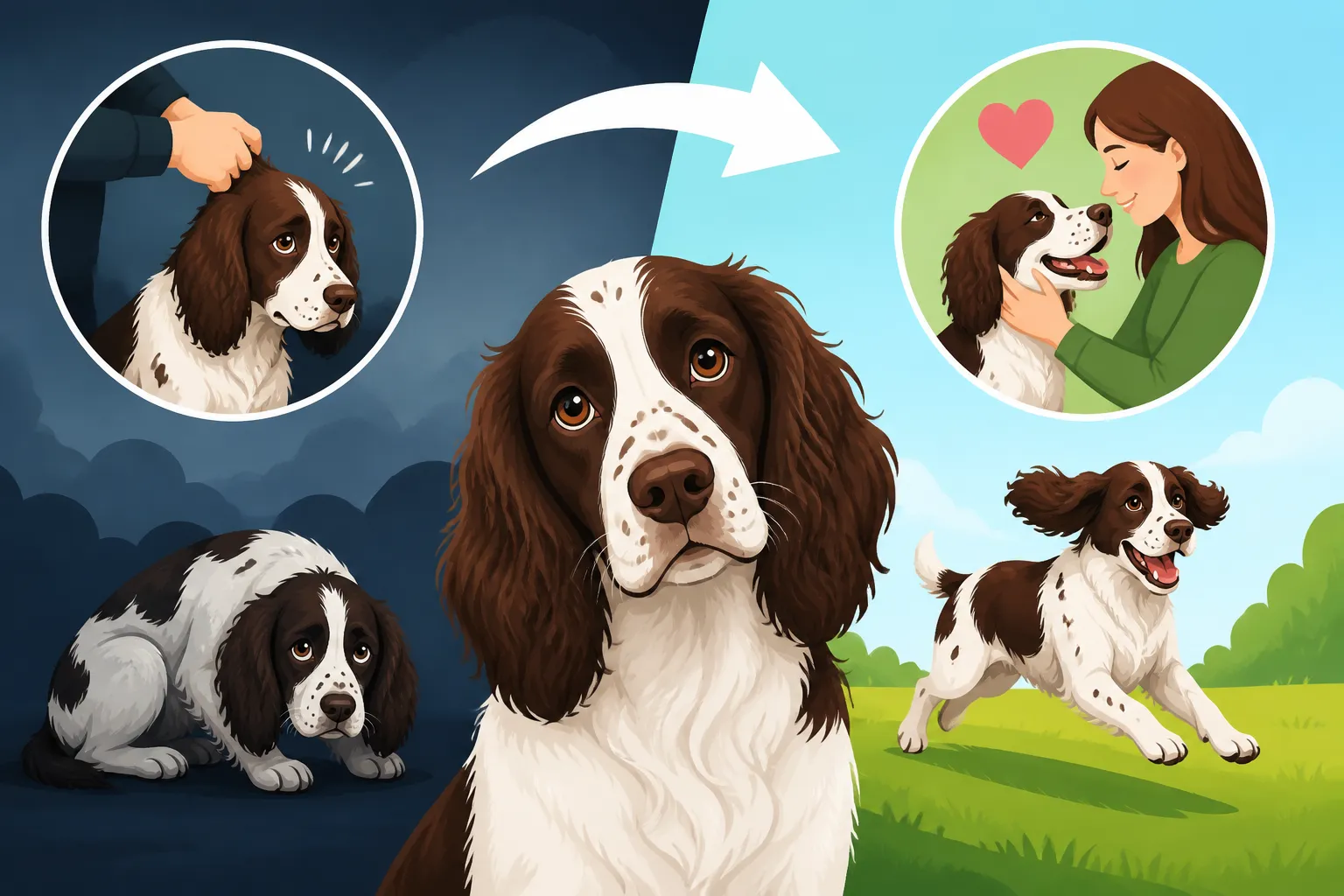
The signs that a Springer Spaniel has been subjected to rough handling can vary, but they often revolve around fear and anxiety. You might see a dog that cringes or flinches when you raise your hand, even if you’re just reaching out for a loving pat. They might avoid eye contact, tuck their tail, or try to make themselves smaller when approached. Some dogs develop submissive urination, peeing a little when greeted, as an attempt to appease a perceived threat. These are all clear indicators that they are feeling insecure or threatened.
Beyond these more overt signs of fear, you might notice more subtle shifts. A once outgoing puppy might become withdrawn or hesitant to explore. They might show signs of anxiety like excessive licking, yawning when not tired, or lip-licking in stressful situations. In some cases, prolonged rough handling can even lead to fear-based aggression, where the dog learns that the best defense is a good offense. This isn't because they are "bad" dogs, but because they have learned that defensive behaviors are their only way to create distance from a perceived threat.
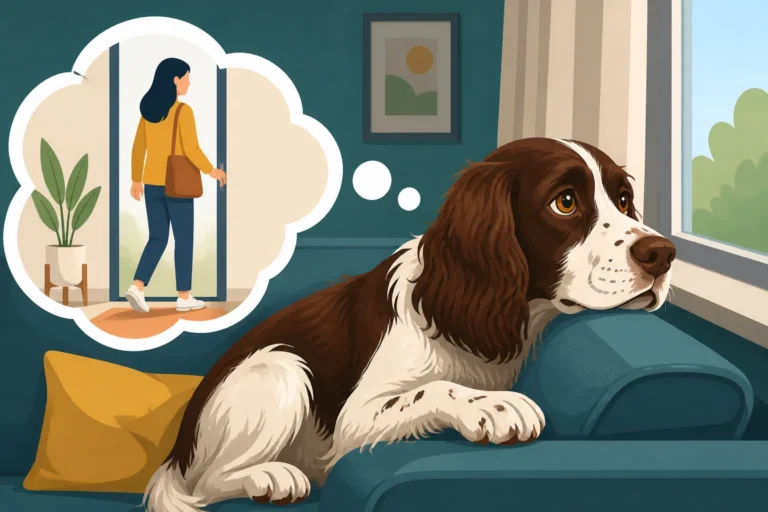
A common and heartbreaking manifestation is a dog that "shuts down." This isn't defiance; it's emotional overwhelm. They might simply stop responding, refusing to engage with commands or activities they once enjoyed. This can be particularly confusing for owners who don't realize their methods have created such a profound impact. It's a dog that has learned that trying often leads to unpleasant consequences, so it's safer to just do nothing. Knowing Whether a Springer Spaniel Remembers a Harsh Word can help us understand the deep roots of these behavioral changes.
The Path to Recovery: Healing and Rebuilding Trust
The good news, and something I always want to emphasize, is that dogs are incredibly resilient, and Springer Spaniels, in particular, possess a remarkable capacity for forgiveness and a strong desire to reconnect. It takes time, patience, and a consistent, deliberate shift in approach, but recovery from rough handling is absolutely possible. The key is to consciously and consistently build new, positive associations and to prove, through your actions, that you are a safe and trustworthy leader. It's about showing them that interactions with you are predictable, gentle, and rewarding, allowing them to slowly shed their anxieties and reclaim their natural joy.
Prioritizing Positive Reinforcement
If your Springer has experienced rough handling, the absolute cornerstone of their recovery must be positive reinforcement. This means focusing on rewarding the behaviors you want to see, rather than punishing the ones you don't. Every interaction should become an opportunity for success, praise, and a tasty treat. When they respond to a cue, even hesitantly, celebrate it! When they approach you confidently, reinforce that brave choice. High-value treats, enthusiastic praise, and favorite toys become your primary tools. This method directly counteracts the negative associations they've built, replacing them with feelings of safety and accomplishment.
Consider using a clicker if you haven't already. A clicker is a precise marker that tells your dog, "Yes! That's exactly what I wanted, and a reward is coming!" It removes ambiguity and allows them to clearly understand which actions earn good things. Combined with consistent, generous rewards, this builds confidence and a desire to engage. Online resources, like those offered by BAXTER & Bella, often provide structured positive reinforcement programs that can guide you through this process, helping you to understand the mechanics of building a positive relationship. Remember, the goal isn't just compliance; it's eager cooperation driven by trust.
This positive approach isn't just for formal training sessions; it needs to permeate every aspect of your daily life. Gentle touches, a soft voice, and predictable pleasant interactions throughout the day are crucial. If your Springer jumps up for attention, instead of pushing them down, ignore the jump, wait for them to have four paws on the floor, and then give them gentle pets and praise. You're teaching them that desired behaviors bring rewards, rather than fear or frustration. This consistent kindness helps them understand What a Springer Spaniel Will Work For and how to earn your approval in a safe way.
Establishing Predictability and Safety
A dog recovering from rough handling needs a world that feels safe and predictable. This means establishing clear routines and boundaries without harshness. Knowing what to expect reduces anxiety. Consistent feeding times, regular potty breaks, and a predictable schedule for walks and play can provide a much-needed sense of security. Create a designated "safe space" for your Springer, like a cozy crate or a bed in a quiet corner, where they can retreat and feel undisturbed. Teach children or other household members to respect this space and interact gently.
It's also vital to identify and avoid triggers that might bring back negative memories. If certain sounds, objects, or even specific types of human interaction previously led to rough handling, you'll want to gradually desensitize and counter-condition your dog to these, always ensuring a positive outcome. For example, if they flinch at a raised hand, start by offering treats with an open, lowered hand, slowly building up to more natural movements while continuously pairing them with positive reinforcement. Patience is paramount here; rushing the process can cause setbacks.
Sometimes, the world outside the home can also be a source of stress if the dog has been roughly handled in new environments or during specific activities. Keep walks calm and predictable, perhaps exploring quieter routes at first. Use a comfortable harness rather than a choke or prong collar, as these tools can inflict pain and exacerbate fear. The aim is to create an environment where your Springer feels secure and can begin to trust that you will protect them from anything frightening or unpleasant. This consistency is foundational to helping them manage Separation Anxiety in a Springer Spaniel if insecurity has led to that.
The Role of a Qualified Professional
While your love and dedication are the most important ingredients in your Springer's recovery, sometimes the emotional scars run deep, or the behavioral issues are complex. In these situations, seeking the guidance of a qualified professional can be invaluable. Look for a certified professional dog trainer (CPDT-KA) or a veterinary behaviorist who specializes in positive reinforcement and force-free methods. These professionals have the expertise to assess your dog's specific behavioral patterns, identify underlying anxieties, and develop a tailored recovery plan.
A professional can offer objective insight into your dog's body language, helping you understand their subtle cues of stress or comfort that you might be missing. They can teach you advanced positive reinforcement techniques, help you manage challenging behaviors effectively without resorting to punishment, and provide strategies for gradually reintroducing your dog to situations they might find intimidating. They can also differentiate between behavioral issues stemming from fear and those that might have a medical component, ensuring all aspects of your Springer's well-being are addressed.
Remember, asking for help isn't a sign of failure; it's a testament to your commitment to your dog's well-being. A good trainer will empower you with knowledge and tools, working with you and your Springer Spaniel to foster a stronger, more trusting relationship. They can often provide insights into whether a behaviorist is needed and guide you through the process of rehabilitation, ensuring both you and your dog feel supported on this journey.
| Behavior Indicating Fear/Stress | Behavior Indicating Trust/Comfort |
|---|---|
| Tucked tail, lowered body | Relaxed posture, wagging tail |
| Avoids eye contact | Soft, direct eye contact |
| Lip licking, yawning (out of context) | Soft mouth, relaxed expression |
| Cowering, flinching | Approaches willingly |
| Growling, snapping (fear-based) | Solicits gentle interaction |
| Pacing, excessive panting | Rests comfortably near you |
| Submissive urination | Confident elimination |
| Hiding, retreating | Engages in play, explores |
Long-Term Outlook and Management
The journey of recovery from rough handling isn't a quick fix; it's a long-term commitment. While many Springer Spaniels can make incredible strides and become confident, joyful companions again, it's also realistic to understand that some scars might linger. Your dog may never entirely forget past negative experiences, but with consistent positive reinforcement and a safe environment, they can learn to override those memories with new, happy ones. The goal is to build such a strong foundation of trust and positive association that any residual fears become minor background noise, allowing their natural Springer exuberance to shine through.
Managing Expectations for Recovery
It’s important to have realistic expectations. Some dogs, particularly those who experienced very severe or prolonged rough handling, might always retain a degree of wariness in certain situations. For example, they might still flinch if a hand moves too quickly over their head, even if they trust you implicitly. This isn't a failure on your part or theirs; it's a deeply ingrained learned response. The key is to acknowledge these lingering sensitivities and adapt your behavior accordingly, always being mindful and gentle. Your consistent gentleness will prevent these past fears from resurfacing with intensity.
Recovery is often a two-steps-forward, one-step-back process. There might be days where your Springer seems more anxious or reverts to old fear-based behaviors. Don't get discouraged! These moments are opportunities to reinforce their safety and your reliability. Revisit foundational positive reinforcement exercises, make interactions extra positive, and ensure their environment is free of anything that could cause further stress. Every gentle redirection, every patient moment, contributes to the overall healing. Remember, building trust takes time and countless positive experiences to outweigh even a few negative ones.
Understanding that dogs learn through association is crucial. If a particular object, person, or tone of voice was associated with fear, your Springer will naturally be cautious of it. You can't erase the memory, but you can build new, stronger, and more positive associations. For instance, if they fear bath time due to a past rough experience, you can start by simply being near the tub, dropping high-value treats, then slowly progress to turning on water, always making it a positive, short, and rewarding experience. This process of desensitization and counter-conditioning is a marathon, not a sprint.
Preventing Future Setbacks
The best way to prevent future setbacks and ensure your Springer Spaniel continues to thrive is to maintain a consistent, positive, and understanding approach to all interactions. This means continuing to use positive reinforcement methods, even when your dog is doing well. Never assume they've "graduated" from needing praise and rewards for good behavior. Ongoing, gentle guidance reinforces the strong bond you've built. Regular training sessions, kept short, fun, and successful, help to maintain their confidence and your communication.
Educate yourself about Springer Spaniel behavior and common breed traits. Understanding why they do what they do – their strong prey drive, their need for mental stimulation, their intense loyalty – can help you preemptively address potential behavioral challenges with kindness rather than frustration. Resources are plentiful, with excellent dog training books and guides available on Amazon that advocate for positive and humane methods. Consider joining breed-specific online forums or local clubs where experienced owners share advice and support. Knowledge is power when it comes to being a compassionate dog owner.
It's also essential to be vigilant about anyone else interacting with your dog. Ensure that all family members, pet sitters, or even visitors understand and adhere to your commitment to gentle handling and positive reinforcement. Sometimes, well-meaning individuals might unknowingly use methods that can be frightening or confusing for a sensitive dog. Protecting your Springer's emotional well-being means advocating for them and ensuring everyone in their life contributes to a safe and loving environment. This also applies to things like The First Year With a Springer Spaniel Puppy, ensuring they start off on the right paw.
Building a Stronger Bond
Ultimately, the long-term goal is not just recovery from rough handling, but the cultivation of a truly strong, trusting, and respectful bond with your Springer Spaniel. This bond is built on mutual understanding, clear communication, and unwavering kindness. When your dog truly trusts you, they feel secure enough to be themselves – goofy, energetic, loving, and always eager for adventure. This deeper connection enriches both your lives.
Spend quality time together, engaging in activities your Springer genuinely enjoys. Whether it's long walks in the woods, scent work in the yard, or just cuddling on the sofa, these shared positive experiences reinforce your relationship. Learning What a Springer Spaniel Will Work For isn't just about training; it's about understanding their motivations and fulfilling their needs. These moments of connection rebuild their confidence and solidify their belief that you are their protector and their most valued companion.
By committing to patience, empathy, and consistent positive reinforcement, you can not only help your Springer Spaniel recover from past rough handling but also forge an even stronger, more resilient bond than before. It takes effort, yes, but the reward – a happy, confident, and devoted Springer Spaniel by your side – is immeasurable. They truly want to connect, and by giving them a safe space to do so, you allow their incredible spirit to flourish.
Disclaimer
This article is for general informational purposes only and does not constitute professional advice. Laws, prices and regulations vary by location and change over time. Consult a qualified professional for guidance on your specific situation.